
When selecting the right engine oil, the sequence of letters and numbers on the bottle can seem confusing. The 5W-40 rating represents a multi-grade viscosity standard defined by the Society of Automotive Engineers (SAE). This rating describes how the oil flows at both cold start-up temperatures and normal engine operating temperatures. For drivers looking for high-performance protection, choosing a premium option like a mobil 5w40 fully synthetic motor oil ensures that your engine remains shielded against friction under extreme conditions. Understanding this rating is crucial because using the wrong oil viscosity can lead to accelerated engine wear, reduced fuel efficiency, or even severe mechanical failure.
Decoding the 5W-40 Viscosity Grade
To understand what 5W-40 means, it helps to break down the alphanumeric code into its two primary components. The “5W” portion refers to the oil’s cold-weather or winter performance, with the “W” standing for winter. This number indicates how easily the oil flows when the engine is cold, such as during initial start-up after sitting overnight. A lower number before the “W” means the oil remains more fluid at low temperatures, reducing the drag on the starter motor and allowing the oil pump to distribute lubrication quickly to critical engine components.
The “40” portion of the rating represents the oil’s resistance to thinning at normal engine operating temperatures, which is typically measured at 100 degrees Celsius. In the SAE grading system, a higher second number indicates a thicker, more robust oil film at operating temperature. This film acts as a vital barrier between moving metal parts, preventing direct contact and minimizing wear under high thermal loads.
Products mentioned in this guide
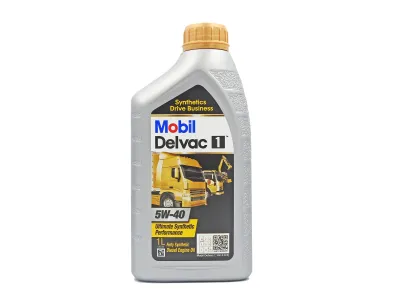
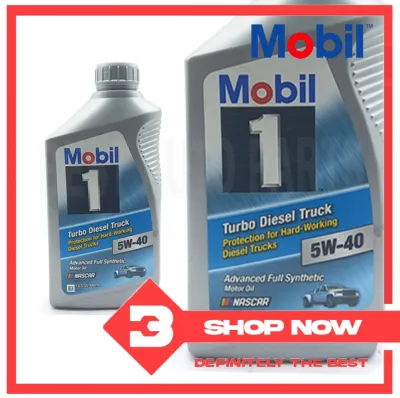
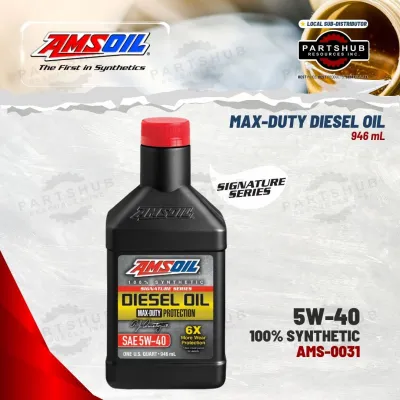
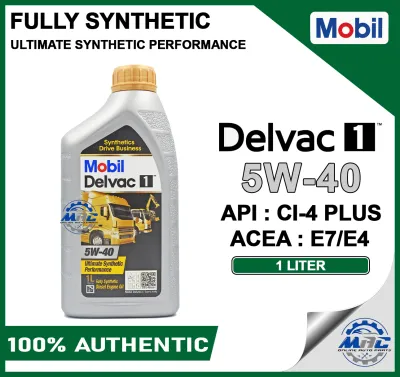
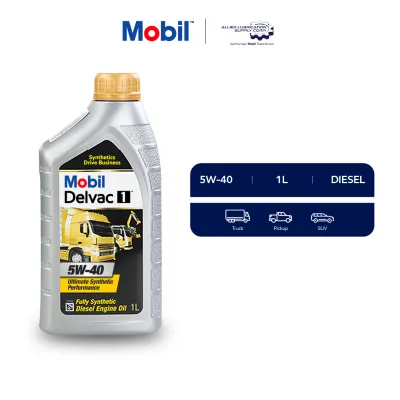
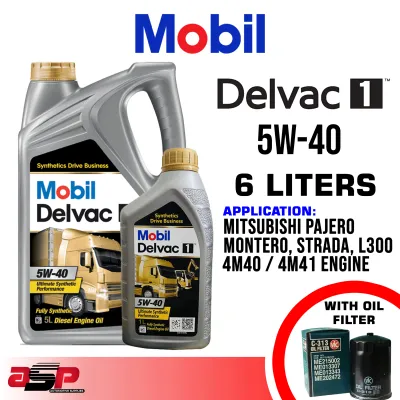
Prices are valid at publication and may change. Please refer to the product page for the latest price.
It is important to clarify that these numbers represent relative flow rates and kinematic viscosity ranges rather than absolute thickness measurements. The grading system is a standardized way for manufacturers to categorize how an oil behaves dynamically across a temperature spectrum. A 5W-40 oil is engineered to flow like a thin 5-weight oil when cold, yet protect like a thicker 40-weight oil once the engine reaches its standard operating temperature.
Real-World Performance in Tropical and High-Stress Driving
Translating these technical specifications into practical driving conditions reveals why 5W-40 is a popular choice, particularly in tropical climates like the Philippines. While local temperatures rarely approach freezing, cold-start protection remains a critical factor. Even on a warm tropical morning, an engine is considered “cold” relative to its optimal operating temperature of around 90 to 100 degrees Celsius. During these initial seconds of operation, the “5W” rating ensures that the oil circulates rapidly through the engine block, preventing dry starts that account for a significant portion of long-term engine wear.

Once the vehicle is running, high-temperature stability becomes the primary concern. In dense urban traffic environments, such as stop-and-go commutes in Metro Manila, engines experience prolonged idling and elevated operating temperatures. The “40” grade ensures that the oil maintains a strong, protective film under these high-stress conditions, preventing the oil from shearing or thinning out excessively. This robust film is equally beneficial during long, demanding highway climbs up steep terrains, where the engine is subjected to continuous high loads.
However, while a 40-grade oil provides excellent protection for high-stress or older engines, it may introduce unnecessary drag in modern, tight-tolerance engines. Many contemporary vehicles are engineered to run on lower-viscosity oils, such as 0W-20 or 5W-30, to maximize fuel efficiency. Using a thicker oil than recommended can increase internal resistance, leading to higher fuel consumption and slightly reduced engine responsiveness.
Furthermore, viscosity is only one aspect of comprehensive engine protection. While the physical thickness of the oil film prevents metal-on-metal contact, the oil’s additive package handles the chemical duties of engine maintenance. These additives include detergents that prevent sludge buildup, dispersants that keep contaminants suspended, and anti-wear agents that chemically bond to metal surfaces to provide an extra layer of defense under extreme pressure.
Why a Mobil 5W-40 Fully Synthetic Oil Matters for Engine Longevity
When selecting a 5W-40 oil, the formulation type plays a decisive role in overall performance. Fully synthetic engine oils are formulated using highly refined base stocks, resulting in a uniform molecular structure with fewer impurities than conventional or semi-synthetic oils. This engineered consistency allows a mobil 5w40 fully synthetic oil to perform more reliably at both temperature extremes, offering superior shear stability and resistance to thermal breakdown.
In practical terms, synthetic formulations are highly resistant to oxidation, which prevents the oil from thickening and forming harmful sludge over time. They also exhibit lower volatility, meaning the oil is less prone to vaporization or burn-off when exposed to the intense heat inside the combustion chamber. This reduced volatility helps maintain consistent oil levels and minimizes the need for frequent top-ups between service intervals.
While premium synthetic oils may carry a higher upfront cost in Philippine Pesos (₱) compared to mineral-based alternatives, they offer substantial long-term value through enhanced component protection and extended oil life. However, it is vital to remember that while synthetic oils possess superior durability, they do not eliminate the need for regular maintenance. Drivers must always follow the vehicle manufacturer’s recommended oil drain schedule and filter replacement intervals to ensure continued engine health.
How to Verify if 5W-40 is Right for Your Engine
Before purchasing or installing any motor oil, you must verify that the viscosity grade and performance specifications align with your vehicle’s requirements. The primary source for this information is always your vehicle’s owner’s manual, though the recommended oil grade is also frequently printed directly on the engine’s oil filler cap.
Matching the viscosity grade is only the first step; you must also ensure the oil meets the specific performance standards required by your engine’s manufacturer. These standards are established by international bodies like the American Petroleum Institute (API) or the European Automobile Manufacturers’ Association (ACEA), and are often supplemented by proprietary OEM approvals. Always check the product label to confirm that the oil carries the correct specifications for your specific vehicle model and year.
Using a 5W-40 oil in an engine that explicitly requires a lower viscosity can lead to several operational issues. In modern engines designed with tight clearances, thicker oil may fail to flow quickly enough through narrow oil galleries, delaying the actuation of Variable Valve Timing (VVT) systems and reducing overall cooling efficiency. It can also place additional strain on the oil pump, leading to decreased fuel economy and increased emissions.
A clear decision boundary exists for most drivers: if your owner’s manual specifies 5W-30 and your engine is healthy and operating under normal conditions, switching to a thicker 5W-40 is generally unnecessary. Such a transition should typically only be considered if recommended by the vehicle manufacturer for specific high-load scenarios, extreme ambient temperatures, or if the manufacturer provides explicit guidelines for adjusting viscosity as the engine ages.
Frequently Asked Questions (FAQ)
Can I mix 5W-40 with 5W-30 engine oil?
While mixing different oil viscosities is physically possible and will not cause immediate catastrophic failure, it is generally not recommended for routine maintenance. Mixing two different grades alters the final viscosity and can dilute the carefully balanced additive packages of both oils, potentially reducing their effectiveness. If you must mix them in an emergency to prevent oil starvation, you should schedule a complete oil drain and filter replacement with the correct single-specification oil as soon as possible.
Is 5W-40 better for high-mileage or older engines?
Using a slightly thicker high-temperature grade like 5W-40 can be beneficial for older engines that have experienced wear over time. The thicker oil film can help seal larger clearances between worn piston rings and cylinder walls, which helps maintain engine compression, reduce oil consumption, and stabilize oil pressure. If you decide to make this adjustment, look for specialized high-mileage formulations that contain seal conditioners to help prevent leaks, and ensure the change does not conflict with the manufacturer’s original engine design limits.
Community discussion
Share your experience or ask a question. Comments are reviewed before publication.