
A 2-pot caliper bracket designed for 260mm rotors is a specialized mounting adapter that allows you to install a two-piston brake caliper alongside a 260mm diameter brake disc. This component acts as the bridge between your vehicle’s steering knuckle and the upgraded braking hardware, ensuring the caliper is positioned at the precise height and angle to clamp the rotor effectively.
To determine if this bracket fits your vehicle, you must verify several physical and hydraulic dimensions. These include the mounting bolt spacing on your steering knuckle, the clearance inside your wheel barrel, and the fluid displacement capacity of your master cylinder.
Decoding the Specs: What "2-Pot" and "260mm" Actually Mean
The term “2-pot” refers to a brake caliper that utilizes two hydraulic pistons to press the brake pads against the rotor. In a braking system, these pistons apply direct force to the backing plate of the brake pads. Having two pistons helps distribute this clamping force more evenly across the pad surface, which can minimize uneven pad wear and provide more consistent pedal feedback during deceleration.
Products mentioned in this guide
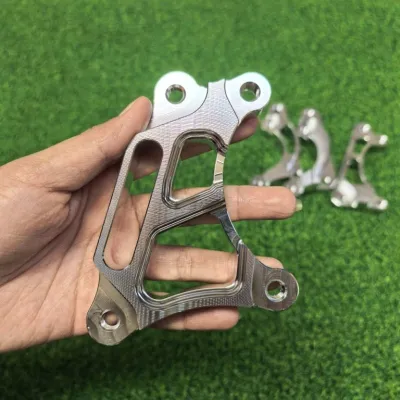
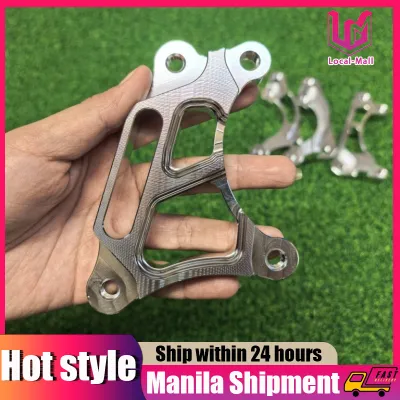
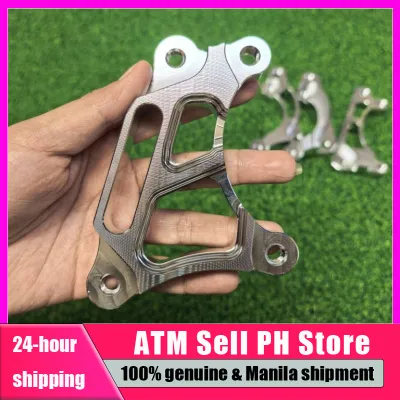
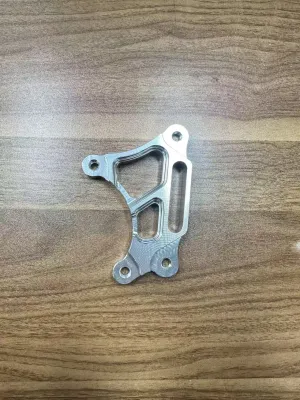
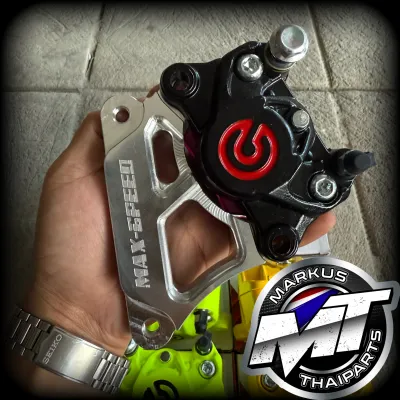
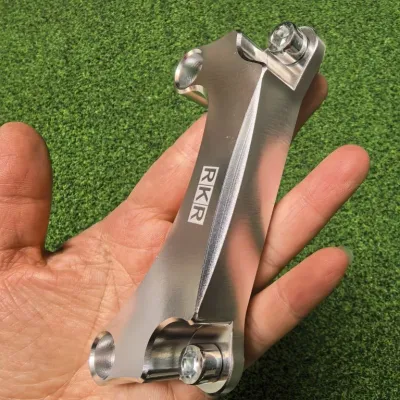
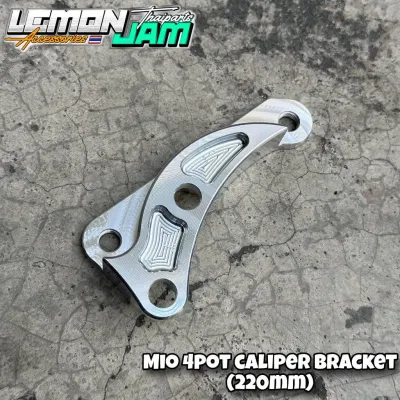
Prices are valid at publication and may change. Please refer to the product page for the latest price.
The “260mm” specification denotes the exact outer diameter of the brake rotor that the bracket is engineered to clear. The bracket is machined to position the caliper at a specific radial distance from the wheel hub. If you attempt to pair this bracket with a smaller or larger rotor, the brake pads will not align correctly with the rotor’s friction surface, leading to severely compromised braking performance or mechanical binding.
Upgrading to a larger rotor and a multi-piston caliper also alters your vehicle’s hydraulic balance. A 2-pot caliper generally requires a larger volume of brake fluid to actuate its pistons compared to a smaller factory single-piston caliper. You must ensure your vehicle’s master cylinder can displace enough fluid to maintain a firm pedal. Additionally, changing the front braking force without adjusting the rear can disrupt the front-to-rear brake bias, which may cause the front wheels to lock up prematurely on wet roads.
Step-by-Step Fitment Verification for Your Vehicle
The first step in verifying fitment is checking the mounting points on your vehicle’s steering knuckle. The bracket must bolt directly to the knuckle using the exact thread pitch, bolt diameter, and hole spacing specified by your vehicle’s manufacturer. You should cross-reference these dimensions with your factory service manual or a verified aftermarket fitment guide. Never attempt to drill, file, or modify the mounting holes on the bracket or the knuckle to force a fit.

Upgrading to a 260mm rotor and a larger 2-pot caliper increases the overall physical footprint of your brake assembly. You must measure the inner diameter of your wheel barrel to ensure there is sufficient clearance. In many compact vehicles or motorcycles, upgrading to a 260mm setup may require moving to a larger wheel size to prevent the caliper from rubbing against the inner barrel or the back of the wheel spokes.
Ensure that the bracket does not interfere with critical safety and structural components. The brake rotor must sit perfectly hub-centric on the wheel hub to prevent high-speed vibrations. Additionally, check that the new bracket position does not pinch, stretch, or rub against the ABS wheel speed sensor wiring. You may also need to trim or replace the factory metal dust shield to accommodate the larger 260mm rotor and the repositioned caliper.
Avoid relying solely on generic online marketplace compatibility lists, which often group different vehicle model years or trim levels together incorrectly. Always cross-reference the OEM part numbers of your factory steering knuckle and caliper with the bracket manufacturer’s official application list. If your vehicle has been modified with parts from another model year, verify those specific component interfaces individually.
Safety Boundaries and Professional Installation Requirements
Modifying your vehicle’s braking system directly impacts its handling, stopping distance, and overall safety. Any aftermarket brake modification must comply with local road safety standards and vehicle registration regulations in the Philippines. Because brakes are a critical safety system, improper installation can lead to sudden brake failure, putting your life and the lives of others on the road at risk.
Proper installation requires strict adherence to original-vehicle instructions and component specifications. You must use a calibrated torque wrench to tighten all mounting bolts to the exact torque specifications outlined in your service manual. Additionally, you must install compatible, high-pressure brake lines that are long enough to accommodate full steering lock without stretching, and perform a complete brake fluid bleed to remove all air bubbles from the hydraulic system.
If you encounter any resistance when mounting the bracket, if the bolt holes do not align perfectly, or if the bracket instructions conflict with your vehicle’s factory service manual, stop the installation immediately. Do not attempt to force the components together. Consult a certified automotive professional or a qualified brake specialist to inspect the setup and complete the installation safely.
Frequently Asked Questions (FAQ)
Can I use a 260mm bracket with my stock brake rotors?
No, you cannot use a 260mm bracket with stock rotors unless your stock rotors are already exactly 260mm in diameter. The bracket is specifically machined to position the caliper at a precise distance from the hub center to match a 260mm disc. If your stock rotors are smaller, the brake pads will hang off the outer edge of the rotor, leading to uneven wear, reduced stopping power, and eventual pad cracking. If your stock rotors are larger, the caliper will not fit over the disc at all.
Do I need to upgrade my master cylinder when switching to a 2-pot caliper?
It depends on the total piston volume of the new 2-pot caliper compared to your factory caliper. If the combined surface area of the two new pistons is significantly larger than your original single piston, the factory master cylinder will have to travel further to push the same amount of fluid, resulting in a soft or low brake pedal. You should calculate the fluid displacement requirements and compare them to your factory master cylinder specifications; if the pedal feel becomes compromised, upgrading to a larger-bore master cylinder is highly recommended to maintain safe hydraulic pressure.
Community discussion
Share your experience or ask a question. Comments are reviewed before publication.