
When shopping for engine oil, the alphanumeric codes on the bottles can seem confusing. The designation “10W-30” is a multi-grade viscosity rating established by the Society of Automotive Engineers (SAE). This rating describes how the oil flows at both low and high temperatures, which is critical for protecting your engine’s internal components from friction and wear.
Understanding these numbers helps you make informed maintenance decisions. Using the correct viscosity ensures your engine remains properly lubricated, maintains optimal fuel efficiency, and avoids premature mechanical wear.
Decoding the 10W-30 Viscosity Rating: What the Numbers Mean
The “W” in 10W-30 stands for “Winter,” not weight. This is a common misconception among vehicle owners. The number preceding the “W” indicates the oil’s low-temperature flow characteristics. Specifically, the “10W” rating measures how easily the oil can be pumped and how well it allows the engine to crank during cold starts. A lower winter number means the oil remains more fluid in freezing conditions, reducing the initial drag on moving parts when you turn the key.
Products mentioned in this guide
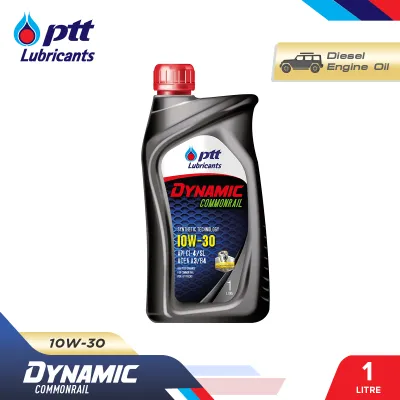
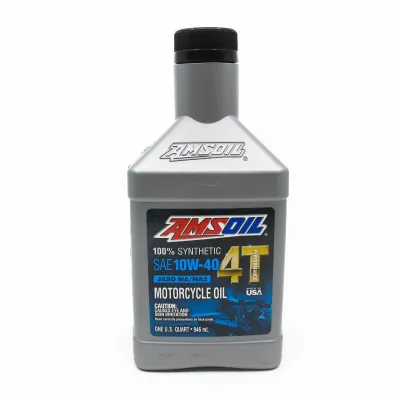
Prices are valid at publication and may change. Please refer to the product page for the latest price.
The second number, “30,” represents the oil’s operating viscosity. This is measured at a standardized high engine temperature of 100°C (212°F). Viscosity is a fluid’s resistance to flow; a higher number indicates a thicker, more viscous oil at operating temperature. The “30” rating ensures that once the engine warms up, the oil maintains a sufficiently thick protective film to cushion bearings, pistons, and camshafts against metal-to-metal contact.
Engine oils that feature two numbers like this are known as multi-grade oils. Historically, drivers had to change their oil seasonally, using thin oils in winter and thick oils in summer. Modern multi-grade oils solve this problem through the use of viscosity index (VI) improvers. These are polymer additives that expand as temperature rises, preventing the oil from thinning out too rapidly. Consequently, a 10W-30 oil flows like a thin 10-weight oil when cold, yet retains the protective body of a thicker 30-weight oil when hot.
10W-30 Performance in Tropical and High-Temperature Climates
Operating a vehicle in consistently warm tropical environments, such as the Philippines, changes how you evaluate motor oil ratings. In these regions, ambient temperatures rarely approach freezing. Because sub-zero cold starts are not a concern, the low-temperature performance represented by the “10W” rating is less critical than it would be in colder climates. A 10W-rated oil flows perfectly fine during a typical warm morning start in a tropical climate.

Instead, the focus shifts heavily to the high-temperature rating. The “30” in 10W-30 is highly relevant for driving conditions characterized by high ambient heat, heavy traffic congestion, and prolonged idling. Under these stressful conditions, engine temperatures rise significantly. The oil must maintain its film strength to prevent metal-to-metal contact. A 30-weight oil provides a balanced level of protection and fluid efficiency for many standard passenger vehicles operating in warm climates.
However, severe driving conditions may require a different approach. If you frequently tow heavy loads, drive a commercial vehicle, or operate an older engine design that naturally runs hotter, a higher operating viscosity might be necessary. In these specific scenarios, vehicle manufacturers often recommend switching to an SAE 40 or SAE 50 oil to ensure the lubricating film does not shear or break down under extreme thermal stress. Always consult your vehicle’s specific guidelines before upgrading to a thicker grade.
How to Verify if 10W-30 Is the Correct Grade for Your Car
Selecting the wrong oil viscosity can lead to severe engine issues, so verification is a critical step before any oil change. Your primary and most authoritative source of information is always the vehicle’s owner’s manual. Manufacturers spend years engineering engines to operate within precise tolerances, and they specify the exact viscosity grades compatible with those designs. Many vehicles also feature this recommended grade printed directly on the engine oil filler cap under the hood.
Using an incorrect viscosity grade carries distinct mechanical risks. If you use an oil that is too thick, such as putting a 20W-50 oil in an engine designed for 10W-30, the oil may not flow quickly enough to critical components during startup. This delay causes dry friction and accelerated wear on the valve train, while also increasing internal drag, which reduces your fuel economy. Conversely, using an oil that is too thin can result in an inadequate lubricating film under load, leading to rapid bearing wear and potential engine failure.
In addition to the SAE viscosity grade, you must verify the oil’s performance classifications. Look for the American Petroleum Institute (API) or International Lubricant Standardization and Approval Committee (ILSAC) service symbols on the bottle. Modern engines, especially those with turbochargers or advanced emissions systems, require specific additive packages, such as the API SP standard. These standards protect against modern engine phenomena like Low-Speed Pre-Ignition (LSPI) and ensure the oil does not poison catalytic converters.
Before purchasing or performing any oil service, always read the product label to confirm it is authorized for your engine type (gasoline or diesel). If your owner’s manual is missing, if your engine has been modified, or if you notice unusual oil consumption or low oil pressure warnings, do not guess. Consult a certified mechanic or an authorized dealership service center. They can assess your engine’s physical condition and recommend the safest, most effective oil grade for your specific situation.
Frequently Asked Questions (FAQ)
Can I mix 10W-30 with 5W-30 or other viscosity grades?
Mixing different viscosity grades is acceptable only in an absolute emergency, such as when your oil level is dangerously low and running the engine dry would cause immediate catastrophic failure. However, doing so is not recommended for routine maintenance. Mixing different grades unpredictably alters the overall viscosity profile and can dilute the specific additive packages engineered into each oil. This compromise can reduce the oil’s ability to protect your engine under extreme heat or cold. To maintain optimal engine health, schedule a complete oil and filter change as soon as possible to restore the exact manufacturer-specified grade.
Should I switch to a thicker oil like 10W-40 for a high-mileage engine?
There is a common belief that older, high-mileage engines automatically require thicker oil to seal internal clearances. However, modern engines are built with extremely tight tolerances that do not change significantly even after many kilometers of driving. Switching to a thicker oil like 10W-40 can restrict oil flow through narrow internal galleries, starving critical components of lubrication. Instead of simply choosing a thicker oil, look for dedicated high-mileage formulations in your factory-recommended viscosity. These specialized oils contain seal conditioners to help stop minor leaks and anti-wear additives to protect aging metal surfaces. Any decision to deviate from the manufacturer’s recommended viscosity should be based on a professional mechanic’s physical assessment of your engine’s oil pressure and mechanical wear.
Community discussion
Share your experience or ask a question. Comments are reviewed before publication.