
The alphanumeric code “5W-30” printed on an engine oil bottle represents its multi-grade viscosity rating, which measures how easily the oil flows at different temperatures. The “5W” portion indicates the oil’s flow characteristics in cold conditions, where the “W” stands for winter, while the “30” denotes its thickness or resistance to flow at normal engine operating temperatures. Selecting the correct viscosity grade is essential for maintaining proper lubrication, assisting with internal engine cooling, and ensuring the long-term durability of your vehicle’s moving parts.
In tropical climates like the Philippines, where ambient temperatures remain consistently warm, understanding these numbers is just as critical as it is in colder regions. Even without freezing winters, the initial startup of an engine requires an oil that can circulate rapidly to prevent dry metal-on-metal contact. At the same time, the oil must remain thick enough to protect internal components under intense heat and heavy traffic conditions.
Decoding the Numbers: What "5W" and "30" Actually Mean
To understand how engine oil behaves, it helps to look at the standards established by the Society of Automotive Engineers (SAE). The SAE J300 standard defines the viscosity limits for motor oils, ensuring that a 5W-30 oil from one brand flows similarly to a 5W-30 oil from another. These numbers are standardized measurements of fluid dynamics rather than arbitrary manufacturer ratings.
Products mentioned in this guide
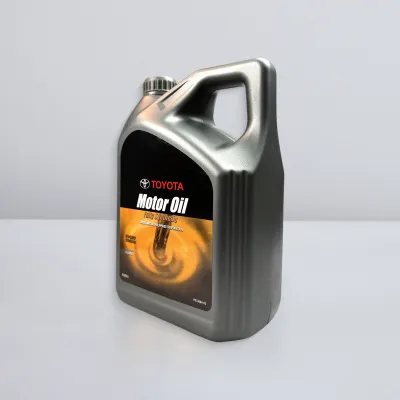
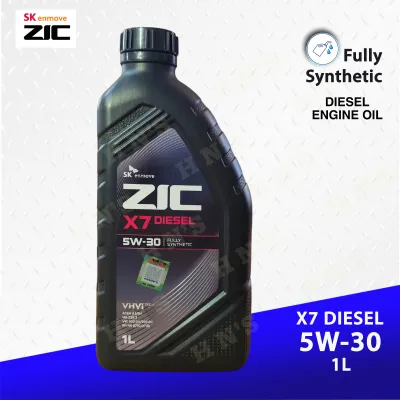
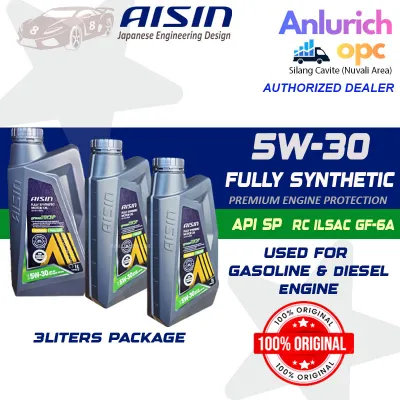
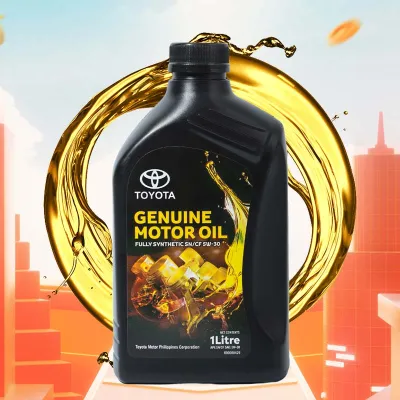
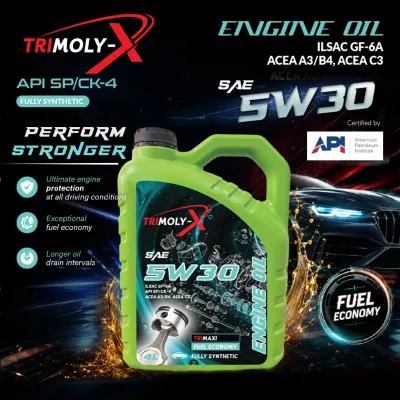
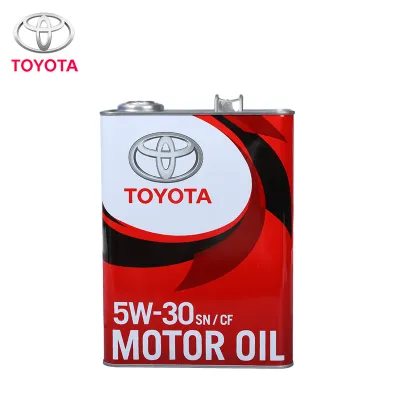
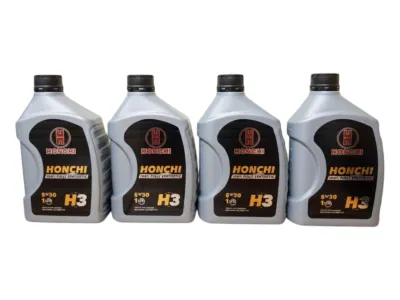
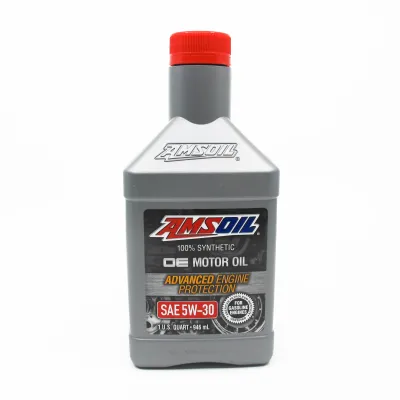
Prices are valid at publication and may change. Please refer to the product page for the latest price.
The first part of the grade, “5W,” describes the oil’s low-temperature viscosity. The letter “W” stands for “Winter.” A lower number preceding the “W” indicates that the oil remains more fluid and pumps more easily at low temperatures. While sub-zero temperatures are not a concern in tropical environments, a lower winter rating still ensures rapid oil circulation during a cold start—the period when an engine is most vulnerable to wear because the oil has settled in the oil pan overnight.
The second number, “30,” represents the oil’s kinematic viscosity measured at a standardized operating temperature of 100°C. This temperature closely mirrors the typical heat level inside a fully warmed-up passenger vehicle engine. The higher this second number, the thicker the oil remains at high temperatures. A rating of 30 indicates a balanced viscosity that provides a reliable protective barrier for modern engines without causing excessive internal resistance.
How Viscosity Affects Engine Protection and Performance
Viscosity is essentially a fluid’s resistance to flow, and maintaining the correct balance is vital for engine health. When an engine runs, oil is pumped through narrow passages to form a microscopic, protective film between rapidly moving metal components, such as pistons, camshafts, and bearings. This film prevents direct metal-on-metal contact, reducing friction and minimizing wear.

If you use an oil that is too thin for your engine’s design, the lubricating film can break down under high heat or heavy loads. This inadequate film strength leads to accelerated wear on critical components, increased oil consumption, and potential engine damage over time. Modern engines are built with incredibly tight clearances, meaning the spaces between moving parts are extremely small, making them highly sensitive to incorrect oil thickness.
Conversely, using an oil that is too thick presents its own set of problems. An overly viscous oil flows slowly, especially during initial startup, delaying the time it takes for lubrication to reach the top of the engine. Additionally, thick oil creates greater internal drag, forcing the oil pump and engine to work harder. This extra resistance can lead to higher operating temperatures, reduced engine efficiency, and a noticeable drop in fuel economy.
Is 5W-30 the Right Choice for Your Vehicle?
While 5W-30 is widely recommended, it is not a universal solution. The ultimate authority on which viscosity grade your vehicle requires is the owner’s manual. This document outlines the precise specifications, oil capacities, and approved viscosity charts tailored to your engine’s design.
For quick reference, many vehicle manufacturers print the recommended oil viscosity directly on the engine’s oil filler cap. However, you should always cross-reference this with the manual, as some vehicles may allow for alternative grades depending on operating conditions. For instance, driving in the intense heat of the Philippines, carrying heavy cargo, towing trailers, or operating a high-mileage engine might prompt the manufacturer to suggest a slightly different viscosity grade to handle the increased thermal stress.
Before purchasing any engine oil, verify your vehicle’s specific model, year, and engine type. If your owner’s manual is missing, or if you encounter conflicting recommendations from online sources, do not guess. Stop and consult a qualified mechanic or an authorized dealership to confirm the correct oil specification for your vehicle. Using the wrong oil can void your vehicle’s warranty and lead to costly mechanical failures.
How to Read Engine Oil Labels When Shopping
When browsing shelves at an auto supply store or searching an online marketplace, reading the labels carefully ensures you buy a compatible product. Beyond the 5W-30 rating, look for recognized industry certification marks. The American Petroleum Institute (API) or European Automobile Manufacturers’ Association (ACEA) sequences indicate that the oil has passed standardized tests for wear protection and deposit control.
You must also identify the base oil type, which is typically categorized as full synthetic, synthetic blend, or conventional (mineral) oil. Full synthetic oils offer the highest thermal stability and resistance to breakdown under extreme heat, making them highly suitable for tropical climates and modern turbocharged engines. Synthetic blends offer a middle ground, while conventional oils are generally reserved for older, less demanding engines. Always match the base oil type to the manufacturer’s requirements.
Finally, verify the exact volume of oil required for a complete oil change, which is listed in your owner’s manual. Engine capacities vary widely, often requiring anywhere from 3 to 6 liters or more. Purchasing the correct volume prevents the inconvenience of running short mid-service or spending extra money on excess oil that will sit unused.
Frequently Asked Questions (FAQ)
Can I mix 5W-30 with other viscosity grades in an emergency?
Mixing different oil viscosities or brands is not recommended for regular use. Engine oils are carefully formulated with specific additive packages, and mixing them can alter these chemical balances, potentially reducing the oil’s overall effectiveness and stability. However, if you encounter an emergency where your oil level is dangerously low and no 5W-30 is available, topping up with a similar grade (such as 10W-30 or 5W-40) is acceptable to prevent immediate engine damage from oil starvation. You should schedule a complete oil and filter change as soon as possible afterward to restore the correct formulation.
Does using 5W-30 improve fuel economy compared to thicker oils?
Using a lower-viscosity oil like 5W-30 can reduce internal fluid friction within the engine compared to thicker oils like 15W-40 or 20W-50. This reduction in drag allows the engine to operate more efficiently, which can lead to marginal improvements in fuel economy. However, these benefits are only realized if your engine was specifically designed with the tight clearances and oil pump capacity required for a thinner oil. Using 5W-30 in an older engine designed strictly for thicker oils can result in insufficient lubrication and severe internal wear.

Community discussion
Share your experience or ask a question. Comments are reviewed before publication.