
The number “90” in gear oil represents its high-temperature viscosity rating as defined by the Society of Automotive Engineers (SAE). Specifically, it indicates how thick or resistant to flow the oil remains when your vehicle’s gearbox or differential reaches its standard operating temperature of 100°C. Choosing the correct viscosity is critical for protecting heavy-duty gears from friction and wear, especially under the demanding driving conditions of high ambient heat and heavy traffic.
Understanding the SAE '90' Viscosity Rating
The “90” rating is a standardized measurement established under the SAE J306 standard, which governs the viscosity classifications of automotive gear lubricants. Viscosity refers to a fluid’s resistance to flow, often described colloquially as its thickness. For a gear oil labeled with a single grade like SAE 90, this number is determined by measuring its kinematic viscosity at a controlled test temperature of 100°C. This temperature simulates the typical heat generated inside a vehicle’s drivetrain during normal operation.
It is important to distinguish between single-grade and multi-grade gear oils. A single-grade oil like SAE 90 is formulated to perform within a specific viscosity range at high operating temperatures but does not have additives to improve its flow at extremely low temperatures. In contrast, a multi-grade oil such as 80W-90 or 75W-90 shares the same high-temperature “90” viscosity performance but includes a winter (“W”) rating. This winter rating indicates that the oil remains fluid enough to flow easily during cold startups, protecting the gears before the system warms up.
Products mentioned in this guide
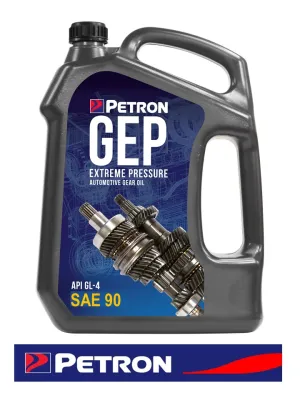
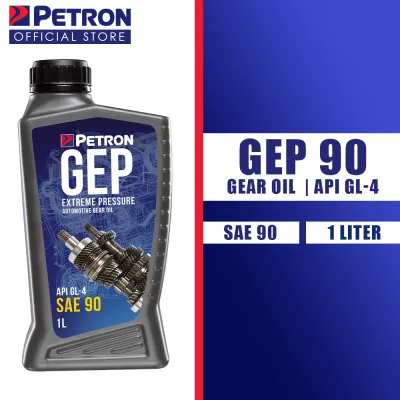
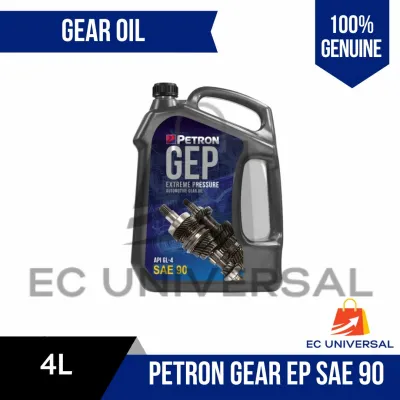
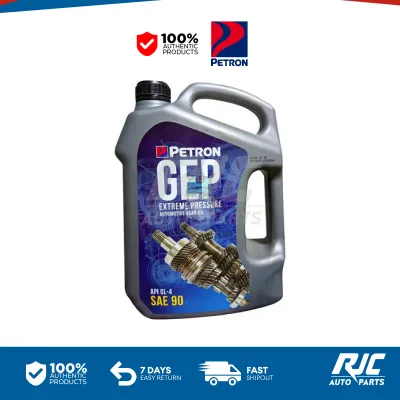
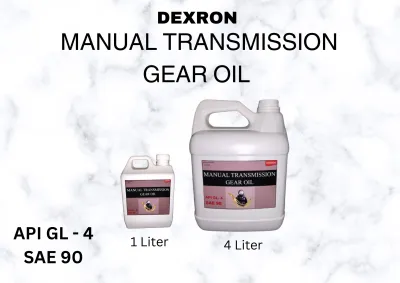
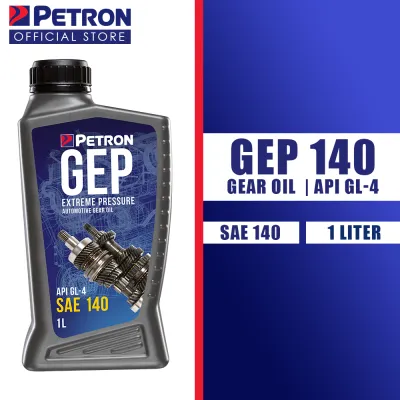
Prices are valid at publication and may change. Please refer to the product page for the latest price.
The viscosity number directly relates to the thickness of the protective oil film that coats the gear teeth. A higher number indicates a thicker oil film, which provides a robust barrier between moving metal parts. However, this thickness also means the oil flows more slowly compared to lower viscosity grades. Understanding this balance is key to ensuring that your vehicle’s gears receive adequate lubrication without causing unnecessary mechanical resistance.
How SAE 90 Gear Oil Protects Your Drivetrain
Inside your vehicle’s drivetrain, gears mesh together under immense pressure and high rotational speeds. SAE 90 gear oil protects these components by maintaining a stable oil film that prevents direct metal-to-metal contact. Under high-load and high-temperature operating conditions, such as hauling heavy cargo or driving through slow-moving traffic in tropical climates, the oil film must resist being squeezed out from between the gear teeth. The robust viscosity of a 90-grade oil ensures that this protective barrier remains intact, reducing friction and preventing severe wear like scuffing or pitting.

This grade of gear oil is typically utilized in heavy-duty differentials, manual transmissions, and non-synchronized gearboxes. These mechanical systems often feature hypoid gears, which experience a sliding action that requires highly durable lubrication. The thick film provided by SAE 90 oil is ideal for cushioning these gears against shock loads and continuous stress, helping to dissipate heat and protect internal seals from premature degradation.
Using the incorrect viscosity in these systems can lead to severe mechanical issues. If you use an oil that is too thin, the protective film may break down under load, leading to accelerated gear wear, elevated operating temperatures, and eventual component failure. Conversely, using an oil that is excessively thick can increase internal friction, which raises operating temperatures and forces the engine to work harder, ultimately reducing fuel efficiency.
SAE 90 vs. Other Common Gear Oil Grades
When selecting a lubricant, vehicle owners often compare single-grade SAE 90 with multi-grade options like 80W-90 or 75W-90. The primary difference lies in cold-start fluidity. While all three oils provide similar protection once the drivetrain reaches its normal operating temperature, the multi-grade options flow much faster when the vehicle is first started. In regions with moderate or cooler morning temperatures, a multi-grade oil ensures that the lubricant reaches critical gear components immediately upon startup, reducing initial wear.
Another common comparison is between SAE 90 and heavier grades like SAE 140. SAE 140 gear oil is significantly thicker and is reserved for extreme heavy-load applications, such as large commercial trucks, agricultural machinery, or vehicles operating continuously under severe stress. While it offers a thicker protective film, using SAE 140 in a passenger vehicle or light truck designed for SAE 90 can cause excessive drag, hard shifting, and poor heat dissipation.
It is vital to follow the original equipment manufacturer (OEM) viscosity specifications rather than assuming that a higher viscosity number automatically translates to better protection. Modern drivetrains are engineered with precise clearances and tolerances. Using a gear oil that deviates from the manufacturer’s recommendations can disrupt the delicate balance of lubrication, cooling, and mechanical efficiency within your gearbox or differential.
When to Use and When to Avoid SAE 90 Gear Oil
To determine whether SAE 90 is appropriate for your vehicle, always begin by verifying the OEM specifications in your owner’s manual. In addition to the viscosity grade, you must match the required API service classification, such as GL-4 or GL-5. GL-4 oils are typically formulated for manual transmissions with yellow metal synchronizers, while GL-5 oils contain extreme-pressure additives designed for highly stressed differentials. Using a GL-5 oil in a system that requires GL-4 can cause chemical damage to sensitive brass components.
Climate conditions also play a significant role in your decision. In tropical environments where temperatures remain consistently warm, the cold-start limitations of a single-grade SAE 90 oil are less of a concern than in colder regions. However, if your vehicle is subjected to cooler mountain climates or if you prefer the added security of rapid oil flow during morning startups, a multi-grade 80W-90 oil may be a more versatile choice.
You should plan to inspect and replace your gear oil according to the manufacturer’s recommended service intervals, or sooner if you observe signs of degradation. Common indicators that your gear oil needs replacement include abnormal whining or growling noises from the differential, difficulty shifting gears, or a burnt odor when checking the fluid. If you suspect a leak or notice metal shavings on the magnetic drain plug during an inspection, consult a qualified mechanic to assess the system before refilling it with fresh oil.
Frequently Asked Questions (FAQ)
Can I mix SAE 90 gear oil with 80W-90?
Mixing SAE 90 with 80W-90 is generally not recommended because it alters the final viscosity and can disrupt the balance of the additive packages. While both oils share a high-temperature viscosity rating of 90, mixing them can compromise the cold-flow characteristics of the multi-grade oil. To ensure optimal protection and performance, always consult your vehicle’s OEM manual and seek advice from a qualified mechanic before mixing different grades or brands of gear oil.
Is a higher viscosity number always better for gear protection?
No, a higher viscosity number is not always better. While thicker oil provides a more robust film under extreme loads, an excessively thick oil increases mechanical drag within the drivetrain. This drag leads to higher operating temperatures, reduced fuel efficiency, and hard shifting in manual transmissions. The most effective viscosity is always the specific grade recommended by your vehicle’s manufacturer for your operating conditions.
Community discussion
Share your experience or ask a question. Comments are reviewed before publication.