
Choosing the right gear for wet-weather riding is essential for safety, comfort, and health, especially when facing unpredictable tropical downpours. Among the various options on the market, a motorcycle raincoat rubberized design stands out as a highly reliable shield against heavy rain. This material is engineered specifically to prevent water from penetrating your clothing, even when riding at high speeds during the monsoon season.
At its core, rubberized material consists of a woven fabric base—typically polyester or nylon—coated with a continuous, solid layer of rubber, polyvinyl chloride (PVC), or specialized polyurethane polymers. This construction makes the material completely impermeable to water, allowing it to block torrential rain and high-velocity winds effectively. However, because the barrier is solid, it lacks breathability, meaning it can trap body heat and sweat during humid rides. Understanding this balance is key to deciding if rubberized gear fits your daily commuting needs.
Understanding the Composition of Rubberized Rain Gear
To appreciate how rubberized rain gear performs, it helps to understand its physical structure. Unlike standard fabrics that rely on tight weaves, rubberized materials use a distinct two-part construction method to achieve absolute water resistance.
Products mentioned in this guide

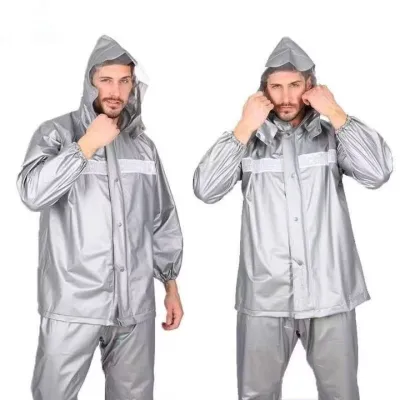

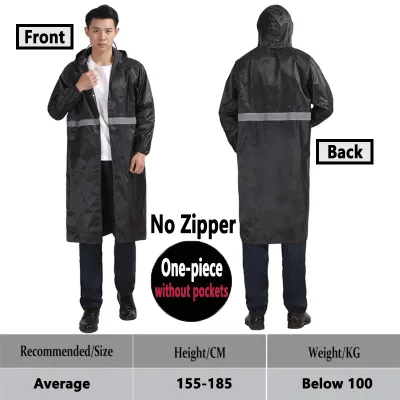
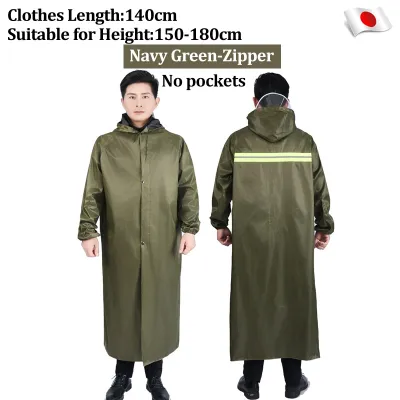
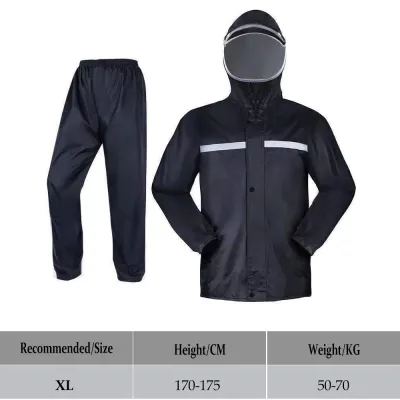
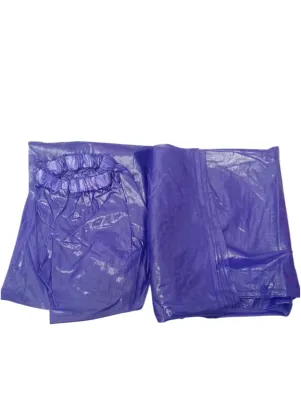
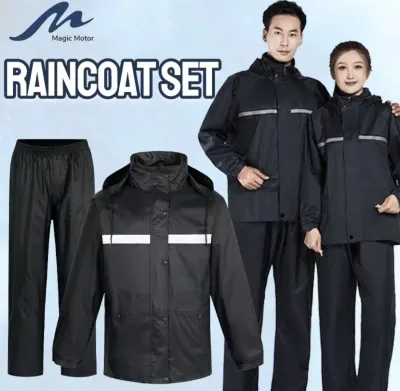
Prices are valid at publication and may change. Please refer to the product page for the latest price.
- The Inner Base Layer: This is the structural backbone of the raincoat, usually woven from high-tensile polyester or nylon fibers. This layer provides the necessary tear resistance, tensile strength, and flexibility, ensuring the garment does not rip easily when stretched over riding jackets or subjected to wind buffeting.
- The Polymer Coating: Applied directly to the base fabric, this layer consists of a continuous sheet of synthetic rubber, PVC, or heavy-duty polyurethane. This coating can be positioned on either the exterior or the interior of the garment, creating an unbroken physical barrier.
This continuous polymer coating blocks water penetration entirely because it contains no microscopic pores. In contrast, standard water-resistant jackets rely on woven fabrics treated with a chemical Durable Water Repellent (DWR) coating. While DWR treatments cause water to bead up and roll off initially, they are vulnerable to hydrostatic pressure and gradually wash off over time. A rubberized coating does not wear off through simple exposure to water, providing a permanent physical barrier that remains waterproof throughout its usable lifespan.
Rubberized Coatings vs. Breathable Membranes and Standard Nylon
When shopping for motorcycle rain gear, you will generally encounter three primary material categories. Each utilizes a different method to manage water entry and internal moisture, resulting in distinct performance profiles.

| Material Type | Waterproofing Mechanism | Breathability | Wind Resistance | Best Use Case |
|---|---|---|---|---|
| Rubberized Coating (PVC/Rubber on Polyester) | Continuous, non-porous polymer barrier sheet | None (traps body heat and sweat) | Excellent (blocks all wind penetration) | Heavy downpours, daily seated commuting, budget-conscious riders |
| Breathable Membrane (Microporous Laminates) | Microscopic pores that block liquid water but allow sweat vapor to escape | Moderate to High | Very Good | Long-distance touring, active riding, high-budget gear |
| Standard Nylon/Polyester (with DWR chemical treatment) | Tight fabric weave enhanced by a temporary hydrophobic chemical surface spray | Low to Moderate | Fair | Light showers, short neighborhood trips, emergency backup |
Standard uncoated nylon or polyester raincoats are lightweight and highly affordable, but they are only water-resistant. Under the pressure of riding at speed, water eventually forces its way through the microscopic gaps in the fabric weave, a process known as wetting out.
Breathable waterproof membranes use high-tech laminates with billions of microscopic pores per square inch. These pores are too small for liquid water droplets to pass through, but large enough to let sweat vapor escape. While this technology offers excellent comfort, garments featuring these membranes are highly expensive, often costing several thousand pesos, and require specialized washing to maintain their breathable properties.
Rubberized material sits as a highly practical, cost-effective alternative. While it does trap body heat and sweat—which can feel warm in high-humidity tropical climates—it excels at absolute water blocking. Because motorcycle commuting is generally a low-exertion, seated activity, the lack of breathability is often an acceptable trade-off for riders who prioritize staying completely dry from external rain at an affordable price point (typically ranging from ‛500 to ‛1,500).
Why Rubberized Material Excels in Heavy Rain and High-Speed Riding
Motorcycle riding subjects rain gear to physical forces that standard walking umbrellas or casual rain jackets are never designed to handle. The unique properties of rubberized material address these riding-specific challenges directly.
Wind and Rain Pressure
When riding at speeds of 60 km/h or higher, the kinetic energy of falling raindrops increases significantly upon impact. This creates high hydrostatic pressure on the front of your jacket, particularly on the chest, shoulders, and arms. Standard water-resistant fabrics fail under this pressure, allowing water to blow through the weave. Because a rubberized coating is a solid, non-porous sheet, it resists high hydrostatic pressure, preventing water from forcing its way through the fabric even during highway riding.
Windproofing and Thermal Retention
Riding in wet conditions introduces the risk of wind chill. When water saturates an outer garment, the passing wind causes rapid evaporative cooling, which can lower your core body temperature and lead to shivering, fatigue, and reduced reaction times. The impermeable nature of rubberized gear completely blocks wind penetration. By stopping the wind from reaching your inner clothing, it helps maintain stable body temperature during long, wet commutes.
Durability and Snag Resistance
The thick, rubberized outer layer provides a rugged shield against the elements. It resists minor road debris, dirt spray, and friction from backpack straps better than thin, lightweight nylon raincoats. However, it is important to note that while rubberized raincoats offer excellent weather protection, they do not feature impact armor or high-abrasion-resistant textiles. They should always be worn over dedicated armored riding gear to ensure proper safety in the event of a fall.
How to Clean and Store Rubberized Raincoats to Prevent Peeling
To get the longest life out of your rubberized motorcycle raincoat, you must care for it properly. The polymer coatings are highly durable against water, but they can degrade, peel, crack, or become sticky if exposed to improper cleaning agents, high heat, or poor storage habits.
Cleaning Instructions
Never put a rubberized raincoat into a washing machine or tumble dryer. The mechanical agitation, spinning, and heat can delaminate the rubberized coating from the fabric base, causing it to peel and crack.
- Step 1: Lay the raincoat flat on a clean surface or hang it up.
- Step 2: Wipe down the exterior with a soft sponge or microfiber cloth dipped in lukewarm water mixed with a small amount of mild liquid soap (such as dishwashing liquid or mild laundry detergent).
- Step 3: Avoid using harsh chemical detergents, bleach, fabric softeners, or solvents, as these chemicals break down the polymer chains in the rubber or PVC coating.
- Step 4: Rinse thoroughly with clean water to remove all soap residue.
Drying Instructions
Always air dry your raincoat in a well-ventilated, shaded area. Hang it on a wide, padded plastic hanger to distribute the weight evenly. Never expose the raincoat to direct, intense tropical sunlight for extended periods, and never use a hair dryer or tumble dryer. High heat and ultraviolet (UV) radiation accelerate the degradation of the polymer layer, making it brittle, prone to cracking, or excessively sticky.
Storage Instructions
Proper storage is critical to preventing premature wear, especially during the dry season when the gear is not used regularly.
- Avoid Tight Compression: Do not fold the raincoat tightly or compress it under heavy tools, locks, or spare parts inside your motorcycle top box or under-seat compartment (U-box). The combined pressure and heat inside these compartments can cause the folded rubberized surfaces to fuse together, leading to peeling when you try to unfold it.
- Roll Loosely: Instead of folding, roll the dry raincoat loosely and place it in a breathable storage bag.
- Hang When Possible: If you have space at home, hang the raincoat in a cool, dry closet away from direct heat sources.
- Pre-Season Check: Before the rainy season begins, inspect your raincoat for any signs of sticky residue, flaking, or delamination along the shoulders and underarms to ensure it is still fit for service.
Frequently Asked Questions (FAQ)
Is a rubberized raincoat completely waterproof?
While the rubberized fabric itself is entirely impermeable to water, a raincoat’s overall performance depends on its construction. Water can still enter through needle holes in unsealed seams, standard zippers, or open cuffs and collars. To ensure complete waterproof protection, look for rubberized raincoats that feature heat-sealed or taped seams, elasticized cuffs, and double storm flaps that cover the main zippers.
How long does a rubberized motorcycle raincoat last?
With proper care and storage, a high-quality rubberized raincoat typically lasts between one to three rainy seasons. Its lifespan is highly dependent on environmental exposure and how it is stored. If you notice the inner coating flaking off, the material becoming sticky to the touch, or water seeping through the fabric itself, the polymer coating has degraded, and the raincoat should be replaced to ensure you stay dry on the road.

Community discussion
Share your experience or ask a question. Comments are reviewed before publication.