
Blue coolant is not defined by its color alone, but by the specific chemical technology and corrosion inhibitors dissolved within it. While many drivers assume that matching the color of the fluid in their radiator is enough to ensure compatibility, the blue hue is simply a dye added by manufacturers. The true difference lies in whether the blue coolant uses Inorganic Additive Technology (IAT), Organic Acid Technology (OAT), or Hybrid Organic Acid Technology (HOAT) to protect the engine’s cooling system from corrosion, cavitation, and extreme temperatures.
In tropical climates like the Philippines, where high ambient temperatures and heavy traffic put constant thermal stress on car engines, choosing the correct coolant formulation is critical. Relying solely on visual cues can lead to severe cooling system failures. To keep your vehicle running efficiently, you must look past the dye and verify the underlying chemical specifications required by your vehicle manufacturer.
The Role of Color in Car Radiator Coolant
Coolant manufacturers add bright dyes to their products for several practical reasons, none of which are directly related to the fluid’s chemical performance. Primarily, these vibrant colors make it easier to locate the source of a cooling system leak. A bright blue puddle under your front bumper is a clear indicator of a cooling system compromise, distinguishing it from clear condensation from the air conditioning system or dark amber engine oil.
Products mentioned in this guide
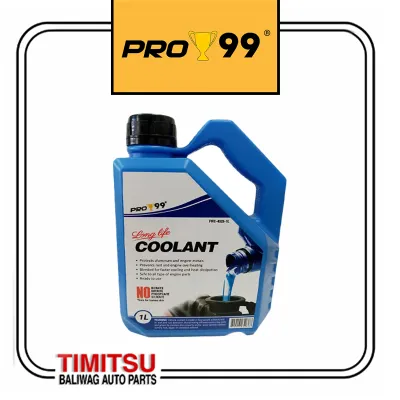
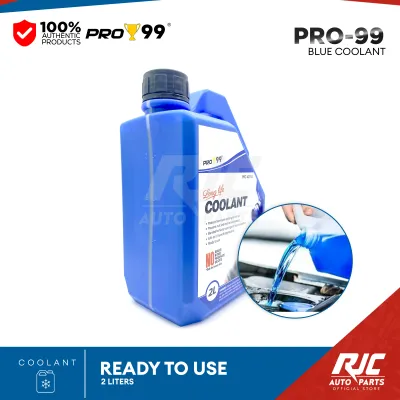
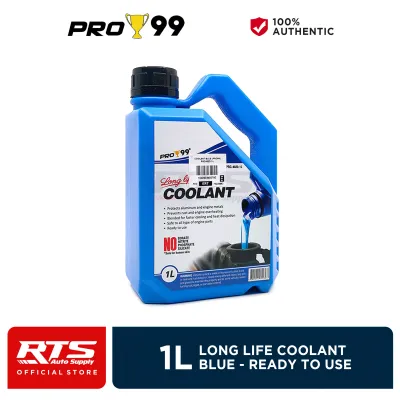
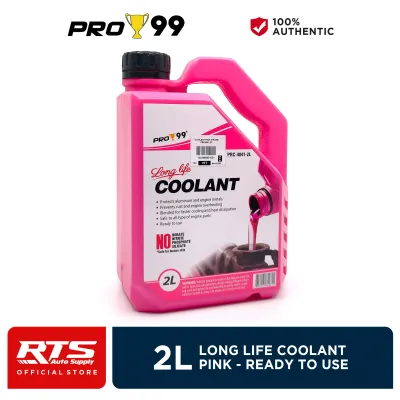
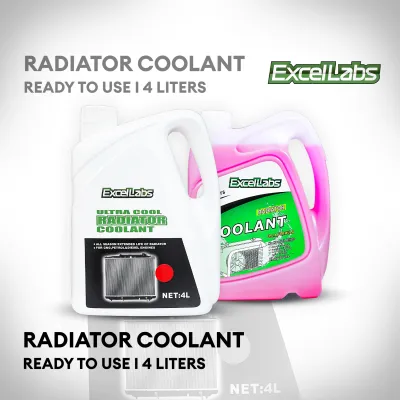
Prices are valid at publication and may change. Please refer to the product page for the latest price.
Additionally, these dyes serve as a safety warning. Ethylene glycol, the base fluid for most automotive coolants, is highly toxic if ingested. The bright, artificial coloring helps prevent accidental consumption by humans or pets. Some manufacturers also use specific colors to align with brand identity or to help service technicians quickly identify a product line during routine maintenance.
Despite these practical uses, there is no strict global industry standard linking specific colors to specific chemical technologies. A blue coolant from one brand might be a hybrid organic formulation designed for modern Asian vehicles, while a blue coolant from another manufacturer could be a traditional inorganic formula or a specialized heavy-duty fluid. Selecting a product based solely on visual matching rather than technical specifications carries a high risk of introducing incompatible chemicals into your radiator.
Common Technologies Behind Blue Coolant Formulations
To understand what makes a blue coolant unique, you must look at the corrosion inhibitors blended into the ethylene glycol base. Traditional Inorganic Additive Technology (IAT) formulations rely on fast-acting mineral inhibitors like silicates and phosphates. These minerals coat the metal surfaces inside the cooling system to prevent rust. While IAT fluids are highly effective at protecting older engines with copper and brass radiators, they deplete rapidly and typically require frequent replacement.

Modern blue coolants are more commonly formulated using Organic Acid Technology (OAT) or Hybrid Organic Acid Technology (HOAT). OAT formulations use organic acids to provide long-lasting corrosion protection, primarily for aluminum and iron components. These formulas do not contain silicates or phosphates, making them highly stable over extended periods. Many European and Asian vehicle manufacturers specify OAT or HOAT fluids to prevent the buildup of mineral scale on sensitive engine sensors.
HOAT formulations combine organic acids with a small amount of inorganic inhibitors to offer immediate protection alongside long-term durability. For example, many blue coolants designed for Japanese and Korean vehicles are Phosphated HOAT (P-HOAT) formulas, which utilize phosphates to protect aluminum components quickly. Conversely, some European blue coolants are Silicated HOAT (Si-OAT) formulas. Because these sub-types contain different chemical packages, you must read the product label for chemical classifications and original equipment manufacturer (OEM) approvals rather than relying on the fluid’s blue hue.
How to Verify Coolant Compatibility for Your Vehicle
Ensuring your vehicle receives the correct coolant requires a systematic verification process. Your first step should always be to consult the vehicle owner’s manual. Navigate to the maintenance, capacities, or specifications section to locate the exact fluid requirements. The manual will list specific industry standards, such as ASTM D3306, or proprietary automaker certification codes that the coolant must meet.
Once you have the required specification code, inspect the back label of the coolant bottle before purchasing. Reliable manufacturers print a list of compatible OEM specifications and industry standards directly on the packaging. If a blue coolant bottle does not explicitly list your vehicle’s required specification code, do not use it, regardless of how closely the color matches the fluid currently in your reservoir.
Next, determine whether the product is pre-diluted or concentrated. Pre-diluted coolants, often labeled as 50/50 ready-to-use, are pre-mixed with demineralized water and can be poured directly into the system. Concentrated coolants must be mixed with distilled water, typically in a 50:50 ratio, before installation. Using the incorrect mixing ratio can compromise the fluid’s boiling point and corrosion protection.
Working on a vehicle’s cooling system carries inherent safety risks. Never open a radiator cap or coolant reservoir cap while the engine is hot or running. The system operates under high pressure, and opening it prematurely can cause boiling liquid and steam to spray out, resulting in severe burns. Always allow the engine to cool completely, which may take several hours. If you are unsure of the existing fluid type, cannot locate your manual, or do not have the tools to perform a clean installation, consult a qualified mechanic or an authorized dealership service department.
Consequences of Mixing Incompatible Coolant Technologies
Mixing different coolant technologies in your radiator can trigger adverse chemical reactions. When the inorganic inhibitors in one formula interact with the organic acids of another, they can precipitate out of the liquid solution. This reaction often forms a thick, abrasive sludge or a gel-like blockage that settles in the lowest points of the cooling system.
This sludge restricts the flow of coolant through the narrow passages of the radiator core and the heater core. Without adequate fluid circulation, the engine cannot shed heat efficiently, leading to localized hot spots and a high risk of overheating. Furthermore, the abrasive particles in the precipitated sludge can erode the water pump impeller and damage the internal seals, leading to premature pump failure and coolant leaks.
When the active corrosion inhibitors react and neutralize each other, the metal surfaces inside your engine lose their protective barrier. This leaves aluminum cylinder heads, cast iron blocks, and solder joints vulnerable to rapid corrosion and pitting. Over time, this degradation can lead to head gasket failures and costly structural engine damage.
If you suspect that incompatible coolants have been mixed in your vehicle, a simple drain-and-fill is insufficient. The gel and sludge deposits must be thoroughly cleared from the system. A complete professional cooling system flush is necessary to remove all chemical contaminants and restored scale before refilling the radiator with a single, compatible coolant technology.
Frequently Asked Questions (FAQ)
Can I top up my radiator with blue coolant if it currently has green?
No, you should not top up a green coolant system with blue coolant unless you have verified that both products share the exact same chemical technology and OEM specifications. Traditional green coolants are typically IAT formulas, while blue coolants are often HOAT or OAT formulas. Mixing these different chemical packages can cause the corrosion inhibitors to react, forming a thick sludge that can clog your radiator and cause the engine to overheat. If you need to switch colors or technologies, perform a complete system flush first.
Does blue coolant last longer than traditional green coolant?
Yes, modern blue coolants formulated with HOAT or OAT technology generally have a significantly longer service life than traditional green IAT coolants. While traditional green coolants typically require replacement every two years or 40,000 kilometers due to rapid inhibitor depletion, modern blue HOAT or OAT formulations are designed as extended-life fluids. These can often protect a system for up to five years or 100,000 kilometers or more. Always verify the specific service interval recommended by your vehicle manufacturer and the coolant producer.
Is it safe to use distilled water to dilute concentrated blue coolant?
Yes, distilled or deionized water is the only recommended water type for diluting concentrated blue coolant. Tap water, well water, and bottled drinking water contain dissolved minerals such as calcium, magnesium, and iron. When subjected to the high temperatures inside an engine, these minerals precipitate out of the water, forming hard scale deposits on the internal walls of the radiator and engine block. This scale acts as an insulator, reducing heat transfer efficiency and eventually clogging the cooling passages.
Community discussion
Share your experience or ask a question. Comments are reviewed before publication.