
When riding a motorcycle on Philippine roads, your helmet is your primary line of defense against severe head injuries. The Import Commodity Clearance (ICC) and Philippine Standard (PS) marks—often discussed alongside regional standards like the Product Standards Board (PSB) mark—serve as critical indicators that a helmet has undergone essential quality and safety evaluations. Understanding what these stickers represent, how they are verified, and how they compare to international standards is vital for every rider aiming to stay both legally compliant and physically protected.
Riding in the Philippines means facing intense heat, sudden downpours, high humidity, and dense urban traffic. These environmental factors can degrade helmet materials over time, making it even more crucial to understand the baseline standards that govern your protective gear. Choosing a certified helmet is not just about avoiding fines from traffic enforcers; it is about ensuring that the shell, liner, and retention system can perform reliably when you need them most.
Understanding the PSB and ICC Certification Marks
The ICC and PS marks are official seals issued by the Bureau of Philippine Standards (BPS) under the Department of Trade and Industry (DTI). For imported helmets, the ICC sticker indicates that the specific batch of imported goods has successfully passed the required safety and quality audits before being distributed in the local market. The PS mark is typically issued to manufacturers whose production processes consistently meet national standards.
Products mentioned in this guide
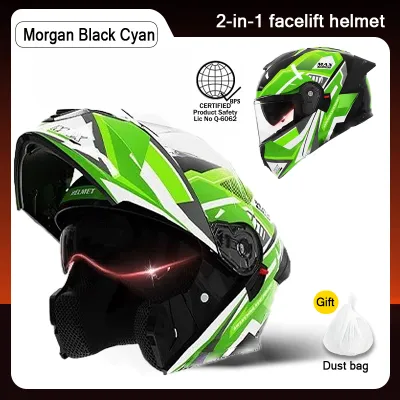
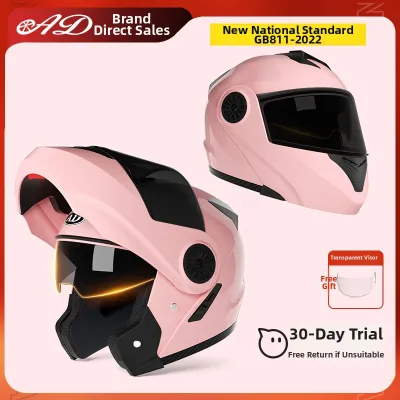
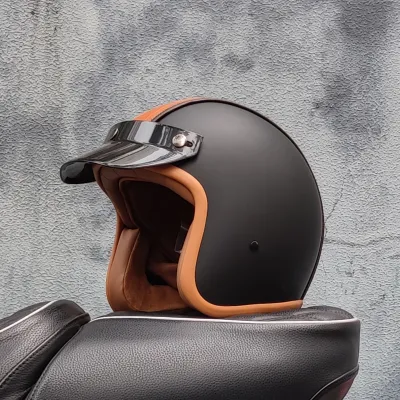
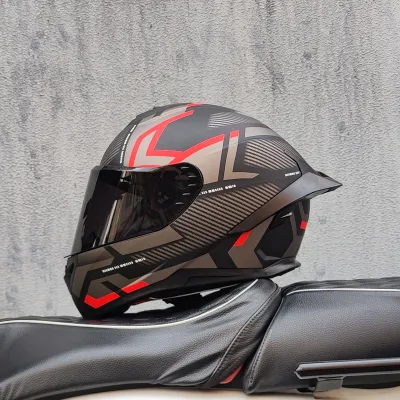
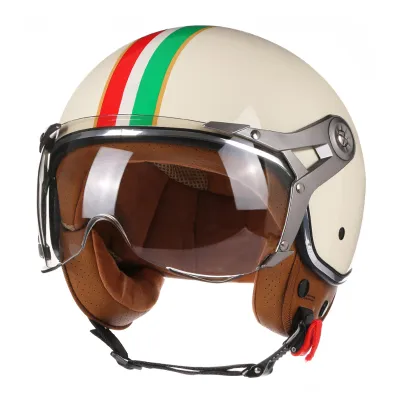
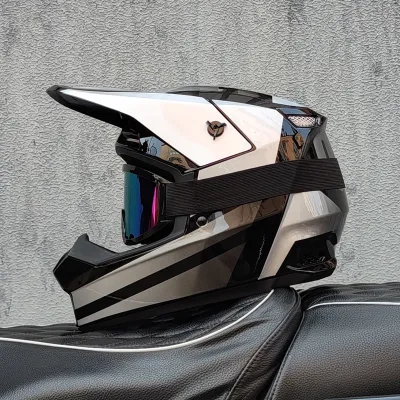
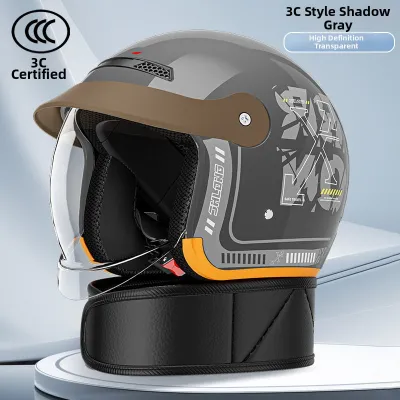
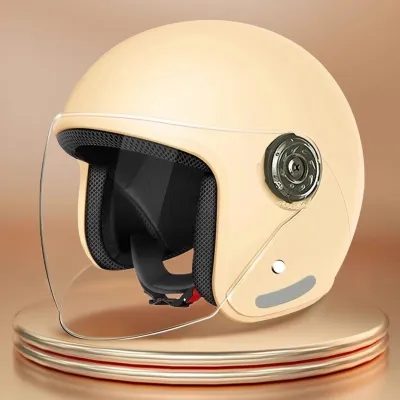
Prices are valid at publication and may change. Please refer to the product page for the latest price.
In regional contexts, you might also encounter the PSB mark, which represents the Product Standards Board certification from Singapore. Because many high-quality helmets are distributed across Southeast Asia, seeing a PSB mark alongside local certifications is common. Together, these marks indicate that the helmet has met minimum local and regional testing criteria, including critical evaluations for impact absorption, penetration resistance, and chin strap strength.
From a legal standpoint, riding on public roads in the Philippines with a non-certified helmet is a direct violation of land transportation laws. Traffic authorities require riders to wear helmets that bear these valid, untampered stickers. Failing to do so can result in hefty fines and confiscation of the gear. More importantly, riding without a certified helmet means you are operating with unverified protection, exposing yourself to extreme risk during a collision.
How Local Certifications Translate to Real-World Protection
While having a sticker on your helmet satisfies legal requirements, it is essential to understand what that certification actually does for you in a real-world crash. Baseline certifications ensure that the helmet provides a minimum threshold of head protection during standard commuting impacts. The testing protocols verify that the outer shell can distribute the force of an impact and that the expanded polystyrene (EPS) liner can compress sufficiently to absorb energy, reducing the shock transmitted to your brain.

However, a certification sticker is not a blanket guarantee of absolute safety. Riders must look beyond the exterior sticker and check the manufacturer’s specific testing conditions, material specifications, and expiration dates printed on the permanent interior labels. Over time, exposure to sweat, hair oils, tropical humidity, and UV rays can degrade the protective EPS liner and the outer shell. Most manufacturers recommend replacing a helmet after a certain number of years from the manufacture date, regardless of its certification status.
Furthermore, physical inspection is paramount. A certified helmet that has sustained a drop or been involved in a minor accident may look perfectly intact on the outside, but its internal structure could be compromised. The EPS liner is designed to deform permanently upon impact to absorb energy; once it has done so, it cannot protect you a second time. Always inspect your helmet for hairline cracks, loose padding, or a compromised retention system, and ensure the helmet fits snugly without shifting when you shake your head.
Comparing Local Marks with International Standards
When shopping for a motorcycle helmet, you will likely encounter various international certification marks alongside local stickers. The most common include the Department of Transportation (DOT) standard from the United States, the Economic Commission for Europe (ECE) standard, and the Snell Memorial Foundation certification. Each of these represents a distinct testing framework with its own set of criteria for impact speeds, drop heights, anvil shapes, and penetration tests.
For instance, the ECE 22.06 standard involves rigorous testing at multiple impact points, rotational acceleration measurements, and accessory testing, making it highly regarded globally. The DOT standard is a self-certification system where manufacturers test their own products to meet federal guidelines, subject to random government testing. Snell certification is a voluntary, highly stringent standard often favored for racing, focusing on sequential impacts and high-energy absorption. While these international standards are excellent indicators of high-quality engineering, riders in the Philippines must still ensure that the helmet carries the legally required local ICC or PS mark to remain compliant with local laws.
To make the best decision, match your typical riding environment with the appropriate certification level. If your daily route consists of low-speed city commuting through congested streets, a helmet meeting standard local and DOT requirements may suffice. However, if you frequently engage in high-speed highway touring or long-distance riding, investing in a helmet that carries both ECE certification and local marks offers a higher tier of protection. Always verify these standards by checking the permanent fabric labels sewn into the helmet’s comfort liner or chin strap.
How to Verify Helmet Certifications Before You Buy
With the market flooded with various riding gear options, counterfeit safety stickers have become a significant concern. To protect yourself, you must know how to verify a helmet’s certifications before handing over your hard-earned money. Start by conducting a thorough physical inspection. Genuine ICC or PS stickers are typically tamper-evident, high-quality decals that do not peel off easily. They often feature unique serial numbers, holographic elements, or specific color gradients that are difficult to replicate.
Next, look inside the helmet. Legitimate manufacturers sew permanent labels directly into the comfort liner or print them clearly on the EPS liner beneath the padding. These labels should display the manufacturer’s name, model designation, size, date of manufacture, and the specific international standards the helmet meets. If you notice mismatched model information between the helmet’s interior label, the exterior sticker, and the retail packaging, treat it as a major red flag.
If you are purchasing from an online marketplace or are unsure about a physical store’s inventory, consult the manufacturer’s official website or contact authorized local distributors. Reliable brands maintain updated lists of certified models and authorized dealers. Taking the extra time to verify these details ensures that you are purchasing a genuine, safety-tested product rather than a cheap imitation that could fail when you need it most.
Frequently Asked Questions (FAQ)
Can I legally ride with a helmet that only has an ICC sticker?
Yes, riding with a helmet that bears a valid ICC sticker is legally acceptable in the Philippines, as the ICC mark indicates that the imported helmet has cleared the necessary local safety and quality inspections. However, you must ensure that the sticker is genuine and corresponds to the specific helmet model. It is always wise to check current local traffic regulations and ensure your helmet also features the manufacturer’s permanent safety labels to guarantee both legal compliance and actual physical protection on the road.
Does a higher price guarantee better safety certifications?
A higher price tag does not automatically guarantee superior safety certifications, as all legally sold helmets must meet the same baseline safety standards to obtain an ICC or PS mark. Higher-priced helmets often reflect premium materials like carbon fiber or fiberglass, advanced aerodynamics, better ventilation, reduced wind noise, and enhanced comfort features. To ensure you are getting the best protection for your budget, focus on verifying the actual certification labels (such as ECE or Snell) and checking the manufacturer’s specifications rather than relying on price alone.
Community discussion
Share your experience or ask a question. Comments are reviewed before publication.