
Selecting the right arm panel cover for your motorcycle requires balancing structural durability, aerodynamic design, and precise model compatibility. Often referred to as a leg shield, front inner panel, or wind deflector depending on your motorcycle’s design, this accessory serves as a critical barrier between you and the road. It is not merely a cosmetic add-on; a well-chosen panel protects your lower body from high-velocity road debris, channels harsh winds away from your legs, and shields you from sudden tropical downpours.
To make an informed purchase, you must look beyond surface aesthetics and evaluate how the cover’s material, mounting architecture, and aerodynamic profile match your specific riding habits. In markets like the Philippines, where motorcycles face extreme heat, high humidity, and intense seasonal monsoons, choosing a substandard panel can lead to premature warping, cracking, or even dangerous detachment at high speeds. Understanding the technical specifications of these accessories ensures your investment enhances both your safety and riding comfort.
Defining Your Riding Needs and Protection Goals
Before browsing online marketplaces or visiting local accessory shops, you must define what you expect your arm panel cover to achieve. The primary roles of this component are multifaceted. For scooter riders, a front inner panel or leg shield acts as a primary wind deflector, minimizing rider fatigue during long highway commutes by reducing the constant blast of air against the thighs and torso. On standard motorcycles and underbones, these covers also serve to deflect road spray, mud, and loose gravel kicked up by your front tire or surrounding traffic.
Products mentioned in this guide
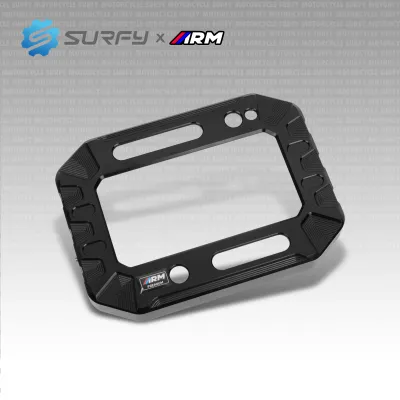
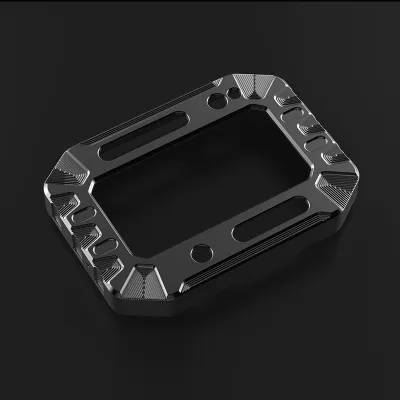
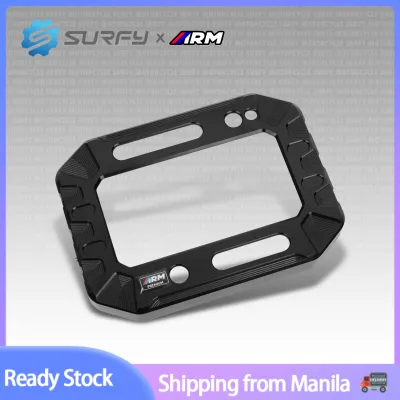
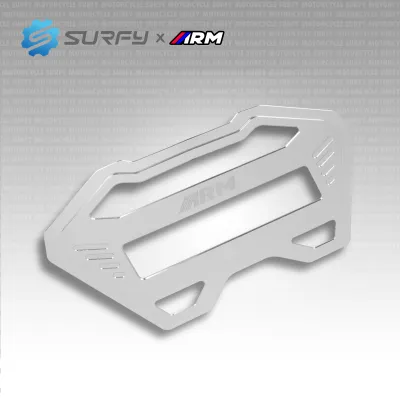
Prices are valid at publication and may change. Please refer to the product page for the latest price.
Your typical riding environment in the Philippines should dictate the level of protection you prioritize. If your daily route consists of slow-moving, stop-and-go traffic in highly congested urban zones like Metro Manila, heat management and lightweight debris protection are your main concerns. In these slow, humid environments, a heavy or overly restrictive panel can trap engine heat around your legs. Conversely, if you frequently travel along open highways or provincial roads where speeds are higher and road surfaces are less predictable, you will require a robust, impact-resistant shield that can withstand flying stones and high-velocity wind pressure without flexing.
It is vital to distinguish between purely aesthetic upgrades and functional protective gear. While carbon-fiber patterns and aggressive, angular designs look appealing, they offer little value if the underlying material is thin or brittle. A functional arm panel cover must prioritize structural integrity and weather shielding over cosmetic trends. Choosing a panel solely based on style without verifying its protective capabilities can leave you vulnerable to road hazards and require frequent replacements when the accessory fails to handle daily wear and tear.
Evaluating Material Options for Tropical Climates
The material composition of your arm panel cover directly determines its lifespan, impact resistance, and appearance under harsh environmental conditions. The most common materials used in manufacturing these panels are ABS plastic, polycarbonate, and fiberglass, each presenting distinct physical characteristics:

- ABS Plastic (Acrylonitrile Butadiene Styrene): This is the industry standard for most OEM and high-quality aftermarket fairings. ABS plastic offers an excellent balance of rigidity, tensile strength, and impact resistance. It is relatively lightweight and can be molded into complex aerodynamic shapes. However, standard ABS can become brittle if exposed to prolonged UV radiation without proper surface treatment.
- Polycarbonate: Renowned for its exceptional impact strength, polycarbonate is virtually shatterproof. It is highly flexible, allowing it to absorb significant energy from road debris without cracking. This material is often used for transparent or semi-transparent deflectors. The primary trade-off is that polycarbonate is more susceptible to surface scratching and is generally more expensive than ABS.
- Fiberglass: Typically found in custom or low-volume aftermarket panels, fiberglass is highly rigid and can be repaired relatively easily if damaged. However, it lacks the flexibility of polymers and can crack or splinter under sharp, localized impacts. It is also heavier and requires manual finishing, which can lead to inconsistencies in fitment.
Operating a motorcycle in a tropical climate requires materials that can endure intense UV exposure, extreme humidity, and sudden temperature shifts. Prolonged exposure to the tropical sun can trigger photo-degradation in low-grade plastics, leading to fading, chalking, and a severe loss of structural flexibility. To prevent your panel from becoming brittle and cracking along its mounting points, look for products that explicitly specify the inclusion of UV-resistant coatings or UV-stabilized polymer blends.
You should exercise extreme caution when encountering unbranded, exceptionally cheap arm panel covers. These budget-friendly options are frequently manufactured from recycled or low-grade plastics that lack basic stabilizing additives. Under high ambient temperatures and engine heat, these substandard materials can warp, losing their original shape and causing mounting brackets to pull loose. More dangerously, they are prone to shattering upon impact, turning road debris or minor drops into hazards that produce sharp, flying plastic shards. Always check the manufacturer’s product labels, material safety data sheets, or technical specifications for verified weather-resistance ratings rather than relying on generic marketing terms.
Verifying Model-Specific Fitment and Mounting Points
When purchasing any structural body component for your motorcycle, verifying precise compatibility with your specific vehicle is non-negotiable. You should strongly avoid “universal” arm panel covers. Because every motorcycle model features a unique frame geometry, steering angle, and fairing layout, a universal cover is a compromise that rarely fits securely. An ill-fitting panel can create severe aerodynamic drag, rattle excessively at moderate speeds, or, in worst-case scenarios, detach entirely while riding, creating an immediate danger to you and other motorists.
To guarantee a safe fit, always check the exact make, model, and manufacturing year of your motorcycle against the accessory manufacturer’s official fitment chart. Even minor mid-generation model refreshes can introduce subtle changes to mounting hole locations, fairing contours, or cable routing. A panel designed for a 2024 model may not align correctly with a 2026 version of the same motorcycle, leading to structural stress if you force the bolts into place.
A high-quality arm panel cover should utilize your motorcycle’s original equipment manufacturer (OEM) mounting holes and bracket designs. Opting for a direct bolt-on installation ensures that the load is distributed across the chassis as the engineers intended. Avoid accessories that require irreversible modifications, such as drilling new holes into your original fairings or welding custom brackets to the frame. These modifications can permanently compromise the structural integrity of your motorcycle’s bodywork and may void your manufacturer’s warranty.
Before finalizing your purchase or taking your first ride, you must verify that the installed panel allows for a full steering lock. Turn your handlebars completely to the left and right to ensure that the panel does not pinch, rub, or restrict the movement of the steering column, front forks, or control cables. Any contact between the arm panel cover and your steering assembly can severely restrict your maneuverability, making tight turns and emergency swerves highly dangerous.
Assessing Weather Deflection and Impact Resistance
The physical shape and structural design of an arm panel cover dictate how effectively it manages airflow and absorbs physical impacts on the road. Aerodynamic contouring is critical; a well-designed panel should feature curved surfaces that channel oncoming wind, rain, and road spray outward and away from your legs. If a panel is too flat or angled incorrectly, it can act as a sail, catching the wind and creating dangerous lifting forces or front-end instability at high speeds. Properly engineered aerodynamics ensure that the vehicle remains stable even when passing large trucks or riding in strong crosswinds.
To evaluate a panel’s physical strength, inspect its thickness and the structural design of its inner surface. High-quality panels generally feature a material thickness of at least 2.5mm to 4mm, depending on the material used. Look for molded structural ribbing on the backside of the panel. These raised ribs add significant rigidity, preventing the cover from flexing or vibrating under wind pressure without requiring an excessively thick, heavy sheet of plastic. Adding too much weight to the front fork or steering assembly can slow down steering response, so balancing panel thickness with structural design is essential.
Safety must also be integrated into the physical edges of the panel. Ensure that all outer edges are smooth, beveled, or finished with a soft rubber trim. In the event of a slide, minor collision, or sudden stop, sharp or unfinished plastic edges can act as blades, causing severe lacerations to your legs, knees, or arms. Rounded or rubber-trimmed borders significantly reduce this risk by distributing impact forces across a wider, softer surface area.
Installation Methods and Long-Term Maintenance
Securing your arm panel cover properly is just as important as choosing the right material. When evaluating installation methods, always prioritize mechanical fastening over non-mechanical alternatives:
- Mechanical Fastening (Bolt-on): This method uses steel bolts, rubber well-nuts, and metal brackets to anchor the panel directly to the motorcycle's frame or inner fairing structure. It is the only reliable method for primary structural panels, as it resists the constant vibrations, wind shear, and temperature fluctuations encountered during daily riding.
- Non-Mechanical Fastening (Adhesive/Velcro): While double-sided acrylic foam tapes or heavy-duty hook-and-loop fasteners are convenient for small cosmetic trim pieces, they should never be used as the primary mounting system for large arm panel covers. The high humidity and intense heat of tropical climates will rapidly degrade adhesive backings, causing the panel to sag, shift, or fly off at high speeds.
Once you have installed the panel, perform a comprehensive safety check before taking the motorcycle onto public roads. Refer to your motorcycle’s workshop manual to ensure all mounting bolts are torqued to the correct specifications. Over-tightening can crack the plastic around the mounting holes, while under-tightening will lead to bolts backing out due to engine vibration. Conduct a low-speed test ride in a controlled area, listening closely for any unusual rattles or vibrations, and re-inspect the mounting hardware afterward to confirm everything remains tight.
Maintaining your arm panel cover is straightforward but requires the right products to preserve its structural integrity and finish. When cleaning, always rinse the panel thoroughly with clean water first to wash away loose grit, sand, and dust. Wiping a dry, dirty panel will cause the abrasive particles to leave micro-scratches, which will gradually dull the surface and degrade the plastic. Use a soft microfiber cloth and a mild, label-authorized motorcycle wash or mild automotive soap.
Never use household glass cleaners, dishwashing liquids, or harsh chemical solvents like gasoline, kerosene, or acetone on your panels. These chemicals can strip away protective UV coatings, cause ABS plastic to become brittle, and permanently cloud or craze transparent polycarbonate shields. If your installation requires any modification to your motorcycle’s original fairings, structural brackets, or electrical wiring—such as relocating turn signals or routing auxiliary lights—always consult a qualified motorcycle mechanic to ensure the work is completed safely and legally.
Frequently Asked Questions (FAQ)
Will adding an arm panel cover affect my motorcycle's handling or weight balance?
Yes, adding any accessory to the front of your motorcycle can alter its handling, but the extent depends entirely on the product’s design. High-quality, model-specific arm panel covers are engineered to be lightweight and aerodynamically neutral, ensuring they do not disrupt your vehicle’s original handling characteristics. However, if you install an excessively heavy, poorly contoured, or oversized universal panel, it can catch crosswinds, create front-end lift, or slow down your steering response. Choosing a properly engineered, model-specific cover is essential to maintain stability and safety at highway speeds.
How do I clean and maintain the panel without scratching the surface?
To clean your arm panel cover without scratching it, always start by rinsing the surface thoroughly with clean water to remove abrasive road grit and dust. Once the loose debris is gone, gently wipe the panel using a clean, wet microfiber cloth and a dedicated motorcycle plastic cleaner or mild automotive soap. Avoid using household glass cleaners, abrasive sponges, or harsh chemical solvents, as these can strip away protective UV coatings, damage the plastic structure, and cause transparent panels to become permanently cloudy or yellowed. Always follow the care instructions provided by the panel manufacturer.
Community discussion
Share your experience or ask a question. Comments are reviewed before publication.