
Protecting your Honda ADV 160 requires a clear understanding of how aftermarket accessories safeguard your engine components. When shopping for a honda adv 160 crank case cover, you must prioritize precise model compatibility, high-quality materials that withstand tropical heat, and a design that offers adequate physical coverage without compromising ground clearance. The unique adventure-style build of this scooter means it is frequently exposed to diverse road conditions, from loose gravel on weekend rides to deep puddles and debris during the rainy season in the Philippines. Choosing the right cover involves evaluating how a product balances impact protection with heat dissipation and ease of installation.
Investing in a dedicated crankcase cover is a practical step to prevent costly repairs. The engine casings on modern scooters are lightweight but can be vulnerable to sharp impacts from road debris, low-speed drops, or scraping against high curbs. By understanding what to look for in terms of coverage, material composition, and installation requirements, you can make an informed decision that keeps your motorcycle running smoothly and looking its best.
Understanding Crankcase Cover Types and Coverage Areas
Before purchasing a crankcase cover, you must determine which engine components need protection based on your typical riding environment and exposure risks. The Honda ADV 160 features a distinct engine layout that places critical components close to the ground. The left side of the machine houses the continuously variable transmission (CVT) casing, while the right side contains the stator, water pump, and radiator assembly. Each of these areas faces different types of hazards during daily operation.
Products mentioned in this guide
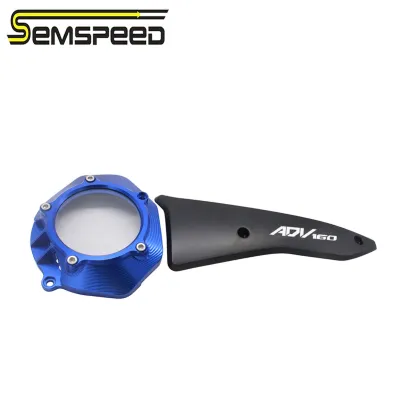
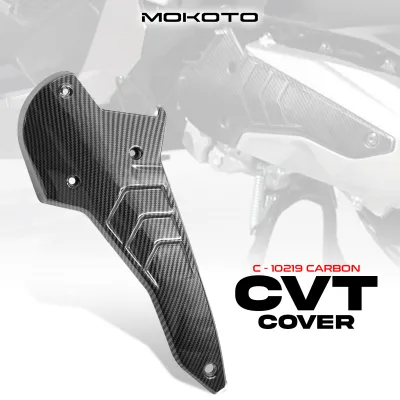
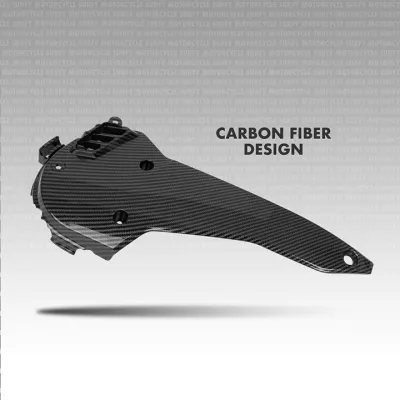
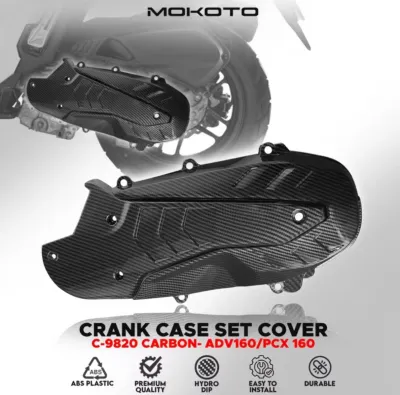
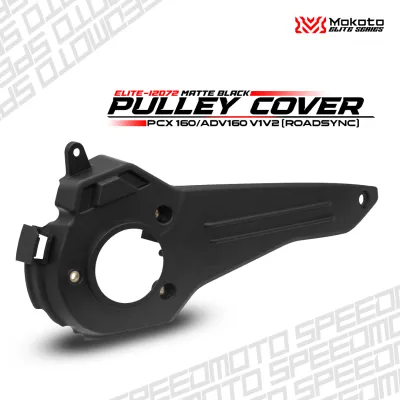
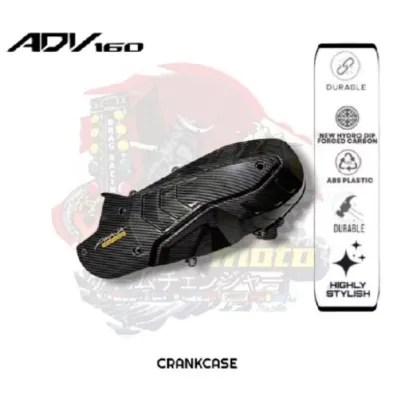
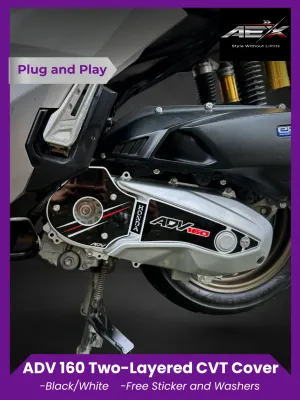
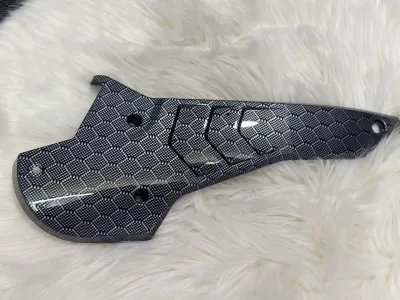
Prices are valid at publication and may change. Please refer to the product page for the latest price.
When browsing available accessories, you will find a distinction between full engine guards, slider-style covers, and individual casing protectors. Full engine guards, often consisting of tubular steel crash bars, wrap around the lower section of the scooter to provide a wide perimeter of safety. While these offer excellent protection against major drops, they also add significant weight and can slightly reduce your banking angle during tight cornering. If you primarily navigate congested urban streets, a bulky guard might limit your ability to filter through traffic easily.
Slider-style covers and individual casing protectors offer a more streamlined alternative. These components bolt directly onto or over the existing factory casings, shielding specific high-impact zones without adding unnecessary bulk. For the Honda ADV 160, the left-side CVT cover and the right-side water pump are the most critical exposure zones. A targeted protector shields these aluminum surfaces from cosmetic scratches and structural cracks if the scooter tips over on a concrete driveway or slides on loose gravel.
Every design choice involves a trade-off between physical coverage, ground clearance, and weight. A thick, heavy-duty shield provides maximum defense against flying rocks on unpaved roads but can trap dirt and mud underneath, requiring more frequent cleaning. Conversely, a minimalist slider keeps the scooter light and agile but leaves larger areas of the engine casing exposed to cosmetic wear. Reviewing your daily routes will help you decide whether you need heavy-duty armor or lightweight cosmetic protection.
Evaluating Materials and Build Quality
Comparing material options using manufacturer specifications is essential to balance impact resistance, weight, and heat dissipation. The most common materials used for aftermarket crankcase covers are CNC-machined aluminum, stainless steel, and high-density polymers. Each material behaves differently under stress and environmental exposure, making it important to read the product labels carefully before making a choice.

CNC-machined aluminum is highly favored for its excellent strength-to-weight ratio and precise manufacturing tolerances. Because these covers are carved from a solid block of metal, they lack the internal air pockets and weak points often found in cheap cast-metal alternatives. When evaluating aluminum covers, look for anodized surface treatments. Anodization creates a durable, corrosion-resistant oxide layer that prevents the metal from degrading when exposed to the high humidity, heavy rainfall, and salty coastal air common in the Philippines.
Stainless steel is another robust option, offering exceptional resistance to deep gouges and abrasive wear. It is highly durable but is heavier than aluminum and can retain heat longer if the cover lacks proper ventilation. If you choose a stainless steel protector, ensure it features a high-quality powder-coated or painted finish to prevent rust from forming along the edges and mounting holes over time.
High-density polymers, such as polyoxymethylene (POM) or specialized nylon composites, are frequently used for the sliding elements of a cover. These materials are engineered to slide along the pavement during a fall, absorbing and dispersing the kinetic energy of the impact rather than transferring the force directly to the fragile engine casing. Many premium covers combine a CNC-machined aluminum base with a replaceable polymer slider to offer the best of both worlds.
Additionally, you should check manufacturer claims regarding vibration dampening. Because the single-cylinder engine of the Honda ADV 160 naturally produces vibrations, a metal cover bolted directly to the engine without any dampening features can rattle. This constant movement can lead to annoying noises and, more importantly, can gradually wear down the factory threads on your engine block. Look for products that include rubber gaskets, O-rings, or dampening pads to isolate the cover from direct engine vibrations.
Verifying Fitment and Installation Requirements
Ensuring the selected cover matches your specific motorcycle model year is critical to avoid installation headaches and potential engine damage. A common mistake is assuming that accessories designed for the older Honda ADV 150 will fit the newer ADV 160. The ADV 160 utilizes a completely redesigned four-valve eSP+ engine, which features a different crankcase shape, bolt pattern, and overall dimension compared to its predecessor. Always cross-reference the product’s stated compatibility list with your exact model year before finalizing your purchase.
You must also identify potential clearance issues with other accessories you may have installed. If your scooter is equipped with aftermarket exhaust systems, full-body crash bars, or modified center stands, the routing of these parts might interfere with a new crankcase cover. For instance, aftermarket exhaust pipes often run very close to the right-side engine casing. A thick crankcase cover might touch the hot exhaust pipe, leading to melted plastic components, scorched anodized finishes, or structural stress on the mounting points.
Reviewing the installation diagrams and required tools before buying will help you determine if you can complete the job yourself. Most individual casing protectors utilize existing factory bolt holes, meaning you do not need to drill into your engine. However, these factory bolts often secure critical engine gaskets that keep oil and coolant sealed inside. Removing these bolts requires care to prevent fluid leaks or gasket misalignment.
Always observe the safety boundary when working on your motorcycle’s engine fasteners. Refer to your original vehicle service manual for the correct torque specifications for every bolt you remove and replace. Over-tightening a bolt can easily strip the soft aluminum threads of the engine block, resulting in an expensive and complicated repair. Under-tightening, on the other hand, can allow the bolts to back out due to engine vibration, leading to oil leaks or the cover falling off while riding. If you do not own a calibrated torque wrench or feel uncomfortable handling structural engine fasteners, it is highly recommended to have the cover installed by a qualified professional mechanic.
Building Your Shortlist and Making the Final Decision
To ensure you receive a safe, compatible, and durable product, you should prioritize purchases from official brand stores, authorized dealerships, or reputable online marketplaces. Avoid unbranded, suspiciously cheap covers found on generic e-commerce platforms. These low-cost alternatives often use inferior cast alloys that can shatter upon impact, potentially sending sharp metal fragments into your engine casing and causing catastrophic failure.
When shopping on online marketplaces, take the time to read verified buyer reviews and look at user-uploaded photos. Pay close attention to feedback regarding fitment accuracy, color fading, and whether the included hardware is of good quality. Cheap mounting bolts can rust quickly or strip during installation, so knowing if other buyers had to purchase separate high-tensile bolts is valuable information.
Verify the seller’s return policies and warranty terms before checking out. Because minor manufacturing variances can occur, having a clear return policy ensures you can exchange the part if the bolt holes do not align perfectly with your engine casing. A reputable manufacturer or distributor will stand behind their product with a clear warranty against material defects and finish degradation.
Finally, compare the total costs in Philippine Pesos (₱), keeping in mind that the cheapest option is not always the most cost-effective. Factor in the purchase price, shipping fees to your specific province, and the potential cost of professional installation at a local shop. Spending a bit more on a high-quality cover that includes premium mounting hardware, clear instructions, and reliable customer support can save you from the stress of dealing with stripped threads, oil leaks, or premature rust down the road.
Frequently Asked Questions (FAQ)
Do crankcase covers affect engine cooling or performance?
Yes, poorly designed crankcase covers can potentially affect engine cooling if they block essential airflow around the engine casings. The right side of the Honda ADV 160 houses the radiator and cooling fan, which rely on unobstructed air circulation to keep the engine operating within safe temperature limits. When choosing a cover, look for products that feature built-in ventilation cutouts, cooling fins, or mesh designs on the product label to ensure adequate airflow.
After installing any aftermarket engine accessory, it is wise to monitor your digital instrument panel’s temperature indicator during your first few rides. If you notice the engine running hotter than usual, especially during slow-moving traffic in hot weather, inspect the cover to ensure it is not trapping excessive heat or blocking the radiator intake. Choosing a well-ventilated design from a reputable manufacturer minimizes the risk of overheating.
Can I install a crankcase cover myself without voiding the warranty?
Whether a DIY installation affects your warranty depends on the specific terms outlined in your Honda warranty booklet and how the cover is mounted. Generally, installing bolt-on cosmetic accessories does not void the overall vehicle warranty. However, if the installation requires removing structural engine bolts, altering factory mounting points, or if an improper installation leads to an oil leak or stripped threads, any resulting damage will not be covered under warranty.
To protect your investment, read the warranty guidelines carefully regarding aftermarket modifications. If the installation process involves critical engine casing bolts, it is highly recommended to consult an authorized Honda service center. Having an authorized technician perform the installation or verifying compatibility with them beforehand ensures your warranty remains intact and the work is completed to factory standards.
Community discussion
Share your experience or ask a question. Comments are reviewed before publication.