
Selecting a replacement speedometer gearbox for your Yamaha Mio Sporty requires careful attention to component compatibility, environmental durability, and mechanical alignment. Because the speedometer system relies on precise physical gear engagement to translate wheel rotation into dashboard readings, buying a mismatched or low-quality part will lead to immediate mechanical failure. To ensure a successful repair, you must look for an exact match of the original equipment manufacturer (OEM) specifications, durable weather-sealed housing that can withstand tropical road conditions, and a drive configuration that aligns perfectly with your front wheel hub.
Signs You Actually Need a Speedometer Gearbox Replacement
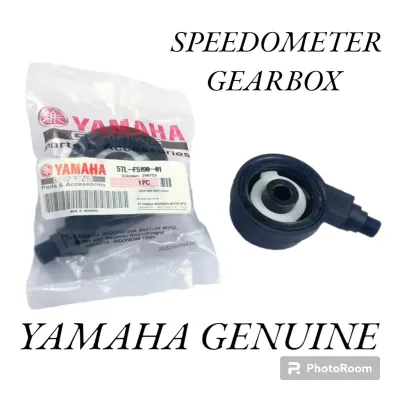
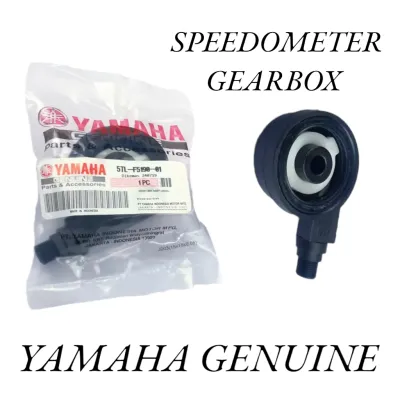
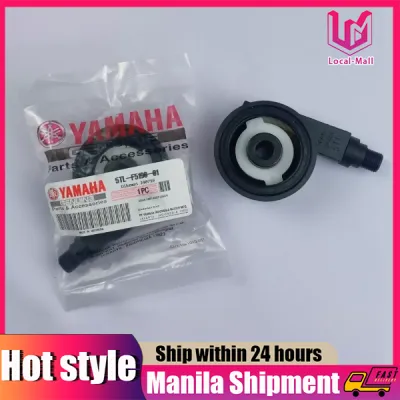
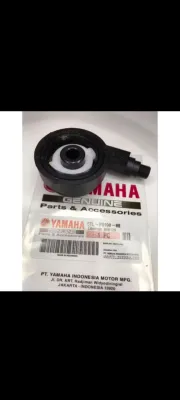
The speedometer gearbox, often referred to as the speedometer drive gear, is a small but critical component mounted directly onto the front wheel axle of your Yamaha Mio Sporty. Its primary function is to translate the physical rotation of the front wheel into a rotational force that spins the inner core of the speedometer cable. This spinning motion travels up the cable to the instrument cluster, where it drives the mechanical needle to display your current speed and records your mileage on the odometer. Inside the gearbox, a small nylon or metal worm gear meshes with a larger drive gear. In many designs, the internal gear is intentionally made of high-grade plastic to act as a sacrificial part, protecting the more expensive metal wheel hub from damage if the speedometer cable ever seizes.
When this gearbox begins to fail, the symptoms are usually immediate and highly noticeable. The most common sign is a completely dead speedometer needle that remains resting at zero even while you are cruising down the highway. Alternatively, you might observe the needle jumping erratically or fluttering wildly across the dial, which indicates that the internal gears are slipping, have lost several teeth, or are failing to maintain consistent contact due to worn bushings.
Products mentioned in this guide
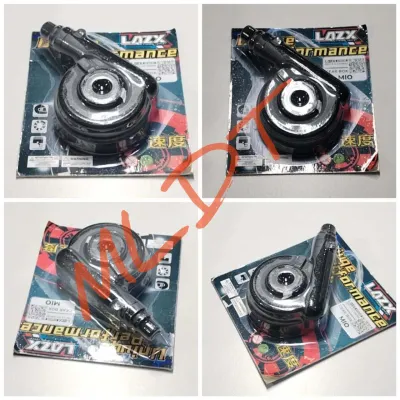
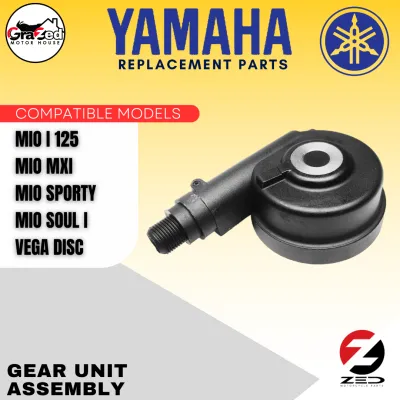
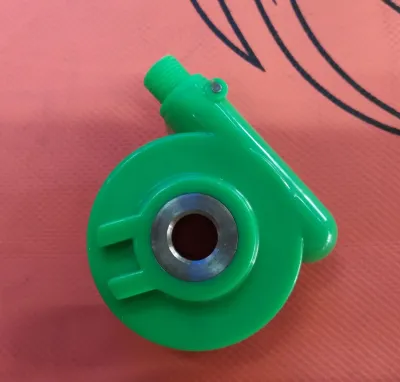
Prices are valid at publication and may change. Please refer to the product page for the latest price.
Another physical symptom of a failing drive gear is an unusual grinding, clicking, or squeaking noise emanating directly from the front wheel hub area. This noise occurs when the internal worm gears lose their lubrication, allowing metal-on-metal friction or causing stripped plastic teeth to bind and skip against the drive ring. Ignored over time, this friction can generate heat that damages the surrounding wheel hub components or the rubber wheel seals.
Before purchasing a replacement gearbox, you should perform a simple diagnostic procedure to isolate the root cause of the failure. Start by elevating the front wheel of your scooter using the center stand, ensuring the wheel can spin freely off the ground. Disconnect the speedometer cable at the upper end where it attaches to the back of the instrument cluster.
With the cable disconnected, manually spin the front wheel forward while watching the exposed inner core of the cable. If the inner cable spins smoothly and consistently as the wheel turns, both your speedometer gearbox and the cable are functioning correctly, pointing to a faulty dashboard gauge.
If the inner cable does not spin, disconnect the lower end of the cable from the speedometer gearbox housing. Manually pull the inner wire core out of the cable sheath to inspect it for breaks, severe rust, or kinks. If the cable core is completely intact and unbroken, yet fails to rotate when connected to the spinning wheel, the internal gears of the speedometer gearbox are stripped or the wheel hub’s drive ring is damaged.
Critical Specifications and Compatibility Factors
To ensure a replacement speedometer gearbox fits and functions correctly on your Yamaha Mio Sporty, you must verify several precise technical dimensions and mechanical interfaces before making a purchase.

OEM Part Number Matching The most reliable way to guarantee compatibility is to cross-reference the original equipment manufacturer (OEM) part number. For the Yamaha Mio Sporty, the official parts catalog lists specific part numbers for the speedometer gear assembly. You should locate this number stamped on the old housing or consult an official Yamaha service manual matching your scooter’s exact model year. Do not assume that a gearbox labeled generally for “Yamaha Mio” will fit, as different generations and variants use distinct hub configurations.
Gear Teeth Count and Pitch Inside the speedometer gearbox is a worm gear assembly that meshes with a metal drive ring locked into the front wheel hub. The number of teeth on these gears and their pitch—the spacing and angle of the teeth—must match your wheel hub’s specifications exactly. If you install a gearbox with a mismatched teeth count, the gears will not mesh properly, causing them to bind and strip within the first few meters of riding.
Drive Tang and Slot Configuration The top portion of the gearbox features a threaded collar and an internal slot where the speedometer cable’s drive tang inserts. This drive tang is typically a square-ended or flat-bladed metal tip. You must verify that the internal slot of the replacement gearbox matches the shape and dimensions of your existing cable end. A loose or mismatched fit will cause the cable to slip under load, resulting in erratic speedometer readings or rapid wear of the cable end.
Housing Material and Sealing Riding conditions in the Philippines expose your motorcycle to extreme humidity, heavy monsoon rains, and occasional flooded streets. Consequently, the material of the gearbox housing and the quality of its seals are paramount. Look for a gearbox constructed from high-grade aluminum or zinc alloy, which offers superior corrosion resistance compared to cheap, brittle pot metals. Furthermore, ensure the unit features robust rubber dust and water seals. These seals prevent road grime, sand, and water from entering the gear chamber, which would otherwise quickly degrade the internal lubricant and destroy the gears.
Mounting Bracket Alignment The speedometer gearbox housing is designed with a specific external tab, notch, or bracket that must lock securely into a corresponding stopping boss on the front fork leg or axle assembly. This mechanical lock prevents the entire gearbox housing from spinning along with the wheel axle. Before finalizing your purchase, compare the physical shape and orientation of this mounting tab on the replacement unit with your original gearbox to ensure it will align perfectly with your Mio Sporty’s fork leg.
OEM vs. Aftermarket: Choosing the Right Replacement
When shopping for a replacement speedometer gearbox, you will generally choose between genuine OEM Yamaha parts and aftermarket alternatives, each presenting distinct trade-offs in terms of cost, durability, and reliability.
Genuine Yamaha (OEM) Parts Opting for a genuine Yamaha OEM replacement guarantees that the part meets the exact metallurgical standards, gear tolerances, and sealing specifications of your original scooter. OEM gearboxes provide the highest level of long-term reliability and perfect out-of-the-box fitment, making them the safest choice for daily commuters who rely heavily on their vehicles. Genuine parts are typically available through authorized Yamaha 3S shops or official brand distributors, with prices generally ranging from ₱400 to ₱800.
Reputable Aftermarket Brands High-quality aftermarket gearboxes from established motorcycle parts manufacturers offer a practical alternative, especially if you are working within a tight budget or if OEM parts are temporarily out of stock. Reputable aftermarket brands design their components to closely mimic OEM standards and often include basic warranties. These mid-range options typically cost between ₱150 and ₱350, providing a balanced compromise between initial savings and functional durability.
Red Flags to Avoid You should exercise extreme caution when browsing online marketplaces or local budget shops that offer unbranded, generic speedometer gearboxes for suspiciously low prices, such as under ₱100. These ultra-cheap units often suffer from poor casting quality, thin metal housings prone to cracking under torque, and fragile internal plastic gears that strip almost immediately. Additionally, they frequently lack adequate rubber seals, allowing water and road grit to enter the housing and cause rapid rust and mechanical seizure.
Verification Tips When purchasing from online marketplaces or third-party retailers, always read verified buyer reviews carefully. Focus on feedback that specifically mentions the longevity of the part and its fitment accuracy on the Mio Sporty, rather than generic comments praising fast delivery times. Look for reviews from riders who have used the part for several months to ensure it can withstand real-world road conditions.
Pre-Installation Checks and Safety Boundaries
Replacing a speedometer gearbox involves working directly with your motorcycle’s front wheel assembly, which directly impacts your riding safety. It is critical to perform several pre-installation checks and observe strict safety boundaries during the process.
Speedometer Cable Inspection Before mounting your new gearbox, thoroughly inspect the entire length of your speedometer cable. Check the outer vinyl sheath for cracks, deep kinks, or areas melted by engine heat. Remove the inner wire core, wipe it clean, and check for frayed metal strands or severe rust. If the inner core is dry, apply a light coat of multi-purpose grease before sliding it back in. A binding, rusted, or bent cable will create high rotational resistance, which will quickly strip the gears of your brand-new gearbox. If the cable shows any signs of structural damage, replace it alongside the gearbox.
Wheel Hub and Seal Check With the front wheel removed, inspect the wheel hub’s internal drive ring and the front wheel oil seal. The drive ring has metal tabs that engage with the speedometer gearbox; if these tabs are bent, cracked, or worn down, they must be carefully straightened or replaced. Additionally, inspect the wheel bearings for any gritty feeling or play, and ensure the rubber oil seal is soft and intact to prevent water from entering the wheel hub.
Lubrication and Assembly Proper lubrication is vital to prevent premature wear of the new components. Apply a generous amount of water-resistant lithium grease or heavy-duty chassis grease to the internal gears of the new gearbox, the drive tang interface, and the tip of the speedometer cable. This lubrication reduces friction, dampens operating noise, and acts as an additional barrier against moisture intrusion.
Safety and Torque Limits Because this repair requires removing and reinstalling the front wheel, you must prioritize mechanical safety. Always refer to your Yamaha Mio Sporty’s official service manual for the correct torque specification for the front axle nut. Tightening the axle nut without a torque wrench poses severe risks: under-tightening can cause the axle to work loose while riding, while over-tightening can crush the wheel bearing spacers, damage the new speedometer gearbox housing, or cause the front wheel to lock up unexpectedly.
When to Stop and Consult a Professional If you encounter a seized front axle, notice damaged threads on the axle bolt, find that your wheel bearings are severely worn, or do not possess a reliable torque wrench and stable motorcycle jack stands, do not attempt to complete the installation yourself. Operating a motorcycle with improperly installed front wheel components carries extreme safety risks. Stop the DIY process immediately and consult a qualified professional motorcycle mechanic to perform the installation safely.
Frequently Asked Questions (FAQ)
Can I use a speedometer gearbox from a Mio Soul or Mio i 125 on my Sporty?
No, you should not assume that speedometer gearboxes are interchangeable across different Yamaha Mio models. While the Mio Sporty, Mio Soul, and Mio i 125 belong to the same broader model family, they utilize different front fork designs, wheel hub dimensions, and gear teeth counts. Installing a gearbox designed for a Mio i 125 on a Mio Sporty will often result in physical misalignment, incorrect speed readings due to different gear ratios, or a complete failure of the gears to mesh. Always purchase a part specifically designated for the Mio Sporty or verify matching OEM part numbers.
Do I need to replace the speedometer cable when changing the gearbox?
You do not automatically need to replace the speedometer cable every time you replace the gearbox, but doing so is highly recommended if the cable is old or worn. To determine if your current cable is still usable, remove the inner wire core and inspect it for rust, fraying, or kinks. Roll the inner core between your fingers; if it feels stiff, binds, or has rough spots, it should be replaced. A damaged or binding cable will place excessive strain on the new gearbox’s internal gears, leading to premature failure.
Why is my new speedometer gearbox making a clicking noise after installation?
A clicking noise immediately after installation usually indicates that the internal gears are not meshing correctly or are slipping. This can happen if the drive tabs on the wheel hub’s drive ring were not properly aligned with the slots on the new gearbox during assembly, causing them to skip and hit each other. Other common causes include a lack of proper grease inside the gearbox housing, a severely bent speedometer cable that is binding and forcing the gears to jump, or a loose front axle nut that is allowing the gearbox housing to wobble. Stop riding immediately and inspect the alignment and lubrication of the assembly to prevent stripping the new gears.
Community discussion
Share your experience or ask a question. Comments are reviewed before publication.