
Driving through a sudden tropical downpour in the Philippines can quickly reduce visibility to dangerous levels, especially when your windshield wipers struggle to clear sheets of water clinging to the glass. To choose the right rain protection car care product, you must evaluate the specific vehicle surfaces you want to protect, compare the durability and application effort of different hydrophobic formulas, and verify the compatibility and performance indicators listed on the product label. Relying solely on standard car washes often leaves your vehicle vulnerable to water spots and poor wet-weather visibility. By understanding how different water repellents interact with your car’s exterior, you can maintain a clear view of the road and protect your vehicle’s surfaces from environmental degradation.
Do You Actually Need a Dedicated Rain Protection Product?
You need a dedicated rain protection product if your current car wash or wax routine fails to prevent water from pooling on your windshield or paint, or if you notice poor visibility during light rain. Observing how water behaves on your vehicle’s surfaces after a standard wash is the most reliable way to determine if your current protection has degraded. When water flatly pools on the glass or paint instead of forming tight, round droplets, it indicates that the surface has high surface tension, allowing water to cling and obscure your view.
Standard car wash soaps are designed primarily to lift dirt and grime, and while some contain basic gloss enhancers, they rarely leave a lasting hydrophobic barrier. Traditional carnauba waxes provide excellent depth of shine and moderate water-beading on paint, but they are not formulated for glass and can cause severe wiper smearing if applied to the windshield. Dedicated rain repellents, on the other hand, use specialized silicones, polymers, or fluorinated compounds engineered specifically to maximize the water contact angle on glass or paint, forcing water to bead up and roll off rapidly under wind pressure.
Products mentioned in this guide
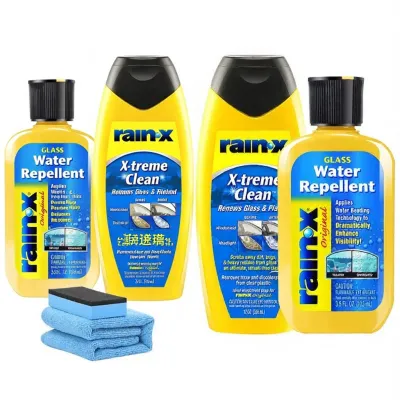
205 Lazada user ratings
After applying the coating, the glass has no ice sticking, and there's no oil film—it's super clear. On rainy days, it feels like you're fly…Read full reviewShow less
After applying the coating, the glass has no ice sticking, and there's no oil film—it's super clear. On rainy days, it feels like you're flying when you speed up. It's a really comfortable product that's worth recommending!
I finally got the exact style I've been wanting! It’s much better than I expected. After using it, the glass is incredibly bright and clean—…Read full reviewShow less
I finally got the exact style I've been wanting! It’s much better than I expected. After using it, the glass is incredibly bright and clean—the rain just slides off so well I don't even need my wipers. Great product!
I tried this out on the passenger side window to see how it would work, and it actually works! I'll see how long it lasts and update later. …Read full reviewShow less
I tried this out on the passenger side window to see how it would work, and it actually works! I'll see how long it lasts and update later. Giving it five stars for now!
The quality is great and easy to use. very effective sa windshield and car windows. Also, it is very effective.
Very good, I'm satisfied with the results. Highly recommend purchasing.
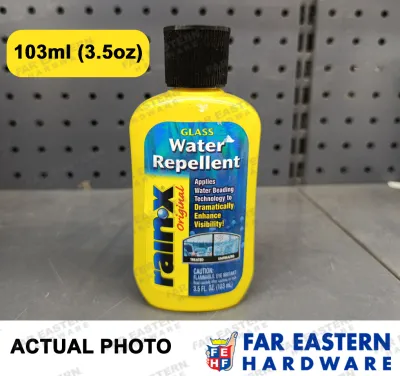
137 Lazada user ratings
Durable water-repellent layer, Essential for rainy days, High-performance formula. good but the rain still stays on the windshield. i think …Read full reviewShow less
Durable water-repellent layer, Essential for rainy days, High-performance formula. good but the rain still stays on the windshield. i think i need something more
Fast delivery but the bottle cap has damage. Haven’t tried but hope it works well. Essential for rainy days,
Item was delivered quickly and undamaged. I love Rain-X! It is a must for driving here in the Philippines!
Hindi po maayos pagka package, tumapon po yung liquid, kalahati/half na lang natira sa. Sad☹️
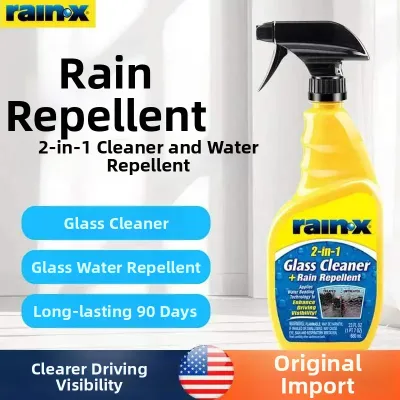
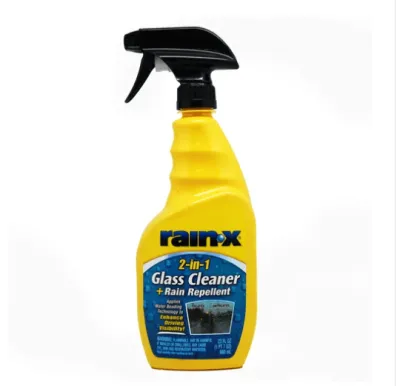
84 Lazada user ratings
Clears and repels rainwater effectively, Makes driving in the rain easier, Makes driving in the rain easier, Keeps glass clean and streak-fr…Read full reviewShow less
Clears and repels rainwater effectively, Makes driving in the rain easier, Makes driving in the rain easier, Keeps glass clean and streak-free, Convenient 2-in-1 solution, Improves safety on the road, Enhances driving visibility in wet weather,
Enhances driving visibility in wet weather, Water beading technology is impressive, good safety idea.
good goodEasy to use and apply, Clears and repels rainwater effectively,
Clears and repels rainwater effectively,
Nice product excellent
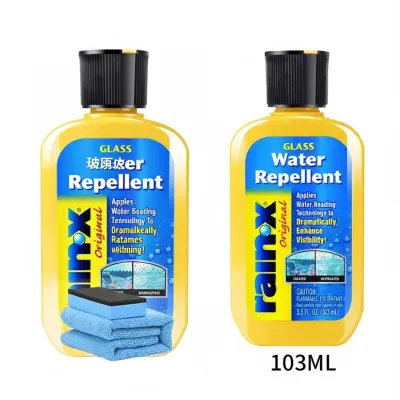
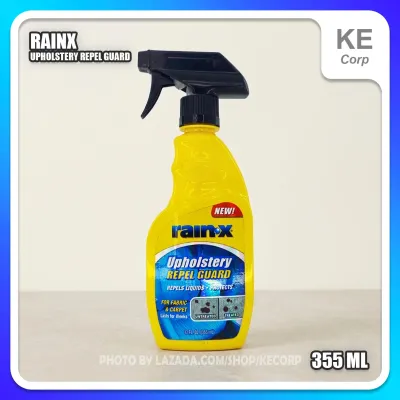
Prices are valid at publication and may change. Please refer to the product page for the latest price.
Signs of degraded protection are easy to spot during daily driving. If you notice your windshield wipers leaving hazy trails that take several seconds to clear, or if water forms a continuous sheet across your field of vision during a downpour, your existing surface protection has failed. Upgrading to a specialized hydrophobic treatment ensures that water is swept away quickly, reducing your reliance on high-speed wiper settings and improving your reaction time in hazardous driving conditions.
Which Surfaces on Your Car Require Specific Water Repellent Treatments?
Different vehicle surfaces require highly specialized hydrophobic formulations because a product designed to bond with glass can damage exterior plastics, rubber seals, or paint. You must match the product’s chemical composition to the specific surface material as authorized by the manufacturer’s label. Applying a glass-specific repellent to your car’s paintwork can lead to unsightly streaking or chemical etching, while applying a paint sealant to your windshield can cause your wiper blades to chatter and skip.

Windshield and glass treatments are engineered to chemically bond with the silica in glass, creating an ultra-smooth, microscopic barrier that allows water to slide off effortlessly. These formulations must withstand the constant friction of wiper blades without peeling or smearing. Conversely, paint-safe hydrophobic coatings, such as synthetic sealants or ceramic sprays, are designed to bond with the clear coat of your vehicle, offering protection against UV rays, bird droppings, and water spots without compromising the paint finish.
Exterior trim pieces, such as black plastics, chrome accents, and rubber window seals, have unique porosities and chemical sensitivities that require careful attention. Many glass and paint repellents contain solvents that can dry out rubber or leave permanent white chalky residues on textured plastics. Always check the product packaging to verify if it is safe for multi-surface use, and establish a strict rule to stop and consult your vehicle owner’s manual or a professional detailer if a product’s compatibility with your specific trim materials is unclear.
How Do Different Types of Hydrophobic Products Compare for Your Needs?
Choosing between different hydrophobic products requires balancing your available application time and surface preparation tools against the manufacturer’s expected durability. Spray-on sealants offer quick, frequent application with minimal effort, while ceramic-based or silica-infused coatings provide long-lasting protection but demand rigorous surface decontamination. Understanding these trade-offs allows you to select a product that fits your lifestyle and maintenance preferences.
Spray-on and wipe-off sealants are highly popular for their ease of use, making them ideal for car owners who prefer a quick addition to their weekly or monthly washing routine. These products can often be applied to a wet or dry surface during the drying phase of a car wash, providing instant water beading with very little physical effort. However, their durability is relatively short, meaning you will need to reapply them frequently to maintain optimal water-repellent performance, especially during active rainy seasons.
Ceramic-based or silica-infused (SiO2) coatings represent the higher end of the durability spectrum, offering robust protection that can withstand months of environmental exposure. The trade-off lies in the complexity of the application process, which requires meticulous surface preparation, including clay bar decontamination, polishing to remove existing water spots, and an alcohol-based surface wipe to ensure proper bonding. If you lack the time, specialized tools, or a covered area free from dust and moisture to perform this extensive preparation, a simpler spray sealant will yield better, streak-free results.
What Performance Indicators Should You Check on the Product Label?
To verify a product’s true capabilities, you must look past marketing buzzwords and check specific label indicators such as surface compatibility, safety warnings, and the manufacturer’s stated curing times. Understanding how these specifications translate to real-world performance helps you set realistic maintenance expectations before making a purchase. Manufacturers often use technical terms to describe how their products interact with water, and knowing how to interpret these claims prevents disappointment.
One key indicator is the water contact angle, which describes how round a water droplet remains when resting on the treated surface. A higher contact angle, typically above 100 degrees, indicates a highly hydrophobic surface where water beads up into tight spheres that roll off easily at lower driving speeds. You should also check the label for specific curing instructions, as many high-performance coatings require several hours of dry, dust-free curing time before they can be exposed to moisture or rain.
Safety warnings and compatibility limitations are critical details that should never be overlooked on the packaging. Ensure the product is compatible with modern automotive safety features, such as rain sensors or camera systems mounted behind the windshield, as some thick coatings can interfere with their optical clarity. Always verify the recommended application temperature range and safety gear requirements, such as wearing protective gloves or working in a well-ventilated area, to ensure a safe and successful application.
How Do You Match the Product to Your Maintenance Routine and Local Climate?
You can match a rain protection product to your routine by aligning its application requirements with the high humidity, heavy seasonal rainfall, and road grime typical of the local climate. Environmental factors like intense tropical heat and moisture can significantly alter how a product cures and bonds to your vehicle’s surfaces. In the Philippines, where sudden downpours and high ambient humidity are common, selecting a product that cures quickly or requires minimal dry time is highly advantageous.
If your maintenance routine involves washing your car every weekend, a user-friendly spray sealant or hydrophobic wash booster can easily be integrated into your schedule to maintain a constant barrier against heavy rains. For those who prefer a “set-and-forget” approach, investing the initial effort into a durable ceramic glass coating before the start of the monsoon season ensures continuous visibility without the need for frequent reapplications. You must also consider how often you use your windshield wipers, as frequent wiper usage in heavy rain will naturally wear down glass treatments faster, requiring targeted touch-ups on the windshield.
Proper surface preparation must always be planned around your local weather conditions to avoid application failure. High humidity can slow down the flashing and curing times of certain liquid sealants, leading to persistent hazing or uneven coverage if wiped off too early or too late. To achieve the best bond, apply these treatments in a shaded, well-ventilated area during the cooler parts of the day, ensuring the surface is completely cool to the touch and free of any residual moisture before you begin.
Community discussion
Share your experience or ask a question. Comments are reviewed before publication.