
To keep your Isuzu diesel engine running smoothly, you must use the correct engine oil viscosity grade. For most modern Isuzu diesel engines operating in the tropical climate of the Philippines, manufacturers generally recommend viscosity grades such as 15W-40, 10W-30, or 5W-30. The optimal choice depends on your specific engine model, production year, and whether the vehicle is equipped with modern emissions control systems.
Using the correct isuzu engine oil ensures that internal components remain properly lubricated under intense heat and heavy loads, preventing premature wear and catastrophic engine failure. Because lubrication requirements vary significantly between a 1.9-liter RZ4E engine and a 3.0-liter 4JJ3 engine, always cross-reference any general advice with your vehicle’s official documentation. Choosing the right oil involves understanding how viscosity ratings behave in high-ambient-temperature environments and why diesel engines demand highly specialized formulations.
Decoding Engine Oil Viscosity Numbers (e.g., 15W-40 vs. 5W-30)
The alphanumeric codes printed on every oil bottle are established by the Society of Automotive Engineers (SAE) to define the oil’s viscosity, which is its resistance to flow. These codes represent multi-grade oils designed to perform reliably across a wide temperature range.
Products mentioned in this guide
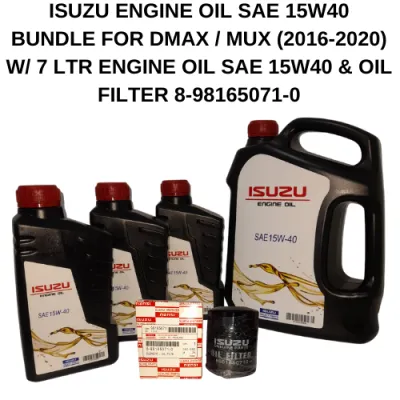
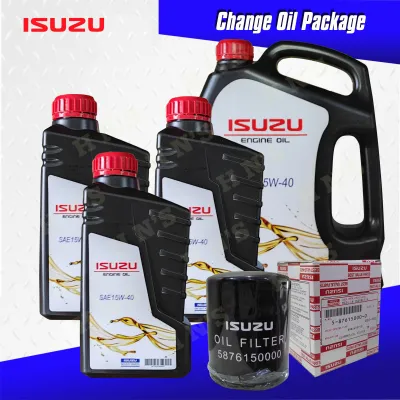
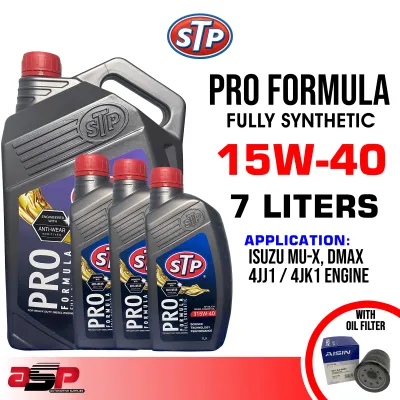
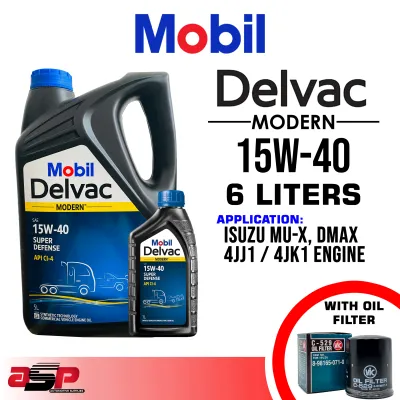
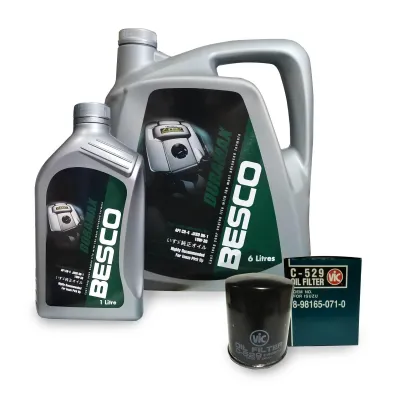
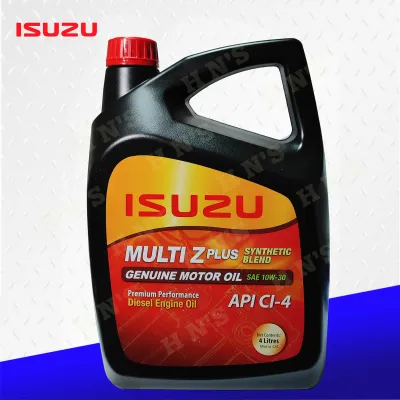
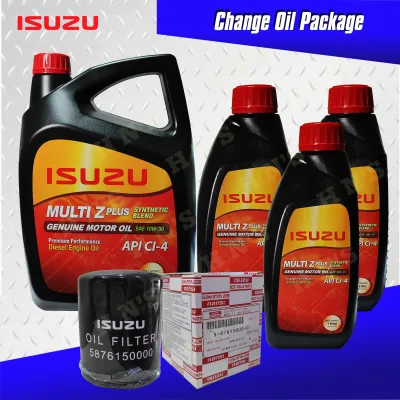
Prices are valid at publication and may change. Please refer to the product page for the latest price.
The first part of the code, which ends with the letter “W” (such as 5W, 10W, or 15W), stands for “Winter.” This rating indicates how easily the oil flows at extremely low temperatures during a cold start. A lower number before the “W” means the oil remains more fluid in cold weather, allowing it to pump quickly to critical engine components immediately after startup. While sub-zero winter temperatures are not a concern in the Philippines, a lower “W” rating still helps reduce friction during morning startups when the engine has been sitting idle overnight.
The second number in the sequence (such as 30 or 40) represents the oil’s kinematic viscosity at 100°C, which is the typical operating temperature of an internal combustion engine. This number indicates the thickness and protective strength of the oil film when the engine is fully warmed up. A higher number means a thicker, more robust oil film at high temperatures.
In tropical climates, ambient temperatures frequently exceed 35°C, and vehicles are regularly subjected to heavy stop-and-go city traffic or demanding mountain climbs. Under these harsh conditions, maintaining adequate oil thickness at operating temperature is critical. A higher high-temperature viscosity rating, such as 40, provides a thicker protective barrier that resists thinning out under extreme thermal stress, safeguarding heavy-duty diesel engines from metal-to-metal contact.
Why Isuzu Diesel Engines Require Specific Viscosity and Formulations
Diesel engines operate on a fundamentally different combustion principle than gasoline engines, which directly impacts their lubrication requirements. Isuzu diesel engines, known for their durability in commercial and passenger vehicles, utilize high compression ratios and massive combustion pressures to ignite diesel fuel. This intense pressure places extreme mechanical stress on the crankshaft bearings, piston pins, and connecting rods, requiring a highly robust oil film that will not shear or collapse under load.

Additionally, the diesel combustion process generates significant amounts of soot and particulate byproducts. If left unmanaged, these carbon particles can agglomerate, turning the engine oil into a thick, abrasive sludge that accelerates component wear and clogs narrow oil passages. To combat this, diesel-specific oils are formulated with heavy-duty dispersant and detergent additives. These additives suspend soot particles individually in the fluid, preventing them from binding together until they can be trapped by the oil filter.
Because of these unique demands, you must never use standard gasoline engine oil in a diesel engine. Diesel oils carry distinct performance classifications established by organizations like the American Petroleum Institute (API) or the European Automobile Manufacturers’ Association (ACEA). Modern Isuzu diesel engines typically require oils meeting API CK-4, CJ-4, or ACEA E-series specifications. These ratings guarantee that the oil contains the necessary additives to neutralize acidic combustion byproducts, control soot, and protect exhaust aftertreatment systems.
While selecting the correct viscosity is vital, verifying that the oil’s formulation matches these diesel-specific API or ACEA standards is equally critical for maximizing the lifespan of your engine.
How to Verify the Exact Viscosity Grade for Your Isuzu Model
Determining the correct oil for your vehicle should never involve guesswork or relying on generic advice. To ensure you are using the exact viscosity grade and formulation approved for your vehicle, follow these verification steps:
- Consult the Owner's Manual: Open your vehicle's manual and navigate to the "Specifications," "Maintenance," or "Lubricants and Fluids" section. This page contains a detailed chart listing the recommended oil viscosities based on ambient temperature ranges, along with the required API or ACEA performance classifications. This is the ultimate authority for your specific engine configuration.
- Check the Oil Filler Cap: Under the hood, locate the engine oil filler cap. Manufacturers often stamp the primary recommended viscosity grade (such as 5W-30 or 15W-40) directly onto the plastic cap as a quick reference for technicians and owners.
- Contact an Authorized Dealership: If you do not have access to the owner's manual, or if your vehicle has aftermarket modifications, contact an authorized Isuzu dealership or service center. Provide them with your vehicle's 17-digit Vehicle Identification Number (VIN), which can be found on your registration documents or the dashboard plate. Dealership service advisors can pull up the precise factory specifications for your exact production batch.
Avoid relying solely on generic online forums, social media groups, or automated auto parts store databases. These sources often gloss over regional differences. For instance, an Isuzu D-MAX sold in a cold European climate may specify a different primary oil viscosity than the exact same model year sold in the hot, humid conditions of the Philippines.
The Risks of Using the Wrong Viscosity in a Diesel Engine
Departing from the manufacturer’s recommended viscosity range can lead to severe mechanical issues, particularly in modern Isuzu diesel engines engineered with tight tolerances and advanced emissions controls.
Using an oil that is too thin (a low high-temperature rating, such as using a 0W-20 in an engine designed for 15W-40) compromises the protective oil film. Under high heat and heavy loads, thin oil can easily shear, leading to direct metal-to-metal contact between moving parts. This accelerates wear on the main bearings, camshafts, and cylinder walls, and can lead to low oil pressure warnings. Furthermore, thin oil can slip past piston rings into the combustion chamber, leading to excessive oil consumption and potential turbocharger bearing failure.
Conversely, using an oil that is too thick (such as a 20W-50 in a modern engine designed for 5W-30) introduces excessive internal resistance. Thick oil flows sluggishly during cold starts, delaying the time it takes for critical lubrication to reach the top of the engine. This initial oil starvation causes severe wear over time. Additionally, thicker oil increases parasitic drag within the engine, which reduces fuel economy, increases operating temperatures due to poor heat transfer, and can trigger oil pressure relief valves prematurely.
Modern Isuzu engines equipped with Diesel Particulate Filters (DPF) or Selective Catalytic Reduction (SCR) systems are especially sensitive. Using the wrong oil viscosity or a non-compliant formulation can increase exhaust emissions, clog the DPF with ash, and lead to costly emissions system repairs that are not covered under warranty.
Frequently Asked Questions (FAQ)
Can I switch from mineral to full synthetic oil in an older Isuzu diesel?
Yes, you can generally switch to a full synthetic oil, provided it meets the viscosity grade and API/ACEA specifications outlined in your owner’s manual. Full synthetic oils offer superior thermal stability, better oxidation resistance, and more consistent flow characteristics under extreme heat than conventional mineral oils.
However, if your older engine has degraded, brittle, or heavily worn seals, switching to a synthetic oil may expose existing leaks. Synthetic oils contain highly effective detergents that clean away old sludge and carbon deposits. If those deposits were temporarily plugging gaps in worn-out gaskets, removing them can cause oil leaks to appear. If your engine is in good mechanical health with intact seals, synthetic oil will provide excellent protection.
Is it safe to mix different viscosity grades in an emergency?
In an emergency situation where your engine’s oil level is dangerously low, mixing different viscosity grades is acceptable as a temporary measure to prevent immediate engine damage from oil starvation. For example, adding a liter of 10W-30 to a crankcase filled with 15W-40 is far better than running the engine dry.
However, mixing different grades alters the overall viscosity profile and can dilute the specific additive packages designed for your engine. This temporary mixture will not perform optimally over the long term. You should schedule a complete oil and filter change using the single, correct manufacturer-specified viscosity grade as soon as possible after the emergency top-up.
Community discussion
Share your experience or ask a question. Comments are reviewed before publication.