
Selecting the correct wheel spacers for your vehicle is a precise technical task that directly impacts handling, safety, and mechanical longevity. Wheel spacers are metal discs placed between the wheel hub and the wheel itself, designed to push the wheel outward. While many use them to achieve a wider stance or clear larger brake calipers, choosing incorrect specifications can lead to mechanical failures, including wheel detachment or suspension damage. To select the right spacers, you must match your vehicle’s exact bolt pattern, center bore diameter, and calculate a safe thickness that maintains proper tire clearance.
In the Philippines, where road conditions vary from smooth expressways to uneven provincial roads, ensuring your wheel assembly is structurally sound is critical. Modifying your wheel track changes the leverage exerted on your suspension components, making precise fitment a matter of safety rather than just aesthetics. Before purchasing any aftermarket spacer, you must verify your vehicle’s specific documentation and consult a qualified professional to ensure the modification remains safe and road-legal.
Safety and Fitment Prerequisites Before Buying
Before selecting any wheel spacer, you must establish several non-negotiable safety checks. First, consult your vehicle manufacturer’s guidelines regarding suspension modifications, load limits, and warranty implications. Adding aftermarket spacers can alter axle load distribution, potentially voiding steering or suspension warranties. Additionally, check local road regulations and inspection requirements. Under Land Transportation Office guidelines, tires must not protrude past the vehicle’s fenders, as exposed treads can throw road debris and pose a safety hazard.
Products mentioned in this guide
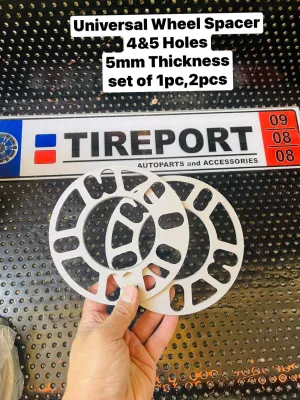
114 Lazada user ratings
Provides a wider stance for better stability, Easy to install and remove, High-quality material used, Makes my car look more aggressive, Gre…Read full reviewShow less
Provides a wider stance for better stability, Easy to install and remove, High-quality material used, Makes my car look more aggressive, Great value for the price, Great for getting the clearance I needed, Perfect fit for my car,
The item was shipped and arrived on time. Packaging looks good as well as the item inside. Hope it will last, thanks!
Thanks seller item received in good condition di ko pa nainstall need to buy extended stud first
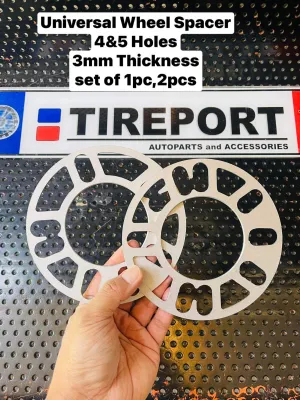
17 Lazada user ratings
Quality: Appearance: Performance:
Durable and long-lasting.,
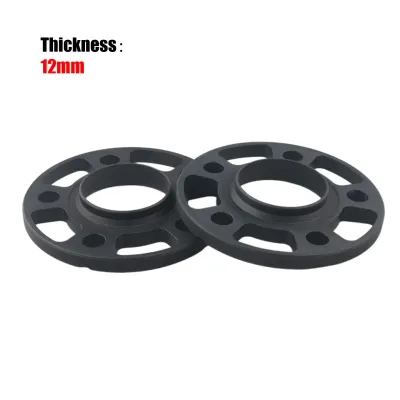
5 Lazada user ratings
Good quality, perfect fit, reasonable price.
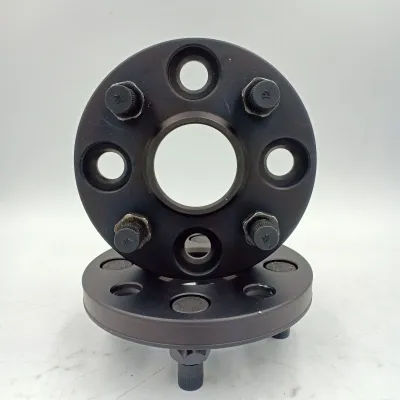
43 Lazada user ratings
fast delivery,thanks seller,will order another set!Perfect fit for my car's wheels!, High-quality forged construction for durability., The h…Read full reviewShow less
fast delivery,thanks seller,will order another set!Perfect fit for my car's wheels!, High-quality forged construction for durability., The hubcentric design ensures stability and safety., Easy to install, no hassle at all., Excellent value for the price, highly recommend.,
Performance:Excellent value for the price, highly recommend., The hubcentric design ensures stability and safety.,
maraming salamat sa seller.saktong sakto sa vios gen2 ko.
Compatible to my honda city hatchback.
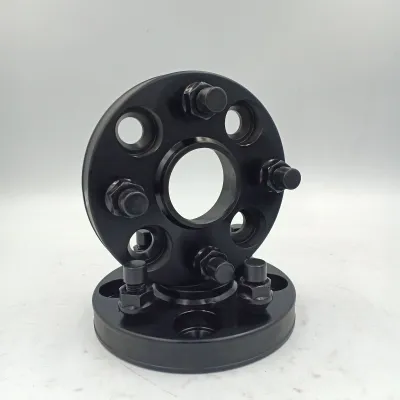
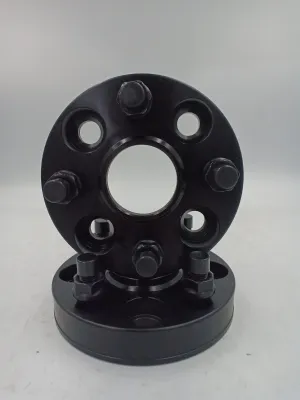
3 Lazada user ratings
Great quality, works perfectly with no issues or error codes.
Fits perfectly and feels very professional.
The seller is amazing.
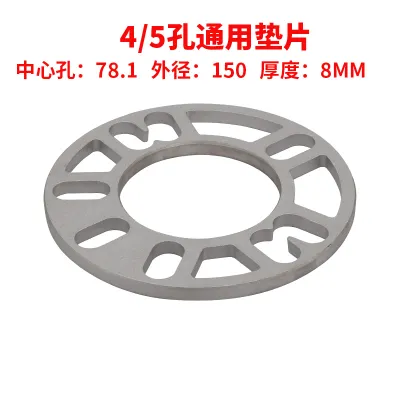
Prices are valid at publication and may change. Please refer to the product page for the latest price.
Another critical step is ensuring adequate clearance between the tire and the vehicle’s bodywork. You must check for clearance against the fender lip, inner strut, and suspension components. This check must be performed at both full steering lock and under maximum suspension compression. Because wheel spacers alter the vehicle’s steering geometry and load distribution, always consult your vehicle’s original manual and seek qualified professional installation to ensure road safety.
Decoding Wheel Spacer Thickness and Offset Changes
To choose the correct spacer thickness, you must understand how it interacts with wheel offset. Adding a wheel spacer directly reduces the wheel’s effective offset, pushing the wheel assembly further outward from the hub. For example, installing a 15mm spacer on a wheel with a +45mm offset reduces the effective offset to +30mm, altering where the tire sits in relation to the fender and inner suspension components.

To determine the maximum safe spacer thickness, perform a simple manual measurement. Hang a plumb line—a string with a small weight like a metal washer—from the inside edge of the outer fender flare. With the vehicle parked on a level surface, measure the horizontal distance from the outermost part of the tire sidewall to the hanging string. This distance represents the absolute maximum thickness you can add before the tire rubs the fender lip. Select a spacer thickness that is at least a few millimeters thinner than this measurement to maintain a safe margin for body roll and suspension travel.
Excessive spacer thickness introduces significant mechanical trade-offs. Pushing the wheels too far outward increases leverage on the wheel bearings, accelerating wear and leading to premature failure. It also alters the suspension’s scrub radius—the distance between the steering axis centerline and the center of the tire’s contact patch. A significantly altered scrub radius can cause heavier steering, increased kickback through the steering wheel when hitting bumps, and unpredictable handling during hard braking.
Matching Bolt Patterns and Center Bore Sizes
When purchasing wheel spacers, matching the physical dimensions of your vehicle’s hub is mandatory. The first critical specification is the bolt pattern, also known as the Pitch Circle Diameter (PCD). The PCD consists of the number of wheel studs and the diameter of the imaginary circle they form (for example, 5×114.3 or 4×100). You must match this pattern exactly; attempting to force a spacer with a slightly different PCD onto your studs will damage the threads, prevent proper seating, and potentially cause the wheel to shear off while driving.
The second critical specification is the center bore size, which is the diameter of the large hole in the middle of the wheel spacer. This measurement must match your vehicle’s hub diameter exactly. The center bore ensures that the spacer sits perfectly centered on the wheel hub. This alignment is vital because the hub lip, rather than the lug studs, is designed to carry the vertical weight of the vehicle. If the center bore of the spacer is too small, it will not fit over the hub; if it is too large, the spacer will not center properly, leading to severe wheel vibrations at highway speeds.
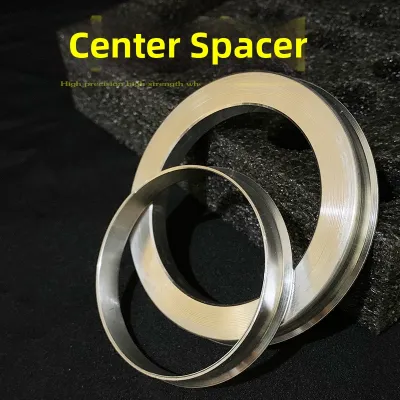
You can locate these specific measurements in your vehicle’s owner’s manual, on the manufacturer’s tire placard (usually located on the driver’s door jamb), or stamped on the back of your original wheels. If you are using aftermarket wheels, you must verify both the vehicle’s hub diameter and the wheel’s center bore diameter, as aftermarket wheels often use larger center bores that require hub-centric rings for a secure fit.
Hub-Centric vs. Lug-Centric Spacers: Which Do You Need?
Wheel spacers generally fall into two design categories: hub-centric and lug-centric. Hub-centric spacers feature a built-in center lip that matches the vehicle’s hub diameter on one side and the wheel’s center bore on the other. This design ensures that the spacer and the wheel are perfectly centered around the hub axis. Because the hub carries the vehicle’s weight and absorbs road impacts, hub-centric spacers maintain original ride quality, minimize stress on the wheel studs, and significantly reduce the risk of high-speed wheel vibrations.
In contrast, lug-centric spacers do not have a centering lip and rely entirely on the tapered lug nuts or bolts to center the wheel assembly. While lug-centric spacers are sometimes cheaper or more universally compatible across different vehicle models, they are much harder to align perfectly. If the lug nuts are not torqued in a highly precise sequence, the wheel can sit slightly off-center. This misalignment causes persistent vibrations, uneven tire wear, and places immense shear stress on the wheel studs, which can lead to stud failure under heavy loads.
For daily driving, highway stability, and long-term safety, hub-centric spacers are the primary recommended choice. They preserve the structural integrity of the wheel assembly by maintaining the load-bearing role of the hub. Lug-centric designs should be reserved for specific temporary or specialized applications where a hub-centric option is physically unavailable, and they must always be installed with extreme care.
Installation Checks and Maintenance Boundaries
Proper installation is just as important as selecting the correct specifications. When installing wheel spacers, you must use a calibrated torque wrench to tighten the lug nuts to the vehicle manufacturer’s exact torque specifications. Tightening must always be done in a star pattern to ensure even clamping force across the entire mounting surface. Uneven torque can warp the brake rotors, damage the spacer, or cause the lug nuts to back off over time.
Never use pneumatic impact wrenches for the final tightening of wheel spacers or wheels. Impact guns apply uncontrolled, rapid rotational force that can easily stretch the wheel studs, strip the threads, or crack aluminum spacers. Hand-tightening with a torque wrench is the only way to guarantee that the fasteners are secured safely without damaging the hardware.
Additionally, establish a mandatory retorque schedule. After installing new wheel spacers, the metal surfaces can settle slightly under the weight of the vehicle and the vibrations of driving. You must check and retorque all lug nuts to specification after the first 50 to 100 kilometers of driving. Incorporate visual inspections into your routine maintenance, checking for any signs of hairline cracks in the spacer material, corrosion between the mating surfaces, or wear on the wheel studs.
Frequently Asked Questions (FAQ)
Do wheel spacers affect my vehicle's fuel efficiency and handling?
Yes, wheel spacers can affect both fuel efficiency and handling. Pushing the wheels outward increases the vehicle’s frontal surface area and alters the airflow around the wheel wells, which can increase aerodynamic drag. This change, combined with any potential increase in steering resistance, can slightly reduce fuel efficiency, particularly during highway driving.
In terms of handling, widening the track width can improve cornering stability by reducing body roll during turns. However, it also alters the steering geometry, which can increase steering effort and change how the vehicle responds to road imperfections. You may notice more feedback or steering wheel pull when driving over uneven surfaces.
Can I use standard lug nuts with thicker wheel spacers?
No, you generally cannot use standard lug nuts or original wheel studs with thicker slip-on wheel spacers. Adding a spacer reduces the length of the wheel stud that protrudes through the wheel, leaving fewer threads for the lug nuts to grip. For a safe installation, you must maintain a minimum thread engagement, which is typically equal to the diameter of the stud (for example, at least 6 to 8 full turns of the lug nut).
If your spacer is thicker than 3 to 5 millimeters, you will likely need to install extended wheel studs or use bolt-on style spacers that feature their own integrated studs. Always verify the thread engagement before driving, and if the lug nuts do not achieve the required number of full turns, do not operate the vehicle until you have installed the appropriate extended hardware.
Community discussion
Share your experience or ask a question. Comments are reviewed before publication.