
Maintaining a small-displacement city hatchback requires close attention to the ignition system, where even minor component wear can drastically alter how the vehicle drives. For the Hyundai Eon, which relies on a compact 0.8-liter, three-cylinder Epsilon engine, the condition of the ignition system is paramount to keeping the car running efficiently. Typically, standard nickel spark plugs on a Hyundai Eon should be inspected or replaced every 15,000 to 20,000 kilometers, while premium iridium upgrades can last up to 100,000 kilometers. However, the exact timing depends heavily on your driving habits, local environmental factors, and the specific type of plug currently installed in your engine.
Because the Eon utilizes a three-cylinder engine configuration, any drop in ignition efficiency is immediately noticeable. Unlike larger engines where a single weak cylinder might be masked by the others, a single failing plug in a three-cylinder motor represents a loss of one-third of the engine’s total power output. Recognizing the signs of worn ignition components and adhering to a strict preventative maintenance schedule is the best way to avoid unexpected breakdowns, preserve your fuel budget, and prevent costly secondary damage to your ignition coils or catalytic converter.
Recommended Replacement Intervals for Hyundai Eon Spark Plugs
Determining the correct replacement schedule for your vehicle requires understanding both the manufacturer’s baseline recommendations and the specific metallurgy of the parts you are using. The definitive factory-recommended mileage or time interval is detailed in the Hyundai Eon Owner’s Manual, which remains the only authoritative source for your specific model year. Because minor changes in engine calibration or emissions equipment can occur across production years, always verify your vehicle’s exact requirements against the official documentation before purchasing new parts or scheduling service.
Products mentioned in this guide
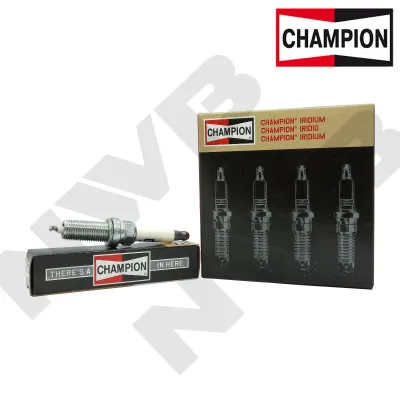
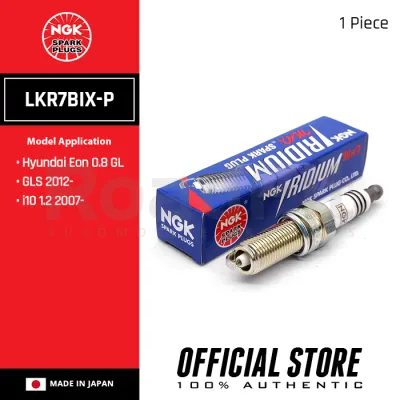
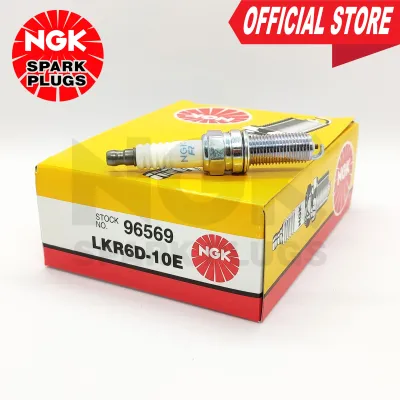
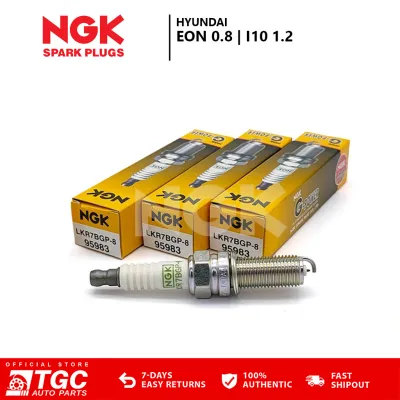

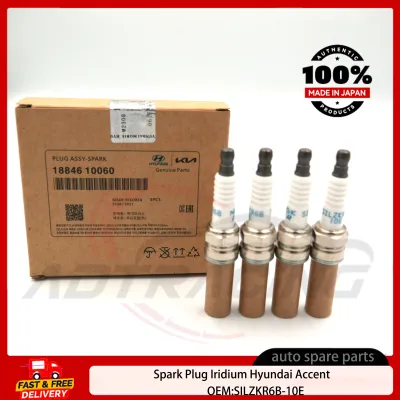
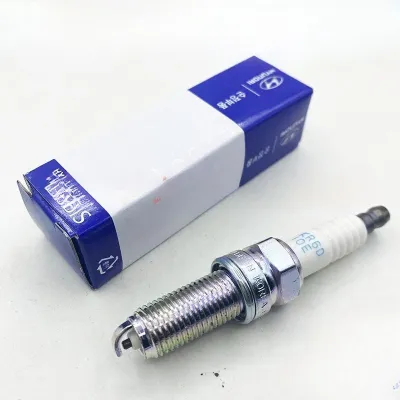
Prices are valid at publication and may change. Please refer to the product page for the latest price.
Under normal operating conditions, the lifespan of a spark plug is largely dictated by the materials used in its electrodes. Standard copper or nickel spark plugs, which are often installed as original equipment in budget-friendly hatchbacks, typically require replacement every 15,000 to 30,000 kilometers. These metals are excellent electrical conductors, but they wear down relatively quickly under the intense heat and pressure of the combustion chamber. As the metal slowly erodes, the gap between the center and ground electrodes widens, requiring higher voltage from the ignition coils to produce a spark.
Upgrading to premium alternative materials, such as platinum or iridium, alters these maintenance intervals significantly. Platinum plugs generally offer a service life of around 40,000 to 60,000 kilometers, while high-grade iridium options can easily perform reliably for 80,000 to 100,000 kilometers. The extreme hardness and high melting points of these precious metals allow the electrodes to resist wear much longer, maintaining a precise gap and a consistent spark over a far greater distance. However, even if you install long-life plugs, regular physical inspections remain necessary to ensure no unexpected issues are developing inside the cylinders.
It is also vital to recognize that calendar time plays a role in ignition system health, independent of the odometer reading. If your vehicle experiences prolonged periods of inactivity or is only driven occasionally for very short distances, moisture can accumulate within the engine bay and combustion chambers. This humidity can lead to corrosion on the spark plug threads, degradation of the ceramic insulator, or rust inside the ignition coil boots. Consequently, many service schedules recommend replacing standard plugs every 12 to 24 months, regardless of whether you have reached the mileage threshold, to prevent the plugs from seizing in the cylinder head.
Warning Signs Your Spark Plugs Need Immediate Replacement
When ignition components begin to degrade, they exhibit clear, observable symptoms that signal the need for immediate physical inspection or replacement. Because the Hyundai Eon features a highly compact, lightweight engine, these warning signs tend to manifest more dramatically than they would in a larger vehicle. Paying close attention to how your car behaves during startup, idling, and acceleration will help you catch ignition issues before they escalate into complete component failures.

Common performance issues that indicate failing spark plugs include:
- Rough Idling: When waiting at a traffic light or resting in neutral, you may feel a distinct, irregular vibration shaking the steering wheel and cabin. This uneven idle occurs because the engine is struggling to maintain a consistent combustion cycle across all three cylinders.
- Engine Misfires: A misfire happens when the fuel-air mixture in a cylinder fails to ignite. This feels like a sudden, temporary loss of power, accompanied by a jerking or stumbling sensation while driving.
- Sluggish Acceleration: If you press the accelerator pedal and notice a delayed, weak, or hesitant response from the engine, the plugs may be failing to deliver a strong enough spark to handle the increased fuel delivery required for acceleration.
- Difficulty Starting: Worn electrodes require much more electrical energy to jump the gap. This struggle is especially apparent during cold starts in the humid morning air, resulting in prolonged cranking times before the engine finally catches.
Beyond physical performance sensations, several observable indicators can point directly to ignition system degradation. A sudden and noticeable decrease in your car’s fuel efficiency is a primary warning sign; when spark plugs fail to ignite the fuel completely, unburned gasoline is pumped straight into the exhaust system, wasting fuel and lowering your kilometers-per-liter average. You might also notice unusual exhaust emissions, such as a strong smell of raw gasoline or puffing gray smoke from the tailpipe. Additionally, the vehicle’s onboard diagnostic system will often detect these incomplete combustion events, illuminating the yellow Check Engine Light on your dashboard with specific misfire codes.
These symptoms are directly linked to the spark plug’s physical inability to consistently ignite the compressed air-fuel mixture. When the electrode gap becomes too wide or the tip becomes coated in deposits, the spark becomes weak, inconsistent, or non-existent. This leads directly to incomplete combustion, which not only robs your vehicle of power but also allows raw fuel to wash down the cylinder walls, diluting the protective engine oil and potentially overheating the expensive catalytic converter in your exhaust system.
If you experience these warning signs, it is highly advisable to seek a professional diagnostic check if the symptoms persist after you perform a basic visual inspection. Because an engine is a complex system of interconnected parts, symptoms like misfires, rough idling, and poor acceleration can also be caused by failing ignition coils, damaged spark plug wires, clogged fuel injectors, a weak fuel pump, or malfunctioning engine sensors. A qualified technician can use diagnostic scan tools to pinpoint the exact cylinder experiencing the fault, saving you time and preventing the unnecessary replacement of functional parts.
Factors That Shorten Spark Plug Lifespan
While manufacturer guidelines provide a helpful baseline, several real-world operating conditions and mechanical variables can cause spark plugs to degrade much faster than anticipated. Understanding these factors can help you adjust your maintenance schedule accordingly and take steps to protect your engine from premature wear.
Severe driving conditions are a primary driver of accelerated ignition wear, particularly in highly congested urban areas across the Philippines. Navigating daily stop-and-go traffic, idling for long periods in heavy heat, and making frequent short trips of under ten kilometers all prevent the engine from reaching its optimal operating temperature. Spark plugs are designed with a specific heat range that allows them to burn off normal carbon deposits automatically. When an engine rarely reaches its full operating temperature, these self-cleaning properties cannot function, leading to a rapid accumulation of dry, black carbon deposits that eventually short-circuit the electrical current.
Underlying mechanical issues within the engine itself can also dramatically shorten the lifespan of brand-new spark plugs. For instance, if your engine is suffering from excessive oil consumption due to worn valve stem seals or degraded piston rings, engine oil will find its way into the combustion chamber. This oil coats the spark plug tip in a wet, sticky black residue, causing immediate oil fouling that prevents the plug from firing. Similarly, a weeping head gasket can allow coolant to seep into the cylinders, leading to localized overheating, rapid electrode erosion, and corrosive white deposits on the plug’s firing end.
Fuel quality and the improper use of aftermarket fuel additives represent another significant factor in premature wear. Using low-quality fuel with high levels of impurities can leave heavy chemical deposits on the ceramic insulator nose and the metal electrodes, accelerating physical degradation. Furthermore, overusing highly concentrated fuel system cleaners or octane boosters can deposit metallic compounds on the plug tips, creating an unintended electrical path that bypasses the gap entirely and causes persistent engine misfires.
Before installing a fresh set of replacement spark plugs, it is absolutely critical to identify and resolve any of these underlying root-cause engine problems. Simply screwing new plugs into an engine that is actively leaking oil into the combustion chamber or running an excessively rich fuel mixture will yield only temporary relief. The new components will quickly become fouled or damaged in the exact same manner as the old ones, wasting your maintenance budget and leaving you with the same driving frustrations.
How to Inspect and Maintain Your Spark Plugs
Performing a physical inspection of your spark plugs is an excellent way to gauge the health of your engine’s combustion chambers. However, because working on ignition components carries inherent risks to both your personal safety and the mechanical integrity of your vehicle, you must follow strict safety protocols and use the correct tools.
Before you begin any inspection or disassembly, you must ensure that the engine is completely cool to the touch. The Hyundai Eon uses an aluminum cylinder head, which expands when hot. Attempting to loosen or remove spark plugs from a hot aluminum head can easily strip or gall the delicate threads in the spark plug well. Repairing stripped cylinder head threads is a highly complex, expensive procedure that often requires removing the entire head from the engine. Waiting several hours for the metal to cool completely is a simple step that prevents catastrophic mechanical damage.
Once the engine is cold, remove the ignition coil or spark plug boot and use a dedicated spark plug socket equipped with a rubber insert to carefully unscrew the plug. Inspect the firing tip closely and compare what you see to these common conditions:
- Normal Wear: The insulator nose should have a light tan, light gray, or brown color, indicating a healthy engine with proper fuel-to-air ratios.
- Carbon Fouling: The tip is covered in dry, fluffy, matte-black soot, which points to excessive idling, short trips, or a fuel system that is running too rich.
- Oil Fouling: The electrodes and insulator are coated in wet, oily, black sludge, indicating that oil is bypassing the piston rings or valve guides.
- Melted Electrodes: The center or ground electrode is blistered, melted, or severely distorted, signaling extreme combustion chamber temperatures, incorrect heat range, or damaging engine knock.
- Excessive Gap: The ground electrode is visibly worn thin and curved away from the center electrode, indicating the plug has simply reached the end of its usable service life.
It is important to understand the boundary between a basic visual check and more advanced servicing. If you encounter a spark plug that feels incredibly tight or stuck, do not attempt to force it open with a breaker bar, as you risk snapping the plug in half inside the cylinder head. Instead, apply a small amount of high-quality penetrating oil to the base of the plug, let it sit for several hours, and attempt to turn it gently. Furthermore, never attempt to adjust the electrode gap on modern platinum or iridium plugs with crude tools; their delicate precious-metal tips are incredibly thin and can easily snap off, ruining the plug instantly. Always use a precise wire-type feeler gauge and a dedicated gapping tool if adjustment is required.
Finally, maintain clean working habits throughout the entire process. Before removing any spark plug from its well, use compressed air or a clean brush to blow away any dirt, sand, rust, or road debris that has pooled around the base of the plug. If you skip this step, that loose debris will fall directly into the open cylinder head the moment the plug is unscrewed, where it can score the cylinder walls, damage the valves, or cause severe internal engine wear when you restart the vehicle. Additionally, ensure the ignition coil boots are clean and free of moisture before reinstalling them to maintain a solid electrical connection.
Choosing the Right Replacement Spark Plugs
Selecting the correct replacement parts is vital to ensuring your Hyundai Eon continues to run smoothly, start reliably, and deliver the excellent fuel economy for which it is known. Using incompatible parts can result in poor performance, persistent misfires, or even severe internal engine damage.
When purchasing replacements, you must match the original equipment manufacturer (OEM) specifications exactly. This includes verifying several key physical and thermal dimensions:
- Thread Size and Pitch: The diameter and thread spacing must match the cylinder head perfectly to prevent cross-threading or compression leaks.
- Reach: The length of the threaded portion must be exact; a plug that is too short will shroud the spark, while a plug that is too long can physically strike the piston.
- Seat Type: The plug must match the flat gasket or tapered seat design of the cylinder head to ensure a gastight seal.
- Heat Range: This rating determines how quickly the spark plug transfers heat from the combustion chamber to the cylinder head. Installing a plug with a heat range that is too hot can cause pre-ignition (knocking), while a plug that is too cold will foul rapidly with carbon.
While upgrading from standard nickel plugs to premium platinum or iridium options can provide longer service intervals and a more stable spark, you must ensure that these upgrades still conform perfectly to the base physical and thermal specifications required by your Eon’s engine. An iridium plug is only an upgrade if its physical dimensions, thread reach, and heat range are identical to the factory-specified part.
To protect your investment and your engine, purchase replacement spark plugs exclusively from authorized dealerships, official brand retail stores, or highly reputable automotive parts suppliers. The automotive aftermarket faces a significant issue with counterfeit spark plugs, which are often sold at unusually low prices on unverified online marketplaces. These counterfeit plugs are frequently constructed from cheap, brittle metals and low-grade ceramics that cannot withstand the extreme thermal shock of an operating engine. A counterfeit plug can easily break apart during operation, dropping metal debris directly into your cylinder and causing catastrophic engine failure that requires a complete engine rebuild.
Frequently Asked Questions (FAQ)
Can I replace just one faulty spark plug instead of the whole set?
It is highly recommended that you replace all the spark plugs in your engine at the same time as a complete, matching set. Because the Hyundai Eon operates on a three-cylinder engine, replacing only one plug creates an imbalance in the ignition system. The new plug will produce a strong, highly efficient spark, while the remaining older plugs will continue to deliver weaker, less consistent sparks.
This discrepancy in spark intensity leads to uneven combustion, minor power imbalances between cylinders, and persistent rough idling. Furthermore, because all the spark plugs in your engine have experienced the same number of operating hours and thermal cycles, the remaining older plugs are highly likely to fail shortly after the first one. Replacing the entire set at once ensures balanced power delivery, smooth engine operation, and a predictable, simplified maintenance schedule.
Will changing spark plugs improve my car's fuel economy?
Installing new spark plugs will restore your vehicle’s fuel economy to its original factory baseline if the plugs you are replacing were worn out, heavily fouled, or causing active engine misfires. When old plugs fail to ignite the air-fuel mixture completely, unburned gasoline is wasted and pushed out through the exhaust. By restoring a strong, consistent spark, new plugs ensure complete combustion, allowing the engine to extract the maximum amount of energy from every drop of fuel.
However, if your current spark plugs are still in good physical condition and functioning within their correct parameters, installing a new set will not magically increase your fuel economy beyond the vehicle’s original factory design. Fuel efficiency is determined by a wide variety of factors, including your driving style, tire pressure, engine oil viscosity, and sensor health. Regular ignition maintenance simply ensures that your engine continues to operate at its peak designed efficiency.
Community discussion
Share your experience or ask a question. Comments are reviewed before publication.