
Determining when to replace your spark plug caps and boots is essential for maintaining a smooth-running engine and preventing costly ignition failures. Generally, spark plug boots and caps should be replaced every 50,000 to 100,000 kilometers, or whenever you install a new set of spark plugs. Because these components are subjected to extreme heat, high electrical voltage, and environmental exposure, they degrade over time. In tropical climates with dense traffic, this degradation occurs much faster, making regular physical inspections a critical part of your vehicle maintenance routine.
Failing to replace a worn sparkplug cap can lead to severe engine misfires, poor fuel economy, and damage to expensive ignition coils. By understanding the lifespan factors, recognizing the warning signs of failure, and following safe inspection procedures, you can keep your vehicle’s ignition system operating at peak efficiency.
Understanding the Role and Expected Lifespan of Spark Plug Boots
To appreciate why spark plug caps and boots require periodic replacement, it helps to understand their demanding role in the ignition system. The primary function of a spark plug boot is to insulate the high-voltage electrical current—often ranging from 20,000 to over 50,000 volts—as it travels from the ignition coil or spark plug wire to the spark plug terminal. Without this protective insulation, the electrical charge would take the path of least resistance, arcing directly to the metal cylinder head or engine block rather than jumping the spark plug gap to ignite the fuel-air mixture.
Products mentioned in this guide
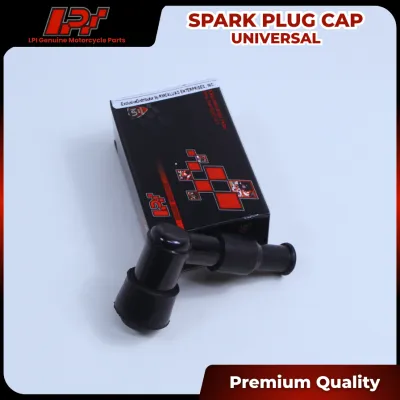
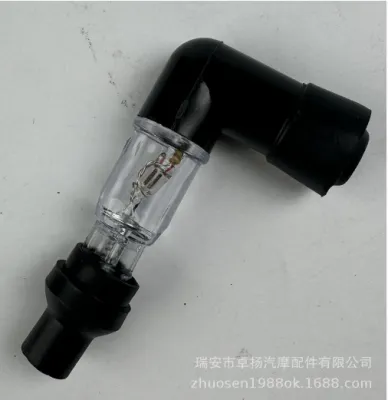
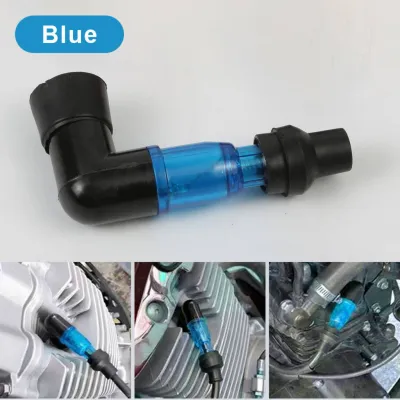
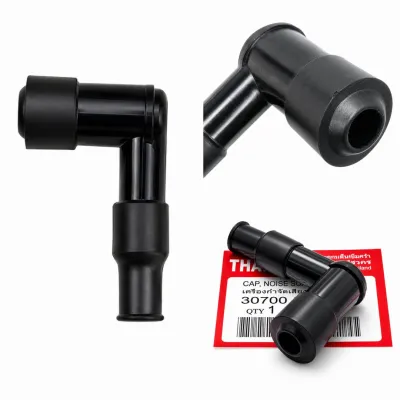
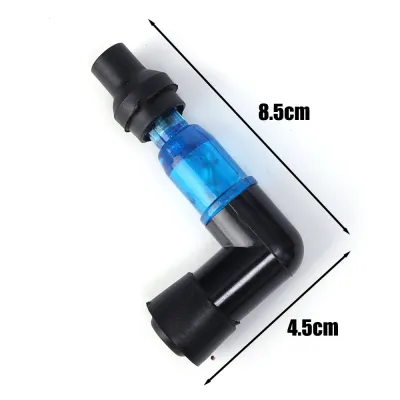
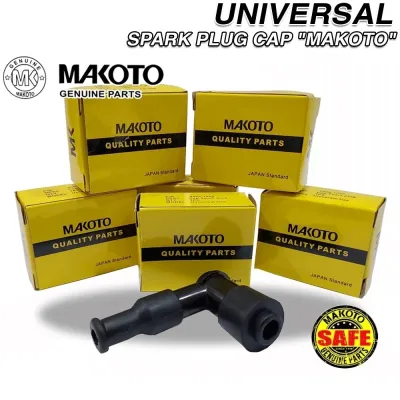
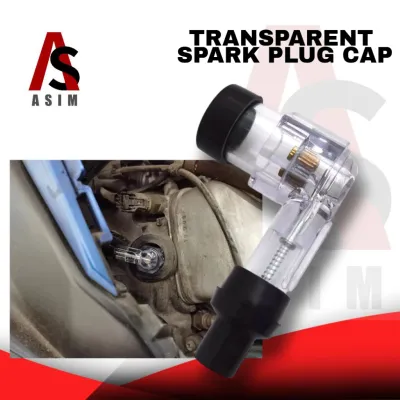
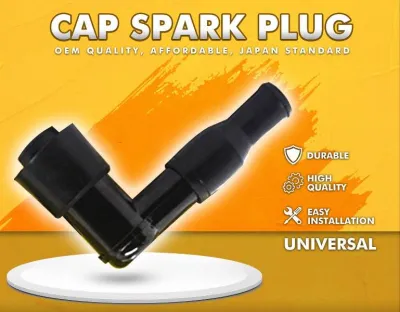
Prices are valid at publication and may change. Please refer to the product page for the latest price.
Beyond electrical insulation, the boot acts as a physical barrier that seals the spark plug well. It prevents moisture, road grime, dust, and engine oil from entering the spark plug cavity. If water or contaminants penetrate this area, they can create an alternative electrical path, causing the spark to short out before it ever reaches the combustion chamber. This protective seal is vital for maintaining consistent combustion under all operating conditions.
There is no universal time or mileage interval for replacing spark plug boots, as their lifespan depends heavily on the materials used, engine design, and operating environment. While some manufacturers integrate the boot into the ignition coil assembly, others use standalone boots that can be serviced independently. Generally, the baseline replacement schedule is tied directly to your spark plug replacement interval or the vehicle manufacturer’s specific ignition system maintenance guidelines.
Because ignition system designs vary widely across vehicle makes, models, and model years, you must consult your vehicle’s owner’s manual or a reliable factory service guide to find the exact recommended service intervals. Never assume compatibility or replacement schedules based on generic category terms. Always verify the specific interface, dimensions, and mounting positions from the official product and vehicle documentation before purchasing replacement parts.
Environmental and Driving Factors That Accelerate Degradation
While high-quality silicone or EPDM (ethylene propylene diene monomer) rubber is engineered to withstand harsh engine bay conditions, several real-world factors can drastically accelerate material breakdown. The most prominent of these is engine bay heat and thermal cycling. Every time you drive, the ignition components absorb intense heat, and when you park, they cool down to ambient temperatures. This continuous expansion and contraction eventually causes the elastomeric compounds to lose their elasticity, turn brittle, and develop microscopic fractures.

Operating a vehicle in a tropical climate like the Philippines introduces unique challenges that shorten the lifespan of rubber and silicone components. High ambient temperatures mean your engine bay operates at a higher baseline temperature, reducing the rate at which heat can dissipate. Additionally, persistent high humidity introduces moisture into the air under the hood. When humid air interacts with thermal cycling, it can accelerate the oxidation and corrosion of the internal metal spring terminals inside the sparkplug cap, leading to increased electrical resistance.
Heavy traffic conditions further compound these thermal stresses. In highly congested urban areas where stop-and-go driving and prolonged idling are the norm, the lack of forward vehicle movement drastically reduces natural radiator and engine bay airflow. Although cooling fans engage, the heat radiating from the engine block remains trapped under the hood, creating a localized “oven effect” that bakes the ignition boots. This prolonged exposure to extreme heat causes the boots to harden and crack much sooner than they would under highway driving conditions.
Chemical exposure is another common culprit behind premature boot failure. Engine oil leaks from a weeping valve cover gasket can pool in the spark plug wells, saturating the boots. EPDM rubber is highly susceptible to oil absorption, which causes the material to swell, soften, and lose its structural integrity. Similarly, coolant leaks or the improper use of harsh, solvent-based aftermarket engine bay cleaners can chemically degrade the protective outer layer of the boots, leaving them vulnerable to electrical leakage.
Warning Signs of Failing Spark Plug Caps and Boots
Recognizing the early warning signs of failing spark plug caps and boots can save you from being stranded on the road or facing expensive engine repairs. The most common performance symptom of a degraded boot is an engine misfire. When the boot’s dielectric strength breaks down, voltage leaks through the compromised rubber to the nearest ground point. This results in rough idling, engine hesitation or stumbling during acceleration, a noticeable loss of engine power, and a sudden drop in fuel efficiency. The engine control unit (ECU) will typically detect these misfires, illuminating the Check Engine Light (CEL) and storing diagnostic trouble codes (DTCs).
Conducting a thorough visual inspection can reveal physical damage before it manifests as a severe performance issue. When examining the boots, look closely for visible hairline cracks, tears, or pinholes along the body of the boot. Check for signs of hardening or brittleness by gently flexing the material. Swelling, a mushy texture, or a melted appearance indicates chemical contamination or extreme overheating, meaning the boot must be replaced immediately.
Electrical arcing is a clear indicator that the boot’s insulating capabilities have failed. If you hear a faint clicking or snapping sound coming from the engine bay while the engine is running, electricity is likely escaping from the boot to the engine block. It is crucial to observe strict safety boundaries: high-voltage ignition systems carry enough current to cause severe, painful electrical shocks or burns. Never touch, probe, or attempt to adjust the spark plug boots, wires, or ignition coils while the engine is running or while the ignition is switched on.
Moisture ingress and internal corrosion also signal the end of a boot’s service life. If you pull the boot and find a white, powdery residue or green oxidation on the internal metal terminal, moisture has breached the seal. This corrosion restricts the flow of electricity, weakening the spark. Furthermore, if a boot has been left in place too long without proper maintenance, it may fuse or stick firmly to the spark plug’s ceramic insulator, indicating that the material has degraded and will likely tear upon removal.
Step-by-Step Inspection and Maintenance Guidelines
Performing regular inspections and basic maintenance on your spark plug boots can extend their service life and prevent unexpected ignition issues. To ensure a safe and successful procedure, always follow these step-by-step guidelines.
1. Prioritize Safety and Preparation
Before touching any ignition components, park your vehicle on a flat, level surface, engage the parking brake, and turn off the engine. Disconnect the negative battery terminal to eliminate the risk of accidental electrical discharge or short circuits. Allow the engine to cool completely; because spark plug boots sit directly on or inside the hot cylinder head, attempting to work on a hot engine can result in severe burns.
2. Practice Safe Removal Techniques
Never pull directly on the spark plug wire or yank the top of the ignition coil to remove a boot, as this can easily tear the rubber or detach the internal metal terminal from the wire. Instead, use a specialized spark plug boot removal tool, or gently grasp the boot at its base with your fingers. Give the boot a gentle twist (about a quarter turn) to break the vacuum seal against the spark plug’s ceramic insulator, then pull straight upward with steady, even pressure.
3. Clean, Inspect, and Protect
Once the boot is removed, wipe its exterior with a clean, dry microfiber cloth to remove dirt, dust, and oil. Do not submerge the boot in water or use harsh chemical solvents unless they are explicitly authorized by the manufacturer’s label. Inspect the interior spring terminal for any signs of rust or green oxidation.
To prevent the boot from sticking to the spark plug in the future and to seal out moisture, apply a very thin layer of high-quality dielectric grease to the inside lip of the boot that contacts the ceramic portion of the plug. Be careful not to over-apply the grease or get it directly onto the metal electrical contact points, as excessive grease can trap debris or interfere with the electrical connection.
4. Know When to Seek Professional Help
If you encounter a boot that is completely fused to the spark plug and will not budge with moderate force, do not attempt to pry it off with a screwdriver or metal pliers, as you risk cracking the spark plug’s fragile ceramic insulator. If the internal metal spring terminal is severely corroded, if the boot tears during removal, or if the ignition coil housing shows signs of cracking, melting, or bubbling, stop immediately. In these scenarios, or if you are uncomfortable working with high-voltage electrical systems, consult a qualified professional mechanic to perform the necessary repairs safely.
Frequently Asked Questions (FAQ)
Can I replace just the boot without changing the spark plug wire or ignition coil?
Yes, depending on your vehicle’s specific ignition system design. In older vehicles equipped with traditional spark plug wires, or on certain modern Coil-on-Plug (COP) systems, manufacturers and aftermarket brands offer standalone replacement boot kits that include the rubber boot and the internal contact spring. This allows you to address a degraded boot cost-effectively without paying for a complete coil or wire set. However, on many modern vehicles, the boot is permanently molded to the ignition coil or the wire assembly. In these integrated designs, you must replace the entire assembly. Always verify your vehicle model’s parts compatibility and interface before purchasing replacement parts.
Does applying dielectric grease extend the lifespan of the spark plug boot?
Yes, when applied correctly, dielectric grease is a highly effective preventative maintenance tool that helps preserve the boot. While it cannot repair existing physical cracks, restore lost elasticity, or reverse heat damage, it performs several protective functions. It acts as a moisture barrier to prevent corrosion on the internal metal terminals, and it stops the rubber or silicone from vulcanizing (fusing) to the hot ceramic insulator of the spark plug. This ensures that the boot can be easily removed during future spark plug changes without tearing, thereby extending its overall functional lifespan.
Community discussion
Share your experience or ask a question. Comments are reviewed before publication.