
For owners of the dependable Mitsubishi Adventure in the Philippines, keeping the iconic 4D56 diesel engine running smoothly is a top priority. A critical component of this routine maintenance is knowing when to replace the heater plugs—commonly referred to globally as glow plugs. Because diesel engines rely on high heat and compression rather than spark plugs to ignite fuel, these heating elements are vital for warming up the combustion chamber before and during startup.
Over time, heater plugs undergo extreme thermal stress and electrical wear, gradually losing their heating efficiency. Recognizing when they are reaching the end of their service life prevents frustrating starting failures, excessive exhaust emissions, and unnecessary strain on your starter motor and battery. Understanding the ideal replacement intervals, identifying early warning signs of failure, and following safe installation practices will keep your utility vehicle starting reliably every morning.
Recommended Replacement Interval for Mitsubishi Adventure Heater Plugs
Heater plugs are consumable items that degrade with every engine start. Under ideal operating conditions, high-quality heater plugs generally last between 80,000 and 100,000 kilometers. However, the unique driving environment in the Philippines often accelerates this timeline, making regular inspections necessary much sooner.
Products mentioned in this guide
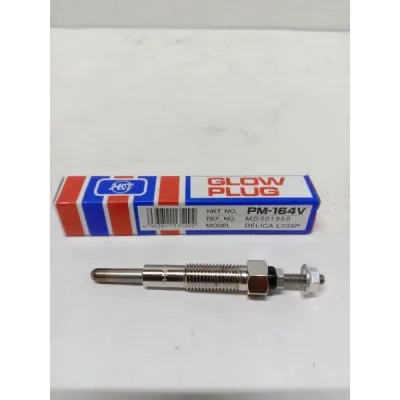
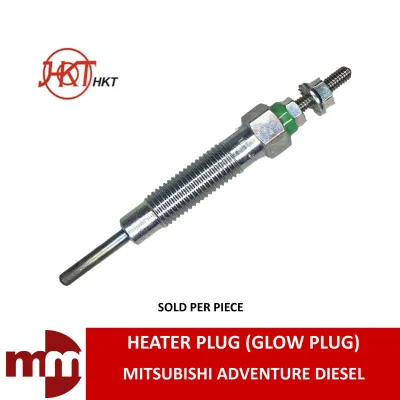
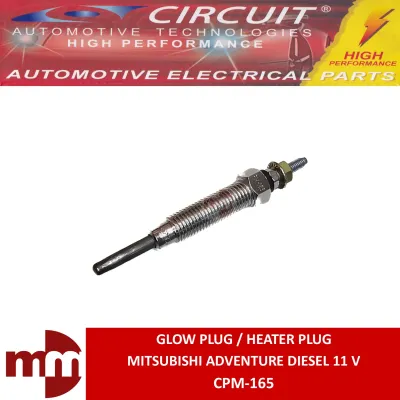
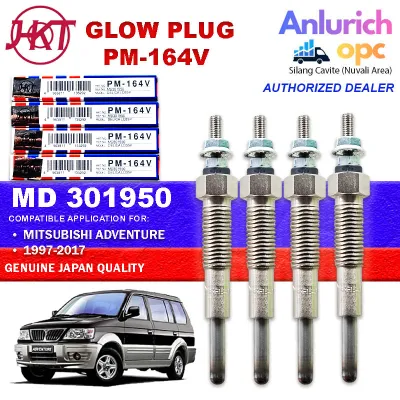
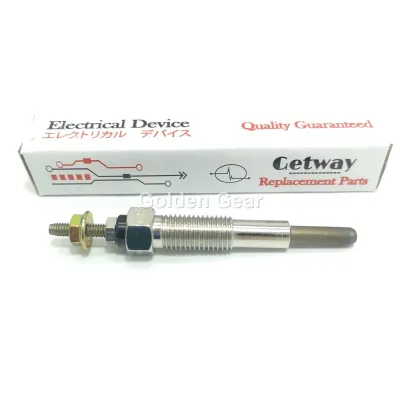
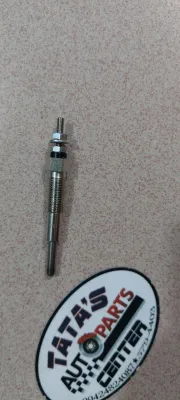
Prices are valid at publication and may change. Please refer to the product page for the latest price.
The Mitsubishi Adventure is equipped with the legendary 4D56 2.5-liter naturally aspirated or turbocharged diesel engine. This engine utilizes an indirect injection system, which relies heavily on pre-combustion chambers. Because of this design, the engine is highly dependent on functional heater plugs to initiate combustion from a cold state. Without the intense heat provided by these plugs, the cold air entering the cylinders cannot reach the temperature required to ignite the injected diesel fuel efficiently.
In local driving conditions, several factors reduce the actual lifespan of these components. Frequent short trips, heavy stop-and-go city traffic, and high ambient humidity can lower their operational lifespan to between 60,000 and 80,000 kilometers. If your daily commute involves navigating congested urban areas where the engine is frequently turned off and restarted, the heater plugs cycle far more often than they would during long highway drives.
To ensure consistent engine performance, refer to your vehicle’s original maintenance schedule or consult a certified diesel specialist. A periodic resistance check of the plugs during your regular 20,000-kilometer PMS (Preventive Maintenance Service) is an excellent way to monitor their health and avoid unexpected starting issues.
Warning Signs That Your Heater Plugs Are Failing
When heater plugs begin to degrade, they do not always fail completely at once. Instead, they exhibit clear warning signs that indicate incomplete combustion in one or more cylinders. Monitoring these symptoms allows you to address the issue before a minor starting annoyance turns into a complete breakdown.

Hard Starting or Extended Cranking
One of the earliest and most common indicators of weak heater plugs is an engine that struggles to catch, requiring several seconds of continuous cranking. While the Philippines is a tropical country, early mornings in elevated regions like Baguio, Benguet, or Tagaytay can get chilly enough to expose failing plugs. Even in warmer lowland areas, a cold engine that has sat overnight requires functional heater plugs to achieve rapid, clean ignition on the first turn of the key.
Excessive Smoke Upon Startup
If you notice a thick cloud of white or dark grey smoke billowing from the tailpipe immediately after the engine fires up, your heater plugs may be failing. White smoke is typically composed of unburned diesel fuel vaporized by the heat of the engine but not ignited. When a heater plug fails to reach the necessary temperature, the fuel sprayed into that cylinder remains unburned and is pushed directly into the exhaust system, clearing up only after the engine warms up.
Rough Idling and Misfires
A failing heater plug can cause the engine to misfire or idle roughly for the first few minutes after a cold start. You may experience severe engine shaking, cabin vibrations, or an uneven, sputtering engine note. This occurs because the cylinder with the faulty plug is running cold, resulting in poor combustion or a complete temporary misfire until the heat generated by the other operating cylinders warms up the dead cylinder.
Dashboard Indicators
The glow plug indicator light on your instrument panel—represented by an amber loop or coil symbol—is designed to guide your starting sequence. If this light remains illuminated for an unusually long time, flashes repeatedly, or if the check engine light activates, the engine control system has detected an electrical fault in the heater plug circuit. These electronic warnings should prompt an immediate diagnostic scan to pinpoint the underlying electrical issue.
Common Factors That Shorten Heater Plug Lifespan
Understanding what causes premature heater plug failure can help you adjust your driving and maintenance habits to extend the life of your replacement parts. Several environmental, mechanical, and electrical variables contribute to accelerated wear.
Frequent Short-Distance Driving
Driving short distances prevents the engine from reaching its optimal operating temperature. In these scenarios, the heater plugs must work harder and cycle more frequently to assist with combustion. The post-heating phase—where the plugs remain partially energized after startup to reduce emissions—runs continuously during short trips, leading to rapid electrical degradation and premature burnout.
Carbon Buildup and Fuel Quality
Using lower-quality diesel fuel or neglecting fuel filter changes can lead to incomplete combustion and heavy carbon deposits inside the pre-combustion chamber. Carbon is highly conductive and can accumulate around the heater plug’s heating tip. This buildup insulates the tip, forcing the plug to overheat internally to reach its target temperature, which eventually causes the heating element to crack or burn out.
Electrical and Relay Issues
The heater plug system relies on a control relay and timer to regulate the duration and voltage of the electrical current sent to the plugs. If the relay contacts stick or the timer malfunctions, the heater plugs may receive continuous voltage long after the engine has warmed up. This constant electrical load quickly overheats the plugs, destroying their internal filaments in a matter of days.
Low-Quality Aftermarket Parts
Installing cheap, unbranded heater plugs is a common cause of recurring starting issues. These budget components often lack the precise internal resistance and high-grade thermal alloys required to withstand the intense heat cycles of the 4D56 engine. Investing in reputable, OEM-equivalent parts ensures the plugs heat up at the correct rate and handle the electrical current safely.
Safe Removal and Replacement Best Practices
Replacing the heater plugs on a Mitsubishi Adventure requires careful preparation and strict adherence to mechanical guidelines. Because these components are exposed to extreme heat and combustion gases, they are highly susceptible to seizing inside the aluminum cylinder head.
Warning: Before attempting any electrical or mechanical work, consult your vehicle’s official workshop manual for specific safety instructions, torque values, and terminal layouts. Ensure the ignition is off, the key is removed, and the negative battery terminal is disconnected to prevent electrical shorts. If you are unfamiliar with diesel engine mechanics, always have this service performed by a qualified professional.
The Risk of Snapped Plugs
The most significant hazard when replacing heater plugs is the risk of the plug body snapping off inside the cylinder head. Over tens of thousands of kilometers, carbon deposits can pack tightly around the plug tip, while the steel threads of the plug can seize against the aluminum head due to galvanic corrosion. If you apply excessive force to a seized plug, it can easily shear off, requiring a highly complex and expensive extraction process that often involves removing the cylinder head.
Preparation Steps
To minimize the risk of breakage, never attempt to remove heater plugs from a completely cold engine. Instead, run the engine for a few minutes until it is warm to the touch—but not hot enough to cause burns—as the heat causes the aluminum cylinder head to expand slightly more than the steel plug. Generously apply a high-quality penetrating oil to the base of each plug and allow it to soak for at least 30 minutes to help dissolve rust and carbon deposits before attempting to loosen them.
Why Replace as a Complete Set
Even if only one heater plug has failed, it is highly recommended to replace all four plugs at the same time. Heater plugs of the same age have experienced identical wear cycles, meaning the remaining older plugs are likely to fail shortly after the first one. Furthermore, mixing old and new plugs can create imbalances in electrical resistance across the glow plug harness, potentially overloading the control relay.
Torque and Installation Rules
When installing the new heater plugs, clean the threads in the cylinder head carefully using a dedicated thread chaser or brush. If specified by the manufacturer, apply a very light coat of high-temperature anti-seize compound to the threads, taking care not to get any on the heating tip. Always use a calibrated torque wrench to tighten the plugs to the exact specification detailed in the service manual; over-tightening can deform the internal heating element or strip the delicate threads in the cylinder head.
When to Stop
If you encounter stiff resistance while trying to unscrew an old heater plug, do not force it. Apply more penetrating oil, gently tighten the plug a fraction of a turn, and then try loosening it again. If it still refuses to budge, stop immediately. Continuing to apply force will likely snap the plug. At this point, it is safest to reassemble the electrical connections and drive the vehicle to a professional diesel service center equipped with specialized extraction tools.
Frequently Asked Questions (FAQ)
Can I replace just one faulty heater plug instead of the whole set?
While it is physically possible to replace a single faulty heater plug, doing so is highly discouraged. Heater plugs wear out at a similar rate, so if one has failed, the others are likely near the end of their operational lifespan. Additionally, installing a single new plug can cause uneven electrical resistance across the circuit, leading to uneven starting performance and requiring you to perform the same disassembly labor multiple times as the remaining plugs fail one by one.
Should I replace the heater plug relay when changing the plugs?
You do not need to replace the heater plug relay automatically with every plug change, but it should be thoroughly tested. A technician can use a multimeter to verify that the relay is delivering the correct voltage and cutting off power within the specified time. If the relay shows signs of sticking or failing to cut power, it must be replaced immediately, as a faulty relay will continuously power the new plugs and cause them to burn out prematurely.
Community discussion
Share your experience or ask a question. Comments are reviewed before publication.