
Finding a true XXXL raincoat for men that fits a motorcycle rider in the Philippines requires looking beyond standard fashion sizing. Standard plus-size raincoats are cut for walking, which means they lack the shoulder room, sleeve length, and seat coverage needed when leaning forward on a motorcycle. To get a proper fit, riders must seek out riding-specific rain gear designed to layer over protective armor, or source from specialized local motorcycle shops and verified online sellers who provide exact garment measurements.
Navigating sudden tropical downpours during the monsoon season requires gear that is both completely waterproof and highly durable. A poorly fitting raincoat not only lets water in but can also restrict your movement, making it difficult to react quickly in heavy traffic. By understanding how riding-specific gear is constructed and where to find genuine extended sizes, you can stay dry and safe on the road.
Why Standard XXXL Sizing Fails Motorcycle Riders
Everyday plus-size clothing is designed for a static, upright posture. When you transition to a motorcycle, your body geometry changes completely. Your arms stretch forward to reach the handlebars, your shoulders broaden, your back arches, and your knees bend. Standard XXXL raincoats do not account for this active posture, leading to a fit that is tight in all the wrong places.
Products mentioned in this guide
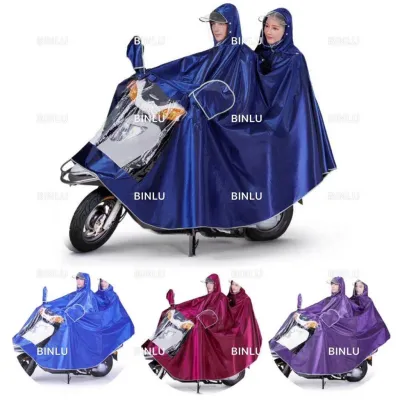
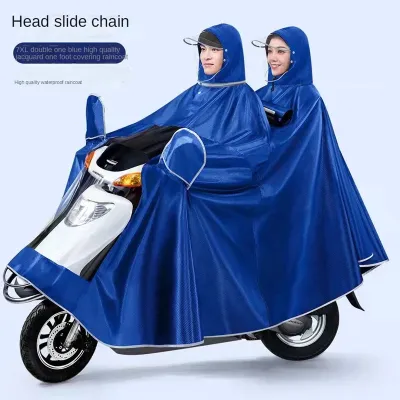
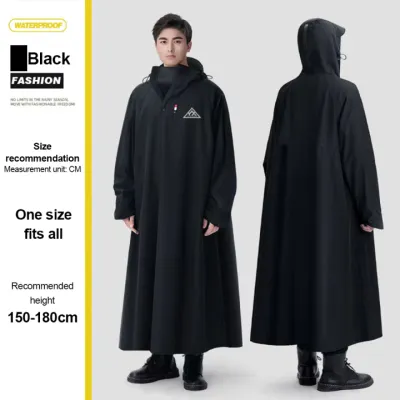
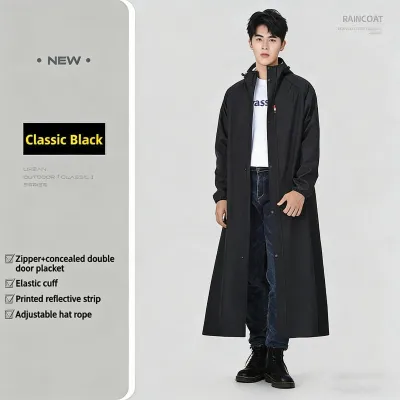
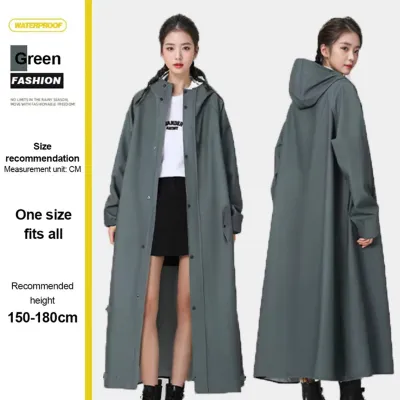
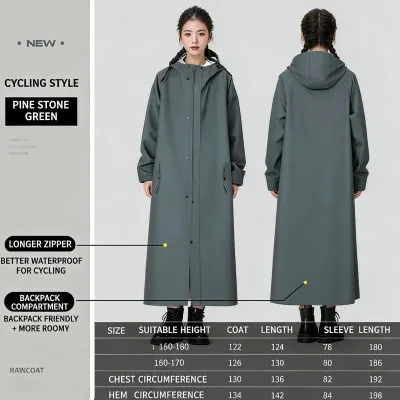
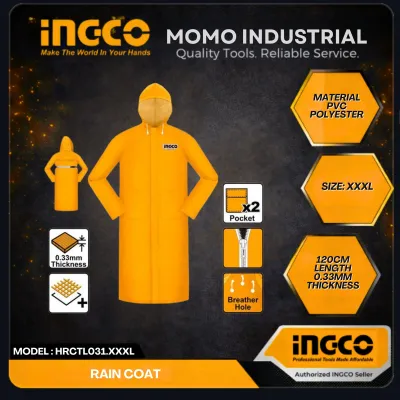
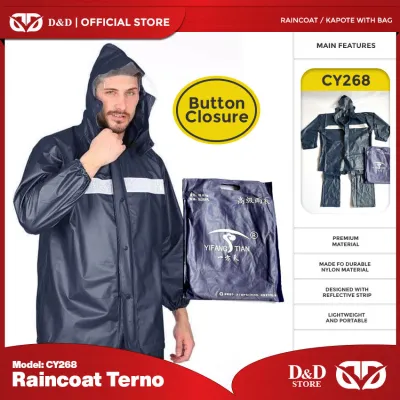
Prices are valid at publication and may change. Please refer to the product page for the latest price.
Generic oversized cuts are typically boxy and short. When you lean forward, a generic raincoat will pull tight across your upper back and shoulders. This tension restricts your arm movement, making steering inputs and sudden maneuvers more difficult and tiring. Additionally, the sleeves on a standard coat will slide up your forearms, leaving your wrists exposed to wind and driving rain.
Another major issue is the lack of accommodation for protective gear. Most safety-conscious riders wear an armored mesh or textile jacket, even in hot weather. A standard XXXL raincoat is not patterned to fit over the added bulk of shoulder and elbow protectors. Forcing a generic coat over an armored jacket puts immense stress on the seams and zippers, often causing them to split or leak during your commute.
Furthermore, standard raincoats are not long enough in the back to cover a seated rider. When you sit on your motorcycle, the jacket naturally rides up, exposing your lower back and waist. Water then pools on the seat and quickly seeps into your pants. Riding-specific gear is patterned with a longer back panel to ensure continuous coverage and prevent this common point of water ingress.
Essential Design Features for a Riding-Specific Raincoat
When searching for a high-quality riding raincoat, look for gusseted underarms and articulated sleeves. These design elements add extra fabric and curvature to the arm joints, allowing you to reach for the handlebars without pulling the rest of the jacket tight. This ensures your shoulders remain free to move, which is critical for maintaining precise control of your motorcycle.

Adjustable cuffs with secure storm flaps are another non-negotiable feature. At highway speeds, rain does not just fall; it is driven horizontally by the wind. If your cuffs are loose, water will easily force its way up your sleeves. Look for raincoats with wide hook-and-loop straps or heavy-duty elastic closures that allow you to seal the cuffs tightly over or under your riding gloves.
Visibility drops dramatically during heavy tropical downpours in the Philippines. To stay safe, your raincoat must feature high-visibility reflective panels or piping. These reflective elements should be strategically placed across the upper back, chest, and sleeves to ensure you remain visible to other motorists from all angles, even in low-light or misty conditions.
Water can also enter through the collar if it is not properly designed. A riding-specific raincoat should feature a high collar with an adjustable drawstring or hook-and-loop closure to seal out water. Some models include a thin, helmet-compatible hood that can be worn under your helmet to prevent water from running down your neck, which can then be stowed away when not in use.
Finally, pay close attention to the hem and seam construction. The back hem of the jacket should be significantly longer than the front to keep your lower back covered while seated. All seams must be fully taped or heat-sealed on the inside. Sewn seams that are not sealed will quickly let water penetrate under the pressure of wind and rain, rendering the raincoat ineffective.
How to Measure for a Raincoat Over Riding Gear
To find a raincoat that fits perfectly, you must take your measurements while wearing your usual riding apparel. Do not measure yourself in a t-shirt if you plan to wear an armored jacket underneath. Put on your thickest riding jacket, chest protectors, and any other gear you typically wear during your daily commute before you begin measuring.
To measure your chest and shoulders, wrap a flexible measuring tape around the widest part of your chest, keeping the tape parallel to the floor. Make sure the tape goes over the bulk of your jacket’s shoulder and chest armor. Write down this measurement, and add a few centimeters of clearance to ensure the raincoat can be easily zipped up without compressing your protective gear.
Sleeve length must be measured in a simulated riding position. Extend your arm forward with your elbow slightly bent, as if you are holding your motorcycle’s handlebars. Have someone measure from the center back of your neck, across your shoulder, down to your elbow, and finish at your wrist bone. This active measurement ensures the sleeves will be long enough to cover your wrists while riding.
For the jacket length, sit on your motorcycle or a chair of similar height to mimic your riding posture. Measure from the base of your neck down to your seat. This will help you determine if the raincoat’s back hem is long enough to prevent water from pooling at your waist. If you are buying a two-piece rain suit, measure your inseam while seated as well, as your knees will bend and pull the pant legs upward.
Where to Sourced Extended-Size Motorcycle Rain Gear in the Philippines
Your first stop should be specialized motorcycle gear shops and official brand stores. These retailers carry dedicated riding apparel lines that are specifically designed for the physical demands of motorcycling. Many of these shops stock international or regional brands that offer extended sizing up to XXXL or larger, ensuring you get a product designed with proper riding geometry.
When shopping on general e-commerce platforms, avoid using broad search terms like “big raincoat” or “oversized rain suit.” Instead, use highly specific search combinations such as “motorcycle rain suit XXXL,” “riding raincoat plus size,” or “two-piece motorcycle raincoat XXXL.” This helps filter out generic, low-quality ponchos and directs you to listings intended for motorcyclists.
If off-the-shelf retail options are limited or do not fit your specific proportions, consider reaching out to local custom gear makers or tailors. In the Philippines, there is a robust community of craftspeople who specialize in heavy-duty canvas, nylon, or upholstery-grade waterproof materials. Commissioning a custom-made rain suit allows you to specify exact measurements, reinforced seams, and custom pocket placements.
Whenever possible, visit physical flagship stores in major metropolitan areas to try on extended sizes before committing to a purchase. Trying on the gear in person allows you to sit on a mock-up seat or your own motorcycle to verify that the sleeves do not ride up, the back remains covered, and the shoulders do not bind when you reach for the handlebars.
How to Verify Sizing and Fit When Shopping Online
Shopping online for plus-size riding gear requires extra diligence to avoid purchasing generic garments mislabeled as riding gear. Always scrutinize the seller’s size chart rather than relying on the “XXXL” label alone. Check whether the measurements listed represent the actual dimensions of the garment (flat-lay measurements) or the recommended body measurements of the wearer.
If the size chart lists garment measurements, ensure they are at least 10 to 15 centimeters larger than your body measurements (taken while wearing your riding jacket) to allow for comfortable layering. If the chart is unclear, contact the seller directly to ask for clarification on whether the sizing is based on Asian or Western standards, as Western sizing tends to be more generous.
Analyze customer reviews and uploaded photos specifically for feedback on fit over armor and performance in a riding posture. Look for comments from other riders who mention their height, weight, and the type of riding jacket they wear underneath. Photos uploaded by customers can give you a realistic view of how the raincoat fits on a real person rather than a stylized product photo.
Finally, verify the seller’s return and exchange policies before making a purchase. Ensure the seller allows returns for sizing issues and check who covers the return shipping costs. Having a flexible return policy gives you peace of mind, allowing you to swap the raincoat for a different size if you find the fit is too restrictive or does not accommodate your riding gear.
Frequently Asked Questions (FAQ)
Can I use a regular XXXL rain poncho for motorcycle riding?
Using a regular XXXL rain poncho for motorcycle riding is highly discouraged due to significant safety and functional risks. At motorcycle speeds, the loose, excess fabric of a poncho will flap violently in the wind, which can distract you, obscure your vision, or catch on passing vehicles. Furthermore, loose fabric can easily get tangled in your motorcycle’s moving parts, such as the chain, wheels, or handlebars, leading to a dangerous loss of control. Ponchos also lack secure closures, meaning wind will easily blow water underneath, leaving you soaked.
Should I size up to 4XL if I wear a thick riding jacket underneath?
If you are purchasing a true, riding-specific raincoat, you generally do not need to size up to 4XL. Genuine motorcycle rain gear is already patterned and cut larger to accommodate the bulk of standard riding jackets and armor. Sizing up unnecessarily can result in excess, baggy fabric that flaps in the wind, increases aerodynamic drag, and compromises your safety. However, if you are buying a generic raincoat or if the manufacturer’s size chart explicitly states that the measurements are for body size without gear, sizing up to 4XL may be necessary to fit over your armor.
How do I clean and store a heavy-duty motorcycle raincoat?
To preserve the waterproof coating and structural integrity of your raincoat, always check the manufacturer’s care label for specific washing instructions. Avoid using harsh household detergents, fabric softeners, or bleach, as these chemicals can strip away the durable water repellent coating. Instead, hand wash the raincoat using a mild, tech-wash detergent or wipe it down with a damp cloth. Always air-dry the garment completely in a shaded, well-ventilated area before storing it. Storing a damp raincoat in a closed space will lead to mold, mildew, and the rapid degradation of the waterproof membranes.

Community discussion
Share your experience or ask a question. Comments are reviewed before publication.