
To find an ADV key cover that fits your Honda ADV 150 or ADV 160, you must match the specific generation of your scooter’s smart key fob, as the two models use entirely different key designs. The older Honda ADV 150 key fob features a distinct shape and button configuration that is physically incompatible with the redesigned, more compact key fob of the newer Honda ADV 160. Purchasing a cover based solely on the “ADV” name without verifying the model year often leads to misaligned button cutouts, blocked signals, or a cover that simply will not slip over the casing. This guide will walk you through the exact physical differences, key fitment factors, and online verification steps to ensure you select a compatible protective accessory for your smart key.
Understanding the Differences Between ADV 150 and ADV 160 Key Fobs
The first step in securing the right protection for your smart key is identifying the exact model year and fob version associated with your scooter. Honda introduced significant design updates when transitioning from the ADV 150 to the ADV 160, and these changes directly affected the physical layout of the keyless transmitter. Assuming that all ADV keys are identical is a common mistake that leads to ordering incompatible accessories.
The Honda ADV 150 smart key fob features a larger, more rectangular silhouette with defined edges. Depending on the specific market release, this fob typically utilizes a vertical layout with distinct physical buttons. These buttons control the answer-back system, the anti-theft alarm, and the smart ignition activation. The key ring loop on this older version is integrated into the bottom of the plastic casing, requiring a cover with a specific bottom cutout to allow a keychain or lanyard to pass through without stretching the material.
Products mentioned in this guide
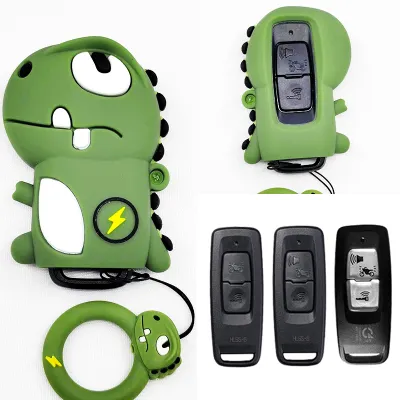
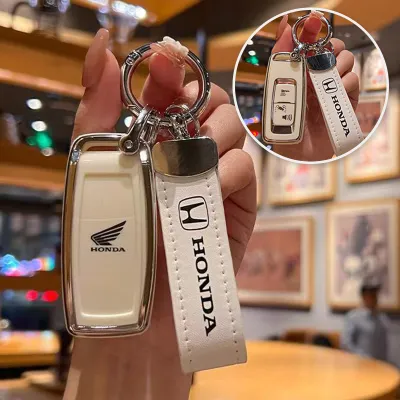
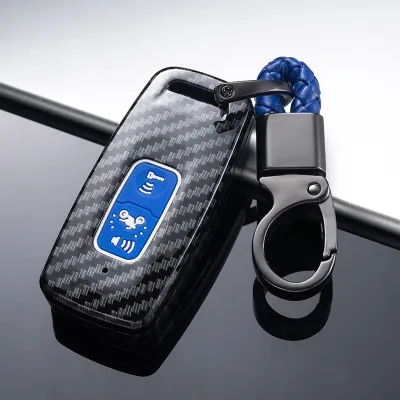
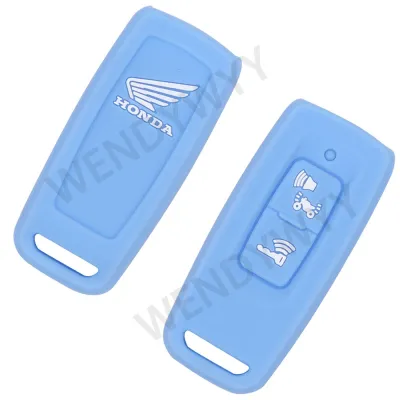
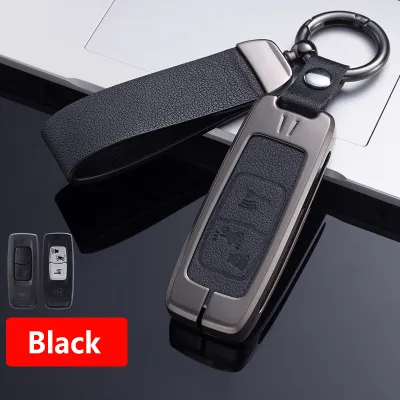
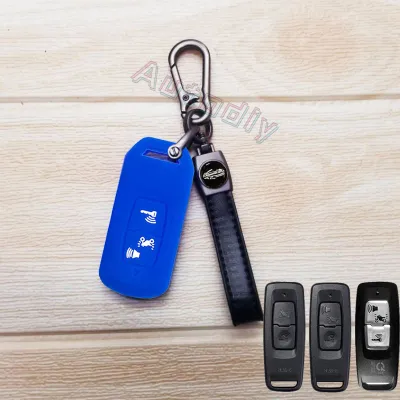
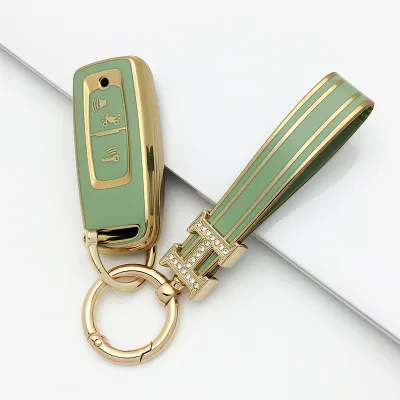
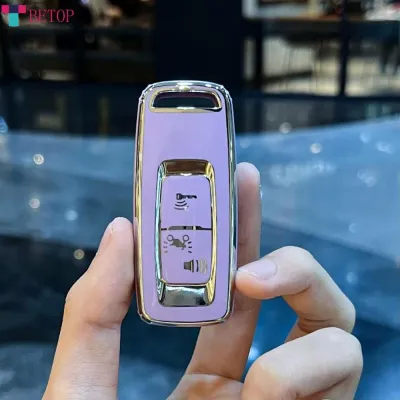
Prices are valid at publication and may change. Please refer to the product page for the latest price.
In contrast, the Honda ADV 160 key fob features a more streamlined, rounded, and compact design. The physical dimensions are noticeably smaller, and the button spacing is tighter to accommodate the updated internal circuitry. The buttons themselves may have different icons or a slightly altered tactile profile compared to the older generation. Because of these structural updates, a cover molded for the ADV 160 will be far too small to fit over an ADV 150 key, while an ADV 150 cover will leave the ADV 160 key sliding around inside, rendering the button cutouts completely useless.
To confirm your specific fob type before searching for accessories, do not rely solely on the registration year of your motorcycle, as transition-year models can sometimes carry over previous key designs. Instead, consult your owner’s manual or perform a direct visual inspection of your physical key. Note the overall shape, count the number of buttons, observe the placement of the small LED indicator light at the top, and check where the key ring loop is positioned. Having these physical details clear in your mind will make it much easier to spot the correct cover during your search.
Key Fitment Factors to Check Before Buying
When evaluating different ADV key covers, precise cutout alignment is the most critical factor to consider. A high-quality cover must align perfectly with every button on your smart key to maintain proper tactile feedback. If the cover’s molded buttons or cutouts are misaligned by even a millimeter, the material can apply constant, uneven pressure to the key’s switches. This can lead to accidental button presses, such as continuously triggering the anti-theft alarm while the key is in your pocket, or prematurely draining the key fob’s battery.

Another essential consideration is potential signal interference with the motorcycle’s smart key system. The key fob communicates with your scooter’s ignition receiver using low-power radio frequencies. Certain materials, particularly heavy metal alloys, aluminum frames, or thick carbon fiber replicas, can act as electromagnetic shields. This shielding can significantly reduce the effective range of your keyless system, forcing you to stand directly next to the scooter or even remove the key from its cover just to start the engine. To avoid this inconvenience, look for covers made from RF-transparent materials or hybrid designs that combine a protective outer frame with a signal-friendly TPU or silicone inner sleeve.
You must also evaluate edge coverage, material durability, and drop protection based on your daily riding and storage conditions. Riding in tropical climates, such as in the Philippines, exposes your gear to intense heat, high humidity, and sudden heavy downpours. A good key cover should offer robust shock absorption to protect the delicate internal circuit board if the key is dropped on concrete or asphalt. Additionally, the material should resist stretching, fading, or becoming sticky when exposed to sweat and sunlight over time. High-grade silicone, thermoplastic polyurethane (TPU), and treated leather are excellent choices that balance durability with reliable environmental protection.
How to Verify Compatibility When Shopping Online
Navigating online marketplaces requires a cautious approach to avoid sizing mismatches. Many sellers use generic, keyword-stuffed titles like “Honda ADV Key Cover 150/160” to capture more search traffic, even though the product itself is only compatible with one specific model. When browsing these listings, ignore the broad title and scroll down to read the detailed product description. Look for explicit mentions of model years and specific fob version identifiers to confirm which key the cover actually fits.
To ensure a precise match, always cross-reference the seller’s product images with your physical key. Reputable accessory manufacturers almost always include a compatibility graphic in their listing, showing a side-by-side comparison of the physical key fobs that their covers support. Compare the button shapes, the location of the LED indicator, and the key ring loop on your physical key with the diagram provided by the seller. If there is any discrepancy in the button layout or the overall silhouette, do not purchase the item, as it will not fit your key properly.
Finally, always review the seller’s return and exchange policy before finalizing your purchase. Even with careful checking, minor manufacturing variances or ordering errors can occur. Choosing a seller that offers a clear, hassle-free return policy provides a reliable safety net. In the Philippines, local e-commerce platforms provide buyer protection windows, but these typically require you to keep the original packaging undamaged. Keeping the packaging intact during your initial fitment test ensures you can easily exchange the cover if you encounter any unexpected compatibility issues.
Installation and Daily Maintenance Tips
Properly installing your new ADV key cover is essential for maintaining both the appearance and the functionality of your smart key. Before sliding the fob into the cover, clean the key’s surface thoroughly with a dry microfiber cloth to remove oils, sweat, and dust. If you use a damp cloth or a mild cleaning solution, ensure the key is completely dry before putting the cover on. Trapped moisture inside a sealed silicone or TPU cover can create a humid microclimate, which can lead to corrosion of the internal battery contacts and circuit board over time.
Once the cover is installed, perform a quick functional check to ensure it does not obstruct the key’s emergency features. Most Honda smart keys contain a physical mechanical key tucked inside the fob casing, which is accessed via a small release latch. This mechanical key is crucial for opening the seat or accessing the battery compartment if your smart key battery dies. Ensure that your new cover does not block this release mechanism or make it impossible to slide the mechanical key out when needed.
Daily maintenance is also necessary to prevent long-term wear on your key fob. Every few weeks, carefully slide the key out of its cover to inspect and clean it. Dust, sand, and pocket lint can easily slip past the edges of the cover over time. If left uncleaned, these tiny abrasive particles act like sandpaper under the constant vibration of daily riding, causing micro-scratches that can permanently dull the plastic finish of your original key fob. A quick wipe-down of both the key and the inside of the cover will keep your smart key looking brand new for years to come.
Frequently Asked Questions (FAQ)
Can I use an ADV 150 key cover on an ADV 160?
No, cross-compatibility between these two models is generally not possible. The Honda ADV 150 and ADV 160 key fobs have distinct physical dimensions, thicknesses, and button configurations. An ADV 150 cover will be too loose or misaligned for an ADV 160 key, while an ADV 160 cover will not stretch over the larger ADV 150 fob. Always purchase a cover specifically labeled for your exact scooter model and key generation to ensure proper protection and button access.
Will a silicone or metal cover block the smart key signal?
Silicone, TPU, and leather covers are RF-transparent and will not affect your smart key’s signal range. However, covers made of solid metals, heavy alloys, or carbon fiber can degrade the signal, reducing the range of your keyless ignition and answer-back system. If you choose a metal-style cover, ensure it features a hybrid design with plastic or silicone windows that allow the radio signals to pass through unobstructed. Test the keyless ignition and locking range immediately after installation to confirm normal operation.
How do I clean my key cover without damaging it?
The cleaning method depends on the material of your cover. For silicone, plastic, or TPU covers, wash them with mild dish soap and warm water, then dry them completely with a lint-free cloth before reinserting the key fob. For leather covers, wipe them down with a slightly damp cloth and apply a small amount of leather conditioner to prevent cracking from sun exposure. Avoid using harsh chemical solvents, alcohol-based wipes, or abrasive pads, as these can strip away protective coatings, fade printed button icons, or degrade the material.
Community discussion
Share your experience or ask a question. Comments are reviewed before publication.