
Selecting a motorcycle helmet requires balancing safety, comfort, and cost. In the Philippines, where daily commutes involve navigating dense city gridlock, sudden tropical downpours, and intense midday heat, choosing a high-quality helmet is one of the most critical decisions a rider can make. Airoh, an Italian brand highly regarded for its lightweight designs and off-road heritage, offers a diverse range of helmets catering to various budgets. Finding the ideal model means identifying which features genuinely match your daily riding habits and which ones you can do without to stay within your target price.
Establishing Your Safety Baseline and Budget Framework
Before browsing specific models, you must understand the legal and safety baselines required for riding on Philippine roads. Every helmet used by a rider or passenger must meet recognized international standards, such as the European ECE (Economic Commission for Europe) or American DOT (Department of Transportation) certifications. In the Philippines, these standards are legally enforced by the Land Transportation Office (LTO), which requires helmets to carry an Import Commodity Clearance (ICC) sticker or a Philippine Standard (PS) mark. These certifications guarantee that the helmet has undergone rigorous impact and penetration testing to protect your head during an accident.
To make a practical decision, it helps to categorize your budget into three distinct tiers. The entry-level tier (typically ranging from ₱4,000 to ₱7,000) is designed primarily for daily city commuting and short-distance trips. The mid-range tier (ranging from ₱8,000 to ₱15,000) serves weekend tourers, highway riders, and daily commuters who spend hours on the road. The premium tier (ranging from ₱16,000 to ₱30,000 or more) is engineered for track days, high-performance sport riding, and professional off-road racing.
Products mentioned in this guide
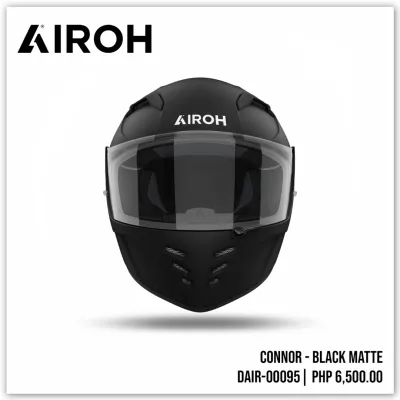
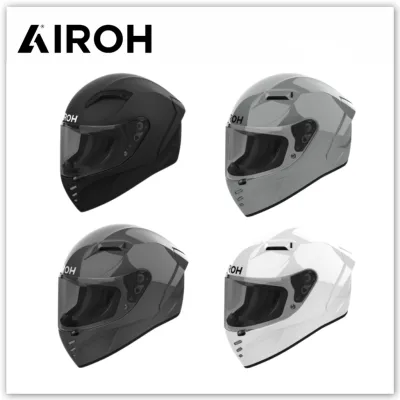
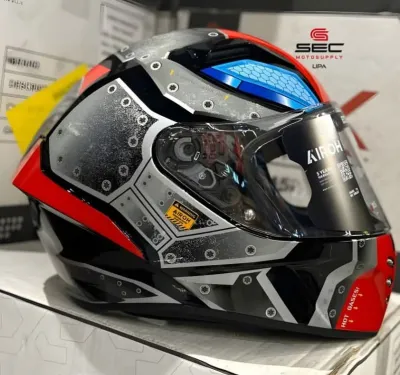
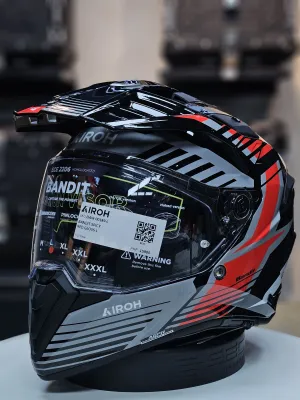
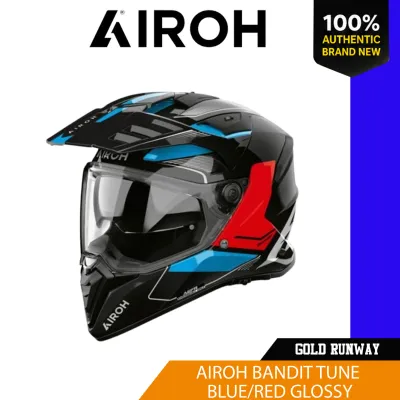
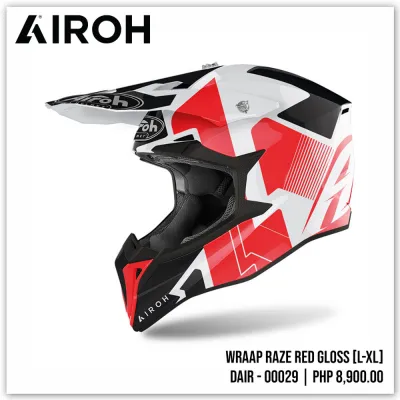
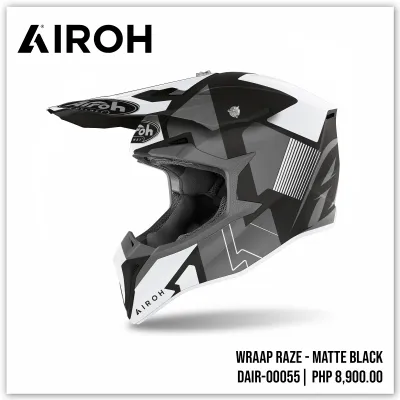
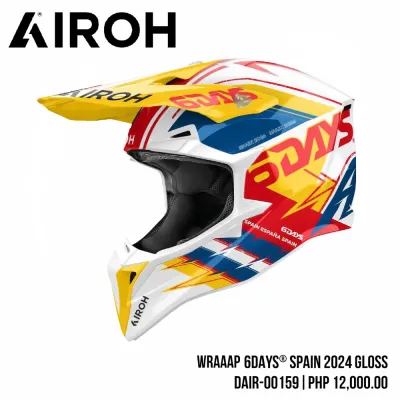
Prices are valid at publication and may change. Please refer to the product page for the latest price.
When working within a budget, you must distinguish between non-negotiable safety features and acceptable compromises. A certified safety rating, a secure retention system, and a correct head fitment are completely non-negotiable. If a helmet does not fit your specific head shape or lacks legitimate safety certifications, it cannot protect you effectively. Conversely, you can compromise on premium shell materials like carbon fiber, highly advanced aerodynamic spoilers, intricate graphic designs, and luxury interior fabrics if you need to keep costs down.
Your primary decision logic should always prioritize safety and fit over aesthetics. A plain, solid-color helmet that fits your head perfectly and carries a certified ECE rating is infinitely safer than a flashy, graphic-heavy helmet that is loose or uncertified. Always allocate your budget toward structural integrity and proper sizing before considering secondary cosmetic features.
Entry-Level Tier: Essential Protection for City Commuting
Entry-level Airoh helmets are engineered to provide reliable protection for riders who need a dependable helmet without a massive financial investment. Helmets in this tier typically feature shells made of High Resistant Thermoplastic (HRT). This material offers excellent impact resistance and durability, though it is inherently heavier than composite fibers. The ventilation systems in this tier are functional but basic, usually consisting of standard chin and top intake vents paired with simple rear exhaust ports. Visors are typically scratch-resistant and offer a wide field of view, though they may lack advanced anti-fog coatings out of the box.

This tier is best suited for daily city commuting, short-distance errands, and beginner riders. If your typical ride consists of navigating stop-and-go traffic in Metro Manila, Cebu, or Davao at moderate speeds, an entry-level helmet provides all the structural protection you need. The lower speeds of city riding also mean that advanced high-speed aerodynamics and extreme noise insulation are less critical.
Choosing an entry-level helmet does involve some clear compromises. Because thermoplastic is heavier than composite materials, these helmets generally weigh more, which can lead to mild neck fatigue during extended rides. The interior padding is comfortable but uses simpler, less plush fabrics that may wear out faster under heavy daily use. Additionally, wind noise insulation is basic, meaning you will experience more ambient road noise at highway speeds.
Before finalizing your purchase, use this physical verification checklist to ensure the helmet is safe and authentic:
- Certification Check: Look for a genuine ECE 22.05 or ECE 22.06 certification label sewn into the chin strap, along with a valid ICC sticker on the rear of the shell.
- Retention System: Verify that the micrometric buckle or Double D-ring system fastens securely and does not slip when pulled hard.
- Visor Mechanism: Open and close the visor multiple times to ensure the detents hold the visor in place and the seal against the eyeport gasket is tight.
- Shell Inspection: Check the outer shell for any micro-cracks, deep scratches, or soft spots in the internal EPS liner.
If your current budget only allows for an uncertified helmet or a model that does not fit your head shape correctly, you must follow the drop-down rule: delay your purchase. It is far safer to continue saving your money until you can afford a certified, properly fitting entry-level helmet than to risk your life with inadequate head protection.
Mid-Range Tier: Upgrading Comfort for Highway and Touring
Stepping up to Airoh’s mid-range tier introduces significant upgrades in materials, comfort, and functionality. One of the most notable improvements is the transition from thermoplastic to High Performance Composite (HPC) or fiberglass blend shells. These materials are substantially lighter while maintaining exceptional structural strength. Furthermore, mid-range models feature more sophisticated aerodynamic profiles developed through wind-tunnel testing, alongside advanced ventilation systems. This enhanced airflow is incredibly valuable in the tropical Philippine climate, as it actively draws heat and humidity away from the rider’s head.
This tier is highly recommended for weekend touring, provincial highway riding, and daily commuters who spend more than an hour in the saddle. If you frequently travel long stretches on the North Luzon Expressway (NLEX), South Luzon Expressway (SLEX), or scenic provincial routes, the reduced weight and improved aerodynamics of a mid-range helmet will drastically reduce neck strain and rider fatigue.
When shopping in this tier, there are several essential features you should prioritize:
- Pinlock-Ready Visor: Ensure the visor is equipped with pins for a Pinlock anti-fog insert. This is vital for maintaining clear vision during sudden monsoon downpours or humid early morning rides.
- Integrated Sun Visor: A drop-down inner sun visor is highly convenient for transitioning between bright tropical sunlight and shaded mountain passes or tunnels.
- Intercom Compatibility: Look for dedicated speaker pockets and wire routing channels in the EPS liner to accommodate Bluetooth communication systems easily.
The value proposition of the mid-range tier centers on physical comfort and mental focus. A lighter, quieter, and better-ventilated helmet directly reduces physical fatigue on long journeys. When you are comfortable and free from distracting neck pain or excessive wind noise, you can maintain better situational awareness and react faster to road hazards.
Fitment nuances also become more refined in this tier. Mid-range helmets often offer multiple shell sizes across their size range, ensuring a closer fit that does not look overly bulky. They also feature customizable interior options, such as interchangeable cheek pads of varying thicknesses. Always try the helmet on in person to verify that it matches your specific head shape—whether intermediate oval or round—before purchasing.
Premium Tier: High-Performance Features for Enthusiasts
Premium Airoh helmets represent the pinnacle of the brand’s engineering, utilizing cutting-edge materials and advanced manufacturing techniques. Helmets in this tier feature full carbon fiber or Kevlar-composite shells, which provide maximum impact protection at the lowest possible weight. Their aerodynamic shapes are highly optimized in specialized wind tunnels to eliminate buffeting and lift at high speeds. Additionally, premium models incorporate advanced safety systems like the Airoh Emergency Fast Release (AEFR), which allows emergency medical personnel to safely remove the cheek pads while the helmet is still on the rider’s head.
This tier is designed for track days, aggressive sport riding, and long-distance luxury touring where performance and safety cannot be compromised. If you ride high-displacement motorcycles or participate in competitive track events, a premium helmet provides the structural integrity and high-speed stability required for extreme riding conditions.
The high cost of a premium helmet is justified by the extreme weight reduction and high-end finishing details. A premium carbon fiber helmet can weigh significantly less than a thermoplastic equivalent, virtually eliminating neck fatigue even after a full day of riding. You also benefit from premium interior liners that are hypoallergenic, moisture-wicking, and exceptionally soft, alongside factory-applied anti-fog and anti-scratch visor treatments.
Owning a premium helmet comes with stricter maintenance requirements to preserve its specialized materials. To clean these high-end finishes and delicate interior liners, always check the applied cleaning product’s label and the helmet manufacturer’s specific care instructions. If instructions conflict, the item is unidentified, or the use is not covered, stop and consult the manufacturer or a qualified professional to avoid damaging the structural integrity of the shell or EPS. Never use harsh household detergents, window cleaners, or abrasive cloths on your helmet, and store it in a padded bag away from direct sunlight and extreme heat when not in use.
Casual city commuters should keep a practical reality check in mind. A premium helmet’s advanced aerodynamic spoilers and high-speed ventilation channels are designed to function at highway and track speeds. In heavy, slow-moving city traffic, these features will not be fully utilized, and the highly sealed design may actually feel warmer than a well-ventilated mid-range or open-face helmet. Avoid overspending on high-speed performance metrics if your riding is strictly limited to urban commuting.
Navigating Hidden Costs and Avoiding Counterfeits
When budgeting for your Airoh helmet, you must look beyond the initial retail price and account for potential hidden costs. If you choose to order a specific model from overseas sellers, remember to factor in shipping fees and potential import taxes. Additionally, consider the cost of essential aftermarket accessories. If the helmet does not include a Pinlock anti-fog insert, you will need to purchase one separately to handle rainy-season riding. Replacement visors, tinted or mirrored shields, and compatible Bluetooth intercom units can also add several thousand Pesos to your overall expenditure.
To protect your safety and your investment, you must buy exclusively from authorized local motorcycle gear shops or official brand storefronts on reputable e-commerce platforms. The market contains numerous counterfeit helmets that mimic Airoh’s distinct designs and logos but use cheap, brittle plastics and substandard foam liners. These replica helmets will shatter upon impact, offering virtually zero protection in a crash.
Avoid false economies, such as purchasing a used helmet or buying a suspiciously discounted unit from an unverified online seller. A used helmet is a major safety risk because the internal EPS liner degrades over time and may have sustained micro-fractures from a previous drop, even if the outer shell looks pristine. Additionally, helmets have a physical lifespan—typically five years from the date of manufacture or three years from the date of first use—after which the protective materials begin to break down naturally.
Ultimately, the right Airoh helmet is the one that meets legal safety standards, fits your head shape perfectly, and aligns with your actual riding habits. By understanding what each budget tier offers and focusing on non-negotiable safety requirements, you can confidently select a helmet that protects your life while respecting your financial limits.

Community discussion
Share your experience or ask a question. Comments are reviewed before publication.