
Choosing the right alpine star boots for your motorcycle rides requires a clear understanding of your primary riding environment. The ideal footwear for navigating congested urban streets differs significantly from the gear needed for long-distance highway travel. For daily commuters, the priority lies in lightweight construction, flexibility, and high airflow to handle constant stop-and-go traffic. Conversely, long-distance touring riders require robust ankle stabilization, extensive shin armor, and reliable weatherproofing to endure hours of continuous highway speeds. Selecting the wrong type of boot can lead to severe discomfort, premature wear, or compromised safety. By evaluating how and where you ride, you can choose a pair of boots that provides the optimal balance of protection, comfort, and durability.
Defining Your Riding Needs: City Traffic vs. Open Highway
The physical demands placed on a rider’s feet and ankles vary dramatically between city riding and open-highway touring. In dense urban areas, riding is characterized by constant gear shifts, frequent stops, and the need to put your feet down on uneven asphalt. You must also consider the time spent off the motorcycle, whether walking into an office, running errands, or navigating pedestrian spaces. This environment demands a flexible sole and lightweight materials that do not restrict movement or cause fatigue during short walks.
On the other hand, long-distance touring involves sustained speeds on provincial highways, where wind resistance, engine vibrations, and prolonged static positioning place different strains on your lower limbs. Without proper ankle support and vibration damping, hours in the saddle can lead to significant joint fatigue and numbness. Furthermore, high-speed riding increases the impact force of flying road debris, gravel, and insects, making comprehensive shin and ankle protection a necessity rather than an option.
Products mentioned in this guide
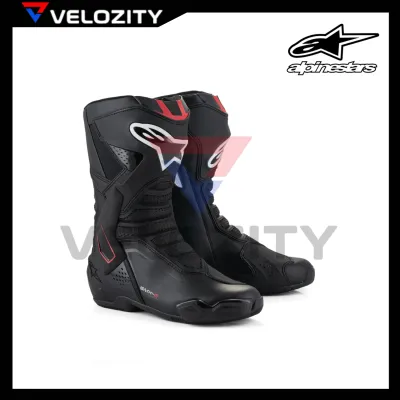
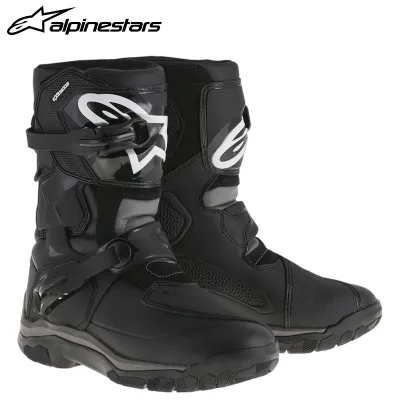
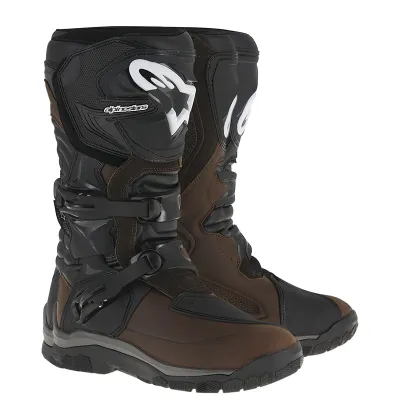
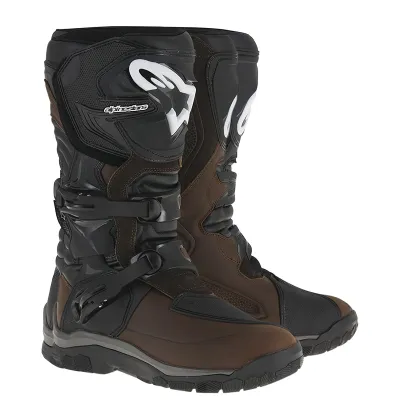
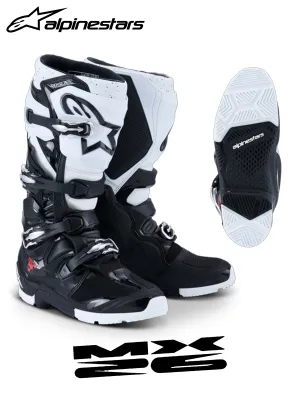
Prices are valid at publication and may change. Please refer to the product page for the latest price.
The tropical climate of the Philippines adds another layer of complexity to this decision. High humidity and intense heat can cause rapid sweat buildup inside heavily armored boots, leading to discomfort and skin irritation. Conversely, the sudden and heavy downpours of the wet season require reliable waterproofing to prevent your feet from becoming completely waterlogged during a ride. Because no single boot can perfectly master every climatic extreme, identifying your most frequent riding scenario is the first step toward finding the right pair of alpine star boots.
Choosing Alpinestars Boots for Daily Commuting
For daily commuting, your footwear must blend on-bike safety with off-bike practicality. Alpinestars addresses this need through its dedicated urban, sport-city, and short-riding shoe categories. These designs prioritize lightweight construction and flexible soles that mimic the comfort of standard walking shoes while retaining essential safety features. A key benefit of these short boots is their quick entry and exit systems, which often utilize speed laces, side zippers, or secure strap closures, allowing you to gear up or down rapidly before and after work.

Breathability is a critical factor when riding through hot, humid city traffic. Commuting boots designed for warm climates frequently feature highly perforated microfiber panels, breathable mesh linings, and lightweight textile inserts that maximize airflow around the foot. This ventilation helps dissipate engine heat and sweat, keeping your feet dry and comfortable during slow-moving commutes. However, if you commute year-round, you must weigh this ventilation against wet-weather performance. While fully waterproof membranes keep rain out, they inherently restrict airflow, making them run warmer on hot days. Many daily riders opt for highly ventilated shoes for the dry summer months and keep a separate pair of waterproof covers or a dedicated waterproof boot for the rainy season.
Another essential feature to look for in a commuting boot is a reinforced shift pad. The constant gear shifting required in stop-and-go traffic subjects the upper toe box of your left boot to repetitive friction and pressure. Without a dedicated TPU or heavy-duty leather shift pad, the constant contact with the gear shifter will quickly wear through the material, ruining the boot’s appearance and structural integrity. Choosing a model with a robust, integrated shift pad ensures your boots can withstand the daily grind of urban commuting without premature wear. For budget planning, entry-level urban riding shoes typically range from ₱6,000 to ₱9,000 in local retail channels.
Selecting Alpinestars Boots for Long-Distance Touring
When preparing for long-distance touring or multi-day provincial road trips, your requirements shift heavily toward maximum protection, support, and weather resistance. Alpinestars’ adventure, touring, and mid-calf boot categories are engineered specifically for these demanding conditions. These boots feature extended shin and calf guards made of high-impact polymers to protect your legs from flying rocks and debris kicked up on provincial roads. Additionally, they incorporate rigid lateral ankle bracing systems that limit dangerous twisting movements while still allowing the forward and backward flex needed to operate the foot controls.
Weather protection is paramount when you are hours away from home and facing unpredictable weather systems. Premium touring boots utilize advanced waterproof and breathable liners, such as Gore-Tex or proprietary Drystar membranes, to ensure your feet remain dry during sudden tropical downpours. These specialized liners are engineered to block external liquid water from entering the boot while allowing microscopic sweat vapor molecules to escape, preventing the clammy, wet feeling associated with basic rubber boots. This continuous moisture management is essential for maintaining foot health and comfort over long consecutive days of riding.
Furthermore, the outsoles of touring boots are designed with deep, aggressive tread patterns to provide secure traction on slippery, wet, or unpaved surfaces, which is particularly useful when stopping on gravel shoulders or navigating muddy provincial roads. These soles also feature internal steel or polymer shanks that reinforce the boot’s structure, distributing your weight evenly across the footpegs and dampening high-frequency engine vibrations that cause foot numbness. While these features add noticeable weight and stiffness—making them less suitable for casual walking—the trade-off is a massive increase in safety and riding comfort over long distances. High-quality touring models generally fall into the ₱12,000 to ₱22,000 price band depending on the specific technical membranes used.
The Compromise: Can One Pair Handle Both Scenarios?
For riders who cannot justify purchasing two separate pairs of specialized boots, finding a single versatile option is a common goal. Mid-height adventure-touring boots or hybrid sport-touring shoes serve as a practical bridge between pure urban commuting footwear and heavy-duty long-distance gear. These mid-cut designs offer substantially more ankle support and shin protection than a standard riding shoe, yet they remain lighter, shorter, and more flexible than full-length touring boots, making them easier to walk in during short stops.
However, choosing a hybrid boot always involves clear trade-offs. A mid-height boot will not offer the same level of extreme impact protection or shin coverage as a full-height adventure boot, nor will it match the lightweight, breezy comfort of a highly perforated urban riding shoe in slow-moving city traffic. The waterproof membranes found in many hybrid boots can also make them uncomfortably warm during the hottest midday hours in the city, where airflow is minimal.
To make the right choice, you should apply the 80/20 rule to your riding habits. If approximately 80% of your weekly mileage consists of short city commutes and only 20% is spent on weekend highway tours, you should lean toward a highly protective, breathable commuting shoe that prioritizes daily comfort. Conversely, if you spend 80% of your riding time on long highway journeys and provincial loops, you should prioritize a dedicated touring boot to ensure maximum safety and weather protection, accepting the minor inconvenience of stiffness during occasional city rides. Avoid the temptation to use highly specialized track boots for daily commuting, as their rigid plastic sliders and stiff soles make walking difficult, and avoid using lightweight, sneaker-style riding shoes for high-speed highway touring where structural support is critical.
Sizing, Fit, and Boot Care in Tropical Climates
Achieving the correct fit is essential for both safety and comfort, especially when wearing your boots for extended periods. When trying on alpine star boots, always wear the specific technical riding socks you plan to use on the road. It is important to account for natural foot swelling, which occurs during long rides in hot, humid climates due to gravity and heat. A boot that feels perfectly snug in an air-conditioned showroom may become painfully tight and restrict circulation after two hours on a hot highway. Ensure there is a small amount of wiggle room for your toes while your heel remains securely locked in place without lifting when you walk.
Maintaining your boots in the humid tropical climate of the Philippines is vital to prevent material degradation and extend their lifespan. If your boots become soaked during a sudden downpour, never use direct heat sources like hairdryers, campfires, or direct sunlight to dry them quickly. Excessive heat can dry out leather, weaken structural adhesives, and melt or warp delicate waterproof membranes. Instead, remove the inner soles, stuff the boots with clean newspaper or paper towels to absorb internal moisture, and allow them to air-dry naturally at room temperature in a well-ventilated indoor space.
To prevent the buildup of mold, mildew, and unpleasant odors, regularly wipe off road grime, mud, and salt using a soft, damp microfiber cloth after your rides. Once clean, store your boots in a cool, dry, and well-ventilated area away from direct sunlight. Before applying any aftermarket leather conditioners, cleaning solutions, or waterproofing sprays, always check the manufacturer’s care label located inside the boot. Using unauthorized chemicals can degrade synthetic materials, clog breathable membranes, or void your warranty, so adhering to the official care guidelines is always the safest course of action.
Frequently Asked Questions (FAQ)
Do Alpinestars riding boots run true to size?
Alpinestars boots generally align with standard European sizing, but their fit can vary depending on the specific product line. Sport and racing models often feature a narrower, more aggressive fit to maximize control, while urban riding shoes and touring boots typically offer a wider, more relaxed toe box to accommodate walking and long-term comfort. Because of these design variations, it is highly recommended to consult the specific model’s size chart and measure your feet carefully before purchasing. If you are buying online, always verify the retailer’s return or exchange policy so you can swap the boots if the initial fit is not perfect.
How do I know when it is time to replace my motorcycle boots?
You should replace your motorcycle boots whenever there are visible signs of structural compromise or wear that reduces their protective capabilities. Inspect the outsoles regularly; if the tread is worn smooth or the rubber has compressed, you will lose critical grip when stopping on wet or oily surfaces. Look for cracked armor inserts, frayed or loose stitching along key seams, or a failure in the waterproof liner that allows water to seep in during minor rain. Because safety gear degrades over time due to friction, UV exposure, and repeated wet-dry cycles, continuing to ride in compromised boots puts your feet and ankles at serious risk during an accident.
Community discussion
Share your experience or ask a question. Comments are reviewed before publication.