
Navigating the sudden, torrential downpours of the Philippine rainy season presents a formidable challenge for daily drivers, as water quickly pools on highways and urban streets, threatening to sever the critical connection between your vehicle and the road. To secure reliable wet grip and resist dangerous hydroplaning, you must select Bridgestone all-season tires featuring deep circumferential grooves, high-density lateral siping, and specialized silica-rich compounds, while verifying that their load and speed ratings precisely match your vehicle’s original equipment manufacturer (OEM) specifications. While all-season tires in a tropical climate do not need to contend with winter snow, they must handle extreme transitions from dry, sun-baked asphalt to deep standing water. Choosing a tire engineered specifically for rapid water evacuation is the most effective way to maintain steering control and braking efficiency when the weather takes a sudden turn.
What tire features actually prevent hydroplaning in heavy rain?
Tires prevent hydroplaning by utilizing deep longitudinal grooves to channel bulk water away from the contact patch and fine lateral sipes to slice through the remaining thin film of water on the road surface. This continuous evacuation ensures that the rubber maintains direct physical contact with the pavement rather than floating on a cushion of water. When a vehicle travels over a wet road, the tire must displace liters of water every second; if the water cannot escape fast enough, a wedge of fluid builds up in front of the tire, eventually lifting the tread off the road and causing a complete loss of steering and braking control.
The primary defense against this phenomenon is the tread pattern’s geometry. Deep longitudinal grooves, which run circumferentially around the tire, act as primary drainage canals, directing the bulk of the water backward and away from the tire’s path. Complementing these grooves are lateral sipes—tiny slits cut into the tread blocks. These sipes act like miniature windshield wipers, breaking the surface tension of the water film at the microscopic level so the rubber compound can adhere to the road surface.
Products mentioned in this guide
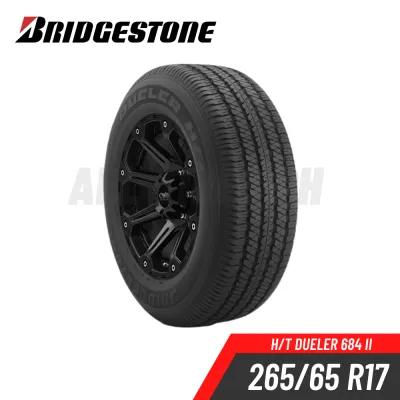
333 Lazada user ratings
Already using the tires. I am happy to have 3522 manufacturing date (Aug or Sept 2022). This is the 2nd Batch of my Purchase w/c complete th…Read full reviewShow less
Already using the tires. I am happy to have 3522 manufacturing date (Aug or Sept 2022). This is the 2nd Batch of my Purchase w/c complete the 4 tires. Sana mey give aways si seller pang spare...para brand new lahat :-) Thanks to seller "All Tires PH" great job on your discounts👍
apat po inorder ko, nalate ng dating yung isa, kinabukasan dumating ang isa pagtanggal ko ng plastic nya may sira. napaka delikado para sa p…Read full reviewShow less
apat po inorder ko, nalate ng dating yung isa, kinabukasan dumating ang isa pagtanggal ko ng plastic nya may sira. napaka delikado para sa pamilya natin ayaw nila irefund ang pera ko, wag kayong bibili dito
2nd order ko na legit at maayos ang item 6pcs and good thank you seller . looking forward ulit.sa next transact. nakabit n din pla agad high…Read full reviewShow less
2nd order ko na legit at maayos ang item 6pcs and good thank you seller . looking forward ulit.sa next transact. nakabit n din pla agad highly recommended👌💯
seller highly recommended. delivered tire is what i ask for. DOT latest 2023.
3rd time ko na nag order! Sobrang legit! Sa uulitin po! Thank you.
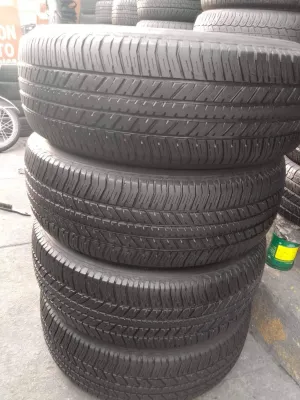
30 Lazada user ratings
I am requesting a return and full refund for all 4 tires. All four tires arrived in a condition that makes them unsuitable and unsafe for us…Read full reviewShow less
I am requesting a return and full refund for all 4 tires. All four tires arrived in a condition that makes them unsuitable and unsafe for use. The bead areas of the tires, which must properly seal against the wheel rims, show damage/deformation. The tires have NOT been used or driven on. The damage was discovered during inspection before installation. Because these are vehicle tires and this condition may affect proper mounting, air sealing, and driving safety, I cannot use them. I am returning all 4 tires and requesting a FULL REFUND, including any applicable shipping charges. Please refer to the attached photos showing the condition of the tires upon receipt.
wow na wow!! I highly recommend this shop! seller is true to his/her word! wala patching holes yung gulong! thread life is more than 85% not…Read full reviewShow less
wow na wow!! I highly recommend this shop! seller is true to his/her word! wala patching holes yung gulong! thread life is more than 85% not bad at all!!! more power to you!! 🙏🙏🙏💯💯💯
Ok lang for price 65 percent
2nd purchase!!! Ang galing!!
Appearance:good
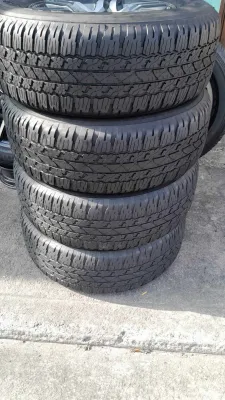
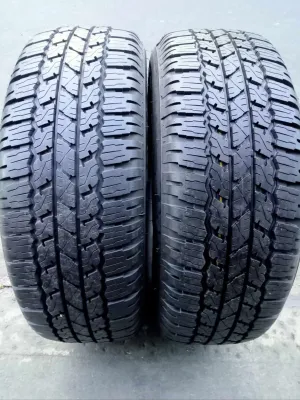
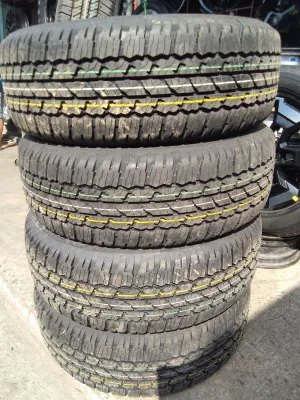
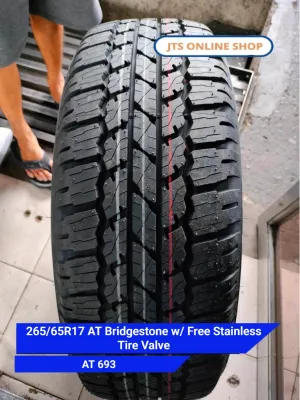
4 Lazada user ratings
Legit distributor. It’s been my 2nd time purchasing item from them
i think its genuine. So far ok.
mabilis delivery, dop 0223
Prices are valid at publication and may change. Please refer to the product page for the latest price.
Beyond the physical pattern, the chemical composition of the tread compound plays a decisive role in wet traction. Modern wet-weather tires incorporate high concentrations of silica within their rubber formulations. Silica allows the tread to remain highly flexible at various operating temperatures, ensuring the rubber can conform to the microscopic irregularities of wet asphalt. A stiff, non-pliable compound will slide over wet surfaces, whereas a flexible, silica-rich compound maintains a high coefficient of friction even when lubricated by rain.
Vehicle weight and tire dimensions also influence hydroplaning dynamics. A wider tire has a larger contact patch, which is excellent for dry grip but can increase the risk of hydroplaning because there is more surface area trying to push through standing water. Conversely, a heavier vehicle exerts more downward force per square inch, helping to cut through the water layer. However, regardless of vehicle weight or tire width, speed remains the most critical variable; as speed increases, the time available for water to escape from beneath the contact patch decreases exponentially, making tread design and depth the ultimate safeguards.
How do you verify a specific Bridgestone all-season model's wet performance?
You can verify a Bridgestone tire’s wet performance by checking the standardized wet grip ratings on the tire’s official specification sheet and cross-referencing its load index and speed rating with your vehicle’s owner’s manual. These standardized metrics provide an objective baseline of traction capabilities under wet conditions, independent of marketing claims. Relying solely on visual tread patterns or generic product descriptions can lead to choosing a tire that does not align with your vehicle’s weight, handling characteristics, or safety requirements.
To begin your verification, look for the Uniform Tire Quality Grading (UTQG) standards, which are molded into the tire’s sidewall and listed on official manufacturer specifications. The UTQG traction rating specifically measures a tire’s ability to stop on wet concrete and asphalt under controlled testing conditions. Ratings are graded as AA, A, B, or C, with AA representing the highest level of wet braking performance. For the heavy rain and sudden stops common on Philippine roads, prioritizing tires with an ‘A’ or ‘AA’ traction rating offers an established safety margin.
Additionally, if you are looking at tires sourced or certified under international labeling systems, such as the European tire label, you will find a dedicated wet grip class rated from A to E. An ‘A’ rating indicates the shortest wet braking distances, while lower grades indicate progressively longer stopping distances. These standardized labels allow you to compare different Bridgestone families—such as touring, highway, or ultra-high-performance lines—on a level playing field before making a purchase.
Before finalizing any tire selection, you must consult your vehicle’s owner’s manual or the tire information placard located on the driver’s side door jamb to identify the OEM-recommended tire size, load index, and speed rating. For example, if your SUV requires a size of 265/65 R17 with a load index of 112 and a speed rating of T, installing a tire with a lower load index or speed capacity is highly dangerous. Under-rated tires can suffer from excessive heat buildup, sidewall flexing, and compromised wet handling, which increases the risk of structural failure under heavy loads or during sudden evasive maneuvers on wet highways.
Which tread designs in the Bridgestone lineup prioritize water evacuation?
Bridgestone’s lineup features asymmetric and directional tread designs with wide circumferential grooves and open shoulder blocks specifically engineered to maximize water displacement. These designs are categorized into touring, highway, and performance sub-categories, each balancing wet-weather evacuation with specific driving dynamics. Understanding how these tread patterns function allows you to select a tire that matches your typical driving environment, whether you navigate congested city streets or high-speed expressways during monsoon downpours.
Asymmetric tread patterns are highly common in modern premium touring and passenger car tires. These designs feature different tread patterns on the inner and outer halves of the tire. The inner portion of the tread is typically optimized for wet performance, featuring wide, continuous circumferential grooves and a high density of lateral sipes to rapidly channel water out from under the tire. The outer portion features larger, stiffer tread blocks designed to provide lateral stability and dry grip during cornering. This dual-zone configuration ensures that the tire remains highly capable in sudden rainstorms without sacrificing dry handling or tread life.
Directional tread patterns, often characterized by a distinct V-shaped or sweeping groove design, are engineered almost exclusively for maximum water evacuation. The grooves sweep outward from the center of the tire to the shoulders, acting as highly efficient pumps that push water away from the contact patch as the tire rotates. While directional tires offer exceptional hydroplaning resistance, they must be mounted in a specific rotational direction, which limits tire rotation patterns during routine maintenance to front-to-back swaps unless the tires are dismounted from the wheels.
Within the Bridgestone family, different sub-categories prioritize water evacuation in distinct ways:
- Touring All-Season: Designed for passenger cars and crossovers, these tires focus on a quiet, comfortable ride and long tread life. Their tread designs feature multiple circumferential grooves and dense siping to provide reliable, everyday wet traction on urban roads and highways.
- Highway Terrain (H/T) All-Season: Engineered for light trucks and larger SUVs, these tires feature deep, wide grooves designed to clear large volumes of water while supporting heavy vehicle loads. They are optimized for paved roads, offering a stable contact patch and robust hydroplaning resistance.
- Performance All-Season: These tires utilize advanced, silica-rich compounds and stiffer tread blocks to maintain high-speed stability and precise steering response on wet roads. The tread patterns combine wide drainage channels with specialized siping to prevent water buildup during spirited driving.
When selecting a tread design, consider your vehicle type and primary driving routes. For daily commuting in urban areas prone to localized flooding, a touring tire with deep circumferential grooves offers an excellent balance of comfort and wet safety. For larger utility vehicles or SUVs frequently driven on provincial expressways, a highway terrain tire with robust water-evacuation channels provides the necessary load capacity and wet-weather stability.
When must you replace your tires to maintain safe wet-road traction?
You must replace your tires when the tread depth wears down to the built-in tread wear indicators (typically 1.6 millimeters) or when the rubber exhibits visible signs of dry rot, cracking, or uneven wear. In heavy rain, even tires with legal tread depths can experience significantly reduced water evacuation capacity, making proactive replacement critical for safety. As a tire wears down, the volume of its grooves decreases, meaning it can displace far less water, dramatically lowering the speed at which hydroplaning occurs.
To monitor your tires’ condition, locate the built-in tread wear indicators (TWI), which are raised rubber bars situated at the bottom of the main tread grooves. You can find their locations by looking for small triangles, arrows, or the letters “TWI” molded into the outer shoulder of the tire. When the tread wears down to be level with these indicators, the tire has reached the legal wear limit of 1.6 millimeters and must be replaced immediately. However, for driving in regions with severe rainfall, many safety experts recommend replacing tires when they reach 3 millimeters of remaining tread, as wet traction drops off sharply beyond this point.
In addition to tread depth, you must perform regular visual inspections for signs of physical damage or aging. The intense tropical heat and high UV exposure in the Philippines can accelerate rubber degradation, leading to dry rot, which manifests as fine cracks in the tread grooves or sidewalls. Other warning signs include uneven wear patterns—such as cupping, feathering, or rapid wear on one edge—which often indicate alignment or suspension issues. Any tire showing sidewall bulges, deep cuts, or exposed cords must be taken out of service immediately, as these defects compromise the tire’s structural integrity and pose a severe blowout risk.
Maintaining correct tire pressure is another critical factor in preserving wet-road traction. Under-inflated tires suffer from sidewall flexing, which causes the center of the tread to lift slightly away from the road, reducing the effectiveness of the water-evacuation grooves and increasing the risk of hydroplaning. Over-inflated tires, on the other hand, have a smaller, stiffer contact patch, which reduces overall grip. Always check your tire pressure at least once a month when the tires are cold, using a reliable pressure gauge, and inflate them to the pressure specified on your vehicle’s tire placard.
Finally, always observe the safety boundary when servicing your tires. Tire mounting, balancing, wheel alignment, and valve stem replacements require specialized equipment and technical expertise. To ensure your new Bridgestone tires are installed safely and function as engineered, always have them fitted by a qualified professional at an authorized service center. Proper installation and regular wheel alignments not only maximize wet-road safety but also protect your investment by ensuring even tread wear over the life of the tire.
Community discussion
Share your experience or ask a question. Comments are reviewed before publication.