
Quick Answer: What Gives a Car Wash the Best Shine?
No single car wash shampoo brand universally guarantees the absolute best shine for every vehicle. The final gloss on your car’s paint depends on the shampoo’s chemical formulation, the existing level of paint protection, and your washing technique.
Wash-and-wax shampoos offer immediate, short-term gloss by leaving behind a thin layer of carnauba wax or synthetic polymers. In contrast, pure car wash shampoos focus entirely on deep cleaning, leaving a completely bare clear coat that allows dedicated paste waxes, sealants, or ceramic coatings to bond properly for a long-lasting, deep-gloss finish. To achieve the best results in the Philippine climate, you must match the shampoo type to your vehicle’s current paint protection and detailing goals.
Key Factors That Actually Create Shine
To choose a shampoo that maximizes gloss, it helps to understand the science of automotive paint reflection. The clear coat of your vehicle acts like a mirror; when it is perfectly flat and free of debris, light reflects evenly, producing a deep shine. When the surface is marred by microscopic scratches, dirt, or mineral deposits, light scatters in multiple directions, making the paint look dull and faded.
Products mentioned in this guide
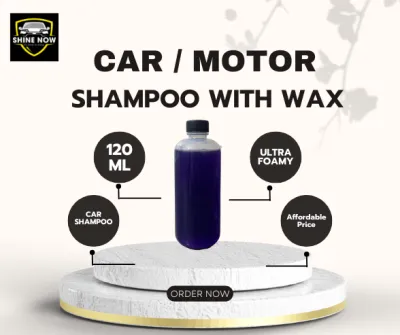
Prices are valid at publication and may change. Please refer to the product page for the latest price.

Lubricity and Scratch Prevention
Lubricity is the slickness a shampoo provides to minimize friction between your wash mitt and the paint. High-lubricity formulas create a slippery barrier that encapsulates dirt particles, allowing them to slide off the clear coat without causing microscopic scratches, also known as swirl marks. Since swirl marks are the primary cause of dull paint, a shampoo with superior lubricity is essential for preserving long-term shine.
Wax and Polymer Additives
Many gloss-enhancing shampoos contain natural carnauba wax or synthetic polymers that remain on the surface after rinsing. These ingredients flow into microscopic imperfections on the clear coat, leveling the surface to create a flatter plane for light reflection. While these additives provide an instant visual boost, they are temporary and typically last only a few weeks under tropical weather conditions.
pH Levels and Paint Safety
Car wash shampoos generally fall into three categories: acidic, pH-neutral, and alkaline. A pH-neutral shampoo (around 7.0 pH) is highly recommended for regular maintenance because it cleans safely without stripping existing wax, sealants, or ceramic coatings. Alkaline shampoos are useful for stripping old wax and heavy road grime, but using them regularly on a protected vehicle will degrade the protective layer and dull the paint.
Water Spot Prevention
Mineral content in municipal water lines across the Philippines can leave behind stubborn calcium and magnesium deposits as water evaporates. These hard water spots ruin the reflective properties of your clear coat. Shampoos formulated with water-softening agents or water-sheeting surfactants help neutralize these minerals and encourage water to slide off the panels, preventing spots during the drying process.
Comparing Car Wash Shampoo Types for Maximum Gloss
Selecting the right product requires matching the shampoo’s primary function with your detailing routine. Car wash soaps are engineered differently depending on whether they are meant to maintain existing gloss, prep the paint for a new protective layer, or safely lift heavy dirt.
Wash and Wax Shampoos (Convenience vs. Gloss)
Wash-and-wax formulas are designed for car owners who want to clean their vehicles and boost gloss in a single step. These products deposit a thin layer of wax or synthetic sealants during the wash, giving the paint an immediate “just-waxed” wet look. They are ideal for quick maintenance washes on vehicles that already have a base layer of protection.
However, these convenience formulas have limitations. The gloss they provide is temporary and does not offer the robust environmental protection of a dedicated paste wax or ceramic coating. Additionally, if the vehicle is not dried thoroughly, the wax additives can sometimes dry unevenly, leaving faint streaks on dark-colored paint.
Pure Car Wash Shampoos (Prep for Dedicated Protection)
Pure car wash shampoos contain no waxes, silicones, gloss enhancers, or protective polymers. Their sole purpose is to safely lift dirt, road film, and environmental contaminants from the paint without leaving any residue behind. This makes them the perfect choice for prep work before claying, polishing, or applying a fresh coat of high-grade wax.
Using a pure shampoo ensures that there is no chemical barrier between your car’s clear coat and your chosen protective product. This clean surface allows dedicated waxes, sealants, or ceramic coatings to bond directly to the paint, which maximizes their durability and produces a much deeper, more permanent shine than a wash-and-wax soap can achieve.
Snow Foam and Pre-Wash Shampoos (Scratch Prevention)
Snow foam shampoos are highly concentrated formulas designed to be applied using a foam cannon attached to a pressure washer. They produce a thick, shaving-cream-like blanket of suds that clings to the vehicle’s vertical panels. This clinging action gives the active surfactants more time to break down road grime, dust, and mud.
While snow foams do not directly deposit gloss-enhancing agents, they are crucial for achieving a high-shine finish. By loosening and lifting abrasive particles before you ever touch the car with a wash mitt, they drastically reduce the risk of dragging dirt across the paint. Preventing these wash-induced scratches is the single most important step in maintaining a flawless, mirror-like clear coat.
How to Evaluate Popular Brands Available in the Philippines
When shopping at local automotive supply stores, hardware chains, or online marketplaces, you will encounter a wide variety of local and imported brands. Evaluating these products systematically helps you avoid marketing hype and select a formula that delivers genuine value.
Reading the Label
Ignore aggressive marketing terms like “ultimate deep gloss” or “ceramic shine” on the front of the bottle. Instead, turn the bottle over and look for technical specifications. Check if the product explicitly states it is pH-neutral, clear-coat safe, and biodegradably formulated. Always read the safety warnings to ensure the product is compatible with your vehicle’s specific surfaces, such as matte paint, vinyl wraps, chrome trim, or delicate plastic seals.
Brand Tiers and Formulations
Premium detailing brands, such as Meguiar’s, Chemical Guys, and Gyeon, offer highly specialized formulas. These brands typically provide excellent lubricity and advanced chemistry, such as SiO2-infused shampoos designed to maintain ceramic coatings. While they carry a higher upfront cost, they are engineered to deliver consistent, professional-grade results.
Mainstream consumer brands like Turtle Wax, Sonax, and Armor All are widely available in local physical stores and offer a balanced mix of cleaning power and gloss enhancement. These products are highly reliable for daily drivers and are formulated to be forgiving under various washing conditions.
Local brands, such as Microtex, are highly popular in the Philippine market because they are specifically formulated to handle local road conditions, including heavy tropical dust and monsoon grime. These products offer excellent sudsing and cleaning performance at a highly competitive price point, making them an excellent budget-friendly choice for frequent washing.
Concentration and Value
To find the true cost of a car wash shampoo, you must look at the dilution ratio rather than the price of the bottle. A cheap, low-concentration shampoo might require 100ml of product per bucket of water, meaning a one-liter bottle will only yield ten washes. A highly concentrated premium formula might only require 15ml to 30ml per bucket, making it far more economical over time despite a higher initial purchase price.
The DIY Washing Technique That Maximizes Shine
Even the most expensive, high-gloss car wash shampoo will fail to produce a beautiful shine if your washing technique damages the paint. To preserve and enhance your vehicle’s gloss, you must follow a careful, scratch-free washing process.
The Two-Bucket Method
To prevent scratching your clear coat, always use the two-bucket wash method. Fill one bucket with clean water and your diluted car wash shampoo, and fill a second bucket with pure, clean water. Place a grit guard at the bottom of both buckets to trap dirt particles at the bottom.
Dip your clean microfiber wash mitt into the soapy bucket, wash a section of the vehicle, and then plunge the dirty mitt into the rinse bucket first. Agitate the mitt against the grit guard to release trapped dirt before dipping it back into the soapy water. This simple cycle keeps abrasive road grime out of your soap bucket and off your paint.
Proper Drying Techniques
Allowing your car to air-dry under the sun is a guaranteed way to ruin your shine with hard water spots. Traditional bath towels or old cotton t-shirts should never be used to dry paint, as their coarse fibers can easily cause micro-scratches.
Instead, use a plush, high-GSM (grams per square meter) microfiber drying towel. Gently glide the towel across the surface without applying heavy downward pressure, allowing the capillary action of the microfiber to lift the water away. Alternatively, a filtered leaf blower or dedicated car dryer can blow water out of crevices safely without making contact with the paint.
Washing in the Shade
The intense tropical heat in the Philippines can quickly heat up your car’s metal panels. If you apply soapy water to a hot hood in direct sunlight, the shampoo will dry almost instantly, leaving behind a stubborn chemical film that can dull the clear coat and require polishing to remove. Always wash your vehicle under a carport, in a garage, or during the cooler hours of the early morning or late afternoon.
Pre-Rinsing
Never apply a soapy wash mitt directly to a dry, dusty car. Always start by thoroughly rinsing the entire vehicle with a high-pressure hose or pressure washer, working from the top down. This initial rinse removes loose dirt, sand, and mud, ensuring that your wash mitt only has to deal with the stubborn road film that is chemically bonded to the paint.
Decision Framework: Which Shampoo Should You Choose?
To make your final purchase decision, evaluate your vehicle’s current paint condition, your detailing habits, and your budget.
- Choose a Wash and Wax Shampoo if: Your vehicle is a daily driver with an existing layer of wax or sealant, and you want a quick, convenient maintenance wash that boosts gloss and water-beading performance in a single step.
- Choose a Pure, pH-Neutral Shampoo if: You plan to perform a full detail—including claying, polishing, and applying a new layer of premium paste wax or ceramic coating—or if your vehicle has a sensitive ceramic coating that requires gentle, residue-free maintenance.
- Choose a High-Lubricity Snow Foam if: Your vehicle frequently accumulates heavy road grime, mud, or volcanic dust, and your primary goal is to safely pre-clean the paint to prevent swirl marks during the contact wash.
- Verify First if: You are unsure about your vehicle's paint type or the status of your current paint protection. Always check the car wash shampoo label to ensure it is safe for the specific surfaces being washed, and test the diluted product on a small, inconspicuous area of the vehicle before washing the entire car.
Frequently Asked Questions (FAQ)
Does more foam mean a better shine?
No, abundant foam does not automatically translate to a better shine or superior cleaning power. While thick foam helps lubricate the surface and keeps the soap clinging to the paint longer, the actual cleaning action and gloss enhancement come from the quality of the surfactants and wax polymers in the formula, not the size of the bubbles.
Can I use dish soap to wash my car for a better shine?
No, you should never use dish soap to wash your vehicle. Dish soap is formulated to strip away grease, oils, and food residues, which means it will quickly strip away any protective wax, sealant, or clear coat conditioners on your car. This leaves your paint completely unprotected, leading to rapid dulling, oxidation, and vulnerability to environmental damage.
How often should I wash my car to maintain the shine?
As a general baseline, you should wash your car once every one to two weeks to maintain its gloss. However, in the Philippines, you should adjust this frequency based on weather conditions; during the rainy season or if your car is exposed to tree sap, bird droppings, or industrial fallout, you should wash it sooner to prevent these contaminants from etching into the clear coat and ruining the shine.
Community discussion
Share your experience or ask a question. Comments are reviewed before publication.