
Choosing the right motorcycle footwear is a balance between safety, comfort, and the specific demands of your journey. For riders in the Philippines, this decision is heavily influenced by local road conditions and the tropical climate. Your choice between urban riding shoes and full-scale touring boots from LS2 depends entirely on where and how you spend most of your time on two wheels.
Daily commuting in major Philippine cities involves navigating dense, stop-and-go traffic, frequent stops at intersections, and constant foot-down stabilization. Commuters must also handle off-bike scenarios, such as walking through office buildings, commercial spaces, or parking structures. Additionally, the intense tropical heat and humidity demand high levels of ventilation to prevent excessive sweating and discomfort during slow-moving city transits.
In contrast, long-distance touring presents a completely different set of physical challenges. Riding along scenic routes like the Marilaque Highway or embarking on multi-day loops across provinces requires sustained highway speeds. At these speeds, wind blast, prolonged vibration, and sudden, heavy monsoon downpours become major factors. Touring demands continuous structural support for hours in the saddle, superior weather protection, and robust impact armor to handle high-velocity risks.
Products mentioned in this guide
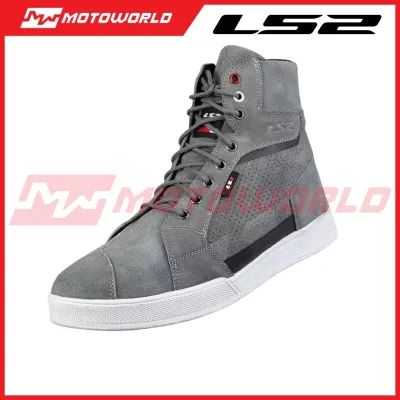
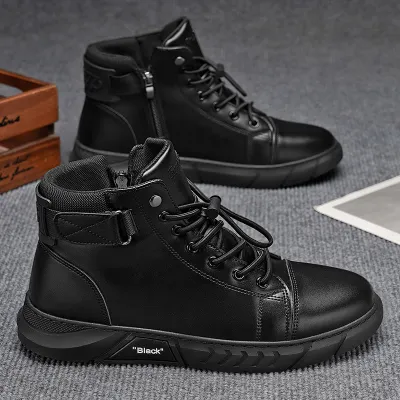
Prices are valid at publication and may change. Please refer to the product page for the latest price.
To make an informed decision, riders can apply the “80/20 rule” to their gear purchases. This rule suggests that you should select footwear optimized for the environment where you do 80 percent of your riding, rather than buying highly specialized gear for the 20 percent of the time you spend on occasional road trips. If your weekly routine consists of a daily 15-kilometer city commute and only one long provincial ride every few months, prioritizing an urban-focused boot is often the most practical approach.
Ultimately, the concept of the “best” riding boot is entirely subjective and situational. A top-tier, heavily armored touring boot with maximum safety ratings might seem like the superior choice on paper, but it can quickly become an uncomfortable liability if you must walk in it through a humid, non-air-conditioned market. Conversely, a highly flexible, casual riding shoe will fail to provide the necessary shin and ankle stabilization during a high-speed highway slide. Identifying your dominant riding environment is the essential first step before exploring the LS2 lineup.
What to Look for in LS2 Boots for Daily Commuting
When evaluating LS2 boots for daily city use, walkability and casual styling are crucial features. Urban riding footwear needs to blend seamlessly into everyday life, allowing you to transition from your motorcycle to an office, classroom, or social setting without needing a change of shoes. Look for models with flexible, low-profile soles that offer natural foot flexion while walking, yet still incorporate internal shank reinforcement to prevent the sole from twisting or crushing in a lateral impact.
Managing heat and humidity is another critical consideration for city riders. In the tropical climate of the Philippines, sitting in stationary traffic can cause feet to overheat rapidly, leading to discomfort and distraction. To combat this, prioritize LS2 urban boots that feature extensive mesh panels, perforated leather panels, or highly breathable synthetic microfiber uppers. These materials allow continuous airflow across the foot, helping moisture evaporate quickly and keeping your feet dry during hot afternoon commutes.
Convenience features also play a major role in the usability of daily commuting boots. Urban riders frequently put on and take off their gear, making quick-entry systems highly desirable. Look for boots equipped with heavy-duty side zippers protected by hook-and-loop flaps, speed-lacing systems, or adjustable mechanical dials. These mechanisms allow you to secure the boots quickly and achieve a snug fit without dealing with loose, dangling laces that could potentially catch on your motorcycle’s gear shifter, footpegs, or drive chain.
When browsing the LS2 catalog, focus your search on models explicitly categorized under their “Urban” or “City” product lines. While these shoes resemble casual high-top sneakers or skate shoes, they are engineered specifically for motorcycle safety. Always verify that these casual-looking models still contain essential, integrated protective elements. At a minimum, a safe commuter boot must feature reinforced toe boxes, rigid heel cups, and impact-absorbing internal ankle discs (malleolus protectors) hidden beneath the outer fabric.
Essential Features for LS2 Long-Distance Touring Boots
Long-distance touring demands a much higher level of structural protection than city riding. When traveling at highway speeds, the kinetic energy involved in a potential fall is significantly greater, requiring robust armor to safeguard your lower limbs. LS2 touring and adventure boots are designed with extended vertical coverage, typically reaching mid-calf or just below the knee. This extended design allows for the integration of rigid shin guards, reinforced calf protectors, and extensive lateral ankle bracing systems to prevent hyperflexion and hyperextension.

Weatherproofing is another non-negotiable specification for extended journeys, especially given the unpredictable weather patterns across the Philippine archipelago. A sudden afternoon downpour can quickly soak your feet, leading to cold, wrinkled skin, blisters, and compromised control over your foot pedals. When selecting a touring boot, check the technical specifications for integrated waterproof and breathable membranes. These specialized linings keep external water out while allowing internal sweat vapor to escape, maintaining dry and comfortable feet over hundreds of kilometers.
Comfort during long hours in the saddle requires careful attention to ergonomic details. Look for LS2 touring models equipped with multi-density, anti-fatigue footbeds that absorb engine vibrations transmitted through the footpegs. Additionally, dedicated, wear-resistant gear shift pads on the upper toe area are essential to prevent the shifter from wearing through the boot material and causing painful pressure points on your toes. The outsoles of touring boots should feature deep, rugged tread patterns to ensure a secure grip on wet, muddy footpegs and slippery roadside terrain during stops.
To find these high-performance options, explore LS2’s dedicated “Touring” or “Adventure” product segments. These boots are built to withstand harsh environmental conditions and high-impact scenarios. Before making a purchase, always locate and read the specific protection levels printed on the physical CE safety tag stitched inside the boot. This tag provides standardized, objective data regarding the boot’s performance in rigorous mechanical tests, ensuring you are buying genuine protection rather than just a rugged aesthetic.
The Crossover: Can One Pair of LS2 Boots Handle Both?
For riders who split their time evenly between city commuting and weekend touring, purchasing two specialized pairs of boots may not always be financially or practically feasible. In these situations, mid-height sport-touring boots or hybrid adventure-lite models serve as a potential middle ground. These crossover options typically offer more structural support and weatherproofing than casual urban shoes, while remaining significantly lighter, shorter, and more flexible than full-scale, heavy-duty touring boots.
However, choosing a single crossover boot requires accepting clear real-world trade-offs. A mid-height boot with a waterproof membrane may keep your feet dry during a provincial tour, but that same waterproof lining will restrict airflow, leading to hot, sweaty feet during a slow-moving, midday commute in Manila. Conversely, a highly ventilated, flexible hybrid boot will keep you cool in city traffic but will leave you vulnerable to heavy rain and lack the robust shin protection needed if a stray stone or road debris strikes your leg at highway speeds.
To navigate these trade-offs, riders should utilize a risk-based decision framework. Rather than searching for a perfect, non-existent compromise, prioritize the boot that protects you in your most hazardous or most frequent riding scenario. If your highway trips involve high speeds and unpredictable mountain weather, you should prioritize a protective, waterproof touring boot, even if it means dealing with some stiffness during occasional city rides. If your riding is almost exclusively low-speed urban transit, prioritize comfort and ventilation to ensure you actually wear the boots every single day.
Sizing, Fit, and Pre-Ride Safety Checks
Achieving the correct fit is essential for both safety and comfort on the road. When trying on LS2 boots, always wear the actual technical riding socks you plan to use on your journeys, as everyday casual socks are often much thinner and can lead to an inaccurate fit. Put on your complete riding gear, including your riding pants, to verify how the boots integrate with them. Ensure the boots fit comfortably either under or over your pants without pinching, bunching, or restricting your ankle’s natural range of motion when operating the foot controls.
Before finalizing your purchase, locate and interpret the CE EN 13634 safety pictogram stitched inside the boot tongue or collar. This label certifies that the footwear meets European safety standards for motorcycle riders. The label displays a specific layout: the top number indicates the boot’s height classification (1 for short ankle boots, 2 for taller shin-covering boots), followed by three sequential numbers rating abrasion resistance, impact cut resistance, and transverse rigidity. A rating of 1 represents basic protection, while a rating of 2 indicates a higher level of performance under testing.
Finally, perform a thorough physical inspection of the boots before your first ride. Check the durability of the zippers, the integrity of the double or triple stitching along high-tension seams, and the grip of the rubber sole on smooth surfaces. Always consult the manufacturer’s official sizing chart, measuring your feet in centimeters, rather than relying on your standard casual shoe size. Because European sizing scales can vary between brands, precise measurement is the most reliable way to prevent painful pressure points or dangerous heel slippage while riding.
Frequently Asked Questions (FAQ)
How do I read the CE safety label inside my motorcycle boots?
The CE EN 13634 label features a motorcycle pictogram and a grid of four numbers. The first number represents the boot’s height (1 for short, 2 for tall). The next three numbers, which can be rated 1 or 2, represent performance levels for abrasion resistance, impact cut resistance, and transverse rigidity (the boot’s resistance to being crushed sideways). A rating of 2 represents the highest level of tested protection in each category.
Should I size up in LS2 boots to wear thicker riding socks?
You should avoid blindly sizing up, as loose-fitting boots can allow your foot to slide internally, leading to blisters and reduced control over your motorcycle’s gear shifter and rear brake. Instead, consult the official LS2 size chart and measure your foot length in millimeters. Try the boots on with your preferred riding socks to ensure a snug fit that holds your heel firmly in place while still allowing your toes to wiggle.

Community discussion
Share your experience or ask a question. Comments are reviewed before publication.