
Selecting the right tire for your vehicle in the Philippines requires balancing the demands of tropical weather, varied road conditions, and your daily driving habits. Michelin offers a diverse lineup of tires designed for different vehicle types, but finding the perfect match depends on matching your typical routes with your vehicle’s manufacturer requirements. By evaluating whether you primarily navigate congested urban areas, travel long distances on high-speed expressways, or traverse rough provincial roads, you can narrow down the options to a tire category that prioritizes safety, longevity, and comfort.
Identifying Your Primary Driving Scenarios
Your daily commute dictates the specific tire characteristics you should prioritize. For those who spend most of their time in stop-and-go city traffic, such as the congested streets of Metro Manila or Cebu, tires with low rolling resistance and high wet-grip ratings are highly suitable. These features help manage fuel consumption during idling and frequent acceleration, while providing reliable stopping power on slick asphalt during sudden tropical downpours.
If your routine involves frequent provincial trips or long drives on major expressways, your priorities should shift toward high-speed stability and hydroplaning resistance. Heavy monsoon rains can quickly cause water to pool on highway lanes, making tread patterns that efficiently channel water away from the contact patch essential for maintaining control. Long-distance driving also demands durable tread compounds that resist heat buildup, which is accelerated by high ambient temperatures and sustained speeds.
Products mentioned in this guide
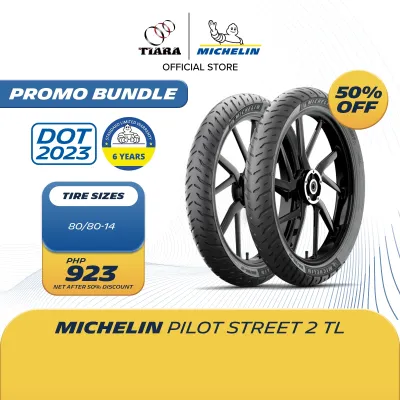
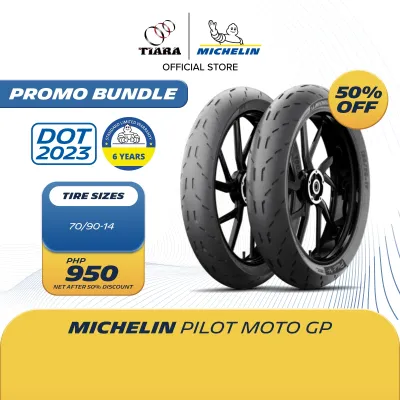
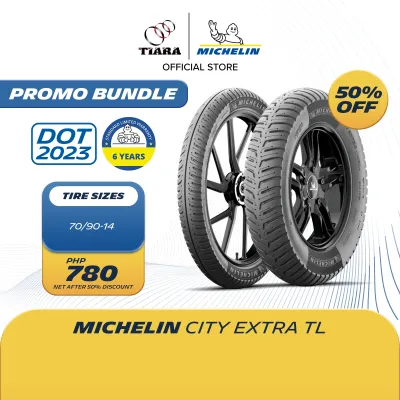
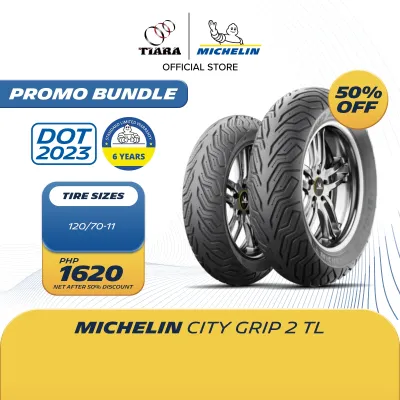
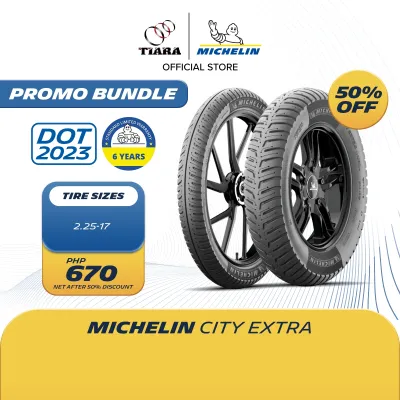
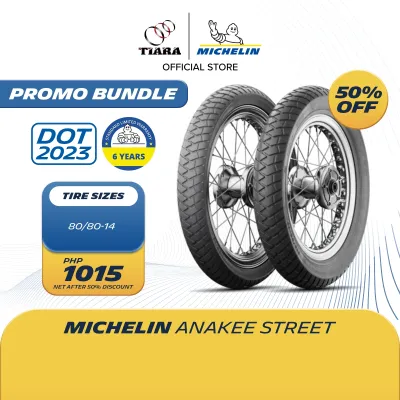
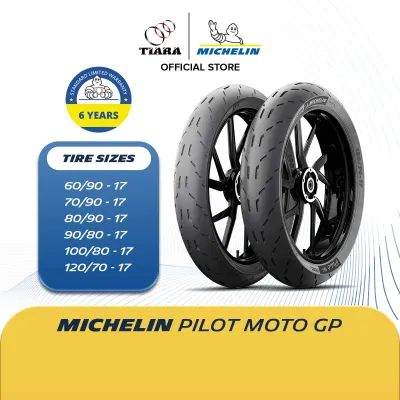
92 Lazada user ratings
🛠️Durability:Good quality 💰Price:Affordable 🏅Performance:Great sa dry surface, sa wet surface ok naman sya wag lng sobra ang speed. Maganda a…Read full reviewShow less
🛠️Durability:Good quality 💰Price:Affordable 🏅Performance:Great sa dry surface, sa wet surface ok naman sya wag lng sobra ang speed. Maganda at matibay naman yung gulong, medyo naiibahan lng sa patterns pero maganda nmn yung performance. Fits Perfectly with Sniper 155 all stock rim set ng mags. smooth naman ang transaction with the store and the seller. Highly recommended!!
🛠️Durability:matibay na makapit pa 💰Price:affordable price Compatibility:yes for my raider150 front sakto sa front fender. NapKa mura pa at m…Read full reviewShow less
🛠️Durability:matibay na makapit pa 💰Price:affordable price Compatibility:yes for my raider150 front sakto sa front fender. NapKa mura pa at mabilis din ang delivery.
sakto, kung anung size ng tire un ung binigay. also ung manufacture date is latest item it is 2025/Jun - very fast delivery
Durable and reliable tire, Long-lasting tread life, legit. good packaging and very fast delivery. thanks seller.
10 salamat seller quality ok packging kahit matagal dumating sulit thank you...
Prices are valid at publication and may change. Please refer to the product page for the latest price.
For drivers who regularly encounter mixed or unpaved terrains, such as gravel roads, muddy provincial paths, or construction zones, rugged tire construction is necessary. These environments require tires with reinforced sidewalls to resist punctures from sharp rocks and debris, as well as chip-resistant tread compounds. Choosing a tire designed for these conditions reduces the risk of sudden tire failure when traveling far from urban service centers.
Matching Michelin Tire Categories to Your Vehicle Type
To find the right tire, you must align the design focus of different Michelin product categories with your specific vehicle type. Exact model availability, specifications, and pricing in ₱ vary, so you should always verify these details using official tire labels and authorized dealer catalogs. Rather than searching for a single universal tire, focus on how different categories—such as touring, performance, or all-terrain—are engineered to support your vehicle’s weight, suspension, and handling characteristics.

Sedans and Hatchbacks for Daily Commutes
Standard passenger cars, including compact sedans and hatchbacks, benefit most from tires engineered for comfort, low road noise, and fuel efficiency. Touring and grand touring tire categories are designed specifically to absorb road vibrations from uneven pavement and potholes, providing a smoother ride for daily commuters. These tires feature specialized tread patterns that minimize cabin noise while maintaining a strong grip on wet roads.
Before selecting a specific model, always check the original equipment (OE) tire size, load index, and speed rating. This information is typically located on a placard on the driver’s side door jamb or inside the owner’s manual. Installing a tire that does not match these original specifications can negatively affect your vehicle’s speedometer accuracy, fuel economy, and overall handling safety.
SUVs, Crossovers, and Pickups for Versatile Use
Higher-clearance vehicles like SUVs, crossovers, and pickup trucks require tires that can handle heavier vehicle weights and more demanding road surfaces. Owners of these vehicles must choose between highway-terrain (H/T) and all-terrain (A/T) tire categories based on their typical driving split. Highway-terrain tires focus on on-road comfort, quiet operation, and wet braking performance, making them suitable for city-dwelling SUVs.
All-terrain tires, on the other hand, feature deeper tread blocks and open shoulder designs to provide traction on loose dirt, mud, and gravel. If you choose an all-terrain option, be prepared for a slight increase in road noise and a firmer ride on paved surfaces. Additionally, always check your vehicle’s gross vehicle weight rating (GVWR) to ensure the selected tires have the correct load range and ply rating to support both the vehicle and its maximum payload safely.
MPVs and Family Haulers for Heavy Loads
Multi-purpose vehicles (MPVs) and family vans are designed to carry multiple passengers and heavy cargo, placing unique demands on their tires. For these vehicles, the Load Index is a critical safety specification that must meet or exceed the vehicle manufacturer’s original requirements. Operating a fully loaded vehicle on tires with an insufficient load rating can lead to excessive heat buildup, rapid tread wear, and catastrophic tire failure.
Look for tires with robust casing structures and durable tread compounds designed to resist uneven wear under heavy, shifting loads. These structural reinforcements help maintain tire shape and stability during cornering and braking, ensuring predictable handling even when the vehicle is at maximum capacity.
Decoding Tire Specifications for Safety and Compatibility
Understanding how to read the alphanumeric code on a tire’s sidewall is essential for ensuring physical and legal compatibility with your vehicle. A typical tire size code, such as 205/55 R16 91V, contains vital measurements that must be matched correctly. The first number (205) represents the tire’s section width in millimeters, while the second number (55) is the aspect ratio, indicating the sidewall height as a percentage of the width. The letter “R” denotes radial construction, and the final number (16) indicates the wheel rim diameter in inches.
Following the size dimensions, you will find the Load Index and Speed Rating, represented by a number and a letter (such as 91V). The Load Index indicates the maximum weight the tire can support, while the Speed Rating specifies the maximum speed the tire can safely sustain under its recommended load. You must never downgrade these values below the vehicle manufacturer’s recommendations, as doing so compromises vehicle stability and safety.
Always cross-reference these sidewall markings with your vehicle’s owner’s manual or the tire placard before making a purchase. Using incorrect tire sizes or ratings can interfere with your vehicle’s anti-lock braking system (ABS), electronic stability control (ESC), and advanced driver-assistance systems (ADAS). If you plan to change your wheel size, consult a qualified tire professional to ensure the new tire and wheel combination maintains safe clearances and load capacities.
Verifying Authenticity, Warranty, and Professional Installation
To protect your investment and ensure on-road safety, always purchase Michelin tires from authorized dealers or official brand stores. Buying from authorized channels guarantees that you receive genuine products backed by the manufacturer’s official warranty, protecting you against manufacturing defects. It also ensures that the pricing in ₱ is accurate and that you have access to professional customer support if issues arise.
Professional installation is highly recommended to maximize the lifespan and safety of your new tires. When mounting new tires, ensure the service center performs wheel alignment, wheel balancing, and replaces the rubber valve stems. Proper alignment prevents premature and uneven tread wear, while balancing eliminates vibrations that can damage suspension components. Replacing the valve stems prevents slow air leaks caused by aging rubber.
Before the tires are mounted, inspect the Department of Transportation (DOT) code printed on the sidewall to verify the manufacturing date. The DOT code ends with a four-digit number, where the first two digits represent the week of manufacture and the last two digits represent the year (for example, “3526” indicates the 35th week of 2026). Avoid purchasing or installing tires that have been sitting in storage for several years, as rubber compounds naturally degrade and harden over time, reducing grip and safety.
Frequently Asked Questions (FAQ)
How often should I replace my Michelin tires?
You should inspect your tires regularly for signs of wear and damage to determine when replacement is necessary. Check the built-in tread wear indicators, which are small raised bars molded into the bottom of the tread grooves; when the tread wears down level with these bars, the tire must be replaced immediately. Additionally, look for irregular wear patterns, cracks in the sidewall rubber, or bulges, which indicate internal structural damage. Regardless of remaining tread depth, consult the manufacturer’s guidelines regarding the maximum service life of a tire, as aging rubber loses its structural integrity and wet-grip capabilities over time.
Can I mix different Michelin tire models on my vehicle?
It is highly recommended to avoid mixing different tire models, sizes, or wear states on the same vehicle, especially on the same axle. Mixing tires with different tread patterns or rubber compounds can lead to unpredictable handling, uneven braking forces, and reduced traction, particularly on wet roads. For optimal safety and performance, replace your tires in complete sets of four. If you must replace only two tires, install the new tires on the rear axle to maintain vehicle stability and prevent oversteer during sudden maneuvers or wet-weather driving.
Community discussion
Share your experience or ask a question. Comments are reviewed before publication.