
When navigating the unpredictable tropical weather of the Philippines, finding the right prostreet raincoat can make the difference between a dry, comfortable ride and a thoroughly soaked, miserable journey. Motorcyclists face unique challenges on the road, especially during the southwest monsoon (habagat) season and sudden afternoon downpours. A reliable rain barrier must do more than just block water; it must also accommodate your riding posture, fit over your daily apparel, and pack away easily when the sun returns.
Choosing the ideal rain gear requires balancing convenience with maximum protection. For short, stop-and-go city hops, a lightweight, easy-to-deploy poncho or one-piece overcoat offers the speed and convenience needed to keep your work clothes dry without bulky packing. Conversely, for long, high-speed highway routes, a heavy-duty two-piece rain suit provides the ultimate protection against high-velocity water entry and wind resistance. Assessing your daily route, motorcycle type, and storage capacity will point you directly to the correct gear configuration.
Quick Guide: Matching Prostreet Rain Gear to Your Commute Profile
Prostreet has established itself as a recognizable brand for motorcycle riders in the Philippines, offering practical, stylish, and durable solutions designed for the daily grind. The brand’s lineup caters to different types of commuters, recognizing that a rider navigating the congested lanes of EDSA has very different requirements than someone cruising down the South Luzon Expressway (SLEX). Selecting the wrong style can lead to water pooling, fabric tearing, or dangerous wind drag.
Products mentioned in this guide
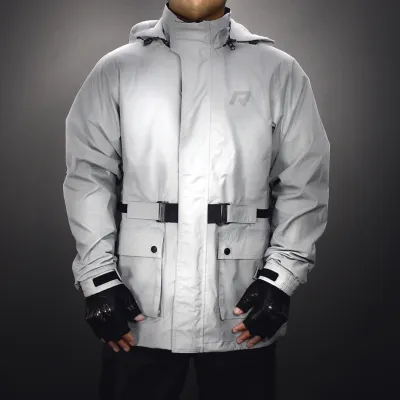
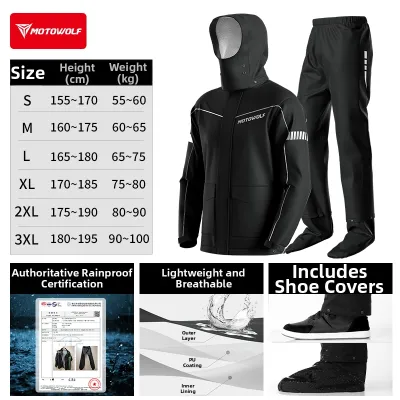
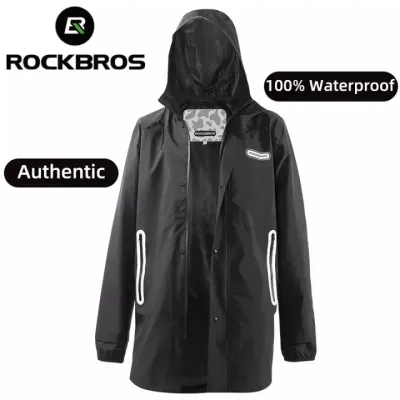
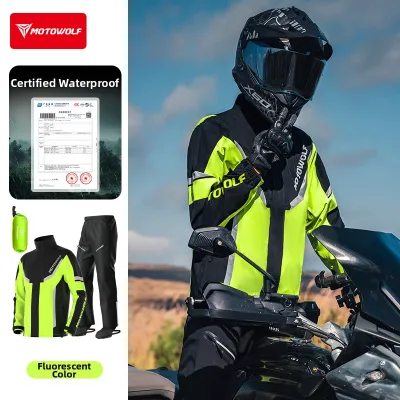
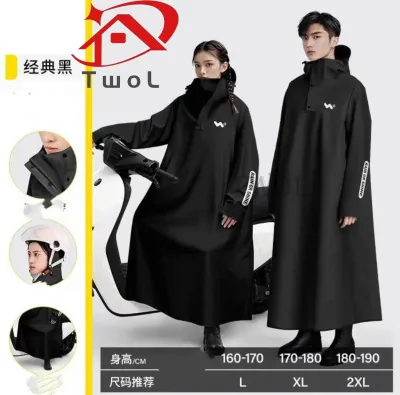
Prices are valid at publication and may change. Please refer to the product page for the latest price.
To simplify your decision, consider this quick-match framework based on common commuting profiles:
- Short City Commutes (Under 10 km, low speed): Best suited for lightweight, single-piece overcoats or specialized ponchos. These designs prioritize rapid deployment when a sudden shower hits and require minimal storage space under the seat.
- Long Highway or Provincial Commutes (Over 10 km, high speed): Demand a heavy-duty two-piece rain suit (jacket and pants). This configuration provides complete windproofing, prevents water from riding up, and eliminates dangerous fabric flapping at speed.
- Modular / Existing Gear Setups: Ideal for riders who already own a high-quality waterproof riding jacket but need dedicated lower-body protection. Heavy-duty rain over-pants can be slipped on quickly over riding boots.
Your final choice should rest on three primary variables: your average commute distance, your motorcycle’s riding posture, and the physical storage limits of your bike. By analyzing these factors, you can avoid common purchasing mistakes and ensure you stay completely dry during the wettest months.
How to Assess Your Commute: Distance, Posture, and Storage
Commute Distance and Environmental Exposure
Your daily mileage dictates the level of material durability and water resistance you require. Short urban hops under 10 kilometers mean you are rarely exposed to the elements for more than twenty to thirty minutes at a time. In these scenarios, minor leaks at the seams or cuffs are manageable, and speed of entry is often more important than absolute sealing. A simple, quick-to-wear outer layer is usually sufficient to get you to your destination dry.

For prolonged highway rides or provincial commutes exceeding 10 kilometers, you face extended exposure to driving rain. At speeds of 60 km/h or higher, raindrops strike your gear with significant force, easily penetrating weak seams, cheap zippers, or loose cuffs. Under these conditions, you need a heavy-duty garment with fully sealed or welded seams, robust storm flaps, and a secure fit that prevents water from pooling against your body.
Riding Style and Posture
Different motorcycle designs alter how rain impacts your body. If you ride an underbone or a standard scooter (such as a Honda Click or Yamaha Mio) with an upright riding posture, water tends to pool on your lap and run down into your crotch area. This makes the waistline and crotch seam of your rain gear highly vulnerable to leaking. A two-piece suit with a high-rise waist or a specialized scooter poncho with front-apron coverage is critical for this riding position.
If you ride a sport bike, backbone motorcycle, or a forward-leaning manual bike, your body cuts through the wind differently. The forward lean exposes your chest, shoulders, and collar to direct wind blast and driving rain, while your back is subjected to spray kicked up from the rear tire. For these riders, loose-fitting ponchos are highly dangerous; they flap violently in the wind, causing severe drag, distracting the rider, and potentially obscuring rear-view mirrors.
Storage Constraints and Portability
Before purchasing any rain gear, you must consider where it will live when the weather is clear. Motorcycle storage varies wildly across different models. A maxi-scooter like the Yamaha NMAX or Honda ADV offers generous under-seat storage (U-box) that can easily accommodate a bulky, heavy-duty two-piece rain suit alongside your helmet. Smaller scooters and underbones, however, have highly constrained compartments that may only fit a compact, tightly rolled poncho.
If your motorcycle lacks under-seat storage entirely, you must rely on a top box, tail bag, or a personal backpack. Carrying heavy, wet gear in a backpack alongside your laptop or work documents is highly inconvenient and risks water damage to your belongings. If you have limited storage space, look for highly compressible rain gear made from lightweight, high-density fabrics that pack down into a compact carrying pouch.
Selecting Your Prostreet Raincoat: Choosing the Right Form Factor
Two-Piece Rain Suits (Jacket and Pants)
For the dedicated daily commuter who rides regardless of the weather forecast, a two-piece rain suit is the gold standard. This setup consists of a separate waterproof jacket and matching trousers, providing complete coverage from the collar down to the ankles. By separating the top and bottom, this design allows for a more tailored, aerodynamic fit that moves naturally with your body as you lean into turns or navigate heavy traffic.
- Advantages: Excellent protection against high-velocity water entry, minimal wind drag, and superior warmth in cold, wet conditions. The split design prevents water from riding up your legs or pooling at your waist, making it highly effective for long-distance highway riding.
- Limitations: Requires more storage space than a poncho and takes longer to put on, as you must pull the pants over your boots before securing the jacket.
- What to Look For: Look for Prostreet two-piece models that feature adjustable velcro cuffs, high collars with soft linings, storm flaps over the main zippers, and reinforced seat areas to handle the friction of sitting on a wet motorcycle saddle.
Rain Ponchos and One-Piece Overcoats
Rain ponchos and one-piece overcoats are designed for maximum convenience and speed. They are the go-to choice for casual riders, scooter commuters, and delivery riders who need to transition from riding to walking in a matter of seconds. These garments feature a loose, oversized cut that can be thrown over your head and shoulders instantly when a sudden downpour begins.
- Advantages: Extremely fast to put on and take off, highly compact when folded, and capable of covering your backpack or shoulder bag while you ride.
- Limitations: High safety risk at elevated speeds due to wind flapping. Ponchos can catch the wind like a sail, destabilizing your motorcycle, or worse, the loose fabric can snag on passing vehicles, handlebars, or your own rear wheel.
- What to Look For: Look for Prostreet ponchos equipped with secure snap buttons along the sides to minimize flapping, weighted or elasticated hems to prevent the wind from lifting the fabric, and a hood designed to fit comfortably under a helmet without blocking your peripheral vision.
Rain Over-Pants and Modular Combos
Modular combos are an excellent alternative for riders who already invest in high-quality, water-resistant riding jackets with integrated armor. Instead of buying a complete rain suit, you can pair your existing protective jacket with dedicated, heavy-duty rain over-pants. This approach allows you to maintain your slide and impact protection while keeping your lower body dry.
- Advantages: Cost-effective for riders with existing gear, highly customizable, and allows you to wear only what the current weather demands.
- Limitations: Requires matching the water resistance of your jacket with the pants to ensure complete protection.
- What to Look For: Ensure the over-pants feature wide-leg openings with robust zippers or wide velcro gussets. This allows you to pull the pants on or off over bulky riding boots without needing to remove your footwear on a wet, muddy roadside.
Essential Safety and Comfort Features to Check Before Buying
Visibility in Low Light and Heavy Rain
Heavy tropical downpours drastically reduce visibility for all road users. When car windshields fog up and side mirrors are covered in water droplets, a motorcyclist in dark clothing becomes virtually invisible. Prioritize safety by choosing rain gear that features high-visibility colors, such as neon yellow, bright green, or high-contrast orange.
If you prefer a classic black or dark aesthetic, ensure the garment is equipped with generous reflective piping, panels, or strips across the back, chest, and sleeves. These reflective elements catch the headlights of surrounding vehicles, ensuring you remain visible from all angles in low-light, overcast, or nighttime conditions.
Waterproofing Verification and Construction
Do not rely solely on water-resistant fabric; the method of construction determines whether a raincoat will keep you dry. Look closely at the interior seams of the garment. High-quality rain gear must feature fully taped or heat-welded seams. Standard stitched seams contain thousands of tiny needle holes that will inevitably leak under the pressure of driving rain and wind.
Additionally, inspect the zipper design. Zippers are a primary entry point for water. A reliable raincoat should feature a heavy-duty, water-resistant zipper backed by a wide storm flap. This flap should fold over the zipper and secure tightly with velcro or snap buttons, creating a physical barrier that prevents wind-driven water from penetrating the closure.
Helmet and Boot Compatibility
Your rain gear must interface seamlessly with your other riding safety equipment. If you wear a full-face or modular helmet, a bulky hood can bunch up around your neck, restricting your head movement and blocking your peripheral vision. Look for raincoats with detachable hoods or hoods that can be rolled up and secured into the collar when not in use.
For your lower body, check how the pants seal around your footwear. Rain pants should feature wide, adjustable ankle cuffs with velcro straps or elastic bands. This allows you to tighten the hem securely around your riding boots, preventing water from splashing up into your footwear or wind from blowing the pant legs up your calves.
Ventilation and Climate Comfort
Riding in the Philippines means dealing with high humidity and warm temperatures, even during a heavy downpour. Wearing a completely sealed, non-breathable plastic raincoat will quickly create a “sauna effect” inside the suit, leaving you soaked from your own sweat rather than the rain.
To prevent internal condensation and discomfort, look for rain gear that incorporates smart ventilation features. These include mesh inner linings that keep the waterproof outer shell from sticking to your skin, underarm ventilation eyelets, and covered back vents that allow hot air and moisture to escape while keeping rainwater out.
Daily Care and Storage to Maintain Waterproofing
Proper Drying Methods
Never fold up a wet or damp raincoat and throw it back into your motorcycle’s under-seat compartment or a storage bag. Leaving wet gear compressed promotes the growth of mold, mildew, and bacteria, leading to foul odors and the rapid degradation of the waterproof membrane and seam tape.
As soon as you reach your destination, hang the raincoat up to air-dry completely in a well-ventilated, shaded area. Turn the garment inside out first to dry the inner lining, then flip it right-side out to finish drying the exterior. Keep the gear away from direct sunlight, as prolonged UV exposure can break down the synthetic fabrics and waterproof coatings, and never place it near high heat sources like exhaust pipes, engines, or radiators.
Gentle Cleaning Protocols
Road grime, oil splatters, mud, and exhaust soot will gradually accumulate on your raincoat, clogging breathable membranes and degrading the durable water repellent (DWR) coating. Avoid machine washing, dry cleaning, and harsh laundry detergents, as the spinning action and strong chemicals can strip away waterproof coatings and peel off seam tape.
Instead, clean your rain gear by wiping it down gently with a soft microfiber cloth dipped in warm water and a mild, diluted soap. For stubborn mud or dirt, rinse the garment under a gentle stream of cool water. Allow the soap to lift the grime naturally without vigorous scrubbing, and rinse thoroughly to ensure no soap residue remains on the fabric.
Smart Folding and Storage
Repeatedly folding your raincoat along the exact same sharp creases can weaken the fabric and cause the internal waterproof lining to crack or peel over time. To extend the lifespan of your gear, avoid tight, sharp folds. Instead, roll the jacket and pants loosely into a cylindrical shape and slide them into their dedicated carrying pouch.
Store the packed gear in a cool, dry, and well-ventilated space. Avoid leaving your rain gear permanently compressed inside a hot motorcycle storage compartment during the dry summer months, as extreme heat buildup under the seat can melt seam tape and damage synthetic fibers.
Frequently Asked Questions (FAQ)
Can I use a Prostreet rain poncho for high-speed highway riding?
Using a rain poncho for high-speed highway riding is highly discouraged due to significant safety risks. At speeds above 50 km/h, the loose, open design of a poncho catches the wind like a sail, creating intense wind resistance that can destabilize your motorcycle and cause rider fatigue. Furthermore, the loose fabric will flap violently, which can block your mirrors, obscure your line of sight, or even snag on your bike’s moving parts or passing vehicles. For highway, expressway, or provincial commuting, always opt for a fitted, two-piece rain suit that minimizes wind drag and provides secure, comprehensive protection.
How do I know if a Prostreet raincoat will fit over my riding jacket?
When purchasing rain gear, keep in mind that many motorcycle-specific raincoats are already patterned with extra room to accommodate standard riding jackets. However, if you wear a bulky armored jacket with thick shoulder and elbow protectors, it is generally recommended to select a raincoat that is one size larger than your standard jacket size. Always consult the manufacturer’s specific sizing chart, paying close attention to the chest and sleeve measurements. Look for features like adjustable waist straps, elasticated cuffs, and side gussets, which allow you to customize the fit and prevent the gear from feeling too tight or restrictive over your armor.
What should I do if my Prostreet raincoat starts leaking at the seams?
If you notice water seeping through your raincoat, inspect the interior seams to check if the protective seam tape has begun to peel, crack, or lift away from the fabric. For minor, localized leaks, you can apply a specialized flexible seam sealant designed for outdoor gear or polyurethane fabrics as a temporary fix. Clean the area thoroughly with rubbing alcohol, apply the sealant smoothly over the damaged seam, and allow it to cure completely according to the product instructions. However, if the seam tape is peeling extensively across the entire garment or if the underlying waterproof membrane is flaking off, the raincoat has reached the end of its functional lifespan and should be replaced to ensure your safety and comfort on the road.

Community discussion
Share your experience or ask a question. Comments are reviewed before publication.