
The most critical radiator coolant specifications for driving in high ambient temperatures are a high boiling point, the correct concentration ratio, and an additive package that matches your vehicle manufacturer’s requirements. While antifreeze properties are less relevant in tropical climates, the coolant’s ability to transfer heat efficiently and prevent internal corrosion remains essential. Always consult your vehicle’s owner’s manual to confirm the exact chemical specification required for your engine before making a purchase or performing maintenance.
Why Tropical Heat Changes Your Coolant Requirements
In the Philippines, vehicles face a challenging combination of high ambient temperatures, high humidity, and dense, stop-and-go traffic. This environment places immense stress on the engine’s cooling system. When a car sits idling on a congested highway under the midday sun, there is minimal natural airflow passing through the radiator grille. The cooling system must rely entirely on its radiator fans and the thermal capacity of the coolant to transfer heat away from the engine block.
Furthermore, the widespread and continuous use of air conditioning in tropical climates adds another layer of thermal load. The air conditioning condenser is typically positioned directly in front of the engine radiator. As the condenser expels heat from the cabin, it warms the air before it even reaches the radiator. This pre-heated air significantly reduces the temperature gradient between the radiator fins and the atmosphere, making it much harder for the radiator to shed heat. Consequently, the coolant must work much harder to keep engine temperatures within a safe operating range.
Products mentioned in this guide
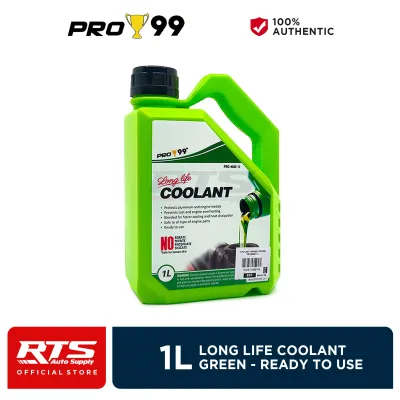
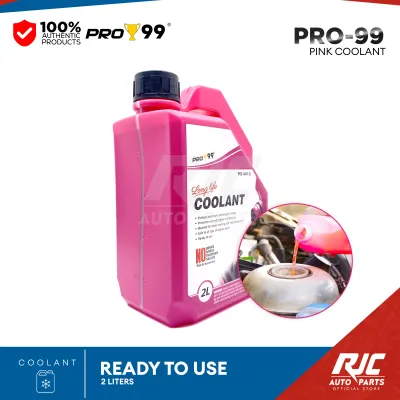
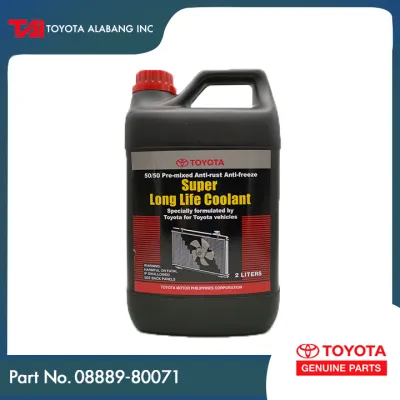
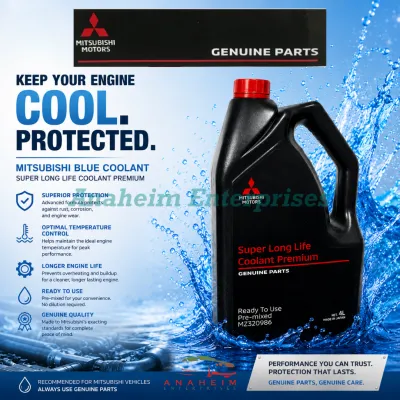
![[4L GREEN] Coolant for Mitsubishi Models 2015 and below - Pro99 Brand](https://img.lazcdn.com/g/p/6b81afe3f6f5c3b11a281069c45ab490.jpg_400x400q80.jpg_.webp)
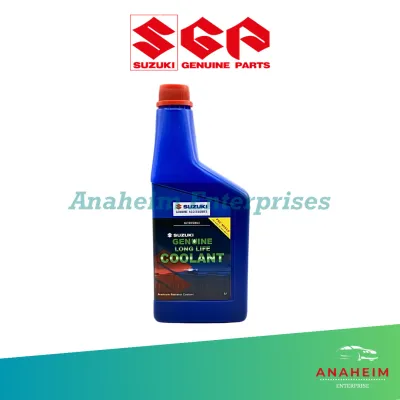
![[1L GREEN] Suzuki Genuine Antifreeze Long Life Coolant - Suzuki Genuine Parts](https://img.lazcdn.com/g/p/dcc8cd5bb6d4b9c5bd6865fe4a6f9d28.jpg_400x400q80.jpg_.webp)
![[2L Pink] Toyota Coolant [Long Life Coolant] - Toyota Auto Parts](https://img.lazcdn.com/g/p/1459f1d89afa7a6b462f6369c5b8b9a7.jpg_400x400q80.jpg_.webp)
Prices are valid at publication and may change. Please refer to the product page for the latest price.
Under these extreme thermal loads, the choice of heat-transfer fluid becomes a critical factor in preventing engine damage. Standard water or poorly formulated coolant mixtures can quickly reach their physical limits. Without the proper chemical additives and concentration, the fluid inside the cooling system can boil, leading to localized steam pockets. These steam pockets insulate the metal surfaces of the engine instead of cooling them, which can cause rapid overheating, warped cylinder heads, and blown head gaskets.
The cooling system operates as a sealed, pressurized environment to help combat this issue. The radiator cap or expansion tank cap plays a vital role by maintaining a specific pressure level within the system. This pressure physically raises the boiling point of the liquid, allowing the coolant to remain in a liquid state at temperatures well above the normal boiling point of water. If the coolant specification is incorrect, or if the pressure cap is faulty, the system cannot maintain this elevated boiling point, making the vehicle highly vulnerable to boil-overs during long idling periods in tropical heat.
Critical Coolant Specifications to Check on the Label
When shopping for radiator coolant in local auto supply shops or online marketplaces, reading the product label carefully is essential. The first specification to verify is the boiling point under pressure. A high boiling point ensures that the fluid remains stable and functional even when the engine is working hard under the tropical sun. This stability prevents vapor lock—a condition where gas bubbles disrupt the flow of the coolant—and ensures continuous heat dissipation from the hottest parts of the engine.

The concentration ratio is another critical specification displayed on the label. Most commercial coolants are formulated as a mixture of ethylene glycol (or propylene glycol) and water. For tropical climates, a common recommendation is a 50/50 ratio, which balances boiling point elevation with efficient heat transfer. Running a mixture that is too lean (too much water) reduces the boiling point and leaves internal metal components vulnerable to rust and cavitation. Conversely, running a mixture that is too rich (too much glycol) is also harmful because glycol does not transfer heat as effectively as water, which can actually cause the engine to run hotter in tropical conditions.
Equally important is the additive technology used in the coolant formulation. Modern vehicles require specific chemical packages to protect their internal components, which may include aluminum, copper, brass, and various plastics or elastomers. The three primary types of additive technologies are Inorganic Additive Technology (IAT), Organic Acid Technology (OAT), and Hybrid Organic Acid Technology (HOAT). Using the wrong chemical package can lead to chemical reactions that cause internal scaling, gel formation, or rapid corrosion of the water pump and radiator core. Drivers must check their vehicle’s manual to identify the exact additive specification required, rather than assuming any bottle on the shelf will work safely.
In addition to these primary categories, some manufacturers specify phosphate-free or silicate-free formulations. For instance, many Asian vehicle manufacturers prefer phosphate-free OAT or sebacate-based formulations to prevent scale buildup from hard water, while European manufacturers often specify silicate-organic formulations to protect aluminum components. Mixing these incompatible technologies can cause the protective additives to drop out of the liquid solution, forming a gritty sludge that can clog the radiator’s narrow tubes and cause localized hot spots within the engine block.
Pre-Mixed vs. Concentrated Coolant: Which Should You Buy?
When purchasing coolant, you will generally choose between pre-mixed (pre-diluted) formulas and concentrated formulas. Pre-mixed coolants are already diluted with demineralized or distilled water, usually at a 50/50 ratio, making them ready to pour directly into the reservoir. Concentrated coolants require you to mix the fluid with water yourself before adding it to the vehicle. While concentrates can sometimes appear more economical, they introduce a significant risk of improper mixing and contamination.
The primary danger of using concentrated coolant is the temptation to dilute it with ordinary tap water. Tap water in many regions contains high levels of minerals, such as calcium and magnesium, as well as chlorine and other treatment chemicals. When subjected to the high temperatures inside an engine, these minerals precipitate out of the solution, forming hard scale deposits along the internal walls of the radiator and engine block. This scale acts as an insulator, severely reducing the system’s ability to transfer heat, and can eventually clog the narrow passages of the radiator core. If you choose a concentrated coolant, you must purchase separate distilled or deionized water for dilution.
Evaluating the cost per liter in ₱ involves weighing the price of a pre-mixed jug against the combined cost of a concentrate bottle and the necessary distilled water. Pre-mixed options offer convenience and eliminate the risk of human error during mixing, ensuring that the concentration ratio is exactly as specified by the manufacturer. If you decide to mix manually, you must use a clean measuring container to verify the correct ratio, following the vehicle’s specific requirements. Never guess the proportions, as an incorrect ratio can compromise both the boiling point and the heat-transfer efficiency of the system.
Furthermore, the convenience of pre-mixed coolant is particularly valuable during roadside emergencies. Keeping a pre-diluted bottle in your trunk allows for quick and safe top-ups without needing to find a clean source of distilled water. For daily drivers who want to minimize maintenance hassle, pre-mixed coolant is often the most practical choice, whereas concentrated coolant may appeal to fleet owners or DIY enthusiasts who already have the tools and distilled water on hand to perform precise measurements.
Safe Maintenance and Flushing Practices for Hot Climates
Maintaining your vehicle’s cooling system is a vital part of car ownership, especially in a warm climate where the system is constantly working near its limits. Regular visual inspections of the coolant reservoir should be performed when the engine is completely cold. Check that the fluid level sits between the minimum and maximum markings on the translucent plastic tank. Additionally, observe the clarity of the fluid; if the coolant appears muddy, rusty, or contains floating debris, it is a clear sign that the system needs to be flushed and refilled with fresh fluid.
Safety must always be the top priority when performing any cooling system maintenance. You must never open the radiator cap or the expansion tank cap while the engine is hot or even warm. The cooling system operates under high pressure, and opening the cap on a hot engine can cause boiling liquid and steam to spray out violently, resulting in severe burns. Always allow the vehicle to sit turned off for several hours until the engine block and radiator are cool to the touch before attempting to open any caps or drain plugs.
While basic top-ups of pre-mixed coolant can be done at home, more complex tasks like a complete system flush require careful handling. If your vehicle is experiencing persistent overheating, if you notice sweet-smelling puddles under the engine bay, or if you are unsure of the vehicle’s maintenance history, it is best to stop DIY attempts and consult a qualified professional mechanic. A professional can perform a pressure test to locate hidden leaks, verify that the thermostat is opening correctly, and ensure that the entire system is flushed safely without leaving air pockets that could cause localized hot spots.
When a complete flush is performed, it is also critical to bleed the system of any trapped air. Air bubbles trapped inside the engine block or heater core can block the flow of coolant, leading to rapid localized overheating even if the reservoir appears full. Professional mechanics use specialized funnel kits or vacuum filling tools to ensure that all air is purged from the system. Additionally, old coolant is highly toxic to humans and animals; a professional workshop has the proper facilities to collect and dispose of the waste fluid in an environmentally responsible manner, preventing it from contaminating local waterways.
Frequently Asked Questions (FAQ)
Can I just use plain water in my radiator during the summer?
No, you should not use plain water in your radiator, even during the hottest months. While water is an excellent heat conductor, it lacks the critical properties required to protect a modern engine. Plain water has a lower boiling point than a proper coolant mixture, making it much more likely to boil over under heavy engine loads or in heavy traffic. Furthermore, water does not contain the rust inhibitors, lubricants, and anti-foaming agents found in commercial coolants. Using plain water will lead to rapid internal corrosion of the engine block, rust buildup in the radiator, and premature failure of the water pump seal due to a lack of lubrication.
Does the color of the coolant indicate its quality or specification?
No, the color of the coolant is not a reliable indicator of its chemical composition, quality, or compatibility with your vehicle. Manufacturers use various dyes—such as green, red, blue, pink, or yellow—primarily to help identify leaks and to prevent users from mixing different types of fluids. However, there is no universal industry standard linking specific colors to specific chemical technologies like IAT, OAT, or HOAT. Relying solely on color when buying coolant can lead to mixing incompatible chemical packages, which can cause the additives to drop out of solution and form a thick gel that blocks coolant flow. Always read the product label and match the technical specifications to your owner’s manual.

Community discussion
Share your experience or ask a question. Comments are reviewed before publication.