
Finding the right Ravenstorm raincoat depends entirely on how, where, and how long you ride. In a tropical climate like the Philippines, sudden downpours can catch you off guard during a daily commute, a long-distance tour, or an off-road trail ride. Choosing the ideal model requires matching the raincoat’s specific design features—such as its ventilation, packability, and material thickness—to your primary riding environment. By understanding how different designs handle wind pressure, humidity, and physical movement, you can select a gear setup that keeps you dry without causing you to overheat.
Matching Raincoat Features to Your Riding Scenario
Every riding style subjects your rain gear to a unique set of physical forces and environmental conditions. For instance, a short city ride at low speeds demands quick accessibility, while high-speed highway cruising subjects the fabric to intense wind pressure that can force water through weak seams. Physical exertion also plays a major role; active off-road riding makes you sweat, requiring high breathability, whereas sitting relatively still on a touring bike prioritizes absolute windproofing and water resistance.
Because of these contrasting demands, a single universal raincoat rarely performs perfectly across every scenario. A heavy, highly insulated touring suit will quickly become stifling and uncomfortable in stop-and-go city traffic. Conversely, a lightweight, highly packable commuter jacket will likely flap violently at highway speeds, leading to material fatigue and eventual water intrusion.
Products mentioned in this guide
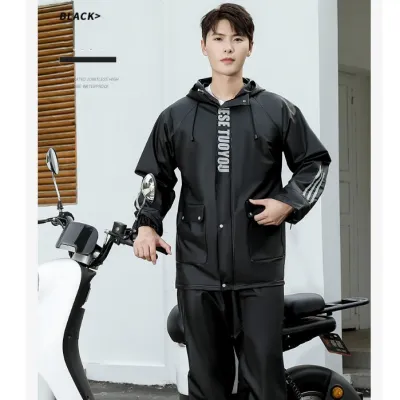
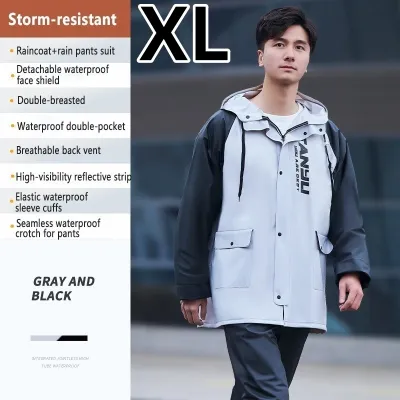
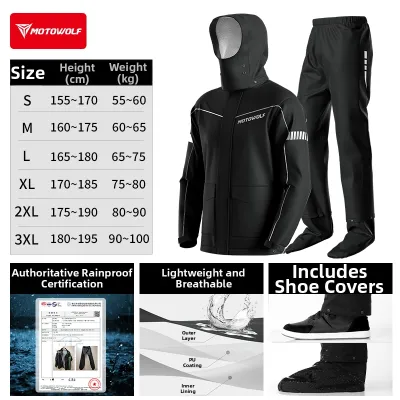
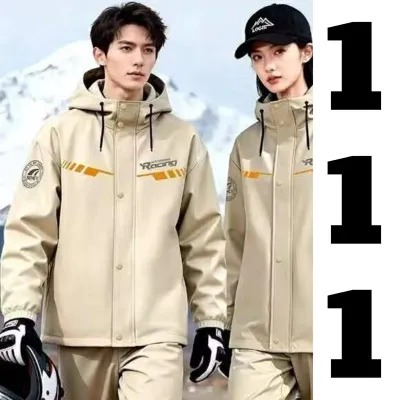
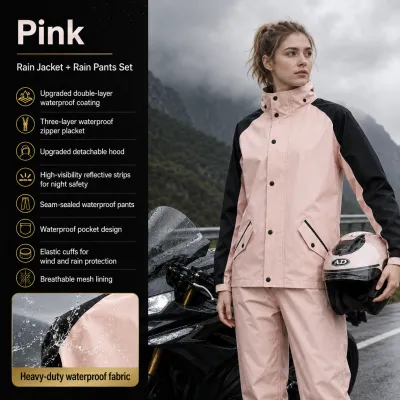
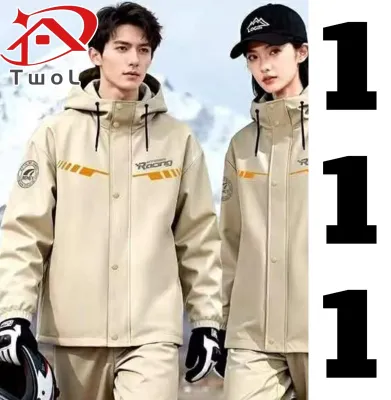
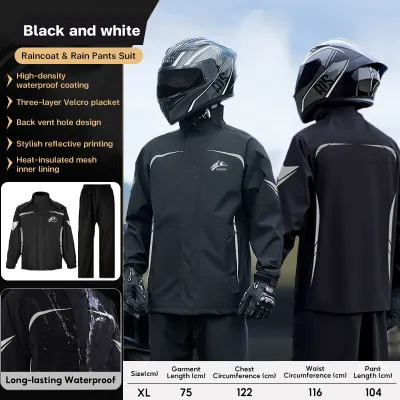
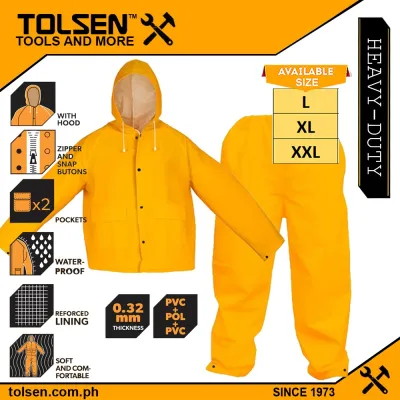
Prices are valid at publication and may change. Please refer to the product page for the latest price.
To make an informed choice, you must look closely at the technical specifications printed on the product labels or manufacturer tags. Key metrics to evaluate include the hydrostatic head rating (measured in millimeters) which indicates water resistance, and the moisture vapor transmission rate (MVTR) which measures breathability. Additionally, inspect the construction details, noting whether the seams are fully taped, welded, or merely stitched, as these methods directly affect how well the garment resists water penetration under pressure.
Daily Commute: Prioritizing Convenience and Visibility
For riders navigating daily urban traffic, convenience and rapid deployment are the most critical factors. Urban downpours often strike suddenly, requiring you to pull over and put on your rain gear quickly on the side of a busy road. Look for Ravenstorm commuter models that feature wide neck openings, full-length front zippers, and oversized pull tabs that you can easily operate while wearing riding gloves. Elasticized cuffs and quick-adjust waist straps also help speed up the process of sealing out the elements.

Visibility is another life-saving consideration when commuting through heavy city rain and low-light conditions. Splashing water, fogged-up car windows, and spray from larger vehicles make it incredibly difficult for drivers to see motorcyclists. Ensure your chosen commuter model features bright, high-visibility colorways—such as neon yellow or high-vis green—alongside extensive retroreflective strips across the back, shoulders, and sleeves to catch headlight beams.
Finally, practical storage is essential for daily riders who must pack their gear away once they reach their destination. A commuter raincoat should fold down into a compact, manageable size that fits easily inside an under-seat compartment, a top box, or a daily backpack. Look for models that come with their own breathable compression sacks, which help prevent mold and mildew growth when the suit is packed away damp for short periods.
Long-Distance Touring: Focusing on Comfort and Weather Protection
Long-distance touring demands a completely different level of protection, as you will likely face prolonged exposure to heavy rain and high wind speeds for hours at a time. At highway speeds, rain drops strike your gear with significant force, easily penetrating standard fabrics and non-sealed zippers. For these journeys, prioritize Ravenstorm models constructed from heavy-duty, multi-layer laminated fabrics with high waterproof ratings and fully taped or heat-sealed seams.
Staying dry from the outside is only half the battle; managing internal moisture is equally important during long hours in the saddle. The high humidity of tropical climates can quickly turn a completely sealed raincoat into a portable sauna, leading to heavy perspiration and discomfort. Look for touring jackets equipped with dedicated ventilation systems, such as zippered pit vents, back exhaust ports, and breathable mesh inner linings that promote airflow without letting rainwater slip inside.
The fit of a touring raincoat must also be highly aerodynamic to prevent the fabric from flapping excessively at high speeds. Constant flapping is not only incredibly noisy and tiring over long distances, but it also accelerates wear on the waterproof membrane and seams. Choose models with multiple adjustment points—such as velcro straps on the biceps, forearms, and waist—which allow you to cinch the material tightly over your standard riding jacket to maintain a streamlined profile.
Off-Road Trail Riding: Demanding Durability and Mobility
Off-road trail riding and adventure touring subject rain gear to extreme physical abuse and high levels of rider exertion. When navigating dirt tracks, muddy trails, or overgrown paths, your raincoat will frequently brush against branches, briars, and loose debris. To withstand this environment, look for Ravenstorm models that feature reinforced, high-denier panels in high-wear areas, particularly around the shoulders, elbows, knees, and seat.
Mobility is paramount when you are constantly shifting your weight, standing on the footpegs, and maneuvering your motorcycle through technical terrain. A stiff, restrictive raincoat will quickly tire you out and limit your control over the bike. Seek out designs that incorporate articulated joints, pre-curved sleeves, and strategically placed stretch panels that allow for a full, unrestricted range of motion.
Mud, dirt, and water spray are constant companions on the trail, making robust closures a necessity. Standard zippers can easily jam or fail when clogged with grit and mud. Ensure the raincoat utilizes heavy-duty, chunky zippers protected by wide storm flaps, secured with robust hook-and-loop fasteners or snap buttons to keep debris out of the main closure, collar, and cuffs.
Cross-Scenario Compatibility: Can One Raincoat Do It All?
If your riding routine involves a mix of daily commuting, weekend touring, and occasional light trail riding, you might wonder if a single Ravenstorm raincoat can handle it all. While specialized gear always performs best in its intended environment, certain versatile models can bridge the gap. These hybrid options typically offer a balanced compromise, combining moderate packability with durable construction and decent ventilation.
When choosing a single multi-purpose raincoat, you must carefully weigh the trade-offs. A heavy-duty touring jacket will keep you dry on the highway and survive light trail use, but it will be bulky to store in a commuter top box and hot in city traffic. On the other hand, a lightweight commuter jacket is highly portable but may wear out quickly on off-road trails and fail to keep you dry during a multi-hour highway downpour.
To help you decide, consider this general compatibility framework based on your primary riding style:
| Primary Riding Style | Secondary Use | Recommended Features to Prioritize |
|---|---|---|
| Daily Commuting | Occasional Touring | High-visibility colors, moderate packability, adjustable arm straps to reduce highway flap. |
| Long-Distance Touring | Occasional Commuting | Multi-layer waterproofing, extensive ventilation zippers, compact folding capability. |
| Off-Road / Adventure | Occasional Touring | High-denier reinforced panels, articulated fit, heavy-duty storm flaps over zippers. |
How to Verify Specifications and Fit Before You Buy
Before purchasing any Ravenstorm raincoat, it is vital to verify the technical specifications and physical fit to ensure it meets your specific needs. Do not rely solely on general marketing descriptions; instead, look closely at the manufacturer tags and product specifications. Verify the exact waterproof rating (such as 10,000mm or higher) and check if the breathability rating is clearly stated to ensure comfort in warm, humid conditions.
Sizing a motorcycle raincoat requires a different approach than sizing regular clothing. The raincoat must fit comfortably over your complete set of protective riding gear, including your armored jacket, chest protectors, and riding pants. Always consult the manufacturer’s specific sizing chart, and consider sizing up if you regularly wear bulky thermal layers or thick impact armor underneath.
Finally, always inspect the physical build quality of the garment immediately upon receipt. Check the integrity of the seam taping on the inside of the jacket and pants, test the smoothness of the zippers, and verify the strength of the velcro closures. It is also wise to verify the retailer’s return policies and warranty terms so you can easily exchange the item if you discover any manufacturing defects or fitment issues before taking it out on the road.
Frequently Asked Questions (FAQ)
How should I clean and maintain my Ravenstorm raincoat to preserve its waterproofing?
Always refer to the specific care label stitched inside your Ravenstorm raincoat before cleaning. As a general rule, hand wash the garment in cool water using a mild, liquid detergent formulated for technical outerwear, and avoid harsh chemical detergents, bleach, or fabric softeners, which can strip away the Durable Water Repellent (DWR) coating. Hang the raincoat to air dry in a well-ventilated area away from direct sunlight and high heat sources. If you notice water stops beading on the outer fabric or if the inner seam tape begins to peel, consult the manufacturer for recommended DWR restoration sprays or professional repair options.
Can I wear my riding armor underneath a Ravenstorm raincoat?
Yes, but you must ensure the raincoat is specifically sized to accommodate your protective armor without restricting your movement. Wearing a raincoat that is too tight over your armor can compress the protective foam or impact protectors, which significantly reduces their ability to absorb shock during a fall. Additionally, tight spots can put excessive stress on the raincoat’s seams and zippers, leading to premature failure and water leaks. When trying on the gear, verify that the cuffs and collar can close securely over your gloves and neck protection without creating gaps that could let water seep inside.

Community discussion
Share your experience or ask a question. Comments are reviewed before publication.