
Understanding Your Night Riding Scenario
A reflectorized motorcycle vest is a critical piece of safety gear for any rider, but a single design cannot perform perfectly across all environments. In the Philippines, where high humidity, sudden tropical downpours, and diverse road conditions dictate daily travel, choosing the right vest requires careful consideration of your specific riding profile.
Riders face vastly different challenges depending on whether they are navigating congested city streets at low speeds, traveling along unlit provincial highways, or working long hours as delivery riders. A vest that offers excellent wind protection on a highway might trap suffocating heat during a stop-and-go commute in Metro Manila. Conversely, an ultra-lightweight mesh harness might lack the durability or pocket space needed for a full-day delivery shift.
To find the ideal reflectorized motorcycle vest, you must evaluate several core variables: average riding speed, traffic density, weather exposure, and physical exertion levels. Balancing these factors ensures that your safety gear provides optimal visibility to other motorists while keeping you comfortable and focused on the road.
Products mentioned in this guide
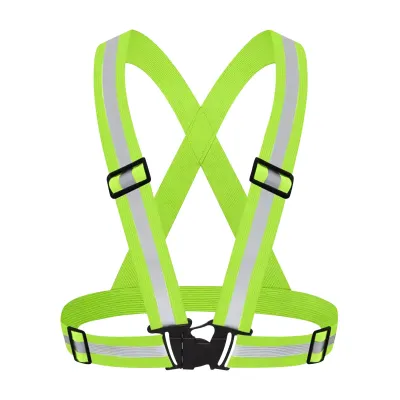
![COD) Garter Reflective vest High Visibility Reflectors for motorcycle Adjustable Elastic Safety Vest Strap # Reflect vest 01 [Everyminute]](https://img.lazcdn.com/g/p/056648c17fcc0b8886e6aaa48cdbf218.jpg_400x400q80.jpg_.webp)
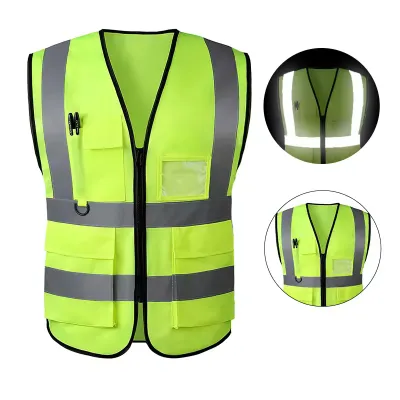
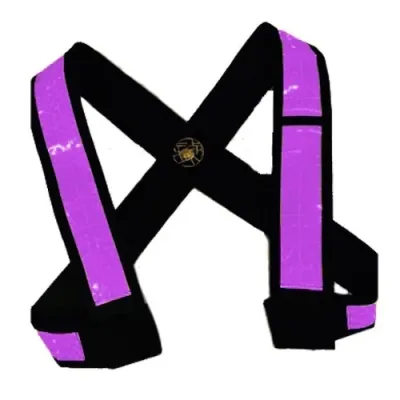
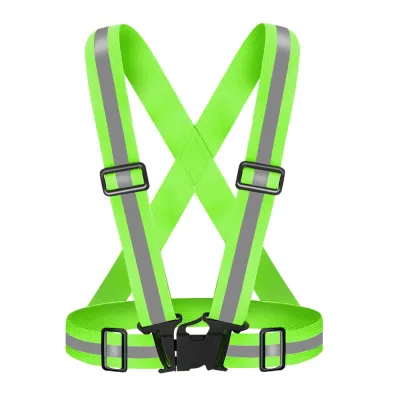
Prices are valid at publication and may change. Please refer to the product page for the latest price.
Urban Commuting: Prioritizing Breathability and 360-Degree Visibility
Daily urban commuting in major cities involves navigating dense, slow-moving traffic, frequent stops, and high ambient temperatures. In these environments, riders are surrounded by streetlights, commercial signs, and vehicle headlights, which can create a chaotic visual field. The primary safety goal for an urban commuter is to stand out from this background noise with 360-degree visibility, while managing intense heat and humidity.

For city riding, lightweight mesh reflective vests or minimal-profile sleeveless harness designs are highly recommended. These styles allow maximum airflow, which is essential when idling at busy intersections or filtering through tight traffic lanes. Heavy, solid fabrics trap sweat and body heat, leading to discomfort and fatigue that can compromise your focus and reaction times.
When evaluating a vest for urban commuting, look for wide retroreflective strips that run horizontally and vertically across the torso. This placement ensures that you remain visible to drivers approaching from the front, rear, and sides, particularly when turning or changing lanes. Adjustable side straps are another valuable feature, allowing you to customize the fit and maximize airflow depending on the thickness of your clothing.
Ensure the vest fits snugly over your regular clothing or light riding jacket without any loose fabric that could snag on handlebars, side mirrors, or passing vehicles in tight spaces. The armholes must be wide enough to allow unrestricted shoulder movement, enabling you to check your blind spots and execute sudden maneuvers safely. A loose, flapping vest not only reduces visibility by folding the reflective material away from light sources but also presents a physical hazard in heavy traffic.
Provincial Highway Travel: Maximizing Long-Distance Reflectivity and Wind Protection
Traveling on provincial highways presents a different set of challenges compared to city riding. Speeds are significantly higher, roads are often poorly lit or completely dark, and riders must contend with strong headwinds, passing trucks, and sudden weather changes. In these conditions, long-distance visibility is paramount, as oncoming drivers need ample time to spot you and adjust their path.
For long-distance highway travel, solid fabric vests with integrated reflective piping or windbreaker-style safety vests are the most suitable choices. These designs offer structural integrity that resists the force of high-speed winds, preventing the vest from flapping violently. Excessive flapping is not only distracting and fatiguing but can also cause the reflective elements to shift out of the direct line of oncoming headlights.
Look for vests featuring high-visibility neon base colors, such as fluorescent yellow or orange, combined with premium retroreflective tape that meets recognized safety standards. The base color ensures you remain visible during dusk, dawn, or during sudden heavy downpours when headlights may not be fully effective. Secure zipper closures are essential to keep the vest firmly closed against wind blast, and water-resistant materials help shield you from light rain and road spray.
Before purchasing, check the manufacturer’s documentation to verify that the vest is designed to be worn over heavy protective riding jackets. It must fit securely without restricting your breathing or movement, and any adjustment straps should have secure fasteners that will not slip at high speeds. Always prioritize vests that maintain their shape under wind pressure, ensuring that the reflective surfaces remain flat and fully functional.
Food Delivery Work: Balancing Utility, Durability, and Extended Wear
Delivery riders spend long, consecutive hours on the road in all weather conditions, making durability, comfort, and utility just as important as visibility. Because delivery work involves frequent stops, mounting and dismounting the motorcycle, and handling customer transactions, the safety vest must double as a functional tool. It must withstand daily wear and tear while providing quick access to essential items.
Multi-pocket reflective vests and heavy-duty mesh or canvas safety vests are ideal for this scenario. Canvas and reinforced mesh materials offer the structural strength needed to support loaded pockets without tearing or sagging over time. These vests typically feature a mix of clear ID pockets, zippered compartments, and pen holders, allowing you to keep your phone, receipts, and small change secure and accessible.
Evaluate vests with reinforced stitching at high-stress areas, such as the pocket corners and zipper seams, to ensure longevity under heavy daily use. High-contrast reflective patterns—combining silver retroreflective strips with bright fluorescent borders—maximize your visibility to both motorists and pedestrians during night deliveries. Quick-release front zippers or heavy-duty hook-and-loop fasteners allow you to put on or remove the vest easily over your delivery uniform.
When utilizing a multi-pocket vest, distribute the weight of your items evenly across both sides to prevent the vest from shifting or pulling to one side while riding. Avoid placing heavy, sharp, or rigid objects, such as large tools or bulky power banks, in the chest pockets, as these can cause severe impact injuries in the event of a fall. Keep your pockets streamlined to ensure they do not catch on your motorcycle’s controls or delivery box straps.
Cross-Scenario Compatibility: Choosing a Versatile Vest for Mixed Riding
Many riders do not fit neatly into a single category, often splitting their time between daily urban commutes, weekend highway trips, and occasional delivery or courier tasks. If you ride in multiple scenarios, you must decide whether to invest in multiple specialized vests or choose a single, versatile hybrid model. While specialized gear offers optimal performance for specific tasks, a well-designed hybrid vest can provide a safe and practical compromise.
A high-quality hybrid vest should incorporate modular features that adapt to changing conditions. Look for designs with zip-out windproof liners that offer wind protection on the highway but can be removed to expose highly breathable mesh panels for city riding. Removable or modular pocket systems allow you to strip away excess bulk when commuting, then attach them when you need extra storage for delivery work or long trips.
If you choose to use a single vest for mixed riding, prioritize safety features designed for the most demanding environment you encounter. For example, if your route includes even occasional highway travel, choose a vest with a high-visibility fluorescent base and secure wind-resistant closures, rather than an ultra-minimalist mesh harness. It is far safer to tolerate slightly more warmth during a slow city commute than to lack adequate visibility and wind resistance on a fast, dark highway.
Regardless of the style you choose, maintaining the retroreflective properties of your vest is essential for long-term safety. Regularly inspect the reflective strips for signs of cracking, peeling, or fading, which can significantly reduce their ability to bounce light back to drivers. Store your vest in a cool, dry place away from direct sunlight when not in use, as prolonged exposure to ultraviolet rays can degrade both the fabric and the reflective compounds.
Frequently Asked Questions (FAQ)
How do I clean a reflectorized motorcycle vest without ruining the reflective tape?
To preserve the retroreflective performance of your vest, hand wash it using mild detergent and cold water. Avoid using bleach, fabric softeners, or harsh chemical cleaners, as these substances can chemically degrade the microscopic glass beads or micro-prisms embedded in the reflective tape. Do not use stiff brushes or abrasive sponges to scrub the reflective surfaces, as physical abrasion can scratch and dull the material. After washing, gently squeeze out excess water without wringing, and hang the vest to air dry in a shaded, well-ventilated area. Never place the vest in a mechanical dryer or expose it to direct, intense sunlight, as extreme heat can warp, melt, or peel the adhesive backing of the reflective elements.
Does the base color of the vest matter if it already has reflective strips?
Yes, the base color plays a vital role in your overall safety because retroreflective strips and fluorescent base fabrics serve different visual purposes. Retroreflective tape is designed specifically for nighttime visibility, as it requires a direct light source, such as car headlights, to bounce light back to the driver’s eyes. In contrast, fluorescent base colors, like neon yellow or bright orange, excel during the daytime, dawn, dusk, and overcast weather by absorbing invisible ultraviolet light and re-emitting it as visible light. A vest that combines both elements ensures you remain highly visible to other road users across all twenty-four hours of the day, regardless of changing weather or ambient lighting conditions.
Community discussion
Share your experience or ask a question. Comments are reviewed before publication.