
Selecting the right motorcycle luggage can transform your riding experience, whether you are weaving through dense urban traffic or embarking on a long-distance provincial loop. Choosing the ideal rhinowalk motorcycle bag depends entirely on your primary riding style, as different form factors cater to distinct needs for capacity, accessibility, and weight distribution. A daily commuter requires quick-access, highly weather-resistant solutions like tank bags or compact tail packs to protect electronics from sudden tropical downpours. Conversely, long-distance touring riders need the high-volume, low-slung stability of side saddlebags, while commercial delivery riders must prioritize rigid, high-durability utility packs that withstand constant friction and high-frequency use. Matching your specific riding habits to the correct bag design ensures your gear remains secure, your motorcycle handles predictably, and your belongings stay dry regardless of the weather.
Understanding Rhinowalk Bag Types and Their Core Functions
To make an informed decision, you must first understand the primary categories of motorcycle luggage and how their mounting positions affect your motorcycle’s dynamics. Rhinowalk designs its luggage around four main form factors: tank bags, tail bags, saddlebags (or panniers), and frame packs. Each type serves a distinct purpose, utilizing different areas of the motorcycle’s chassis to distribute weight and organize gear.
Tank bags mount directly on top of the fuel tank, placing essential items right in front of the rider’s chest. These bags typically offer a capacity range of 3 to 10 liters, making them ideal for small, high-value items like mobile phones, wallets, and documents. Because the weight sits close to the motorcycle’s steering axis and center of gravity, a tank bag has a negligible impact on overall handling, though riders must ensure the bag does not restrict full handlebar lock-to-lock movement.
Products mentioned in this guide
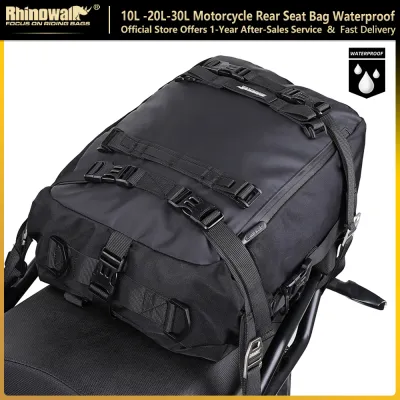
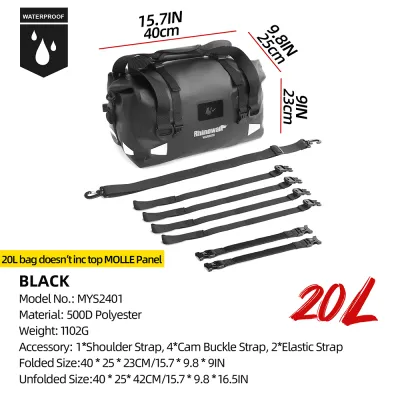
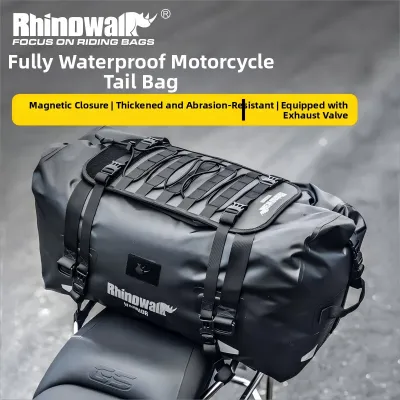
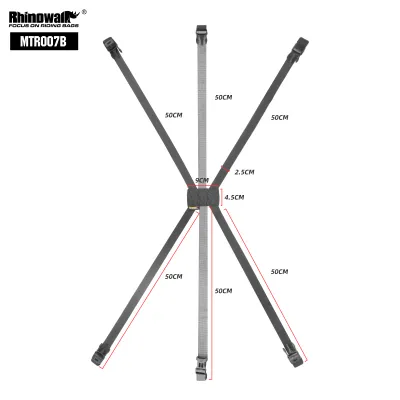
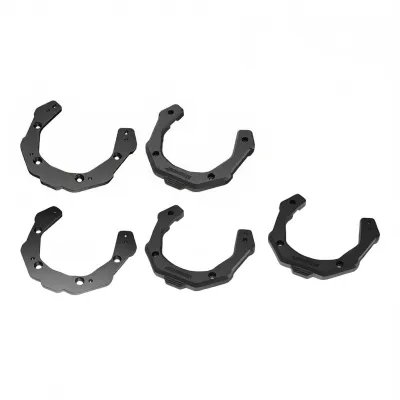
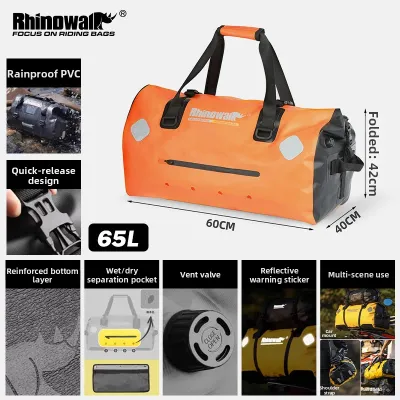
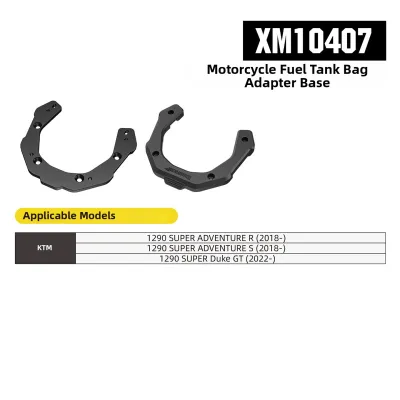
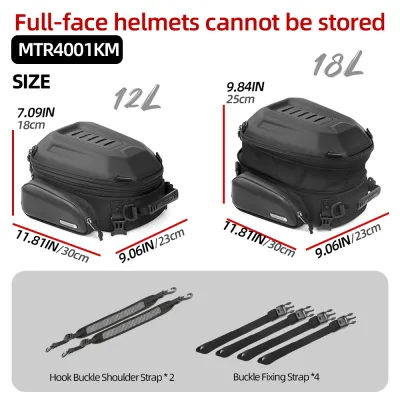
Prices are valid at publication and may change. Please refer to the product page for the latest price.
Tail bags are secured to the passenger pillion seat or an aftermarket rear luggage rack. With capacities ranging from a compact 8 liters to a massive 40 liters or more, tail bags are highly versatile and easy to mount on most standard motorcycles. However, because they place weight high up and far back on the chassis, overloading a tail bag can raise the vehicle’s center of gravity, potentially making the rear feel loose or unstable during high-speed cornering.
Saddlebags and panniers hang on either side of the rear wheel, often supported by side racks or specialized mounting straps. These systems offer substantial storage space, typically ranging from 15 to 30 liters per side. By keeping the luggage weight low and centered alongside the rear wheel, saddlebags maintain excellent vehicle stability, making them the preferred choice for carrying heavy loads over long distances.
Frame packs and crash bar bags occupy the small, underutilized spaces of a motorcycle, such as the triangle within the frame rails or the engine protection bars. These compact bags usually hold between 2 to 6 liters of gear. Because they sit low and forward, they are perfect for storing heavy tools, spare tire tubes, or recovery gear without compromising the motorcycle’s balance or aerodynamics.
Daily Commuting: Prioritizing Quick Access and Weather Resistance
Urban commuting in the Philippines presents unique challenges, including heavy stop-and-go traffic, tight lane-filtering scenarios, and highly unpredictable tropical weather. A commuter’s luggage must be exceptionally quick to mount and dismount, narrow enough to clear car side mirrors, and completely waterproof to survive sudden afternoon monsoons.

For riders who need immediate access to their belongings, a compact tank bag is an excellent commuting companion. These bags are perfect for storing tollway RFID cards, parking tickets, smartphones, and power banks. Before purchasing, however, you must verify your motorcycle’s tank material; magnetic tank bags work beautifully on steel tanks but will not adhere to the plastic fairings or fuel tank covers common on modern scooters, underbones, and adventure bikes, which instead require strap-mounted configurations.
If you need to carry larger items like a change of clothes, a lunchbox, or a compact laptop, a roll-top tail bag is a highly practical alternative. A 10- to 20-liter waterproof tail bag keeps your front area clear and maintains a slim profile, allowing you to filter through tight traffic corridors safely. Roll-top closures are particularly effective at keeping water out, as they eliminate the vulnerable seams and zipper lines that often fail during torrential downpours.
When choosing a commuting bag, pay close attention to the mounting hardware and off-bike carrying options. Because you will likely make frequent stops at convenience stores, gas stations, or office buildings, a bag with quick-release buckles is essential. Opt for models that feature integrated shoulder straps or carry handles, allowing you to quickly detach the bag and carry it with you to prevent theft.
Weekend Touring: Maximizing Capacity and Weight Distribution
Weekend touring and long-distance road trips demand a completely different approach to motorcycle luggage. When you are carrying several days’ worth of clothing, spare riding gear, tools, and personal electronics, maximizing storage capacity while preserving the motorcycle’s handling characteristics becomes paramount.
Saddlebags are the undisputed champions of long-distance riding because they optimize weight distribution. By placing your heaviest items—such as tire repair kits, portable air compressors, and heavy spare parts—low on either side of the rear wheel, you keep the motorcycle’s center of gravity low. This low-slung weight distribution prevents the bike from feeling top-heavy, ensuring predictable cornering and stable braking when navigating winding mountain passes or highway stretches.
For motorcycles that lack dedicated side pannier racks, a large, heavy-duty tail bag serves as an excellent alternative. High-capacity tail bags (ranging from 30 to 50 liters) can hold an immense amount of gear, but they require a robust and secure mounting system. When installing these large bags, always anchor the mounting straps directly to the motorcycle’s steel subframe or dedicated passenger grab rails rather than relying on flimsy plastic body panels.
Regardless of the bag type you choose, proper load balancing is critical for your safety on the road. Always distribute weight evenly between the left and right sides of your saddlebags to prevent the motorcycle from pulling to one side. Additionally, consult your motorcycle’s owner’s manual to verify the maximum weight capacity of your rear subframe or luggage rack, as exceeding these limits can lead to structural failure, cracked frames, or dangerous high-speed tank-slappers.
Delivery and Utility Work: Durability and High-Frequency Use
Commercial delivery riders, couriers, and utility workers subject their motorcycle gear to extreme wear and tear on a daily basis. For these demanding applications, luggage must be built to withstand constant friction, frequent opening and closing, and prolonged exposure to intense sunlight and road grime.
If you use your motorcycle for utility or delivery work, look for hard-structured or semi-rigid tail packs. Unlike completely soft dry bags that sag and lose their shape when empty, structured bags maintain their form, making it significantly easier to load and unload parcels, document envelopes, or food containers quickly. This structural rigidity also prevents the bag from shifting or folding over your taillight while riding.
Safety is another critical consideration for high-frequency utility riders who often work late into the night. Ensure your chosen bag features prominent reflective piping, high-visibility yellow accents, or dedicated loops for mounting auxiliary safety lights. Staying highly visible to larger vehicles on dimly lit city streets or provincial highways is essential for avoiding accidents.
Finally, utility bags must be constructed from materials that are exceptionally easy to clean. Heavy-duty TPU (thermoplastic polyurethane) or 500D PVC tarpaulin materials are ideal because they resist oil, grease, and dust. When the bag inevitably becomes covered in road grime or food spills, you can simply wipe it down with a damp cloth and mild soap. Always check the manufacturer’s care label before using harsh chemical cleaners, as some solvents can degrade the waterproof coatings.
Cross-Scenario Compatibility: Can One Bag Do It All?
Many riders own only one motorcycle and prefer not to buy multiple pieces of specialized luggage. While some versatile “hybrid” bags attempt to bridge the gap between commuting and touring, they often come with distinct trade-offs that you must carefully evaluate.
Modular bags, such as tail packs that convert into backpacks or expandable tank bags, offer excellent flexibility for multi-purpose riders. However, these convertible designs often compromise on absolute performance. For instance, a tail bag with hidden backpack straps may have a bulkier profile that catches the wind, while an expandable tank bag can become unstable and floppy when fully extended, potentially blocking your view of the instrument cluster.
To make the right choice, apply the 80/20 decision rule: identify the scenario that accounts for 80% of your riding time and select a bag optimized specifically for that task. If you primarily commute to work during the week, buy a streamlined, medium-sized tail bag or tank bag. For the occasional 20% of the time you spend touring on weekends, you can easily supplement your setup by strapping a simple, inexpensive waterproof dry bag over your passenger seat using high-tension utility straps.
Installation, Safety, and Maintenance Tips
Proper installation and regular maintenance of your motorcycle luggage are vital to ensure your safety on the road and protect your investment. Even the highest-quality bag can become a hazard if it is mounted incorrectly or allowed to deteriorate over time.
Before every ride, perform a comprehensive safety check of all mounting straps and buckles. Ensure that all loose strap ends are neatly tucked away and secured; dangling straps can easily melt if they come into contact with a hot exhaust pipe, or worse, they can become tangled in your rear wheel, drive chain, or suspension components, leading to a sudden and dangerous loss of control.
Additionally, verify that your mounted luggage does not block your motorcycle’s taillight, rear turn signals, or license plate. Maintaining clear visibility of these safety components is not only crucial for your safety in traffic but is also a strict legal requirement on public roads. If your bag obscures these areas, you must adjust its mounting position or install auxiliary light extensions.
In the highly humid and tropical climate of the Philippines, mold and mildew can quickly ruin damp gear. After riding through a heavy downpour, never store your bag in a closed closet or plastic bin while it is still wet. Wipe down the exterior, open all compartments, and allow the bag to air-dry completely in a shaded, well-ventilated area. Regularly inspect plastic buckles for signs of sun-bleaching or stress cracks, and consult your motorcycle’s owner’s manual to ensure your total luggage weight does not exceed the manufacturer’s specified limits.
Frequently Asked Questions (FAQ)
Are Rhinowalk bags universally compatible with all motorcycle models?
While many strap-on Rhinowalk bags feature highly adjustable mounting systems, true universal fit is not guaranteed for every motorcycle geometry. Bikes with high-swept exhaust pipes, minimal rear subframes, or aggressive passenger seat cowls may require specific mounting brackets, side racks, or heat shields to prevent damage. Always measure your bike’s clearance and compare it to the bag’s dimensions before purchasing.
How do I maintain the waterproof zippers and materials?
Keep waterproof zippers functional by gently brushing away sand, dust, and road grit with a soft toothbrush. If a zipper becomes stiff, apply a thin layer of manufacturer-approved zipper wax or lubricant. Never force a stuck zipper. After wet rides, wipe down the exterior and let the bag air-dry completely away from direct sunlight to preserve the waterproof TPU or PVC coatings.
Community discussion
Share your experience or ask a question. Comments are reviewed before publication.