
Choosing the right footwear for off-road riding is a critical safety decision that directly impacts your control over the motorcycle and your physical protection. Tiger motocross boots, like any specialized riding gear, are engineered to perform under specific conditions, but their actual suitability depends entirely on matching their physical design to your specific riding environment. Whether you are navigating muddy trails, tackling a dedicated motocross track, or looking for basic protection during weekend rides, understanding the design limits of your boots ensures you do not compromise your safety.
In tropical climates where high humidity, sudden downpours, and muddy terrain are common, gear selection requires even closer scrutiny. Moisture and heat accelerate the wear of adhesives and plastics, making it essential to evaluate how a boot handles both impact protection and environmental stress. By analyzing your primary riding scenarios and inspecting the physical characteristics of your Tiger motocross boots, you can make an informed decision on whether they are the right tool for your specific riding style.
Matching Your Riding Scenario to Boot Requirements
Dedicated motocross tracks demand the highest level of structural rigidity and impact protection from a boot. On a closed track, riders frequently experience high-speed jumps, deep ruts, and heavy impacts from landing. To withstand these forces, a track-focused boot requires an exceptionally stiff sole that does not flex over the footpegs, a robust ankle pivot system to prevent hyperextension, and thick plastic armor to deflect flying debris and engine heat. If your primary activity involves track racing, your boots must prioritize absolute rigidity over walking comfort.
Products mentioned in this guide
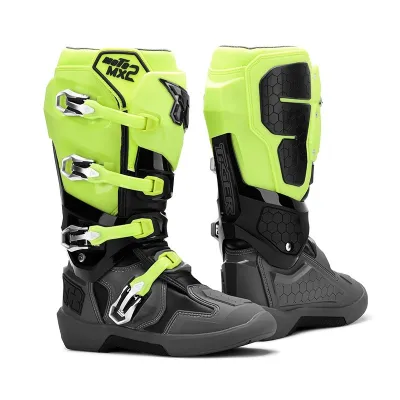
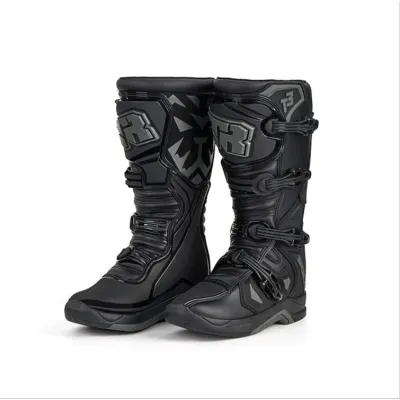
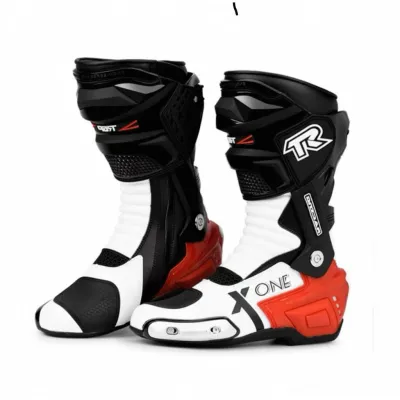
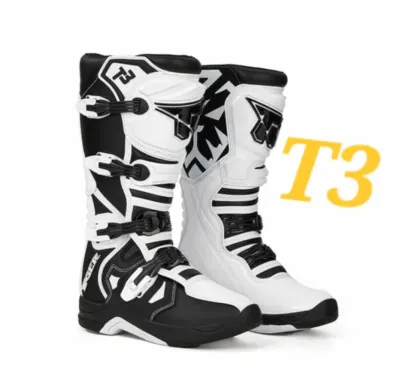
Prices are valid at publication and may change. Please refer to the product page for the latest price.
Trail riding and enduro environments present a completely different set of challenges that require a balance between protection and mobility. When riding through dense forests, rocky riverbeds, or muddy mountain paths, you are highly likely to encounter situations where you must dismount to push your motorcycle or scout the path ahead. A boot designed for this scenario must offer reliable traction on wet clay, slippery rocks, and steep inclines. While ankle protection remains vital, the boot must also allow enough forward flex to let you walk without slipping or experiencing extreme fatigue.
Casual or occasional off-road riding, such as light farm trails or low-speed weekend excursions, calls for a more flexible and user-friendly design. For these low-intensity scenarios, the extreme weight and stiffness of a professional-grade track boot can be counterproductive, causing unnecessary fatigue and reducing your feel for the rear brake and gear shifter. Occasional riders should look for boots that offer basic ankle support, reliable buckle systems, and comfortable interior padding, allowing for an easy transition between riding and brief periods of walking.
Inspecting Tiger Motocross Boots for Scenario Suitability
To determine if your Tiger motocross boots are appropriate for your chosen riding style, start by examining the manufacturer’s documentation. Check the user manual, product packaging, or official specifications for the intended use cases, safety certifications, and any explicit limitations. Look for recognized safety standards, such as CE certification codes, which indicate the level of impact and abrasion resistance the boots are verified to provide. If the documentation explicitly warns against track use or limits the boot to light trail riding, you must respect those boundaries to avoid serious injury.

Next, perform a detailed physical inspection of the boot’s construction, starting with the sole. A traditional stitched-on sole (often referred to as a Goodyear welt) is highly rigid and replaceable, making it excellent for track riding where footpegs can quickly wear down the rubber. Conversely, a molded sole is typically lighter and offers a better feel for the bike’s controls, which is highly beneficial for trail and casual riders. Press firmly on the sole to check its stiffness; a boot intended for high-impact track riding should resist bending or twisting under significant hand pressure.
Examine the ankle area for a mechanical pivot or hinge mechanism. A true hinge allows the boot to flex naturally forward and backward to facilitate shifting and braking, while locking out lateral movement to prevent painful ankle rolls and twists. If your Tiger boots lack a mechanical hinge and rely solely on thick leather or plastic panels for support, they may require a longer break-in period and might not offer the same level of lateral protection required for aggressive track riding. Additionally, inspect the shin plate and calf guards to ensure they are made of high-impact polyurethane capable of absorbing direct blows from rocks or the motorcycle itself.
Finally, evaluate the fit and closure systems of the boots. Fasten all the buckles and straps to ensure they snap shut securely and do not slip under tension. In warm, humid conditions, your feet are prone to swelling, so the closure system must allow for precise adjustments to maintain a snug fit without cutting off blood circulation. A properly fitting boot should hold your heel firmly in place when you lift your foot, preventing internal slipping that can lead to blisters or a loss of control during sudden maneuvers.
Managing Cross-Scenario Use and Safety Limits
Attempting to use a single pair of boots across vastly different riding scenarios always involves practical trade-offs and potential safety risks. Wearing a highly rigid, track-focused boot on a technical enduro trail can lead to severe physical fatigue and a dangerous lack of traction when dabbing your foot on wet, slippery surfaces. On the other hand, using a flexible, entry-level boot on a high-speed motocross track exposes your feet and ankles to severe hyperextension and crush injuries during hard landings or collisions.
Environmental factors play a major role in the degradation of riding gear, especially in tropical regions. High humidity and intense sun exposure can cause the adhesives holding the sole to the boot body to fail, leading to sudden delamination. Regularly inspect your boots for visible signs of wear, such as cracked plastic shells, frayed stitching, loose pivot screws, or buckles that no longer stay latched. If you notice that the plastic guards have become brittle or that the sole is beginning to peel away from the toe or heel, the structural integrity of the boot is compromised.
When structural damage or material degradation is detected, you must stop using the boots immediately to prevent injury. Do not attempt to repair critical safety components with household glues, duct tape, or makeshift fasteners, as these temporary fixes will fail under the extreme stresses of off-road riding. If you are unsure about the extent of the damage or the boot’s remaining protective capabilities, consult the manufacturer’s customer support or visit a qualified riding gear specialist for a professional assessment before riding again.
Frequently Asked Questions (FAQ)
Can I use motocross boots for casual street riding?
Using dedicated motocross boots for casual street riding is generally not recommended due to significant differences in sole design and grip. Motocross soles are engineered to grip metal footpegs and slide over dirt; when placed on wet asphalt, concrete, or painted road lines, the hard rubber or plastic compounds can slip easily, causing you to lose balance at a stoplight. Furthermore, the extreme stiffness of off-road boots severely limits walking comfort and restricts the ankle flexibility needed to operate street bike controls smoothly. Always check the manufacturer’s guidelines to see if your specific boots are rated for dual-sport or street use before riding on paved roads.
How do I know if my motocross boots need replacing?
You can determine if your motocross boots need replacing by performing a thorough visual and physical inspection. Look for clear signs of structural failure, such as deep cracks in the plastic shin or ankle guards, worn-out soles where the footpegs have eaten completely through the rubber, broken buckle mounts, or a loose, unstable ankle hinge. Additionally, materials like polyurethane and internal foam degrade over time due to sweat, moisture, and UV exposure, even if the exterior looks intact. Always follow the manufacturer’s recommended lifespan and inspection intervals rather than relying on general assumptions about the durability of your gear.
Community discussion
Share your experience or ask a question. Comments are reviewed before publication.