
There is no single universal terminal removal kit that fits every vehicle, as modern automotive wiring relies on a wide variety of proprietary and standardized connectors. However, a versatile kit that includes single-pin pushers, double-barrel extractors for weather-sealed plugs, and tube-style tools for round pins forms the essential foundation for any car owner tackling basic wiring repairs or aftermarket accessory installations. Having these tools on hand prevents permanent damage to expensive wiring harnesses and ensures that electrical upgrades remain secure and reliable over time.
In tropical climates like the Philippines, where high humidity, heavy seasonal rains, and coastal salt air accelerate electrical corrosion, maintaining clean and secure wiring connections is a constant necessity. When a sensor fails or an auxiliary horn needs installation, accessing the internal pins of a connector without the proper tool often leads to broken plastic housings and loose connections. A dedicated terminal removal kit allows you to extract individual metal pins from their plastic housings cleanly, enabling precise repairs, re-pinning, or thorough cleaning without replacing the entire wiring harness.
Why Every DIY Car Owner Needs a Terminal Removal Kit
Automotive electrical systems rely on plastic connector housings to keep metal terminals aligned, insulated, and protected from environmental factors. Inside these housings, tiny plastic or metal locking tabs secure each terminal pin in place. Attempting to pull a wire out without releasing these tabs will tear the wire from the terminal or snap the internal lock, rendering the entire connector useless. A terminal removal tool is specifically designed to slide into the connector face, depress the locking tab safely, and allow the pin to slide out effortlessly.
Products mentioned in this guide
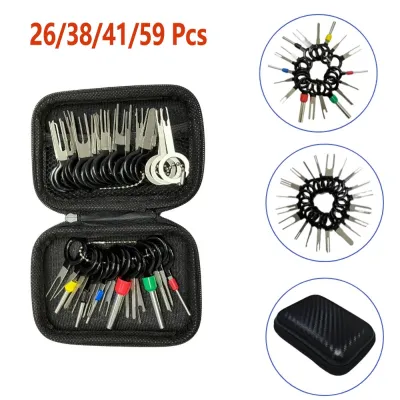
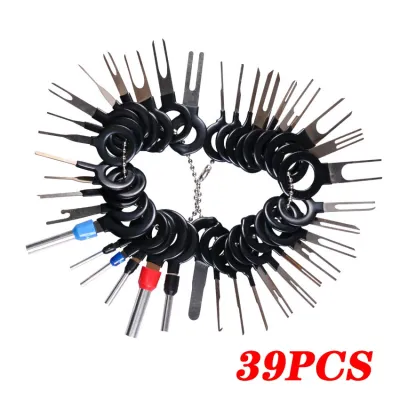
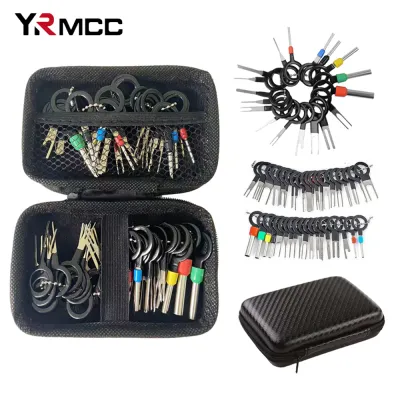

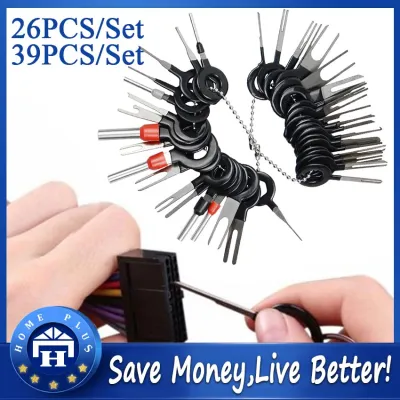
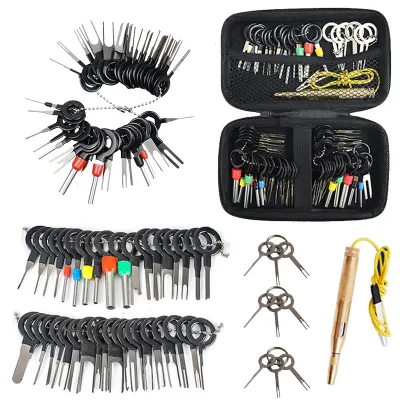
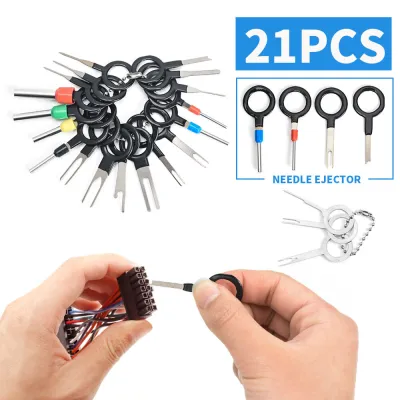
Prices are valid at publication and may change. Please refer to the product page for the latest price.
This tool becomes indispensable during common DIY projects, such as installing aftermarket dashcams, upgrading horns, or mounting auxiliary LED light bars to handle dark provincial roads. It is also crucial when troubleshooting older vehicles where heat cycles under the hood have made plastic connectors brittle. If a sensor plug cracks or a wire breaks right at the entry point of the connector, a terminal removal kit allows you to extract the damaged pin, crimp a new terminal onto fresh wire, and reinsert it into a replacement housing without splicing or cutting into the main harness.
Many car owners attempt to bypass buying a dedicated kit by using improvised household items like sewing needles, safety pins, dental picks, or precision flathead screwdrivers. While these objects might occasionally work on larger, older connectors, they pose significant risks to modern, highly sensitive electronics. Improvised tools lack the precise dimensions required for modern terminal cavities, often resulting in stretched or cracked plastic housings. Furthermore, hard steel needles can easily scratch or gouge the delicate tin, gold, or silver plating on the terminals, leading to micro-corrosion, increased electrical resistance, and intermittent connection failures that are incredibly difficult to diagnose.
Additionally, modern automotive connectors frequently feature integrated rubber weather seals to keep moisture and dust out of critical circuits. Using a sharp, non-standard tool like a sewing needle can easily puncture or tear these delicate silicone seals. Once a seal is compromised, rainwater, road grime, and humid air will penetrate the connector, leading to rapid oxidation and eventual circuit failure. A properly sized terminal removal tool slides smoothly along the designated channels of the connector, bypassing the weather seals without causing any physical damage.
Key Features to Evaluate When Choosing a Kit
When shopping for a terminal removal kit on local online marketplaces or at automotive supply shops, the sheer variety of options can be overwhelming. To ensure you select a kit that will last through multiple repairs rather than bending on its first use, you must evaluate several physical and material standards. The most critical factor is the material composition of the extraction tips. High-quality kits utilize hardened spring steel or stainless steel alloys that offer high tensile strength and a degree of flexibility. Cheaper, low-grade steel or soft aluminum tools will easily bend, twist, or snap when encountering a stubborn locking tab, potentially leaving a broken metal tip permanently lodged inside the connector cavity.

The design of the tool handle is another essential consideration for usability and safety. Many budget kits consist of simple metal rings attached to thin, flat keys. While highly portable, these ring-style tools can be painful to use when applying pressure and offer very little leverage or control. For a car owner’s primary toolbox, look for tools featuring ergonomic, non-slip handles made of textured plastic or rubberized grips. These handles allow you to apply controlled, straight force, which is particularly important when working in cramped, poorly lit engine bays or under the dashboard where hand positioning is awkward.
Organization is the final key feature that separates a frustrating tool set from a highly functional one. Because terminal removal tools are inherently small, thin, and lightweight, they are incredibly easy to misplace in a busy garage or engine compartment. A kit that comes in a durable, hard-shell carrying case with dedicated, labeled slots for each tool is highly practical compared to a loose collection on a keyring. Labeled slots not only keep the tools organized by type and size but also allow you to quickly identify which tool is missing before you close your hood and finish the job.
Furthermore, consider the thickness and finish of the tool tips. Premium tools often feature a polished or smooth finish that minimizes friction when sliding into the connector housing. The tips should have precise, clean edges without manufacturing burrs or rough spots that could catch on plastic housings. Checking product specifications for terms like “heat-treated” or “tempered” steel can help verify that the tools are manufactured to withstand the physical stress of releasing tightly wedged metal terminals.
Matching the Kit to Your Vehicle's Connector Types
Automotive manufacturers do not use a single standard for electrical connectors; instead, a single vehicle can contain dozens of different connector designs from various component suppliers. To choose the right kit, you must understand the types of connectors present in your specific vehicle. Standard blade and spade terminals are highly common in interior electronics, fuse boxes, and basic dashboard switches. These typically require flat, single-pin or double-pin pushers of varying widths to release the locking tabs from the front or rear of the connector block.
For under-hood applications, where components are exposed to splashing water, mud, and extreme heat, manufacturers utilize weather-sealed connectors. These plugs feature rubber grommets around each wire and a secondary silicone seal inside the housing interface. Extracting pins from these connectors requires specialized double-barrel or pronged tools that can slide down both sides of the terminal simultaneously to depress dual locking tabs without tearing the rubber seals. If your vehicle is a modern SUV, pickup truck, or off-road rig, you will encounter these robust, sealed connectors on everything from fuel injectors to headlight assemblies.
Heavy-duty vehicles, utility trucks, and aftermarket auxiliary lighting setups often employ specialized round-pin connectors, such as Deutsch or Amphenol connectors. These circular terminals require tube-style or cylindrical extraction tools that slide over the pin to compress the internal retaining fingers. If your toolbox only contains flat-blade keys, you will find it impossible to service these round-pin systems without damaging the expensive waterproof housings. Therefore, off-road enthusiasts and truck owners should prioritize kits that include a comprehensive selection of hollow, tube-style sleeve tools.
Before purchasing any terminal removal kit, it is highly recommended to perform a visual inspection of your vehicle’s wiring harnesses or consult the factory service manual. Take a close look at the connectors you plan to work on, noting the shape and size of the entry cavities on the face of the plug. If you own a European vehicle, you may encounter highly specific connector designs that require proprietary tool shapes, whereas Japanese and American vehicles often share more standardized blade and pin configurations. Matching the tool shapes in a prospective kit to the physical layout of your vehicle’s connectors ensures you will not be left stranded mid-repair.
Building Your Shortlist: Essential Tools for a Basic Setup
Instead of buying a massive, low-quality 100-piece kit filled with redundant or fragile tools, a smart car owner should focus on building a shortlist of essential, high-quality tool types. A highly versatile basic setup should center around a core group of extraction tools. This includes single-pin pushers in widths ranging from 0.8mm to 2.0mm, which handle the vast majority of standard automotive relays, fuse blocks, and interior accessory plugs. Additionally, a selection of double-pin pushers with varying spacing is crucial for releasing dual-locking tabs found on modern engine sensors and electronic control unit (ECU) connectors.
Beyond these core flat-blade tools, your shortlist must include specialty extractors to handle round and spade terminals. Hollow, tube-style sleeve tools in standard sizes (such as 2.0mm, 2.5mm, and 3.0mm) are essential for servicing round-pin connectors commonly used in heavy-duty wiring and trailer plugs. Flat-blade removers with angled tips are also highly useful for releasing larger spade terminals found in high-current circuits, such as starter solenoids, alternator connections, and aftermarket amplifier power lines.
To achieve complete, professional-grade repairs, consider looking for comprehensive wiring kits that bundle terminal removal tools with essential supplementary items. A high-quality ratcheting terminal crimper is an invaluable addition, ensuring that replacement pins are securely crimped onto the wire strands without loose connections. Other highly beneficial accessories to keep in your wiring toolbox include marine-grade heat shrink tubing with internal adhesive to seal joints against tropical humidity, and a tube of high-quality dielectric grease to protect newly serviced terminals from moisture and oxidation.
When deciding on the size of the kit to purchase, evaluate your actual DIY habits and the frequency of your projects. If you only intend to perform occasional maintenance, such as replacing a burnt-out headlight socket or swapping a faulty oxygen sensor, a compact, high-quality 10-to-15-piece set focusing on your vehicle’s specific brand family is often the most practical and cost-effective choice. However, if you enjoy extensive aftermarket modifications, such as installing custom audio systems, auxiliary lighting arrays, or complete engine swaps, investing in a comprehensive 40-to-60-piece master kit with a rugged carrying case will provide the long-term versatility needed to handle any unexpected connector design.
Safe Practices for Pin Extraction and Wiring Work
Working on automotive electrical systems carries inherent risks to both the vehicle’s sensitive electronics and your personal safety. Before inserting any metal tool into a connector housing, you must disconnect the vehicle’s negative battery terminal. This simple step eliminates the risk of accidental short circuits, blown fuses, or damage to sensitive control modules. After disconnecting the battery, wait the manufacturer-specified time—often at least 10 to 15 minutes—to allow any residual electrical charge in the system’s capacitors to dissipate fully before beginning your work.
One of the most common mistakes made during pin extraction is failing to identify and release secondary locking mechanisms. Many modern automotive connectors utilize Terminal Position Assurance (TPA) or Connector Position Assurance (CPA) locks. These are typically brightly colored plastic clips (often red, yellow, or blue) that lock the entire row of terminals in place to prevent them from backing out due to engine vibration. Attempting to use an extraction tool without first sliding or popping these secondary locks into their released position will result in broken plastic and ruined connectors. Always inspect the housing carefully for these locks before attempting pin removal.
Patience and a gentle touch are the most important skills when performing terminal extraction. When the correct tool is properly inserted, the locking tab should depress smoothly, and the wire and terminal should slide out of the back of the connector with minimal effort. If you encounter significant resistance or feel the need to pull hard on the wire, stop immediately. Forcing the tool or pulling too hard indicates that either the tool is not fully engaging the locking tab, a secondary lock is still active, or you are using the wrong size tool. Continuing to force the extraction will inevitably snap the delicate metal terminal or crack the internal plastic channels of the housing.
Finally, it is crucial to recognize the limits of DIY electrical work and know when to seek professional assistance. While basic wiring repairs, accessory installations, and sensor replacements are generally manageable for a well-equipped car owner, complex systems require specialized expertise. Avoid attempting DIY terminal extraction or wiring modifications on safety-critical systems such as Supplemental Restraint Systems (airbags), anti-lock braking systems (ABS), or the high-voltage orange cabling found in hybrid and electric vehicles. For these complex and potentially hazardous systems, always consult a certified automotive technician or professional auto electrician to ensure the work is performed safely and to factory standards.
Frequently Asked Questions (FAQ)
Can I use a small flathead screwdriver instead of a dedicated terminal removal tool?
While a precision flathead screwdriver might occasionally work on large, simple electrical connectors, using it as a general substitute is highly discouraged. Precision screwdrivers lack the exact dimensions and ultra-thin profiles required to navigate the tight tolerances of modern automotive connector cavities. Attempting to force a screwdriver tip into a delicate terminal slot often results in cracked plastic housings, torn rubber weather seals, or permanently bent locking tabs. Furthermore, the hard, sharp edges of a screwdriver can easily scratch the protective plating on the metal terminals, leading to micro-corrosion and intermittent electrical faults that are exceptionally difficult to troubleshoot.
How do I know which size extraction tool to use for a specific pin?
To determine the correct tool size, start by performing a close visual inspection of the connector face to identify the shape and width of the terminal cavity. Select a tool from your kit that closely matches the width of the slot above or below the metal pin. Gently insert the tool into the designated release slot without applying heavy force; the tool should slide in smoothly with minimal resistance. If you must force the tool, it is too large or misaligned. You can also reference the connector manufacturer’s identification markings on the housing or consult your vehicle’s factory service manual to identify the exact connector series and corresponding terminal dimensions.
Do terminal removal kits work for both cars and motorcycles?
Yes, high-quality terminal removal kits are highly cross-compatible and work effectively on both cars and motorcycles, as both vehicle types share many of the same electrical component suppliers. However, motorcycles often utilize highly compact, miniaturized connectors to save space and reduce weight under the fairings. When purchasing a kit for motorcycle maintenance, ensure that the set includes micro-pin extractors and ultra-thin single-pin pushers (typically down to 0.8mm or smaller). Standard automotive kits that only feature larger blade and tube tools may be too bulky to fit into the delicate, weather-sealed connectors found on modern bikes.
Community discussion
Share your experience or ask a question. Comments are reviewed before publication.