
Selecting the correct atf transmission fluid toyota requires is one of the most critical maintenance decisions you can make for your vehicle’s longevity. Toyota transmissions are precision-engineered systems that rely on specific fluid formulations to manage heat, lubricate moving parts, and facilitate smooth gear changes. Using an incorrect specification can lead to poor shifting, accelerated wear, or catastrophic internal failure.
Why Using the Exact Toyota ATF Specification Matters
Automatic Transmission Fluid (ATF) serves multiple complex roles within a gearbox. It acts as a hydraulic medium to actuate gear shifts, cools the internal components by transferring heat away from moving parts, and lubricates the planetary gears and bearings. The fluid also contains specialized friction modifiers that match the exact material composition of the internal clutch plates.
Using an incorrect fluid specification introduces immediate mechanical risks. If the fluid’s viscosity is too high or its friction properties are incorrect, the internal clutches can slip or engage with excessive force. This mismatch leads to harsh shifting, delayed gear engagement, and localized overheating, which degrades the remaining fluid and damages the transmission over time.
Products mentioned in this guide
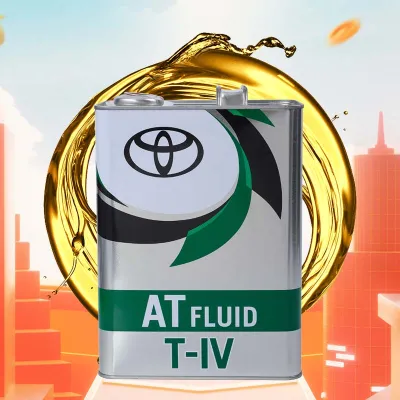
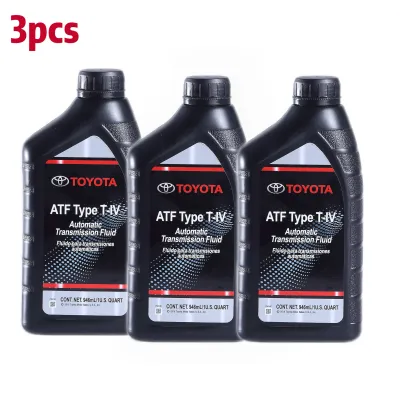
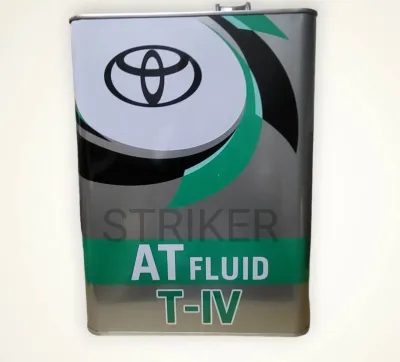
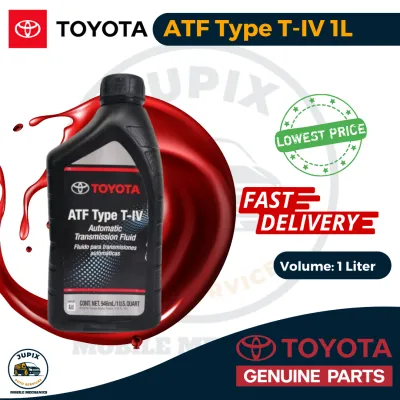
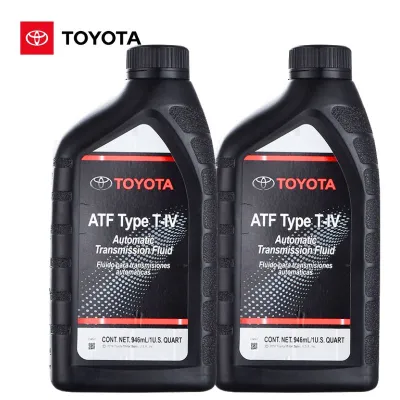
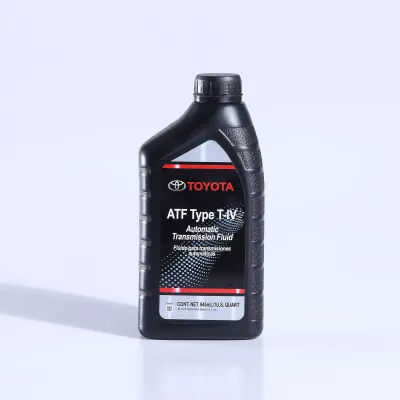
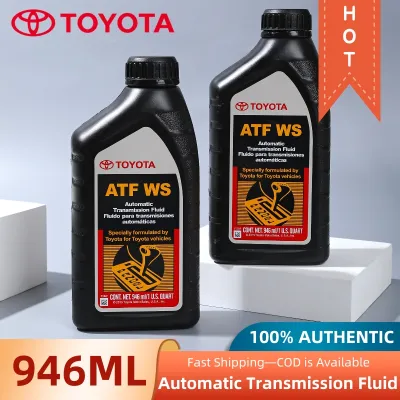
Prices are valid at publication and may change. Please refer to the product page for the latest price.
Operating a vehicle in the tropical climate of the Philippines places additional stress on these components. High ambient temperatures combined with intense urban traffic in cities like Metro Manila accelerate the thermal breakdown of transmission fluid. Under these severe operating conditions, maintaining the correct fluid specification and adhering to regular inspection intervals are essential to prevent premature transmission failure.
Decoding Toyota ATF Specs: WS, T-IV, and Older Standards
Toyota ATF WS (World Standard)
Toyota ATF WS (World Standard) is a low-viscosity fluid introduced in the mid-2000s for modern 6-speed and later automatic transmissions. This low-viscosity formula is designed to reduce internal fluid drag, which directly improves fuel efficiency and ensures rapid hydraulic response during gear changes.

Using a higher-viscosity fluid in a transmission designed specifically for WS can cause noticeable performance issues. The thicker fluid cannot navigate the tight tolerances of modern valve bodies quickly enough, leading to sluggish shifts and increased wear on electronic solenoids.
Although Toyota often designates ATF WS as a ‘lifetime’ fill under normal operating conditions, severe driving habits alter this recommendation. Frequent driving in stop-and-go traffic, towing, or operating in high-temperature environments warrants periodic physical inspections and regular drain-and-fill services to preserve transmission health.
Toyota ATF T-IV and Dexron Equivalents
Before the widespread adoption of the WS standard, Toyota automatic transmissions primarily utilized Toyota ATF T-IV. This fluid features specific friction characteristics engineered for the clutch packs of older 4-speed and 5-speed automatic gearboxes, commonly found in older generations of the Vios, Corolla, and Hilux.
Historically, some early Toyota models permitted the use of General Motors’ Dexron II or III fluids. However, as transmission designs became more sophisticated, Toyota transitioned to the proprietary T-IV specification to address issues like torque converter shudder and to ensure consistent shift quality.
When purchasing replacement fluid, do not assume that any generic fluid labeled as ‘Dexron-compatible’ is safe for your T-IV system. Always check the product label for explicit manufacturer approvals and compatibility listings to ensure the fluid meets the exact frictional requirements of your older gearbox.
Understanding Toyota CVT Fluids (CVTF)
It is vital to distinguish traditional automatic transmissions from Continuously Variable Transmissions (CVTs), as they operate on entirely different mechanical principles. Instead of using planetary gears and clutch packs, a CVT relies on a steel belt or chain moving along adjustable pulleys. This design requires a fluid that provides exceptionally high steel-on-steel friction to prevent the belt from slipping.
Toyota utilizes proprietary CVT fluids, primarily CVTF TC and CVTF FE. CVTF TC was engineered for earlier generations of Toyota CVTs, while CVTF FE is a lower-viscosity formulation designed to reduce friction and improve fuel economy in modern CVT systems. These fluids are formulated for specific torque capacities and are generally not interchangeable.
Using standard automatic transmission fluid, such as Toyota ATF WS or T-IV, in a CVT will result in rapid belt slip and catastrophic transmission failure. Always consult your vehicle’s documentation and product labels to ensure you are using a dedicated CVT fluid rather than a standard ATF.
How to Verify the Correct ATF for Your Specific Toyota
To guarantee compatibility and protect your transmission, follow a systematic approach to verify the correct fluid before purchasing or performing any service.
- Step 1: Check the Owner’s Manual. The owner's manual is the primary authority for your vehicle's specifications. It details the exact fluid type required, along with the recommended service intervals and total fluid capacity for a standard drain-and-fill procedure.
- Step 2: Inspect the Dipstick or Filler Cap. On vehicles equipped with a transmission dipstick, the required fluid type (such as 'WS' or 'T-IV') is typically stamped directly onto the metal blade or the plastic handle. For sealed transmissions without a dipstick, check the filler plug or the emissions label under the hood.
- Step 3: Use the VIN. If you are still unsure of the correct specification, locate your 17-digit Vehicle Identification Number (VIN) on your vehicle registration. A reputable parts counter or an authorized Toyota dealership can use this number to cross-reference the exact factory build specifications.
Avoid relying solely on unverified online forums or generic retail compatibility charts. Variations in regional vehicle specifications mean that a model sold in another market may require a different fluid than the same model year sold in the Philippines. For any complex fluid exchange or service, consult a qualified professional to ensure the work is performed safely and in accordance with original-equipment guidelines.
Frequently Asked Questions (FAQ)
Can I mix Toyota ATF WS and T-IV?
No, you should never mix Toyota ATF WS and T-IV. These fluids have distinct viscosity profiles and additive packages designed for different transmission architectures. Mixing them compromises the fluid’s physical properties, leading to unpredictable shifting, clutch slippage, and accelerated wear.
Is generic Dexron III safe for older Toyota automatic transmissions?
Generic Dexron III is only safe if your specific model year and owner’s manual explicitly list it as an approved specification. While some older Toyota transmissions from the 1990s utilized Dexron fluids, many transition-era models require Toyota ATF T-IV to maintain correct shift quality and prevent torque converter shudder.
Community discussion
Share your experience or ask a question. Comments are reviewed before publication.