
Finding the right engine oil can be a confusing task for vehicle owners, and using an incompatible formulation can lead to accelerated engine wear, poor fuel economy, or costly mechanical failure. To choose the correct Valvoline motor oil product, you must match your vehicle’s engine type—whether standard gasoline, diesel, high-mileage, or turbocharged—with the specific viscosity grade and industry certifications detailed in your vehicle owner’s manual. Operating a vehicle in the tropical climate of the Philippines introduces unique environmental challenges, such as high ambient temperatures and severe stop-and-go traffic in urban centers like Metro Manila. These conditions place immense thermal stress on your engine, making the choice of oil a critical maintenance decision rather than a simple commodity purchase. By understanding how different formulations interact with specific engine designs, you can ensure consistent lubrication, maintain fuel efficiency, and protect your vehicle’s internal components over the long term.
How Do You Match Valvoline Motor Oil Products to Standard Gasoline Engines?
You match Valvoline motor oil products to standard gasoline engines by identifying the exact viscosity grade required by your vehicle manufacturer and verifying that the oil container displays the correct American Petroleum Institute (API) service category. The viscosity grade, typically represented by alphanumeric codes like 0W-20, 5W-30, or 10W-40, indicates how the oil flows at different temperatures. The number preceding the “W” (which stands for winter) indicates the oil’s flow characteristics during cold starts, while the second number represents its viscosity at the engine’s normal operating temperature of 100 degrees Celsius. In a tropical climate, the cold-start rating is less about freezing weather and more about how quickly the oil circulates to protect vital components immediately after the engine is turned on.
When examining a Valvoline product label, look for the API service symbol, often referred to as the API “Donut.” For gasoline engines, this certification code begins with the letter “S” (for Spark Ignition), followed by a second letter that denotes the standard’s recency, such as SP, SN Plus, or SN. Modern gasoline engines benefit from the latest API SP standard, which is formulated to provide enhanced protection against low-speed pre-ignition and timing chain wear. Always consult your owner’s manual to verify the minimum API category required for your specific model year, as using an obsolete specification can compromise engine protection.
Products mentioned in this guide
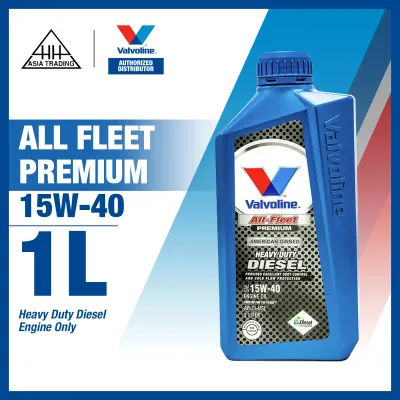
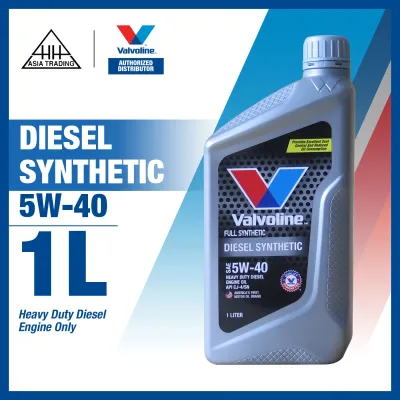
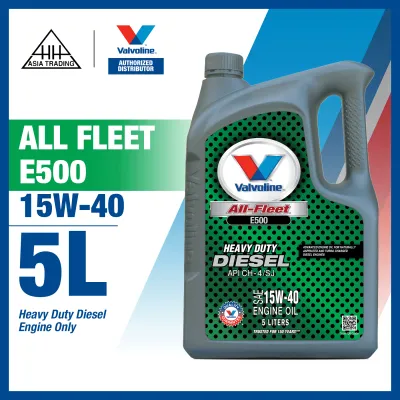
3 Lazada user ratings
very useful in changing your oil regularly before ots due. Oil viscocity is as discribed.
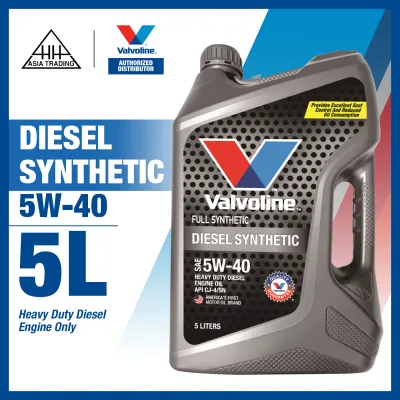
11 Lazada user ratings
Wide service conditions, Synthetic technology,
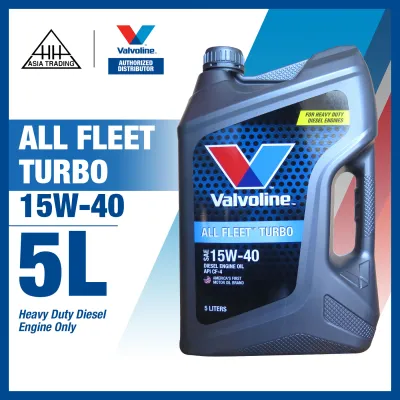
Prices are valid at publication and may change. Please refer to the product page for the latest price.
Standard gasoline engines can typically run on conventional, synthetic blend, or full synthetic oils, depending on manufacturer recommendations and your driving habits. Conventional oils are mineral-based and suitable for older, simpler engines with basic lubrication needs, though they require more frequent oil change intervals. Synthetic blends combine mineral and synthetic base oils to offer improved oxidation resistance and protection at a moderate price point. Full synthetic oils represent a high level of refinement, featuring uniform molecular structures that resist thermal breakdown, minimize sludge formation, and maintain consistent viscosity under extreme heat, making them highly suitable for modern daily commuting in heavy traffic.
What Valvoline Oil Specifications Are Required for Diesel Engines?
Diesel engines require Valvoline oils that carry heavy-duty API service categories starting with “C” (such as CK-4 or CJ-4) and feature low-SAPS formulations to protect sensitive exhaust aftertreatment systems. Because diesel engines operate under significantly higher compression ratios and combustion pressures than gasoline engines, they generate substantial amounts of soot and acidic byproducts. Consequently, diesel motor oils must contain robust detergent and dispersant additives to keep soot particles suspended in the fluid, preventing them from agglomerating into abrasive sludge that can wear down engine bearings and cylinder liners.

When selecting an oil for a diesel vehicle, look for the API “C” (Compression Ignition) service categories on the product label. The current standard for modern high-speed diesel engines is API CK-4, which offers improved shear stability, oxidation resistance, and aeration control compared to older standards like CJ-4 or CI-4. If your diesel vehicle is equipped with modern emissions control devices, such as a Diesel Particulate Filter (DPF) or a Selective Catalytic Reduction (SCR) system, it is critical to use a low-SAPS (Sulfated Ash, Phosphorus, and Sulfur) formulation. High levels of sulfated ash can quickly block the fine pores of a DPF, leading to increased exhaust backpressure, reduced fuel efficiency, and eventual filter failure.
Diesel engines also typically require higher viscosity grades, such as 15W-40 or 10W-30, to maintain a strong lubricating film under heavy loads and high operating temperatures. The heavy-duty detergency in these formulations neutralizes the corrosive acids formed during diesel combustion, protecting internal components from chemical wear. Before purchasing, verify that the Valvoline product explicitly states compliance with the specific diesel standards required by your vehicle manufacturer, as passenger car gasoline oils do not possess the necessary additive packages to handle the harsh operating environment of a diesel engine.
How Should High-Mileage Vehicles Guide Your Valvoline Oil Selection?
High-mileage vehicles, typically those with over 100,000 kilometers on the odometer, should be matched with Valvoline formulations that contain specialized seal conditioners, extra detergents, and robust anti-wear additives. As an engine ages, its internal components experience gradual wear, and the rubber or synthetic elastomer seals and gaskets throughout the engine block tend to shrink, harden, and crack. This degradation often manifests as minor external oil leaks or internal oil consumption, where oil seeps past worn valve stem seals or piston rings into the combustion chamber, resulting in blue exhaust smoke and a dropping oil level.
To address these issues, high-mileage motor oils are formulated with active seal conditioners. These chemical additives penetrate the hardened elastomer seals, helping them swell slightly and regain their original elasticity, which can significantly reduce or even stop minor oil leaks. Additionally, physical wear on critical moving parts like crankshaft bearings and piston rings increases the clearances between these components. This increased clearance can lead to a drop in oil pressure and increased mechanical noise. In such scenarios, transitioning to a slightly higher viscosity grade within the manufacturer’s approved range (for example, moving from a 5W-30 to a 10W-40, if permitted by the manual) can help maintain adequate oil pressure and provide a thicker cushion for worn bearings.
Worn engines are also more susceptible to the accumulation of sludge, varnish, and carbon deposits on internal surfaces. High-mileage formulations incorporate elevated levels of detergents and dispersants to gradually clean away these deposits and prevent new ones from forming, ensuring oil passages remain clear. Furthermore, these oils feature robust anti-wear additives, such as zinc dialkyldithiophosphate (ZDDP), which form a sacrificial protective layer on metal surfaces to minimize further wear on aging components like camshaft lobes and lifters. Always check the product label to ensure the high-mileage oil matches your vehicle’s required viscosity and basic industry certifications.
Which Valvoline Oil Formulations Protect Turbocharged Engines?
Turbocharged engines require full synthetic Valvoline oil formulations that offer exceptional thermal and oxidative stability to prevent oil coking and protect high-speed turbocharger bearings. A turbocharger operates by using hot exhaust gases to spin a turbine, which forces more air into the combustion chamber to increase power output. This process subjects the turbocharger shaft and bearings to extreme rotational speeds, often exceeding 150,000 RPM, and intense heat. The motor oil lubricating these bearings must withstand these severe conditions without breaking down.
If a conventional or low-quality oil is used in a turbocharged engine, the extreme heat can cause the oil to oxidize rapidly and bake onto the turbocharger shaft and bearings—a destructive process known as oil coking. Over time, coked oil forms hard carbon deposits that restrict oil flow, starve the bearings of lubrication, and ultimately lead to catastrophic turbocharger failure. Full synthetic oils are molecularly engineered to resist thermal breakdown and oxidation far better than conventional oils, maintaining their viscosity and lubricating properties under extreme heat to ensure a continuous protective film reaches the turbocharger bearings immediately upon startup and remains stable during high-load driving.
Modern turbocharged gasoline direct-injection (TGDI) engines also face a specific combustion phenomenon known as Low-Speed Pre-Ignition (LSPI), which can cause severe engine damage, including cracked pistons and bent connecting rods. To prevent LSPI, vehicle manufacturers require oils that meet specific standards, such as GM’s dexos1 Gen 3 or the API SP specification. These formulations are carefully balanced with specific calcium and magnesium detergent ratios to suppress LSPI while providing high-temperature shear stability. When selecting a Valvoline product for a turbocharged vehicle, always verify that the label explicitly lists these OEM-specific approvals or the API SP certification to ensure complete compatibility and protection.
How Do You Verify the Correct Viscosity and Certifications for Driving in the Philippines?
To verify the correct oil for driving in the Philippines, you must cross-reference your vehicle owner’s manual with the physical labels on Valvoline products, paying close attention to tropical viscosity requirements and official certification marks. Before making a purchase, locate the maintenance section of your vehicle’s owner’s manual to find the recommended viscosity chart and the required oil specifications, such as API, ACEA, or OEM-specific codes. Compare these requirements directly with the information printed on the back label of the Valvoline bottle to ensure a precise match.
The tropical climate of the Philippines, characterized by high ambient temperatures, high humidity, and severe stop-and-go traffic in urban centers, places unique demands on motor oil. While a low cold-start rating (such as 0W or 5W) is highly beneficial for rapid oil circulation upon startup, the high-temperature viscosity rating (the number after the “W”, such as 30, 40, or 50) is critical for maintaining oil film thickness under sustained heat. A higher operating viscosity ensures the oil does not thin out excessively under extreme thermal stress, protecting your engine during long idling periods in traffic or heavy-load highway driving, provided the viscosity remains within the range authorized by your vehicle manufacturer.
When purchasing Valvoline motor oil, always verify the product’s authenticity by inspecting the bottle for intact tamper-evident seals, clear and high-quality label printing, and official certification marks. Look for the API “Donut” or “Starburst” symbols, or the ACEA sequences, which indicate the oil has undergone independent testing to meet global performance standards. Be cautious of unusually low prices on online marketplaces—such as engine oils sold for under ₱300 per liter—as counterfeit products lack the necessary additive packages to protect your engine. If your vehicle’s manual lists multiple viscosity options without clear guidance for tropical climates, or if the manual’s specified certifications are difficult to match with locally available Valvoline products, stop and consult a certified mechanic or your vehicle manufacturer’s authorized dealership before proceeding.
Community discussion
Share your experience or ask a question. Comments are reviewed before publication.