
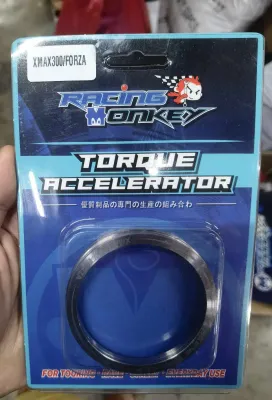
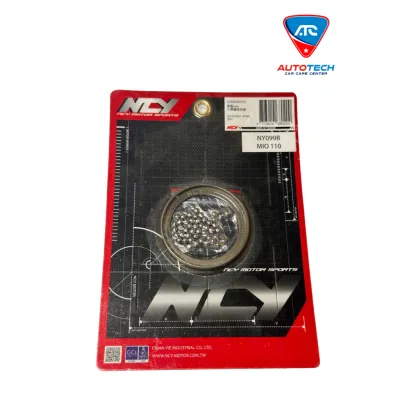
A clicking noise when accelerating a motorcycle is a clear warning sign that something is amiss in your machine’s drivetrain. This symptom, often referred to as a torque accelerator click, occurs when the engine transfers rotational force to the rear wheel under load. When you twist the throttle, the sudden tension exposes loose, worn, or misaligned components, resulting in a rhythmic or sharp metallic clicking sound.
To resolve this issue, you must first isolate whether the sound originates from an external drive component—such as the drive chain, sprockets, or a scooter’s CVT belt—or from deep within the transmission gearbox. Ignoring these early warning signs can lead to sudden mechanical failure, costly repairs, or dangerous riding conditions on the road.
Identifying the Torque Accelerator Click Under Load
A true torque accelerator click is distinct because it is directly tied to throttle input. It is not a constant rattle that happens when idling, nor is it a sound that occurs only when rolling over bumps. Instead, it manifests or intensifies when you actively accelerate, as the engine’s torque pulls the drive system taut.
Products mentioned in this guide
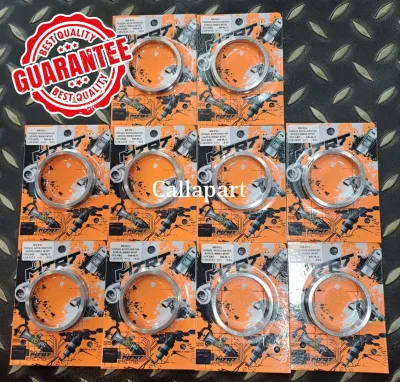
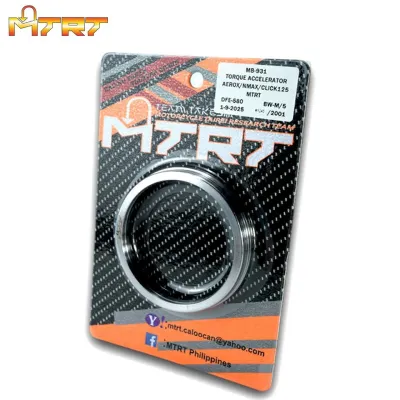
Prices are valid at publication and may change. Please refer to the product page for the latest price.
To accurately diagnose the issue, you must differentiate this sound from other common motorcycle noises. For instance, a high-pitched squealing sound typically points to a slipping drive belt or dry pulley in a scooter. A heavy, continuous grinding noise often suggests a dry or failing wheel bearing. A single, loud clunk when you first apply the throttle or shift gears is usually the result of excessive drivetrain lash or worn cush drive rubbers inside the rear wheel hub.
Take note of the exact conditions under which the noise occurs. Ask yourself: Does the clicking happen only under heavy acceleration, or does it persist during light cruising? Does the frequency of the clicks speed up as your road speed increases, regardless of which gear you are in? Does the noise vanish completely the moment you pull in the clutch or let off the throttle to coast? Answering these questions helps determine whether the culprit is an external component like a chain or belt, which reacts to wheel speed, or an internal gearbox issue, which is highly dependent on engine RPM and gear selection.
Common Causes of Clicking in Chains, Belts, and Sprockets
Depending on your motorcycle’s design, the mechanical suspects behind a clicking noise will vary. Most daily commuters and sportbikes use a chain and sprocket system, while automatic scooters rely on a continuously variable transmission (CVT).

Chain and Sprocket Wear (Chain-Driven Motorcycles)
On chain-driven motorcycles, the chain and sprockets bear the brunt of the engine’s torque. When these parts wear out, clicking is almost inevitable.
- Loose Chain Slack: Excessive chain slack is a primary cause of clicking. When the chain is too loose, the sudden surge of torque during acceleration causes the top run of the chain to snap taut while the bottom run slaps violently against the swingarm, chain sliders, or the chain guard. Under extreme acceleration, a loose chain can even jump teeth on the sprockets, creating a loud, repeating click or pop.
- Worn Sprocket Hooks: As sprockets age, the teeth gradually wear down, losing their original symmetrical shape and developing a hooked profile. When the chain rollers attempt to seat into these hooked teeth under load, they cannot slide in or out smoothly. Instead, the rollers catch on the hooks and are forcibly pulled out as the sprocket rotates, producing a sharp, metallic clicking sound.
- Stiff or Kinked Links: Motorcycle chains contain dozens of pivoting joints sealed by tiny O-rings or X-rings. If these rings fail, or if the chain is neglected, moisture enters the pins, causing rust and freezing the links. When a stiff or kinked link passes over the tight radius of the front drive sprocket, it cannot bend smoothly. It resists the curve and then snaps into place with a rhythmic click that matches the speed of the chain.
CVT and Belt Drive Issues (Scooters and Belt-Driven Models)
Scooters and belt-driven motorcycles use different mechanisms to transfer power, but they are equally prone to clicking under load.
- Worn Variator Rollers or Sliders: Inside a scooter's CVT, small cylindrical weights called variator rollers slide outward via centrifugal force to change the gear ratio. Over time, constant acceleration flattens these rollers. Instead of rolling smoothly, they slide and rattle within their ramps, creating a rhythmic clicking or buzzing sound inside the transmission casing when you apply the throttle.
- Debris in the Pulley: The open-ventilation design of many scooter CVT cases allows road dust, sand, and tiny pebbles to enter. If debris becomes trapped between the drive belt and the pulley sheaves, the belt will ride over the obstruction on every revolution, producing a distinct, repeating clicking sound.
- Clutch Bell and Shoe Wear: The centrifugal clutch at the rear of the CVT engages when the clutch shoes expand and grab the clutch bell. If the shoes are worn down to their metal backing, or if the return springs are weak, the components can chatter, click, or slip under acceleration.
Internal Transmission and Gearbox Faults
While external drive components are the most common culprits, internal transmission issues can also cause clicking. These issues are typically more serious and require deep mechanical diagnosis.
- Low or Degraded Transmission Fluid: Insufficient or old gear oil reduces the protective film between moving gears. Without adequate lubrication, the gear teeth and internal bearings experience metal-on-metal contact, leading to clicking, whining, or grinding noises under acceleration.
- Worn Gear Dogs or Shift Forks: Inside the gearbox, gear dogs lock adjacent gears together. If these dogs become rounded from hard shifting, or if the shift forks are bent, the gears may fail to engage fully. Under the stress of acceleration, the gears can slip and click as they struggle to stay locked in place.
- Output Shaft Bearing Play: The output shaft holds the front sprocket or drive pulley. If the bearing supporting this shaft wears out, the shaft can wobble or shift off-center under torque. This misalignment causes the gears inside the engine or the external sprocket to click as they rotate out of their true path.
Safe Troubleshooting Steps for Riders
To safely diagnose a clicking noise, you do not need advanced mechanical skills, but you must follow a structured, low-risk process. Always turn off the engine and remove the key before touching any drive components.
First, perform a visual and physical chain inspection. If your motorcycle is chain-driven, place it on its center stand or a secure paddock stand so the rear wheel can spin freely. Locate the mid-point of the lower run of the chain. Push the chain up and down to measure the total slack. Do not guess the correct tension; instead, check the swingarm decal or consult your motorcycle’s owner’s manual for the exact slack specification, which usually ranges between 20mm and 40mm depending on the model.
Next, check for stiff links. With the rear wheel off the ground, slowly rotate it by hand in the direction of forward travel. Keep your eyes on the lower run of the chain and the point where the chain wraps around the rear sprocket. Look for any links that remain bent or kinked rather than straightening out. Gently wiggle suspect links to see if they pivot freely or feel seized.
Inspect the sprocket teeth next. Examine the teeth on the rear sprocket. They should be symmetrical with flat tops. If the teeth look sharp, pointed like shark fins, or worn down on one side, the sprocket must be replaced. If possible, remove the front sprocket cover to inspect the smaller drive sprocket, as it wears down much faster than the rear sprocket due to its smaller diameter.
Finally, perform a clearance check. Inspect the entire path of the drive chain. Look for shiny wear marks on the swingarm, the chain guard, the frame, or the passenger footpeg brackets. A loose chain will often rub against these parts under tension, creating a clicking or scraping sound that disappears when the bike is stationary.
| Symptom Observation | Most Likely Cause | Immediate Action |
|---|---|---|
| Clicking only under heavy throttle, stops when coasting | Loose chain or worn sprockets | Check and adjust chain slack; inspect teeth |
| Rhythmic clicking that speeds up with wheel rotation | Stiff/kinked chain link or debris | Clean, lubricate, and free the stiff link |
| Clicking/rattling from the left side of a scooter under load | Worn CVT rollers or clutch issue | Visual inspection of CVT; seek mechanic if worn |
| Clicking accompanied by vibration or slipping | Internal gearbox or shaft bearing | Stop riding; consult a professional mechanic |
When to Stop Riding and See a Mechanic
While some drivetrain issues can be resolved with basic adjustments, others pose severe safety risks that require you to stop riding immediately.
Never ignore a clicking chain that is severely loose or skipping teeth. If a chain derails at high speed, it can wrap around the rear sprocket and instantly lock the rear wheel, causing a catastrophic loss of control. Alternatively, the loose chain can whip forward with immense force, shattering the engine’s crankcase cover, damaging the output shaft, or causing severe injury to your left leg.
If you have cleaned, lubricated, and properly tensioned your chain, or if your scooter’s belt is in perfect condition, yet the clicking sound persists under acceleration, the issue is likely internal. Internal noises indicate failing bearings or worn gears, which can seize without warning.
Disassembling a CVT system, replacing internal transmission gears, or splitting the engine crankcase requires specialized pullers, torque wrenches, and precise service manuals. If you suspect an internal gearbox issue or lack the proper tools and training, always hand your motorcycle over to a qualified professional mechanic to ensure a safe and reliable repair.
Preventive Maintenance to Keep Your Drive System Quiet
Preventive maintenance is the most effective way to keep your motorcycle’s drive system quiet and extend the lifespan of its components.
For chain-driven bikes, clean and lubricate the drive chain every 500 to 1,000 kilometers. If you ride in wet weather, lubricate the chain immediately after your ride while it is still warm, as this helps the lubricant penetrate the rollers. Always use a dedicated motorcycle chain lubricant rather than general-purpose penetrating oils, which can degrade internal O-ring grease. Check the cleaner or lubricant label first to ensure it is safe for your specific chain type (O-ring, X-ring, or non-sealed).
The tropical climate of the Philippines presents unique challenges for motorcycle maintenance. High humidity, coastal salt air, and heavy downpours during the monsoon season accelerate surface rust and wash away chain lubricants rapidly. If you commute daily through flooded streets or muddy roads, perform visual checks every few days and reapply lubricant more frequently to prevent stiff links and clicking.
When it is time to replace your drivetrain, always install a new chain and both sprockets as a complete matched set. Installing a new chain on worn sprockets, or vice versa, will cause the new parts to wear out prematurely and will quickly bring back the clicking noise. A complete high-quality chain and sprocket set in the Philippines typically ranges from ₱1,500 to ₱5,000 depending on the brand and engine displacement.
For scooter owners, schedule a periodic CVT cleaning and belt inspection according to your manufacturer’s service schedule. Removing accumulated belt dust and road grit prevents premature wear on the variator rollers and ensures smooth, quiet acceleration.
Frequently Asked Questions (FAQ)
Can a loose drive chain damage the engine casing?
Yes, a severely loose drive chain poses a direct threat to your engine. If the chain becomes loose enough to derail from the front sprocket, the kinetic energy will cause it to bunch up and whip violently against the surrounding area. This impact can easily crack the aluminum crankcase cover, ruin the output shaft seal, or sever nearby electrical wiring, resulting in expensive engine repairs and oil leaks.
Is it safe to ride a scooter with a clicking CVT belt?
It is not safe to continue riding a scooter if you hear a persistent clicking or rattling from the CVT area under acceleration. While a minor click could simply be a small piece of road debris trapped in the casing, a rhythmic click usually points to flat-spotted variator rollers, a worn clutch, or a fraying drive belt. If a worn CVT belt snaps while you are riding, you will instantly lose all rear-wheel power, which can leave you stranded in dangerous traffic. Inspect the CVT system as soon as possible to prevent a sudden breakdown.
Community discussion
Share your experience or ask a question. Comments are reviewed before publication.