
Applying a hydrophobic glass cleaner or windshield coating is supposed to make rainy drives safer by letting water bead up and roll away, but turning on your wipers only to hear an annoying, rhythmic skipping or chattering sound can quickly ruin the experience. This frustrating issue occurs because the newly applied hydrophobic layer drastically alters the friction coefficient of your windshield, causing standard rubber wiper blades designed for bare glass to alternately grip and slip across the treated surface instead of gliding smoothly. To resolve this, you must address either the uneven application of the coating, the cleanliness and alignment of your wiper blades, or the compatibility of the blade material itself. Understanding how these surface dynamics interact is the key to restoring quiet, streak-free visibility.
Why do wiper blades chatter after applying a hydrophobic coating?
Wiper blades chatter after you apply a hydrophobic coating because the treatment significantly lowers the surface energy of the glass, causing a drastic change in friction that makes the rubber blade grip and slip unevenly. Instead of sliding on a consistent, microscopic film of water, the blade encounters alternating dry and slick spots where water has beaded up, leading to mechanical vibration.
Hydrophobic coatings work by creating a microscopic barrier that repels water, forcing moisture to form tight, high-profile beads that roll off easily under wind pressure. While this is excellent for visibility at highway speeds, it changes how the wiper blade interacts with the windshield. Standard wiper blades are engineered to glide over a thin, uniform sheet of water on bare glass. When that sheet is replaced by isolated beads, the rubber element experiences dry friction against the coated glass, followed by sudden slips when it hits a water bead.
Products mentioned in this guide
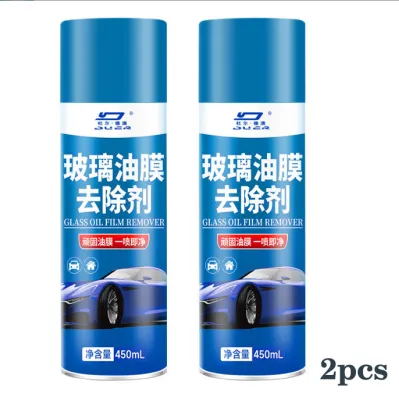

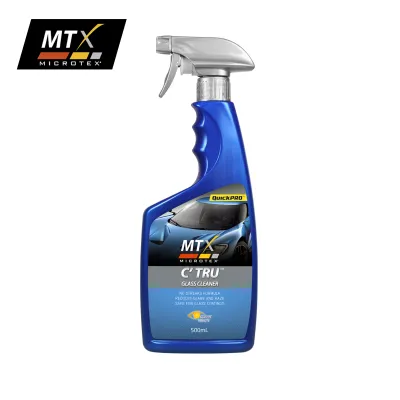
486 Lazada user ratings
1. Very clear finish (no streaks) • Designed to remove road film, grime, and traffic residue from car glass. • Leaves a slick, anti-static s…Read full reviewShow less
1. Very clear finish (no streaks) • Designed to remove road film, grime, and traffic residue from car glass. • Leaves a slick, anti-static surface that helps keep glass clean longer.  2. Good for night driving • Helps reduce glare and haze on windshields.
The product arrived on schedule. No leak with box and bubble wrapped. The product it self is wonderful! First time user and I was amazed! Th…Read full reviewShow less
The product arrived on schedule. No leak with box and bubble wrapped. The product it self is wonderful! First time user and I was amazed! Thank you for the freebie! Will order again for sure! 😊
🏅Performance:good 🔌Compatibility:good 🔨Durability:good overall good value for money, good performance upgrade for my yamaha aerox v1 155cc
items received as expected and undamaged. packed very well and shipped very fast. will order from microbes again!
Restores the clarity of glass and lenses, Safely removes road film and traffic deposits,
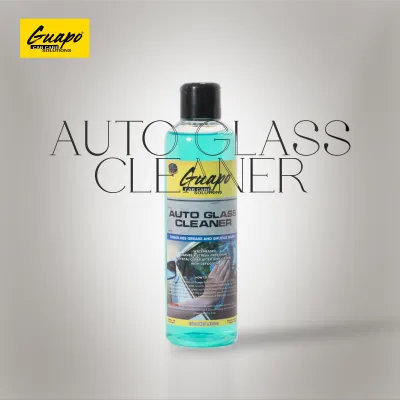
2,865 Lazada user ratings
good packing, well-packed. 1st time to order Guapo products. will test this first and will give follow up review. been eyeing for a car clea…Read full reviewShow less
good packing, well-packed. 1st time to order Guapo products. will test this first and will give follow up review. been eyeing for a car cleaner products that is affordable yet good quality. thanks again lazada and guapo.
thanks for this Seller, I will make a follow up review once used.. the item arrived safe naman po,no damaged and no leak . thanks seller nak…Read full reviewShow less
thanks for this Seller, I will make a follow up review once used.. the item arrived safe naman po,no damaged and no leak . thanks seller nakabubble wrap talaga..
Effective glass cleaner., Great for maintaining clear visibility while driving., Cleans glass surfaces effortlessly., Convenient size for ea…Read full reviewShow less
Effective glass cleaner., Great for maintaining clear visibility while driving., Cleans glass surfaces effortlessly., Convenient size for easy storage.,
Cleans glass surfaces effortlessly., Effective glass cleaner., Easy to use and apply., Convenient size for easy storage.,
Removes dirt and grime effectively, defogs the glass quickly, effective glass cleaner. Thank you seller and lazada.

4,892 Lazada user ratings
good good Performance: goodEfficient and convenient cleaning tablets, Appearance: Multipurpose cleaner for various surfaces, Quality: Great …Read full reviewShow less
good good Performance: goodEfficient and convenient cleaning tablets, Appearance: Multipurpose cleaner for various surfaces, Quality: Great value for money with multiple packs,
Quality:di ko pa natatry Appearance:Easy to use and mess-free, Individually packaged for easy storage, Individually packaged for easy storag…Read full reviewShow less
Quality:di ko pa natatry Appearance:Easy to use and mess-free, Individually packaged for easy storage, Individually packaged for easy storage,
👌Ease of Use:Leaves a sparkling clean finish, ✨Effectiveness:Individually packaged for easy storage, 💰Value for Money:cheap price
mas maganda ang epekto ng paglilinis kaysa sa panlinis ng salamin na binili ko pagkatapos ng paglaba, ang kotse ay mukhang bago.
It dissolves very quickly, one piece can soak up a lot of detergent, it has a nice scent and a good cleaning effect.
Prices are valid at publication and may change. Please refer to the product page for the latest price.
This rapid cycle of sticking and slipping manifests as the physical bouncing, skipping, or chattering you hear and see. Furthermore, the physical drag on the wiper blade increases when the rubber compound is incompatible with the specific chemical composition of the hydrophobic layer. This friction imbalance puts extra stress on the wiper motor and linkage, turning what should be a smooth sweep into a noisy, jerky motion.
Additionally, the thickness and uniformity of the applied coating play a major role. If the hydrophobic product was applied unevenly, the wiper blade transitions between areas of high friction and low friction in a fraction of a second. This constant variation prevents the squeegee from maintaining a consistent angle of attack, forcing the blade to flex back and forth violently, which generates the characteristic chattering noise.
How can you tell if improper glass prep caused the wiper skipping?
You can tell if improper glass preparation is the culprit by looking for uneven water beading, localized smearing, or hazy patches on the windshield when the wipers sweep across it. If the glass was not completely stripped of road grime, old waxes, or traffic film before application, the hydrophobic coating will bond unevenly, creating high-friction zones that catch the wiper blades.

A successful hydrophobic application requires a chemically clean surface. If you applied the treatment over existing contaminants, the coating cannot adhere properly to the glass silica. To diagnose this, spray a fine mist of water onto the windshield and observe the beading pattern. Consistent, uniform beads across the entire surface indicate a proper bond, whereas flat spots, irregular shapes, or areas where water clings in sheets suggest residual contamination or uneven product distribution.
Check for a hazy film that appears immediately after a wiper pass and slowly fades. This haze often points to leftover polishing oils, road salt, or silicone residues from previous car washes that have mixed with the new coating. These contaminants prevent the hydrophobic molecules from cross-linking uniformly, leaving microscopic patches of sticky residue that grab the wiper rubber.
Using a dedicated glass stripper or an automotive clay bar is a reliable way to verify if the surface was truly bare. If a clay bar or glass polish removes the chattering in a test section, it confirms that inadequate preparation was the primary cause of the friction issues. When using these heavy-duty prep products, always ensure they are label-authorized for automotive glass and avoid contact with surrounding paint, plastic trim, and rubber seals, as abrasive or highly acidic formulas can cause permanent staining or degradation.
What are the safe steps to fix wiper chatter without damaging the coating?
To safely resolve wiper chatter without stripping your new hydrophobic coating, start by thoroughly cleaning the wiper blade elements with isopropyl alcohol and checking the physical alignment of the wiper arms. These low-risk steps address friction-inducing dirt and improper blade angles without degrading the chemical barrier on the glass.
Over time, wiper blades accumulate road grime, tree sap, and even overspray from the hydrophobic coating itself. Dampen a clean microfiber cloth with a small amount of isopropyl alcohol (70% concentration is widely suitable) and gently wipe down the rubber squeegee edge. Repeat this until the cloth comes away clean. This removes oxidized rubber and contaminants that cause the blade to drag. Be careful not to spill isopropyl alcohol on your vehicle’s paint or plastic trim, as it can dry out or damage sensitive finishes.
Next, check the wiper arm angle. A wiper blade must sit perfectly perpendicular (90 degrees) to the glass surface throughout its sweep. If the arm is twisted, the blade will push smoothly in one direction but drag and chatter on the return stroke. Inspect the arm visually. If you must adjust it, use a pair of adjustable wrenches cushioned with a soft cloth to gently twist the metal arm until the blade sits flat against the windshield.
Some manufacturers recommend applying a specialized wiper blade conditioner or a light application of the hydrophobic product directly to the wiper element to match the surface chemistry. Always consult the product label to ensure compatibility, as unauthorized chemicals can degrade the rubber or ruin the windshield coating.
Stop immediately if you feel abnormal resistance in the wiper arm spring tension, or if the arm requires excessive force to adjust. Attempting to bend a cast-metal wiper arm or forcing a seized linkage can strip the wiper motor gears, damage the wiper arm assembly, or crack the windshield. If the arm does not adjust easily with light pressure, seek assistance from a qualified automotive technician.
When should you stop troubleshooting and replace the wiper blades?
You should stop troubleshooting and replace your wiper blades if the rubber element is physically damaged, hardened, or if the chattering persists after thorough cleaning and alignment. If your current blades are structurally compromised or chemically incompatible with the hydrophobic coating, no amount of cleaning will restore quiet operation.
Inspect the rubber squeegee closely. If you observe cracks, tears, rounded edges, or a permanent curve in the rubber (known as “set”), the blade has reached the end of its service life. Hardened rubber cannot flex and roll over as the wiper changes direction, which is a primary cause of persistent skipping on low-surface-energy coatings.
Some hydrophobic product labels explicitly state that they are incompatible with standard natural rubber blades and recommend upgrading to silicone-infused wiper blades. Silicone blades naturally transfer a microscopic layer of silicone to the glass, which harmonizes with the hydrophobic coating and significantly reduces friction. When shopping for replacements, verify your vehicle’s specific model, year, blade dimensions, and mounting interface in your owner’s manual to ensure a secure fit.
Always consult your vehicle or wiper manufacturer’s guidelines before attempting any structural modifications to the wiper arm or linkage. If you have replaced the blades with compatible silicone models and verified the glass is clean, but the chatter remains, the issue may lie in a worn wiper linkage or a weakening wiper motor spring. At this point, professional diagnostic assessment is necessary to prevent damage to your vehicle’s electrical and mechanical systems.

Community discussion
Share your experience or ask a question. Comments are reviewed before publication.