
Installing a 59mm cylinder block kit on a Honda Click 125i is one of the most popular ways to boost power, transforming the standard commuter scooter into a much more responsive machine. However, many riders quickly encounter frustrating post-installation issues, specifically engine overheating and rapid oil consumption. These problems usually stem from a fundamental mismatch between the newly enlarged engine displacement and the factory components, which were never designed to handle the thermal and volumetric demands of a larger cylinder.
To resolve these issues, you must address the core balance of your engine’s ecosystem. Overheating is typically caused by a lean air-fuel ratio, trapped air pockets in the cooling system, or an inadequate radiator capacity that cannot dissipate the extra heat. Excessive oil consumption, on the other hand, usually points to improperly seated piston rings, incorrect oil viscosity for the higher operating temperatures, or high crankcase pressure. Diagnosing these symptoms early prevents catastrophic internal damage and ensures your modified engine remains reliable for daily commuting.
Before undertaking any mechanical diagnostic steps or modifications, always consult your Honda Click 125i factory service manual and the installation documentation provided by your aftermarket cylinder kit manufacturer. Engine modifications carry inherent risks to vehicle reliability, road legality, and rider safety. If you do not have the specialized tools, such as a calibrated torque wrench, feeler gauges, and a digital multimeter, or if you are uncomfortable working with fuel and cooling systems, have all diagnostic and repair work performed by a qualified motorcycle mechanic.
Products mentioned in this guide
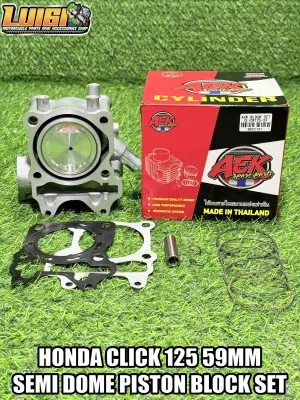
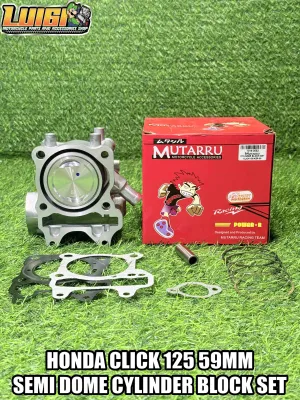
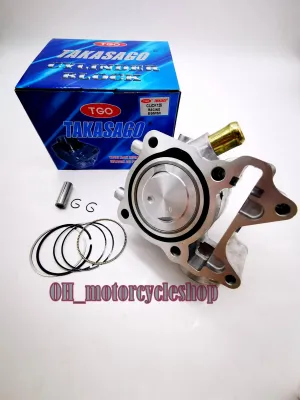
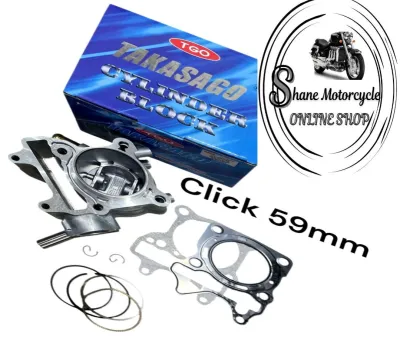
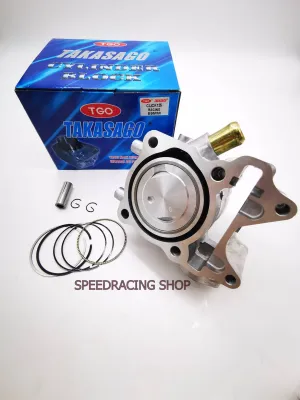
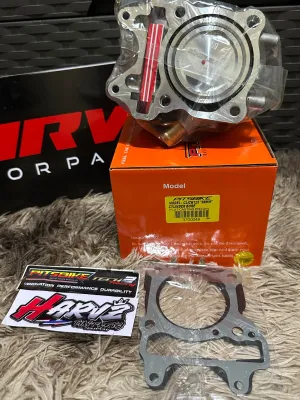
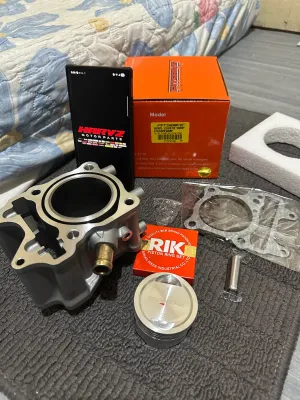
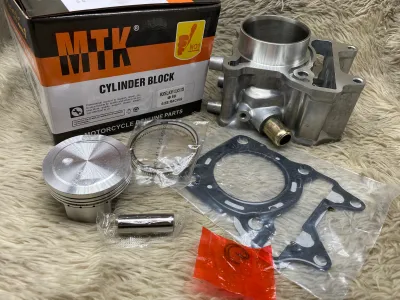
Prices are valid at publication and may change. Please refer to the product page for the latest price.
How a 59mm Block Changes Your Engine's Demands
To understand why your upgraded Honda Click 125i is struggling, it helps to look at the math behind the modification. The stock Honda Click 125i features a 52.4mm cylinder bore and a 57.9mm stroke, yielding a displacement of approximately 124.8cc. By swapping the stock cylinder for a 59mm block while retaining the original crankshaft, you increase the displacement to roughly 158.3cc. This represents a massive 27% increase in engine size, which dramatically alters the thermal, mechanical, and volumetric dynamics inside the crankcase.
A larger combustion chamber naturally burns more fuel and air during every cycle, which generates significantly more heat. This extra thermal energy must be dissipated quickly to prevent the piston and cylinder walls from expanding past their engineered tolerances. Furthermore, the larger surface area of a 59mm piston requires a more robust, consistent film of engine oil to lubricate the cylinder walls and prevent metal-on-metal friction, which is another major source of heat.
The factory cooling and lubrication systems on the Click 125i are highly efficient, but they were engineered strictly for a 125cc engine operating under standard conditions. The stock radiator, water pump, fuel injector, and oil pump are calibrated to support the heat output of the original bore. When you jump to a 158cc displacement, these stock components are pushed to their absolute limits, making aftermarket support, precise fuel tuning, and cooling system upgrades necessary to prevent premature wear.
It is worth noting that some minor oil consumption and slightly elevated operating temperatures can occur during the initial engine break-in phase. As the new piston rings wear slightly to match the microscopic cross-hatch pattern on the cylinder wall, small amounts of oil may bypass the rings and burn off. However, if your temperature light flashes consistently, or if you find yourself topping up a significant volume of engine oil after only a few short rides, these are clear signs of an underlying installation, tuning, or mechanical issue that must be addressed immediately.
Quick Checks: Safe Steps to Rule Out Basic Issues
Before diving into complex engine diagnostics or tearing down the top end, you should perform several low-risk, external checks. These steps help rule out simple maintenance oversights or minor cooling system failures that mimic more severe mechanical damage. Always ensure the scooter is parked on a level surface, the engine is completely cold, and the ignition is turned off before starting these inspections.

First, inspect the cooling system. Never open the radiator cap when the engine is warm, as the pressurized, boiling coolant can erupt and cause severe burns. Once the engine is cold, remove the radiator cap to verify that the coolant is filled to the top of the filler neck, and check that the plastic reserve tank is between the minimum and maximum markers. Look closely for air bubbles or pockets in the system; air trapped in the cooling jacket after a cylinder swap blocks coolant flow, leading to rapid, localized overheating. To bleed air from the system, temporarily start the engine with the radiator cap off, let it idle for a few minutes, gently squeeze the radiator hoses to force trapped air upward, top off the coolant as the level drops, and then securely reinstall the cap.
Next, examine the engine oil level and condition. Pull out the dipstick, wipe it clean, insert it back into the filler neck without screwing it in, and check the oil level. If the oil level is below the lower hash mark, the engine is running dangerously low on lubrication, which accelerates heat buildup. Observe the appearance of the oil on the dipstick; if the oil looks milky, cloudy, or resembles chocolate milk, coolant is leaking into the oil passages. This fluid contamination indicates a blown head gasket or a cracked cylinder block, requiring immediate disassembly.
Third, verify the operation of the electric cooling fan. The radiator fan on the Click 125i should automatically engage when the coolant temperature reaches its designated operating threshold. If you notice the temperature light illuminating but the fan remains stationary, check the fan’s electrical connector, the coolant temperature sensor wiring, and the fuse box. A wire that was accidentally left disconnected or pinched during the 59mm block installation will prevent the fan from running, leading to rapid overheating when idling in heavy traffic.
Finally, conduct a thorough visual inspection for external fluid leaks. Park the scooter over a clean piece of cardboard and look for fresh drops of oil or coolant. Inspect the joint where the cylinder block meets the crankcase (the cylinder base gasket) and where the cylinder head meets the cylinder block (the head gasket). Weeping oil or green-colored coolant crust around these mating surfaces indicates that the gaskets did not seal correctly during assembly, which can cause both compression loss and fluid loss.
Diagnosing the Root Cause: Overheating vs. Oil Consumption
If the basic external checks do not reveal any obvious issues, you must systematically diagnose the deeper mechanical and tuning factors. Because a 59mm upgrade alters both the thermal properties and the internal pressures of the engine, troubleshooting requires looking at fuel delivery, mechanical tolerances, and component wear.
Troubleshooting Overheating
A primary cause of overheating after a big bore installation is a lean air-fuel ratio (AFR). The stock Electronic Control Unit (ECU) on the Honda Click 125i is programmed to deliver fuel based on the air intake of a 125cc engine. When you increase the displacement to 158cc, the engine draws in a larger volume of air, but the stock fuel injector cannot supply enough fuel to match. This results in a lean combustion mixture, which burns at a much higher temperature than a balanced or slightly rich mixture. Over time, running excessively lean will overheat the cylinder head, warp the mating surfaces, and can even melt the top of the piston.
Another factor is inadequate cooling capacity under high-load conditions. In tropical climates with high ambient temperatures, the stock radiator lacks the surface area to dissipate the heat generated by a 158cc engine. While the stock cooling system might cope during a gentle, short ride, it will quickly become overwhelmed when climbing steep inclines or navigating stop-and-go traffic in congested metropolitan areas.
Incorrect ignition timing can also generate excessive engine heat. If you are using an aftermarket ECU or a modified stator to adjust engine performance, incorrect timing settings can cause the spark plug to ignite the fuel mixture too early or too late. This mistiming prevents the engine from converting thermal energy into mechanical power efficiently, transferring the excess heat directly into the cylinder walls and coolant jacket instead.
Troubleshooting Excessive Oil Consumption
If your upgraded engine is consuming oil rapidly without any visible external leaks, the oil is likely bypassing the piston rings and burning inside the combustion chamber. Proper piston ring seating is critical during the initial startup of a new 59mm block. The piston rings rely on combustion pressure to push them outward against the cylinder wall, allowing them to wear in perfectly against the cylinder’s cross-hatch pattern. If the engine is broken in too gently, or if high-quality synthetic oil is used too early before the rings have seated, the cylinder walls can glaze over, preventing a proper seal and leading to permanent blow-by and continuous oil burning.
Oil viscosity also plays a major role in oil consumption. The thin oil recommended for a stock Click 125i, such as a 10W-30 viscosity, can break down and lose its shear strength under the higher operating temperatures of a 59mm engine. When the oil becomes too thin, it easily vaporizes and slips past the piston rings or valve stem seals, where it is burned off in the exhaust. Switching to a slightly thicker, high-quality motorcycle-specific oil can help maintain a stable protective film on the hot cylinder walls.
Additionally, high crankcase pressure can force oil out of the engine. The larger 59mm piston creates a greater volume of blow-by gases that escape past the piston rings into the crankcase. If the crankcase breather hose is pinched, blocked, or routed incorrectly into a restrictive airbox, this pressure has nowhere to go. The buildup of pressure forces engine oil past the valve guide seals or through the breather hose directly into the intake tract, where it is sucked into the engine and burned, resulting in blue exhaust smoke.
Symptom and Action Summary Table
| Symptom | Potential Cause | Recommended Action (DIY vs. Mechanic) |
|---|---|---|
| Rapid temperature spikes (within minutes of starting a ride) | Air pocket in the cooling system or an extremely lean air-fuel ratio. | DIY: Bleed the cooling system of air. <br>Mechanic: Verify fuel injector output and check AFR tuning using a wideband O2 sensor. |
| Gradual overheating (only during heavy traffic or long climbs) | Stock radiator capacity is exceeded or the radiator fan is failing to spin. | DIY: Check the fan fuse, relay, and temperature sensor connection. <br>Mechanic: Upgrade to a high-capacity aluminum radiator. |
| Blue exhaust smoke (visible during acceleration or startup) | Unseated piston rings, worn valve stem seals, or rings installed upside down. | Mechanic: Perform a cylinder compression and leak-down test. If compression is low, remove the cylinder head to inspect, hone, and reinstall the piston rings. |
| Oil level drops rapidly (with no visible external leaks or blue smoke) | Oil vaporization due to high heat, or oil forced into the airbox via the breather. | DIY: Check the crankcase breather hose for kinks or blockages. <br>Mechanic: Switch to a higher viscosity oil (e.g., 10W-40) and inspect the valve guide seals. |
Red Flags: When to Stop Riding and Call a Mechanic
When troubleshooting a modified engine, you must recognize when a minor issue has escalated into a severe mechanical failure. Continuing to ride a scooter with serious engine symptoms can turn a simple fix into a catastrophic failure that destroys the entire engine block, crankshaft, and crankcase.
First, pay close attention to audible warnings. If you hear a loud, metallic knocking, ticking, or a distinct “slapping” sound coming directly from the cylinder area, stop riding immediately. This sound often indicates “piston slap,” which occurs when there is excessive clearance between the piston and the cylinder wall, or it can point to a failing connecting rod bearing due to oil starvation. Running the engine with these clearance issues can cause the piston to rock, score the cylinder walls, and eventually seize.
Second, watch for severe visual warnings from the exhaust pipe. A light mist of condensation on a cold morning is normal, but thick, continuous blue-gray smoke indicates that the engine is burning a massive amount of oil. Conversely, thick, sweet-smelling white smoke indicates that coolant is entering the combustion chamber through a failed head gasket or a cracked cylinder head. Both scenarios require an immediate shutdown to prevent hydraulic lock or complete loss of lubrication.
Third, monitor fluid contamination closely. If you check your engine oil and find that it has turned into a thick, milky emulsion, or if you notice oil droplets floating in your radiator coolant, the barrier between your cooling jacket and oil passages has failed. Operating an engine with contaminated oil will quickly destroy the camshaft, rocker arms, and crankshaft bearings because water and coolant cannot provide the necessary lubrication under high pressure.
If you experience any of these red flags, do not attempt to “limp” the scooter home or ride it to the nearest repair shop. The risk of the piston seizing mid-ride is extremely high, which can lock the rear wheel and cause a dangerous crash. Instead, use a motorcycle hauling service or a flatbed trailer to transport the scooter safely to a professional motorcycle workshop for a thorough tear-down and inspection.
Supporting Upgrades and Proper Break-In Procedures
To ensure the long-term reliability and performance of your 59mm Honda Click 125i, you must support the larger displacement with appropriate hardware upgrades and adhere to a strict engine break-in protocol. Relying solely on the stock components to support a 27% increase in engine size is a recipe for premature wear.
When breaking in a newly installed 59mm block, always follow the specific instructions provided by the kit manufacturer. As a general guideline, avoid holding a constant engine speed or riding at wide-open throttle for extended periods during the first 500 kilometers. Varying your speed and applying moderate engine loads helps build the combustion pressure needed to push the piston rings outward, allowing them to wear evenly against the cylinder wall. Perform your first engine oil and filter change early—typically after the first 50 to 100 kilometers—to flush out the microscopic metal shavings and debris generated as the new components wear in.
To manage the increased thermal load, especially in hot, humid tropical climates, consider upgrading your cooling system. Installing a high-capacity aftermarket aluminum radiator increases the surface area available for heat dissipation, helping keep coolant temperatures within safe limits during heavy traffic. Some riders also install a high-flow water pump impeller to accelerate coolant circulation through the engine block.
Finally, upgrading your fuel delivery system is non-negotiable for a 59mm block. You should install a larger fuel injector (often rated between 140cc/min and 160cc/min, depending on your specific setup) to ensure the engine receives adequate fuel. To control this extra fuel precisely, pair the injector with an adjustable aftermarket ECU. A professional dyno tune or street tune will allow you to calibrate the fuel map, targeting a safe, slightly richer air-fuel ratio (around 12.5:1 to 13.0:1 under load) that cools the combustion chamber and protects your piston from thermal damage.
Frequently Asked Questions (FAQ)
Do I need to upgrade the oil pump when installing a 59mm block?
While a stock oil pump can sometimes provide enough lubrication for mild, low-compression street setups, upgrading to a high-volume aftermarket oil pump is highly recommended for a 59mm block. The larger piston and cylinder surface area, combined with higher operating temperatures, place a much greater demand on your engine’s lubrication system. A high-volume oil pump increases oil pressure and flow rate, ensuring that a consistent volume of oil reaches the cylinder head, camshaft, and piston wrist pin to prevent premature wear and top-end oil starvation.
What is the recommended oil viscosity for a bored-up Click 125i?
Because a 59mm engine runs significantly hotter and experiences higher mechanical shear forces than a stock 125cc engine, the factory-recommended 10W-30 oil is often too thin. You should consult your specific cylinder kit manufacturer’s documentation for their recommended oil viscosity. In most cases, moving to a high-quality, fully synthetic 10W-40 or 15W-50 motorcycle-specific oil provides a thicker, more stable protective film that resists thermal breakdown, minimizes oil vaporization, and protects the engine’s internal components under extreme heat.
Community discussion
Share your experience or ask a question. Comments are reviewed before publication.