
Brake cleaner is a highly effective solvent designed to strip oil, grease, brake dust, and metallic contaminants from bare metal braking components. However, using this aggressive chemical near non-metal surfaces poses a significant risk of severe and often irreversible damage. If brake cleaner comes into contact with your car’s plastic trim, rubber hoses, or painted body panels, it can quickly dissolve protective coatings, degrade polymers, and strip away essential oils. Understanding how these chemical formulations interact with different automotive materials is crucial to preserving your vehicle’s appearance and structural integrity during maintenance or detailing sessions.
Understanding Brake Cleaner Formulations and Material Risks
To understand why brake cleaner is so hazardous to non-metal surfaces, one must look at its chemical composition. These products generally fall into two categories: chlorinated and non-chlorinated formulations. Chlorinated brake cleaners often contain heavy solvents like tetrachloroethylene, which are highly effective at dissolving grease but are exceptionally aggressive toward plastics and rubbers. Non-chlorinated alternatives typically utilize a blend of solvents such as acetone, heptane, toluene, methanol, or isopropyl alcohol. While formulated to be slightly less persistent in the environment, these non-chlorinated solvents are equally capable of damaging sensitive automotive finishes.
When these harsh solvents contact clear coats, plastics, or rubber compounds, they initiate a rapid chemical reaction. Car paint relies on a delicate clear coat layer to protect the underlying color pigment and provide a glossy finish. Solvents like acetone can quickly soften, dull, or dissolve this clear coat, leading to permanent hazing, peeling, or discoloration. On plastic trim, the solvent can break down the polymer chains, resulting in a white, chalky residue, structural weakening, or complete warping. Rubber hoses and seals are particularly vulnerable; exposure to aggressive solvents can strip away plasticizers, causing the rubber to swell, lose its elasticity, and eventually crack or split under pressure.
Products mentioned in this guide
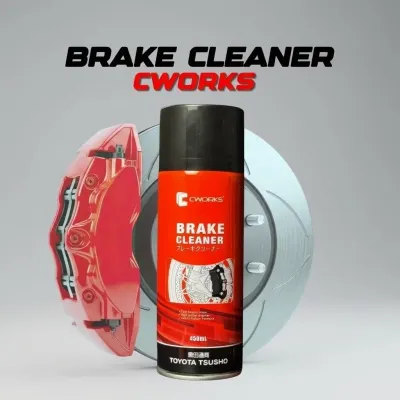
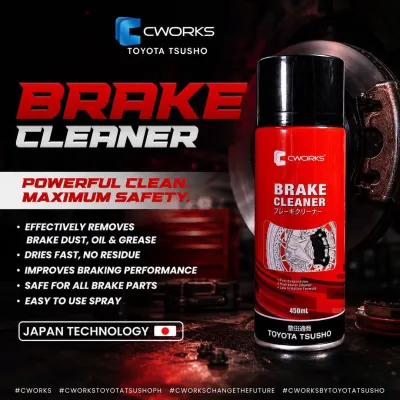
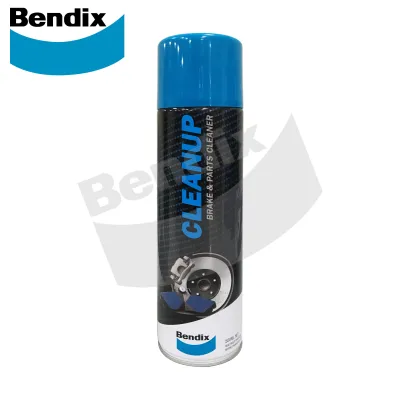
1,266 Lazada user ratings
Delivery was super fast! wow! very well packed, no dents nor spills 🫰🙂 Thanks Seller for the very nice transaction you even sent me the offic…Read full reviewShow less
Delivery was super fast! wow! very well packed, no dents nor spills 🫰🙂 Thanks Seller for the very nice transaction you even sent me the official receipt! a very professional transaction thing. Thanks also to Lazada and the courier too.
Safe for brake components, Prevents squeaks and squeals in brakes, Effective brake cleaner, Prevents squeaks and squeals in brakes, Removes …Read full reviewShow less
Safe for brake components, Prevents squeaks and squeals in brakes, Effective brake cleaner, Prevents squeaks and squeals in brakes, Removes impurities easily, Removes impurities easily, Cleans discs before pad installation,
Convenient 500ml size, Great for degreasing applications, Prevents squeaks and squeals in brakes, Cleans discs before pad installation, Remo…Read full reviewShow less
Convenient 500ml size, Great for degreasing applications, Prevents squeaks and squeals in brakes, Cleans discs before pad installation, Removes impurities easily, Leaves no residue, Effective brake cleaner,
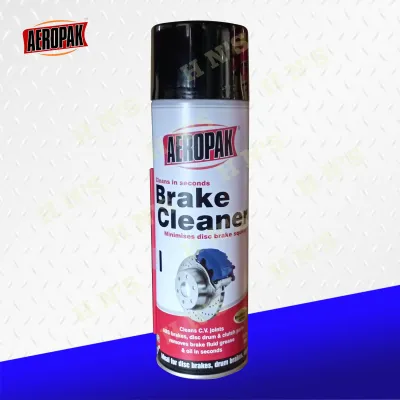
4,630 Lazada user ratings
Great brake cleaner!, Handy for CV joints, Effective on oily surfaces, Safe to use on ABS brakes, Effective on oily surfaces. The product se…Read full reviewShow less
Great brake cleaner!, Handy for CV joints, Effective on oily surfaces, Safe to use on ABS brakes, Effective on oily surfaces. The product seems good..
medyo nayupi sa ang box kaya yupi din ang nasa loob. pero ok nman. di nman na damage ang rubber nya fit nman at maganda ang quality.
Cleans brakes like a pro, Handy for CV joints, Safe to use on ABS brakes, Must-have for any DIY mechanic, Convenient 500ml size,
Great brake cleaner!, Must-have for any DIY mechanic, Works well on wheel bearings, Perfect for disc and drum brakes,
Fast shipping. Good product, value for money. Easy to use, cleans brake dust particles with ease and dries fast.
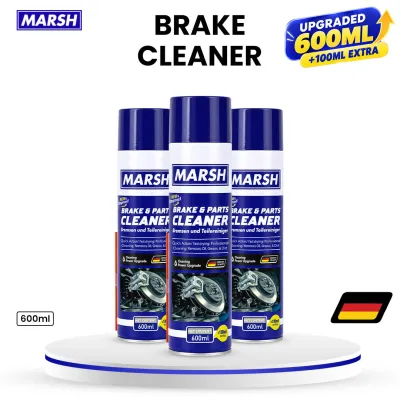
4,185 Lazada user ratings
I've been using this product ever since I got my motorcycle, and I'm happy with its quality. This is a legitimate store, and the bottle actu…Read full reviewShow less
I've been using this product ever since I got my motorcycle, and I'm happy with its quality. This is a legitimate store, and the bottle actually contains the full 600ml as advertised, unlike some other stores where the actual quantity may not match the label. It works great for cleaning disc brakes and removing dust and dirt. I just hope they consider offering a larger bottle in the future. Highly recommended!
👌Ease of Use:Madali gamitin. 💪Effectiveness:Very effective, kunti lang ginamit ko tanggal agad ang oil sa rotor at nawala ang ingay. Perfect…Read full reviewShow less
👌Ease of Use:Madali gamitin. 💪Effectiveness:Very effective, kunti lang ginamit ko tanggal agad ang oil sa rotor at nawala ang ingay. Perfect for brake maintenance. Fast and easy to use. Highly recommended.
No brand, but great performance, Quick drying formula, pero try ko pa kung legit as advertised 😊
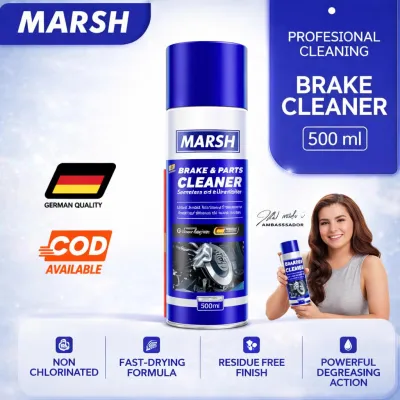
102 Lazada user ratings
di effective sa pag alis ng rust
legit ... slmt po at s rider
🔌Compatibility:good
👌Ease of Use:good
good product 👍
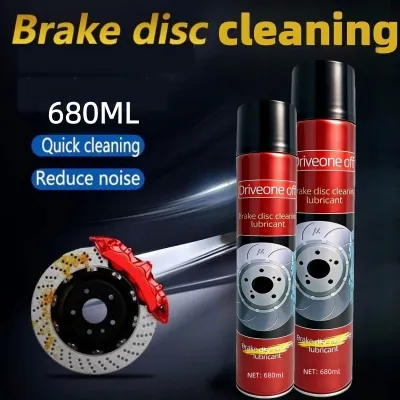
673 Lazada user ratings
🛠️Durability: 10/10 👌Ease of Use: 10/10 🔌Compatibility: 10/10 🛢️Viscosity: 10/10 Nice item. I recommend this for purchase. A must try. Will de…Read full reviewShow less
🛠️Durability: 10/10 👌Ease of Use: 10/10 🔌Compatibility: 10/10 🛢️Viscosity: 10/10 Nice item. I recommend this for purchase. A must try. Will definitely buy again.
🛠️Durability:good 👌Ease of Use:good 🔨Durability:good 🔌Compatibility:good 🛢️Viscosity:good easy to use break cleaner compatible to my daily cle…Read full reviewShow less
🛠️Durability:good 👌Ease of Use:good 🔨Durability:good 🔌Compatibility:good 🛢️Viscosity:good easy to use break cleaner compatible to my daily cleaning
🔨Durability:Multi-surface compatibility, Prevents future brake issues, Fast drying after cleaning, well packed fast shipping and fast delive…Read full reviewShow less
🔨Durability:Multi-surface compatibility, Prevents future brake issues, Fast drying after cleaning, well packed fast shipping and fast delivery
Fast drying after cleaning, Prevents future brake issues, multi surface compatibility, great value for your money.
Fast drying after cleaning, Prevents future brake issues,
Prices are valid at publication and may change. Please refer to the product page for the latest price.
Ultimately, material safety depends entirely on the specific product’s manufacturer instructions, warnings, and chemical safety data sheets. Because formulations vary widely between brands and regional regulations, a product that claims to be low-VOC or non-chlorinated is not guaranteed to be safe for plastics or rubber. Always treat brake cleaner as a specialized, metal-only compound unless the product label explicitly states otherwise for a highly specific application.
How to Verify Compatibility Before Detailing
Before introducing any chemical to your vehicle’s exterior or engine bay, a systematic verification process is necessary to prevent accidental damage. The first and most critical step is to thoroughly read the product label and the manufacturer’s safety data sheet. These documents outline the chemical ingredients and provide explicit warnings regarding compatible and incompatible materials. If a label warns against contact with painted surfaces, polycarbonate plastics, or synthetic rubbers, take those warnings literally and keep the product far away from those areas.

Next, consult your vehicle owner’s manual or official manufacturer guidelines. Modern vehicles utilize a wide array of specialized plastics, composites, and protective coatings that may react unpredictably to aftermarket solvents. The manufacturer often specifies approved cleaning agents for various sections of the vehicle, particularly around sensitive engine sensors, electrical connectors, and suspension bushings. If the manual explicitly warns against solvent-based cleaners in a specific area, heed that advice to avoid voiding warranties or damaging critical components.
If you must use a solvent and are uncertain about its effect on a specific material, perform a hidden spot test. Locate an inconspicuous area of the component—such as the underside of a plastic trim piece, a hidden section of a rubber hose, or a painted area inside the door jamb. Apply a tiny amount of the cleaner to a microfiber cloth and gently dab the test area. Allow it to dry completely, then closely observe the surface under direct light. Check for any signs of discoloration, hazing, softening, swelling, or changes in texture. If you observe any alteration to the material’s original state, do not proceed with the application.
Best Practices for Using Brake Cleaner Near Sensitive Parts
When performing brake maintenance or targeted metal cleaning, preventing overspray from reaching sensitive surrounding parts requires deliberate preparation and technique. Because brake systems are critical safety components, any cleaning or maintenance must be performed with extreme care. Always refer to your original-vehicle service manual for specific disassembly and cleaning instructions. If you are uncomfortable working around critical braking, steering, or suspension components, consult a qualified professional before proceeding.
To minimize the risk of accidental contact, establish physical barriers before spraying. Use thick cardboard sheets, heavy-duty masking paper, or dedicated plastic sheeting to shield surrounding painted body panels, plastic fender liners, and rubber suspension bushings. Microfiber towels can also be draped over nearby hoses and electrical connectors to catch any stray droplets. These barriers act as a vital line of defense against the high-pressure spray typical of aerosol cans.
Precision application is another key factor in risk mitigation. Avoid spraying the cleaner indiscriminately into the wheel well or engine bay. Instead, utilize the targeted spray straw included with most aerosol cans to direct the solvent precisely onto the metal component requiring cleaning. Alternatively, for delicate areas, spray a small amount of the cleaner directly onto a detailing brush or a clean microfiber cloth first, then use the damp applicator to wipe the metal surface. This controlled method eliminates airborne overspray entirely and prevents the solvent from running off onto adjacent non-metal parts.
Finally, always keep a clean, dry microfiber cloth on hand to wipe away excess solvent immediately. Brake cleaners are designed to evaporate rapidly, but pooling liquid can quickly penetrate seams, degrade rubber seals, or soften paint clear coats if left standing. By controlling the application volume and immediately drying any runoff, you significantly reduce the contact time and the potential for chemical degradation.
Immediate Steps for Accidental Overspray or Exposure
Despite careful preparation, accidental overspray can still occur. If brake cleaner makes contact with an unintended plastic, rubber, or painted surface, immediate action is required to minimize the chemical reaction. Your first step should be to rinse the affected area with plenty of clean, cool water. High-volume, low-pressure water helps dilute the solvent and physically flush it off the surface before it can deeply penetrate the material or dissolve protective coatings. Avoid using high-pressure sprayers initially, as the force can drive the solvent deeper into seams or under rubber seals.
Following the initial rinse, wash the area thoroughly with a high-quality, pH-neutral car shampoo. Use a clean, soft microfiber wash mitt to gently agitate the soapy solution over the exposed surface. The surfactants in the car shampoo help encapsulate and lift any remaining chemical residue, ensuring that no active solvents remain trapped on the paint, plastic, or rubber. Once washed, rinse the area again with clean water and dry it completely with a clean microfiber towel.
After cleaning and drying, carefully inspect the surface under good lighting. Look closely for any signs of hazing, swelling, peeling, or texture changes. If you suspect that the solvent has caused structural damage to a rubber hose, a suspension bushing, or a brake line, stop using the vehicle immediately. Damaged rubber components can fail catastrophically under operating pressures or temperatures. In such cases, consult a qualified professional mechanic or a professional detailer to assess the damage and determine if the affected parts require replacement to ensure vehicle safety.
Alternatives for Cleaning Non-Brake Components
Because brake cleaner is highly aggressive, it should never be used as a general-purpose degreaser for non-metal components. To preserve the longevity and appearance of your vehicle’s materials, always match the cleaning agent to the specific surface you are treating. For plastic trim, rubber hoses, and engine bay plastics, utilize dedicated automotive cleaners formulated specifically for those materials. These products are designed to lift dirt and grime without stripping the essential oils and plasticizers that keep polymers flexible and vibrant.
For general grime removal on painted panels, metal brackets, or engine bay surfaces, a high-quality, all-purpose automotive cleaner is a much safer alternative. Most automotive all-purpose cleaners are concentrated formulas that can be diluted with water to match the severity of the dirt. When diluted according to the manufacturer’s instructions, these cleaners effectively break down road grime, grease, and organic contaminants without risking damage to clear coats, sensitive plastics, or rubber seals.
Using the correct, material-specific cleaning agent not only prevents accidental damage but also helps maintain the protective barriers on your vehicle’s surfaces. Many dedicated plastic and rubber cleaners contain UV inhibitors and conditioning agents that actively protect the material from future environmental degradation. Choosing these safer, specialized alternatives ensures your detailing or maintenance work preserves both the aesthetic value and the mechanical safety of your vehicle over the long term.
Frequently Asked Questions (FAQ)
Can I use brake cleaner to clean my car's engine bay?
Using brake cleaner in the engine bay is highly discouraged due to the high concentration of sensitive plastic covers, rubber hoses, wiring harnesses, and electronic sensors. The aggressive solvents can degrade wire insulation, dissolve plastic connector clips, and damage delicate sensor housings. Always check product labels for specific warnings regarding electrical and rubber components. For engine bay cleaning, it is highly recommended to use a dedicated engine degreaser or a properly diluted automotive all-purpose cleaner, which are formulated to safely lift grease without harming non-metal parts.
Will brake cleaner remove wax or sealant from my car's paint?
Yes, brake cleaner will easily strip waxes, paint sealants, and ceramic coatings from your car’s paint. Because these protective layers are organic or synthetic polymer coatings, the strong solvents in brake cleaner will dissolve them almost instantly upon contact. Always check the product’s label instructions and warnings before applying it near painted surfaces. If accidental exposure occurs and the paint is not physically damaged, you must thoroughly wash the area and reapply your preferred wax or sealant to restore the paint’s protective barrier.
Community discussion
Share your experience or ask a question. Comments are reviewed before publication.