
Quick Answer: Which Windshield Fluid Format Is Better?
Choosing between a windshield fluid tablet and traditional liquid washer fluid is not a matter of finding a single, universally superior option. Instead, the right choice depends on your specific driving environment, storage limitations, and how much preparation you are willing to do before refilling your car’s reservoir.
Liquid washer fluids generally offer the most consistent, hassle-free mixing and are available in specialized formulas. These formulas often include advanced additives like water-repellent polymers or heavy-duty grime cutters that help maintain visibility during severe weather.
Conversely, a windshield fluid tablet excels in storage convenience, environmental sustainability, and cost-effectiveness for everyday cleaning. If you primarily need to clear routine dust and light road grime, and you do not mind taking a few minutes to mix the solution beforehand, tablets offer an incredibly efficient alternative.
Products mentioned in this guide
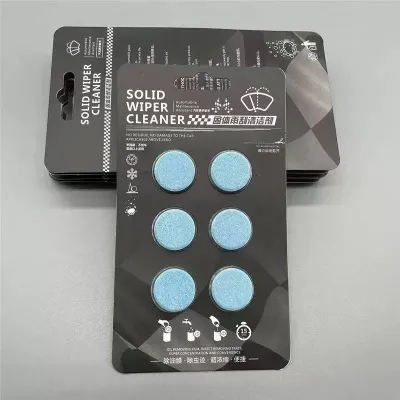
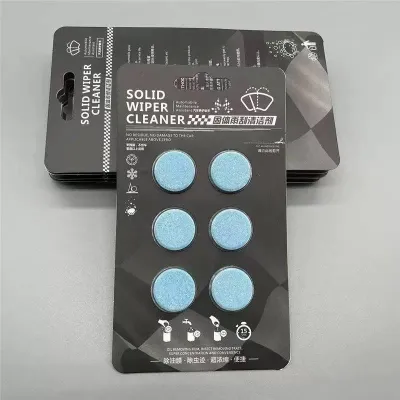
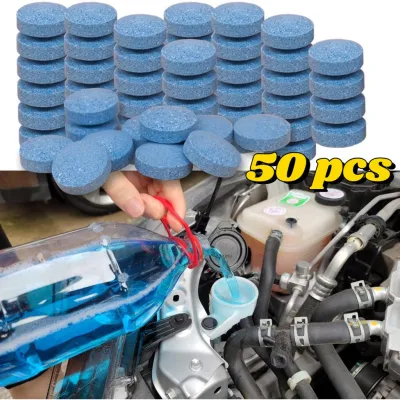
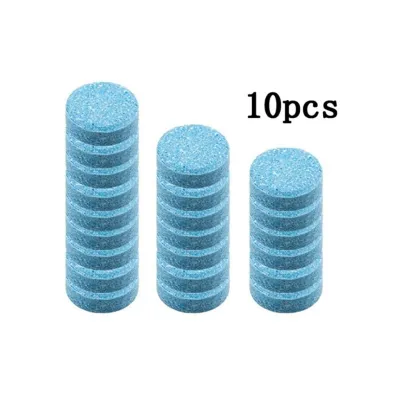
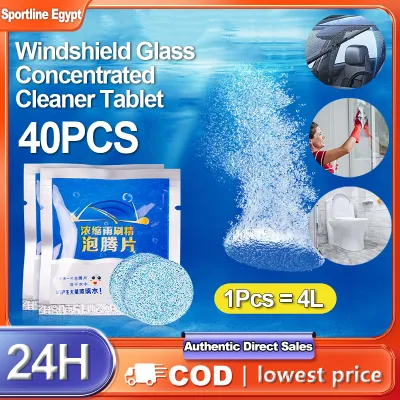
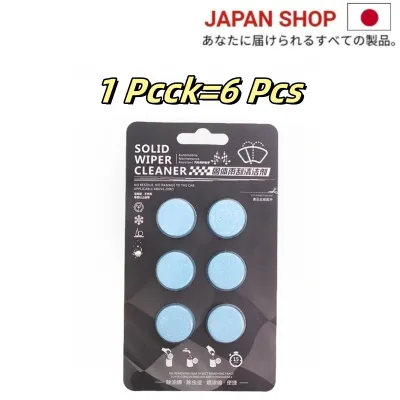
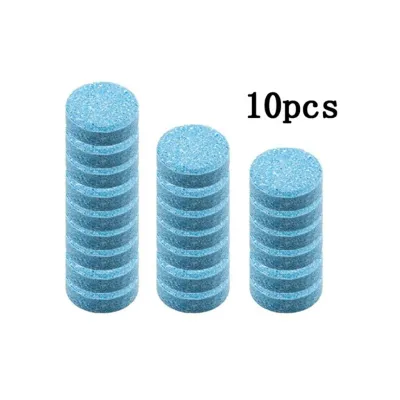
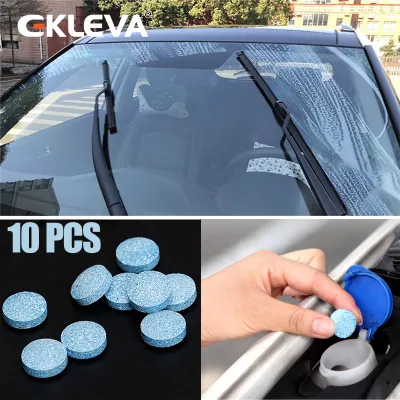
Prices are valid at publication and may change. Please refer to the product page for the latest price.
How Windshield Fluid Tablets and Liquids Actually Work
To make an informed decision, it is essential to understand how these two product formats function from a physical and chemical perspective. Liquid washer fluid is a pre-mixed, ready-to-pour solution. Manufacturers blend treated water with surfactants, colorants, and sometimes specialized solvents or alcohol-based anti-freezing agents. Because it is blended in a controlled factory environment, the chemical concentration is highly consistent throughout the container, allowing you to pour it directly into your vehicle’s reservoir with zero preparation.

In contrast, a windshield fluid tablet is a highly concentrated, solid effervescent pill. It contains dry cleaning agents, binding agents, and effervescent compounds (typically sodium bicarbonate and citric acid) that react when they come into contact with water. This reaction causes the tablet to dissolve and disperse its active cleaning ingredients throughout the liquid.
Because tablets require you to supply the liquid medium, the final cleaning performance and safety of the mixture depend heavily on the quality of the water you use. Using standard tap water can introduce dissolved minerals into your vehicle’s washer system. Over time, these minerals can precipitate out of the solution, leading to scale buildup that can clog your washer lines and nozzles.
Key Differences: Cleaning, Convenience, and Vehicle Safety
Selecting the ideal washer fluid format requires you to look beyond the initial purchase price. To determine which option fits your lifestyle and vehicle requirements, you must evaluate how they compare across four critical operational dimensions.
Cleaning Power and Stain Removal
Pre-mixed liquid washer fluids are formulated to tackle tough, organic road debris. Because they are liquid-stable, manufacturers can include complex surfactant packages and specialized solvents that remain suspended in the solution indefinitely. These chemical agents are specifically designed to break down stubborn, baked-on contaminants such as insect splatters, tree sap, bird droppings, and greasy road film kicked up by larger vehicles.
Tablets provide reliable cleaning performance for everyday driving hazards, such as loose dust, light pollen, and fresh rain splatters. However, because they must dissolve quickly and completely in water, they generally lack the heavy-duty organic solvents found in premium pre-mixed liquids. If you frequently drive on highways where heavy grime and organic splatters are common, a basic tablet solution may require multiple spray cycles or manual pre-washing to achieve a completely clear windshield. Always consult the product label to verify the specific cleaning claims and active ingredients of your chosen brand.
Convenience, Storage, and Preparation
Storage convenience is where the windshield fluid tablet holds a massive advantage over liquid jugs. A single plastic jug of pre-mixed fluid typically holds three to four liters, weighing several kilograms and occupying significant space in your garage, trunk, or home. For drivers living in compact urban spaces, high-rise condominiums, or apartments with limited storage, housing multiple bulky jugs is highly impractical. A pack of ten or twenty tablets, on the other hand, is no larger than a small deck of cards and can easily sit in your glove compartment or tool organizer.
However, this space-saving benefit comes at the cost of preparation time. Liquid washer fluid is a simple “pour and go” product that requires no physical effort or waiting. A tablet requires you to source a clean container, measure out the correct volume of water, drop the tablet in, and wait for it to dissolve completely. If you attempt to skip this step by dropping a dry tablet directly into your car’s reservoir, undissolved particles can settle at the bottom, potentially blocking the intake filter or clogging the delicate spray nozzles.
Cost Effectiveness and Long-Term Value
From a pure cost-per-liter perspective, tablets are highly economical. A single pack of tablets often costs a fraction of the price of an equivalent volume of pre-mixed liquid, while yielding dozens of liters of usable washer fluid. This makes tablets an appealing choice for high-frequency drivers who use their washer systems daily to clear dust and light debris.
However, calculating the true long-term value requires looking at the total cost of preparation. Because using tap water introduces mineral risks to your vehicle, you must factor in the cost of purchasing distilled or demineralized water. In the Philippines, a five-liter bottle of distilled water typically costs between ₱30 and ₱60. While still highly economical, this additional purchase reduces the overall cost savings of tablets. To find the true value, always check the dilution ratio printed on the tablet packaging to determine the exact volume of fluid a single tablet will yield.
Safety for Wipers, Paint, and Washer Nozzles
Vehicle safety is a critical consideration when introducing any chemical to your car’s exterior surfaces. Do not assume that all tablets or liquids are universally safe for your paint, rubber seals, and wiper blades simply because they are sold as automotive products. Poorly formulated fluids—whether liquid or tablet-based—can contain harsh chemicals that dry out rubber wiper elements, degrade weather stripping, or strip away protective wax and ceramic coatings from your vehicle’s paintwork. Always check the manufacturer’s packaging to verify that the product is pH-neutral and certified safe for automotive plastics, rubber, and clear-coat finishes.
Physical safety within the washer system itself is another key factor. Modern vehicles often feature delicate, laser-etched micro-nozzles or fan-spray washer jets designed to distribute a fine mist across the glass. These systems are highly sensitive to physical blockages. If a tablet is not mixed properly, or if it contains low-quality binders that do not dissolve completely, microscopic solid particles can accumulate in the reservoir’s mesh filter or clog the spray jets entirely. Before using any concentrated tablet, verify that your vehicle’s owner manual does not explicitly warn against the use of solid additive concentrates.
Performance in Tropical Weather and Heavy Rain
Driving in tropical environments presents unique challenges that directly impact windshield visibility. During the wet season, drivers must cope with sudden, torrential downpours, high humidity levels, and muddy road spray thrown up by surrounding traffic. During the dry season, intense heat and sunlight bake fine dust and industrial soot onto the glass, creating a stubborn, hazy film.
In heavy rain scenarios, visibility is your primary safety defense. Premium pre-mixed liquid washer fluids often feature hydrophobic (water-repellent) additives. These specialized polymers bond temporarily to the glass surface, causing rainwater to bead up and roll off quickly, even before the wiper blades sweep across. This water-beading effect significantly improves visibility during intense tropical storms. Solid tablets rarely contain these complex hydrophobic polymers, as the active ingredients must remain stable in a dry, compressed state.
During the dry season, however, the primary challenge shifts to clearing dry dust and light soot. For this specific task, a dissolved windshield fluid tablet is highly effective. It easily cuts through dry dust layers without wasting expensive specialized chemicals.
Regardless of which fluid format you choose, remember that no washer fluid can compensate for worn-out, cracked, or hardened wiper blades. Inspect your wipers regularly, clean the rubber squeegee elements with a damp cloth, and ensure your windshield glass is free of deep contamination to maximize the effectiveness of your washer fluid.
How to Choose the Right Washer Fluid for Your Car
To make the best decision for your vehicle and driving routine, use the following structured decision framework.
Choose Liquid Washer Fluid if:
- You want advanced performance: You frequently drive in heavy tropical rains and want the safety benefits of hydrophobic, water-repellent additives that improve water runoff.
- You face tough organic grime: Your daily commute involves highway driving where heavy grease, insect splatters, or tree sap regularly coat your windshield.
- You prefer maximum convenience: You want a ready-to-use, pre-mixed solution that you can pour directly into your reservoir with zero preparation, zero waiting, and no need to purchase separate distilled water.
Choose Windshield Fluid Tablets if:
- You have limited storage space: You live in an apartment, condo, or home with minimal storage space and want to avoid keeping bulky plastic jugs in your garage or trunk.
- You prioritize cost-effectiveness: You are looking for the lowest possible cost per liter of fluid and primarily need to clear routine urban dust and light road grime.
- You want to reduce plastic waste: You prefer an eco-friendly option that minimizes the disposal of single-use plastic jugs.
Verify First if:
- Your vehicle has specialized hardware: Your car features delicate micro-mesh filters or modern fan-spray washer jets that require highly purified, particle-free fluids.
- Your local water is hard: You do not have easy, affordable access to distilled water, which is necessary to safely mix solid tablet concentrates.
- Your warranty has specific terms: Your vehicle's manufacturer manual outlines strict guidelines regarding aftermarket additives, concentrates, or specific fluid formulations.
Best Practices for Mixing and Refilling Your Reservoir
If you decide to use windshield fluid tablets, or if you are refilling your reservoir with a new liquid formula, following proper maintenance steps will protect your vehicle’s washer system from damage.
- Always use distilled water for mixing: When preparing a tablet solution, never use tap water, well water, or standard mineral bottled water. Only use clean, distilled, or demineralized water to prevent calcium and mineral deposits from forming inside your washer lines, pump, and nozzles.
- Pre-dissolve the tablet completely: Never drop a solid tablet directly into your car's washer reservoir. Instead, place the tablet into a clean, separate container filled with the correct volume of distilled water. Wait for the effervescent reaction to stop completely, and visually inspect the container to ensure no solid particles or binders remain before pouring the mixture into your car.
- Consult your owner's manual: Before refilling, open your vehicle's manual to locate the exact position of the windshield washer reservoir cap—usually identified by a symbol depicting a windshield with sweeping wiper arcs. Note the reservoir's capacity limits to avoid overfilling.
- Avoid mixing different formulas: Do not mix different brands, colors, or formats of washer fluid inside your reservoir. For example, do not pour a dissolved tablet solution into a reservoir that still contains a specialized, water-repellent liquid fluid. Mixing incompatible chemical compounds can trigger a chemical reaction, resulting in clumping, precipitation, or a gooey residue that can clog your washer pump and lines. If you want to switch formats, use up the existing fluid completely or flush the system with clean, distilled water before adding the new mixture.
Community discussion
Share your experience or ask a question. Comments are reviewed before publication.