
Choosing between a windshield head-up display (HUD) and a dashboard-mounted OBD2 gauge is a key decision for drivers looking to monitor real-time vehicle diagnostics. Both devices connect to your car’s On-Board Diagnostics port to serve up critical data like engine temperature, speed, and battery voltage. However, they deliver this information in fundamentally different ways, impacting how you interact with your vehicle and how clearly you can see the road ahead.
Windshield HUDs project key metrics directly into your line of sight, allowing you to keep your eyes on the road, while dashboard-mounted gauges offer crisp, multi-page LCD screens that remain highly readable even under intense sunlight. Deciding which style fits your car requires evaluating your daily driving environment, your dashboard layout, and the specific parameters you need to monitor.
Before purchasing or installing any aftermarket electronic device that connects to your vehicle’s electrical system, always consult your vehicle’s original owner’s manual. Ensure that adding an aftermarket display does not interfere with factory safety systems, such as steering column adjustments or airbag deployment zones. If you plan to hardwire the device to your car’s fuse box for a cleaner installation rather than using the standard OBD2 power source, seek the assistance of a qualified automotive electrician to prevent short circuits or electrical fires.
Products mentioned in this guide
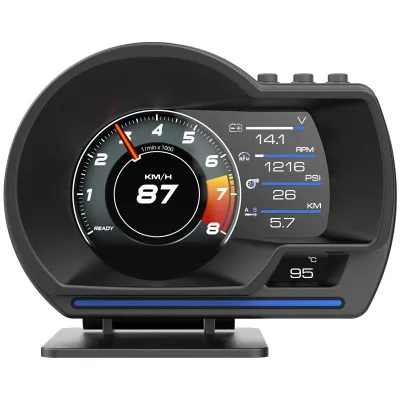
7 Lazada user ratings
Impressive maganda ang display at accurate sana tumagal at ok ung mga function, nice selleer mabilis din na deliver.
compatible sa aking sasakyan Hyundai EON maganda quality. accurate din mga gauges thank you seller
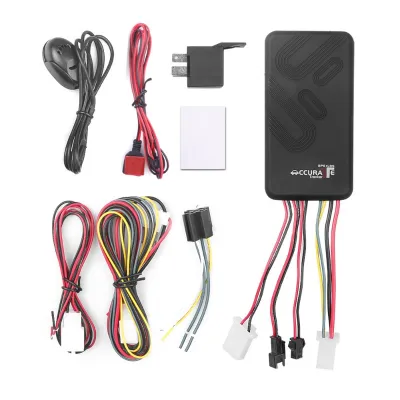
248 Lazada user ratings
Napakaganda ng item. Walang pinsala, ito ay gumagana nang mahusay at madaling i-install. Salamat sa seller at express delivery. Pagpalain ka…Read full reviewShow less
Napakaganda ng item. Walang pinsala, ito ay gumagana nang mahusay at madaling i-install. Salamat sa seller at express delivery. Pagpalain ka ng Diyos.
Dual system for reliable data, P6 Plus+GPS for precise positioning, Accurate speed display, Conveniently mounted on console or windshield,
gumagana ang device sa toyota pero sa suzuki ciaz hindi nag error i hope na tatagal, over all, i gave it 8/10
Easy to install. Accurate ECU reading. LCD screen is bright and easy to read both day and night.
🛠️Durability: 👍🏼 🔌Compatibility: 👍🏼 📏Accuracy: 👍🏼 🔧Ease of Installation: 👍🏼 Highly recommended
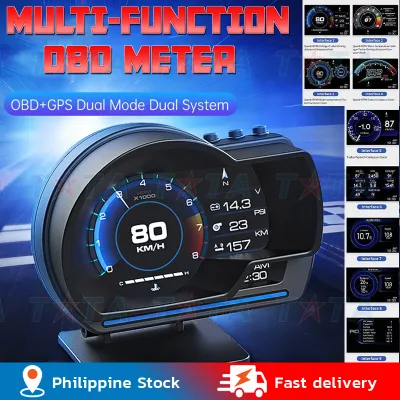
13 Lazada user ratings
Excellent customer service, High-quality LCD screen, Supports hybrid cars, Supports hybrid cars, Easy to install,
Clear data display, Good battery life,
goods na goods!
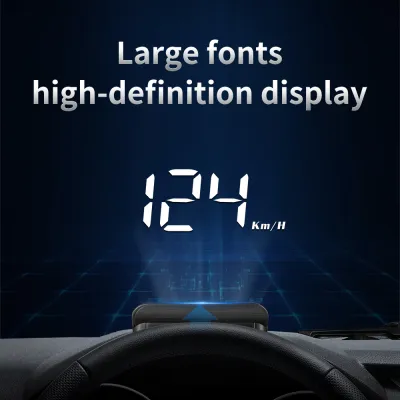
1 Lazada user ratings
The speed is accurate and it feels like a great purchase. The display is clear even without the film, and the OBD cable is thick and sturdy,…Read full reviewShow less
The speed is accurate and it feels like a great purchase. The display is clear even without the film, and the OBD cable is thick and sturdy, making for a very secure and stable connection.
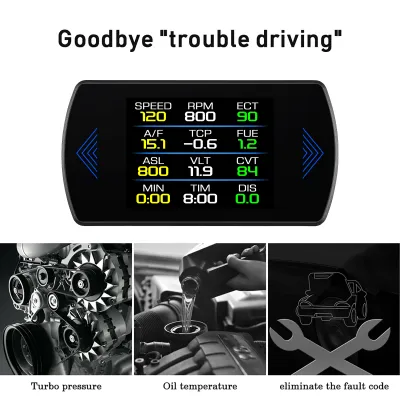
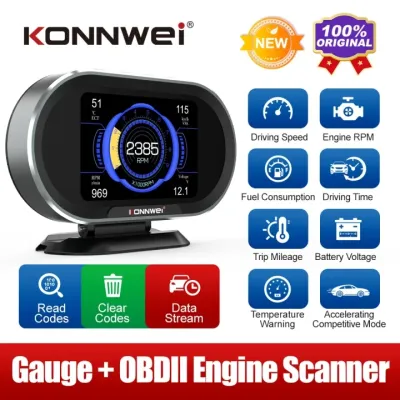
177 Lazada user ratings
Item arrived in good condition. Tested the item and it was good. Informed seller and confirmed the item. The material used was ok for its pr…Read full reviewShow less
Item arrived in good condition. Tested the item and it was good. Informed seller and confirmed the item. The material used was ok for its price. Medyo matibay din sakto lang, sana tumagal siya. Mabilis din siya dumating, delivery was fast good thing the delivery driver was careful in handling the item. Hopefully will make another purchase soon.
Useful water temperature gauge, Accurate OBDII system diagnosis, Customizable warning alerts, Real-time display of 95 sets of data, Convenie…Read full reviewShow less
Useful water temperature gauge, Accurate OBDII system diagnosis, Customizable warning alerts, Real-time display of 95 sets of data, Convenient digital display, Clears fault codes easily, Displays speedometer on the go, Helps monitor fuel consumption,
Used on my Vios Gen 1. Useful coolant temperature gauge, convenient digital display. Accurate reading like rpm, speed and battery voltage me…Read full reviewShow less
Used on my Vios Gen 1. Useful coolant temperature gauge, convenient digital display. Accurate reading like rpm, speed and battery voltage meter. Thanks seller!
Accurate OBDII system diagnosis, Convenient digital display, Helps monitor fuel consumption, Customizable warning alerts,
👍, Working for Honda city 2006 vtec manual transmission 1.5, 👍
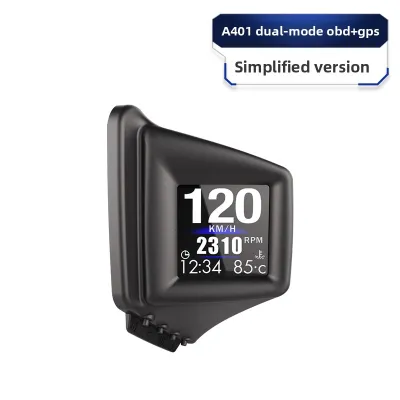
87 Lazada user ratings
The screen is a bit small, and the manual is pretty basic, but everything else is fine. It's a great product! Not sure if it's sun-resistant…Read full reviewShow less
The screen is a bit small, and the manual is pretty basic, but everything else is fine. It's a great product! Not sure if it's sun-resistant, so I'll have to see over time. Installing wasn't too hard, mostly just learning how to remove the A-pillar trim and finding the interface.
Compact and delicate. Can be adjusted and placed anywhere. Comes with double-sided tape for easy sticking, and the OBD line is flat, making …Read full reviewShow less
Compact and delicate. Can be adjusted and placed anywhere. Comes with double-sided tape for easy sticking, and the OBD line is flat, making it easy to fit into gaps. The screen displays clearly. The button feedback is prominent. The menu is straightforward and easy to set up.
The features are all there and useful; mainly, the car doesn't show the water temperature but warns when it's too hot. This onboard computer…Read full reviewShow less
The features are all there and useful; mainly, the car doesn't show the water temperature but warns when it's too hot. This onboard computer displays everything clearly and is easy to understand.
The OBD display works great, provides comprehensive data, and is easy to install. After putting it on, I feel like my little car's power inc…Read full reviewShow less
The OBD display works great, provides comprehensive data, and is easy to install. After putting it on, I feel like my little car's power increased by 10hp. Totally recommend it!
After installation, it feels like there's added emotional value, and it can show speed and time. Looking forward to using it more later on.
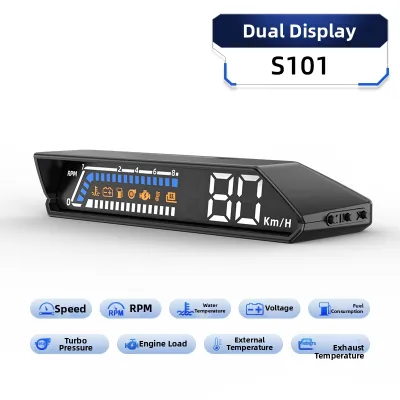
41 Lazada user ratings
not as advertised
Really satisfied!
Really nice
Prices are valid at publication and may change. Please refer to the product page for the latest price.
Understanding the Core Form Factors
Windshield HUDs and dashboard-mounted gauges differ primarily in how they present visual information to the driver. A windshield HUD relies on optical reflection. Some models project data directly onto the inner surface of your vehicle’s windshield, while others feature an integrated, pop-up semi-transparent plastic combiner screen. Direct-projection models rely on the reflective properties of the glass, which can sometimes result in a double image due to the dual-pane construction of automotive windshields. Combiner-style HUDs bypass this issue by projecting onto a dedicated, angled plastic flap that provides a consistent, sharp image regardless of the windshield glass type.
Dashboard-mounted gauges function more like miniature digital instrument clusters. They utilize direct-view LCD or LED screens to display high-resolution graphics, color-coded dials, and text menus. Because they do not rely on reflection, the visual output is direct and does not require any optical alignment with the glass. These units are self-contained and display their data on physical screens that you look at rather than through.
Mounting methods also vary significantly between the two styles. Dashboard gauges typically secure to the top of the dashboard, the steering column, or the A-pillar using adhesive pads, suction mounts, or non-slip silicone mats. HUDs must sit flat on the dashboard surface directly in front of the driver, requiring precise positioning to align the projected image with your natural line of sight. Both devices plug directly into the vehicle’s OBD2 port, which is usually located under the driver-side dashboard.
Managing cable slack is a critical safety step during installation. Loose, hanging cables can easily drop down into the footwell and interfere with the accelerator, brake, or clutch pedals, creating a severe driving hazard. Always route the connection cable cleanly behind dashboard panels or weatherstripping, and secure any excess length using zip ties or cable clips well away from the pedal assembly.
Comparing Visibility, Glare, and Driving Conditions
Evaluating how each display type performs under varying light conditions is essential for maintaining visibility and safety. Windshield HUDs face unique challenges when projecting onto standard automotive glass. Because windshields consist of an outer and an inner layer of glass separated by a safety laminate, the projected light reflects off both surfaces, creating a distracting double-image or “ghosting” effect. To resolve this, check if the HUD kit includes a dedicated, polarized reflection film. This film must be applied directly to the inside of the windshield to consolidate the reflections into a single, clear image.

Dashboard-mounted gauges do not suffer from ghosting, but they are highly susceptible to being washed out by direct sunlight. In tropical climates with intense solar glare, a screen that lacks proper shielding can become completely unreadable during midday driving. When shopping for a dashboard-mounted gauge, check the product specifications for physical sun hoods—molded plastic shades built into the housing—or anti-glare screen coatings that minimize reflections and preserve contrast.
Both display styles must adapt to changing ambient light to prevent eye strain. The high brightness required to remain visible under the midday sun can become blindingly bright and dangerous at night. Verify if the OBD2 display features an automatic ambient light sensor that dynamically dims the screen or projection when darkness falls. If a device lacks an automatic sensor, check the product manual to ensure it offers easily accessible manual brightness steps that you can adjust quickly without navigating complex menus while driving.
Dashboard Layout, Space, and Installation Constraints
Before choosing a display style, you must carefully assess your car’s interior layout to ensure the device physically fits without obstructing your view or vehicle controls. For dashboard-mounted gauges, measure the available flat space on your dashboard. You must ensure the physical dimensions of the gauge housing will not block essential elements such as air conditioning vents, ambient light sensors, automatic headlight sensors, or your primary line of sight through the windshield.
For windshield HUDs, inspect the angle, curvature, and steepness of your windshield. A highly raked or steeply curved windshield can distort the projected image, making numbers appear stretched or warped. Additionally, check if your vehicle has existing aftermarket window tints. Dark tints can alter how light reflects off the glass and may prevent adhesive reflection films from adhering properly, leading to bubbling or peeling over time.
In tropical environments, high cabin temperatures can severely affect adhesive mounts and digital screens. Direct sunlight hitting a dashboard-mounted gauge can cause standard adhesive pads to degrade, leading to the device falling while the vehicle is in motion. Similarly, extreme heat can cause LCD screens to temporarily black out or suffer permanent damage if the vehicle is left parked under the sun without a sunshade. If you frequently park outdoors, consider a display that can be easily unmounted or one that uses high-temperature-resistant silicone mounts.
Finally, measure the physical distance from your car’s OBD2 port to the intended mounting location. Ensure the included cable is long enough to be routed cleanly around the dashboard. If your OBD2 port is positioned in a way that interferes with your knees while driving, you may need to purchase a low-profile flat ribbon OBD2 extension cable to ensure a safe and comfortable seating position.
Data Readability and Feature Considerations
How each display style presents vehicle data affects how quickly you can read and react to information. Windshield HUDs typically focus on simplified, high-contrast layouts. They use large numeric displays and basic icon indicators to ensure you can read your speed or engine temperature in a fraction of a second without taking your eyes off the road. This simplified presentation is ideal for monitoring basic driving metrics but limits the amount of detailed diagnostic information you can view at one time.
Dashboard-mounted gauges offer much greater data density. They often feature customizable multi-page layouts, analog-style digital dials, and detailed text menus. This allows you to monitor multiple parameters simultaneously, such as coolant temperature, intake air temperature, boost pressure, and battery voltage on a single screen. Many dashboard gauges also include diagnostic trouble code (DTC) scanning and clearing functions, allowing you to read engine fault codes directly from the screen.
Not all OBD2 devices read every parameter from every car. OBD2 compatibility depends on the communication protocols supported by your vehicle’s engine control unit (ECU). Before purchasing, verify the device’s supported protocols and check the manufacturer’s documentation to ensure it can access the specific Parameter IDs (PIDs) you need. For example, some diesel vehicles or older models may use proprietary protocols that generic OBD2 displays cannot read.
Monitoring engine health requires timely alerts when parameters exceed safe limits. Check the product manual to see how customizable the warning thresholds are for critical metrics like high coolant temperature or low battery voltage. Verify if the device uses audible beeps, flashing visual indicators, or both, and ensure these alarms can be easily configured to match your vehicle’s specific operating limits.
Decision Framework: Choosing the Right OBD2 Display
To finalize your decision, compare your driving habits and vehicle layout against this condition-based checklist.
Choose a Windshield HUD if:
- You prefer keeping your eyes focused entirely on the road ahead rather than looking down at the dashboard.
- You have limited flat dashboard space where a physical screen would block your view or air vents.
- Your windshield angle is compatible with reflection films, or you choose a model with an integrated plastic combiner screen.
- You only need to monitor a few key metrics, such as speed, RPM, and basic temperature alerts.
Choose a Dashboard-Mounted Gauge if:
- You frequently drive in bright, direct sunlight where projection displays might become washed out or difficult to read.
- You want to monitor multiple detailed data pages, real-time graphs, or diagnostic trouble codes simultaneously.
- You prefer a straightforward installation that does not involve applying reflective films to your windshield glass.
- You want a device that can be easily unmounted or adjusted to different viewing angles.
Verify first if:
- Your vehicle's OBD2 port is positioned in a way that requires a low-profile extension cable to prevent interference with your legs.
- Your car uses a non-standard communication protocol that may limit data compatibility with generic OBD2 displays.
- The physical dimensions and placement of the device comply with local road safety guidelines regarding windshield obstructions.
Frequently Asked Questions (FAQ)
Do windshield HUDs work on heavily tinted windows?
Dark factory or aftermarket window tints can absorb or distort projected light, making a standard windshield HUD appear dim, blurry, or completely invisible during the day. If your car has a dark tint, check the visible light transmission (VLT) percentage of the film. For vehicles with dark tints, it is highly recommended to use a HUD model equipped with an integrated, clear plastic reflection combiner screen, or apply the specialized reflective film included in the kit to bypass direct glass projection.
Will an OBD2 gauge drain my car battery when parked?
Most modern OBD2 display devices feature an automatic sleep or standby mode that triggers when the engine shuts off and the system detects a drop in voltage or a loss of communication. However, parasitic battery drain can still occur if the device lacks this feature, if the vehicle’s OBD2 port remains constantly powered, or if the device malfunctions. To prevent a drained battery, check the product specifications for standby power consumption (measured in milliamperes) and consider unplugging the device if you plan to leave your vehicle parked and unused for more than a few days.
Community discussion
Share your experience or ask a question. Comments are reviewed before publication.