
To protect your windshield from rock chips, you must understand that only a physical barrier with sufficient thickness and elasticity can absorb and dissipate the kinetic energy of flying road debris. A liquid ceramic glass coating, while excellent for surface slickness and water repellency, lacks the physical mass to stop a rock from cracking your glass.
Windshield protection film (WPF) is a heavy-duty, multi-layered polyurethane sheet applied to the exterior glass, acting as a shock absorber. In contrast, a ceramic coating is a microscopic liquid polymer that chemically bonds to the glass pores, creating a hard, hydrophobic barrier against environmental contaminants and micro-abrasions. Because marketing materials often blur these lines, you must verify specific manufacturer impact-resistance claims and technical datasheets rather than relying on generalized promotional terms before investing in exterior glass protection.
Understanding the Mechanism: Physical Buffer vs. Surface Hardness
When a stone strikes a moving vehicle, it carries significant kinetic energy. To prevent this energy from shattering or chipping the glass, the protective layer must deform slightly and distribute the force across a wider surface area. Thermoplastic polyurethane (TPU) films are engineered with this exact elasticity, acting as a physical buffer that cushions the impact and prevents the force from concentrating on a single point of the glass.
Products mentioned in this guide
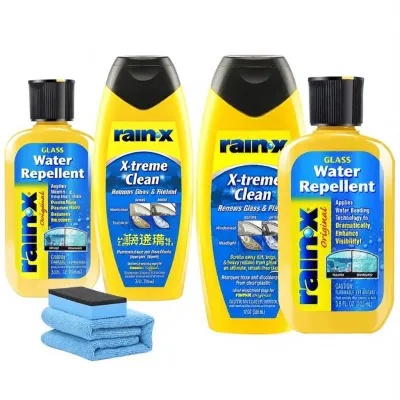
236 Lazada user ratings
I got this product recommended by chatGPT, and I asked how to keep my glass streak-free. It suggested using this after cleaning the glass, a…Read full reviewShow less
I got this product recommended by chatGPT, and I asked how to keep my glass streak-free. It suggested using this after cleaning the glass, and even mentioned that it achieves a hotel-level clean. The results were great, haha!
It's super effective and such a great value! Plus, they even included a towel for cleaning. What more could you want? Just one word: \"aweso…Read full reviewShow less
It's super effective and such a great value! Plus, they even included a towel for cleaning. What more could you want? Just one word: \"awesome!\"
Really great. This is my second time buying it. The rainproof coating works perfectly.
I haven't started using it yet, will update my review after I do.
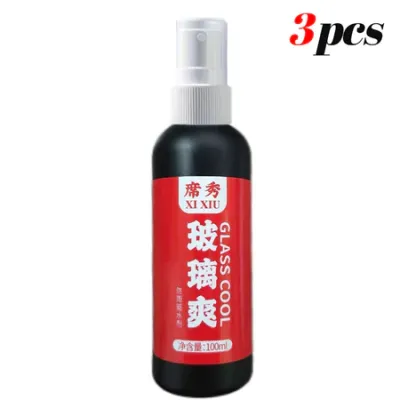
15 Lazada user ratings
💪Effectiveness:8/10 👌Ease of Use:10/10 🔌Compatibility:10/10 its easy to use. it is just that i dont know if its effective
Ayos natanggap q n parcel ok nman sya luminaw salamin ng side mirror at lens ng helmet nadulas un tubig
poor packaging tumagas po ung laman next tym pki ayos ulit paki sure nmn kawawa yung bibili sa inyo

1 Lazada user ratings
Every time I drive in the rain, raindrops cover the windshield and side mirrors, which greatly affects driving safety! A friend recommended …Read full reviewShow less
Every time I drive in the rain, raindrops cover the windshield and side mirrors, which greatly affects driving safety! A friend recommended this product, so I bought it to give it a try. Spray it on before driving on rainy days, and rainwater won’t stick to the glass anymore. The view stays crystal clear. It works really well.
786 Lazada user ratings
👌Ease of Use: 10 🔨Durability: 10 🔒Safety: 10 💪Effectiveness: 10 Works on mirrors and windows, Nanotechnology protection, even tried it on pl…Read full reviewShow less
👌Ease of Use: 10 🔨Durability: 10 🔒Safety: 10 💪Effectiveness: 10 Works on mirrors and windows, Nanotechnology protection, even tried it on plastic cover for headlight and speedometer.
Improves driving safety, Long-lasting shield, Dust and oil repellent, 100ml convenient size, Water beads off easily, Nanotechnology protecti…Read full reviewShow less
Improves driving safety, Long-lasting shield, Dust and oil repellent, 100ml convenient size, Water beads off easily, Nanotechnology protection,
Hindi kopa na testing Sana garantisabog to dahil antagal na deliver sambuwan Bago ko na received
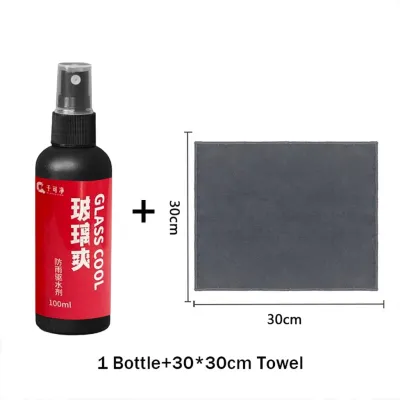
239 Lazada user ratings
💪Effectiveness:it really works for my car Anti-fog for mirrors,
Nanotechnology formula, Clear view in rain,
Clear view in rain, Repels dust and oil,
💪Effectiveness:Safe driving visibility,
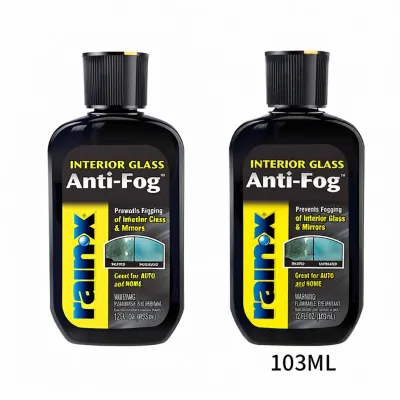
17 Lazada user ratings
I've been using this for a while now before writing this review, and it works really well. It definitely prevents fogging. After trying many…Read full reviewShow less
I've been using this for a while now before writing this review, and it works really well. It definitely prevents fogging. After trying many other products that didn't work, I've realized that quality really matters more than anything else.
It feels very natural and subtle. It’s a very gentle product that maintains a consistent look.
The product is great and I recommend it; I just haven't had time to use it yet.
Prices are valid at publication and may change. Please refer to the product page for the latest price.
In contrast, a ceramic glass coating is applied as a liquid that cures into a microscopic, crystalline structure. This layer is incredibly thin, typically measured in nanometers rather than mils or microns. Its primary function is to increase surface hardness and reduce friction, which helps prevent fine scratches, but it cannot deform or compress to absorb a heavy blow.
Because a cured ceramic coating is only a few molecules thick, it possesses virtually no physical mass or shock-absorbing volume. When a high-velocity rock strikes a ceramic-coated windshield, the impact force passes directly through the microscopic coating and into the rigid glass underneath. Consequently, relying on a liquid coating alone to prevent rock chips is physically impossible, as it cannot alter the structural vulnerability of the glass to blunt impacts.
Evaluating Windshield Protection Film for Impact Resistance
When shopping for a physical film, you will encounter different material compositions, primarily Thermoplastic Polyurethane (TPU) and Polyvinyl Chloride (PVC). TPU is highly recommended for windshield applications due to its superior elasticity, optical clarity, and resistance to yellowing under intense sunlight. PVC films are generally stiffer, more prone to degradation from ultraviolet exposure, and can distort your view of the road.

To ensure a film is capable of stopping road debris, you must inspect the manufacturer’s technical datasheet. Look for the film’s thickness, which is typically measured in mils (one-thousandth of an inch) or microns; a thickness of 4 mils to 8 mils is standard for effective impact resistance. Additionally, check for tensile strength ratings and specific impact test certifications, such as gravelometer testing results, which indicate how well the material resists tearing under high-speed impacts.
Installing a windshield protection film is a highly precise process that requires professional application. Because the film must conform to the complex curves of automotive glass, improper installation can lead to edge-lifting, bubbling, or moisture trapping. These defects not only compromise the film’s protective qualities but can also impair your visibility, making qualified professional installation a critical safety requirement.
The Real Benefits and Limitations of Ceramic Glass Coating
While ceramic coatings do not stop rock chips, they offer exceptional benefits for daily driving visibility. The primary advantage is extreme hydrophobicity, which causes rainwater to bead up and roll off the windshield rapidly, often reducing the need for constant wiper usage during heavy downpours. This slick surface also prevents road grime, tree sap, and bird droppings from bonding tightly to the glass.
A high-quality ceramic coating increases the surface slickness of your windshield, which significantly reduces friction. This lower friction helps protect the glass from micro-scratches caused by worn wiper blades, dust particles, and harsh cleaning tools. It also prevents chemical etching from acid rain, hard water spots, and bug splatter, keeping the glass optically clear over time.
You must remain cautious of exaggerated marketing claims and always verify the manufacturer’s specific product labels. Liquid ceramic coatings cannot prevent pitting, star breaks, bullseyes, or deep cracks caused by high-speed road debris. If a product claims to offer complete shatterproof or chip-proof protection without a physical film backing, it is a misleading claim that does not align with the physical limitations of nanometer-thin liquid layers.
Key Comparison Dimensions for Windshield Protection
The longevity of these two solutions varies greatly and depends heavily on environmental exposure and maintenance. Physical windshield protection films generally have a shorter lifespan than paint protection films due to the constant friction of wiper blades and exposure to direct sunlight, often requiring replacement after a few years. You should carefully read the manufacturer’s warranty terms, as many warranties exclude damage caused by wiper abrasion, improper cleaning, or normal wear and tear.
Both treatments require specific maintenance to preserve their performance. For windshield protection films, you must avoid harsh solvents, abrasive glass polishes, and ammonia-based cleaners, which can degrade the polyurethane material and cause hazing. Ceramic coatings are more chemically resistant but still require pH-neutral soaps and specialized glass cleaners to prevent premature stripping of the hydrophobic layer.
Optical performance is a critical safety factor for any windshield modification. High-quality TPU films are engineered for optical clarity, but lower-grade films or worn installations can introduce minor distortion, orange peel texture, or increased glare during night driving. Ceramic coatings, being microscopic, do not alter the optical properties of the glass and can actually reduce night glare by keeping the surface free of microscopic dirt and film buildup.
Budgeting for these installations requires evaluating both material costs and professional labor rates. Physical windshield protection film is a premium service that involves complex heat-shrinking and custom trimming, making it significantly more expensive than a liquid coating application. When planning your budget in the Philippines, you should request detailed quotes from local professional detailers, with pricing typically structured in Philippine Pesos (₱), to compare the upfront investment against the potential cost of replacing an advanced, sensor-equipped windshield.
Decision Framework: Which Solution Fits Your Driving Profile?
You should invest in a physical windshield protection film if your daily commute involves high-risk driving environments. This includes frequently traveling on unpaved gravel roads, driving behind heavy construction trucks, or navigating provincial highways where loose stones and debris are common. If your vehicle is equipped with expensive advanced driver-assistance systems integrated into the windshield, the cost of the film is highly justified to prevent costly glass replacements and sensor recalibrations.
A ceramic glass coating is the ideal choice if your primary driving consists of well-paved city streets and highways where major debris impacts are rare. This solution is perfect for drivers who prioritize maximum wet-weather visibility, easy removal of bugs and road film, and long-term protection against fine wiper scratches. It offers a cost-effective way to keep your glass clean and clear without the maintenance overhead of a physical film.
If you want the ultimate level of exterior glass protection, you can consider combining both solutions by applying a ceramic coating over a cured windshield protection film. However, you must verify manufacturer compatibility guidelines before proceeding. Applying a coating to a film requires specific products formulated for polyurethane surfaces to prevent chemical reactions that could cause hazing, adhesion failure, or void the film’s warranty.
Frequently Asked Questions (FAQ)
Can I apply ceramic coating over windshield protection film?
Yes, you can apply a ceramic coating over a windshield protection film, but you must allow the physical film to cure completely first. This curing process can take several days depending on local humidity and temperature. Always consult the film manufacturer’s guidelines to ensure the specific ceramic coating formulation is compatible with polyurethane, as incompatible solvents can damage the film’s self-healing top coat or cause premature yellowing.
Does windshield protection film affect wiper blade performance?
A high-quality, glass-specific windshield protection film is engineered with a low-friction top coat that allows wiper blades to glide smoothly across the surface. However, you must regularly inspect your wiper blades for wear, tears, or embedded road grit, as trapped debris can easily scratch the softer polyurethane film. Keeping your wiper blades clean and replacing them promptly when worn is essential to prevent premature wear and maintain optical clarity.
Community discussion
Share your experience or ask a question. Comments are reviewed before publication.