
During intense tropical downpours, a high-quality rain-repellent (water-beading) windshield washer fluid offers the best immediate visibility. These specialized formulations deposit a hydrophobic layer onto your glass, forcing sheets of rain to instantly bead up and roll off when driving at highway speeds. This significantly reduces your reliance on maximum wiper speeds during sudden storms.
However, rain-repellent fluids come with a notable trade-off. While they excel at shedding clean rainwater, they are less effective at breaking down sticky organic debris, thick mud, or the oily road film common in urban areas. For drivers who face heavy traffic and constant road grime rather than open highway downpours, a surfactant-heavy bug wash formulation may provide clearer vision by thoroughly degreasing the glass. Ultimately, the ideal choice depends on your daily driving speeds, local road conditions, and the compatibility of your vehicle’s wiper blades and driver-assist sensors.
Understanding the Formulations: Bug Wash, Rain-Repellent, and All-Season
To choose the right fluid for your vehicle, you must first understand how different chemical formulations interact with water, debris, and automotive glass. Windshield washer fluids are generally categorized into three distinct types, each engineered to address specific environmental challenges.
Products mentioned in this guide
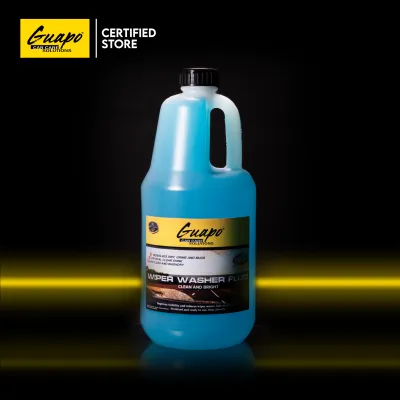
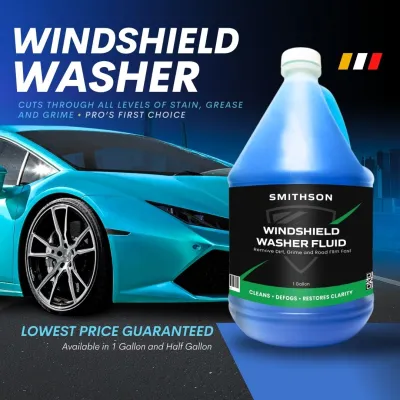
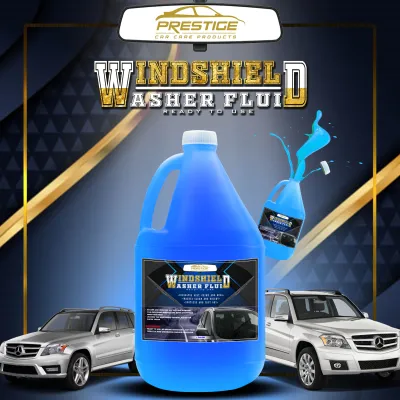
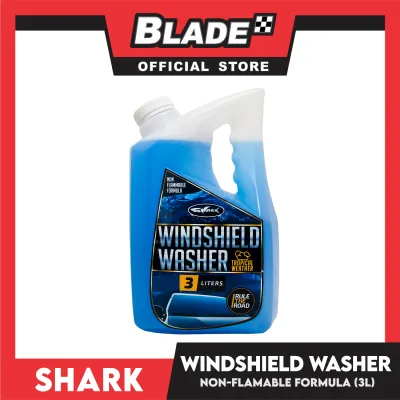
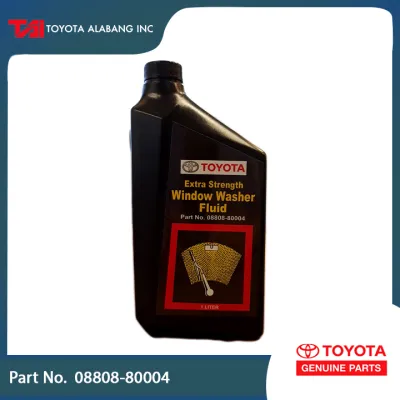
![[1 LITER] Toyota Windshield Washer Fluid - Toyota Auto Parts - TWWF](https://img.lazcdn.com/g/p/fbea552c32776d044e7e4186e55c0aef.jpg_400x400q80.jpg_.webp)
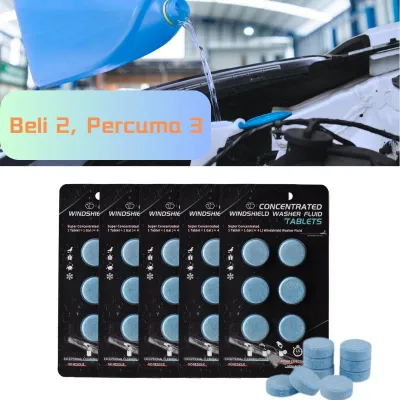
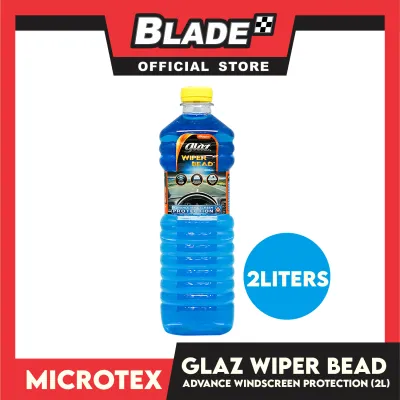
Prices are valid at publication and may change. Please refer to the product page for the latest price.
Bug Wash Formulations
Bug wash formulations are specifically engineered with heavy-duty surfactants and active solvents designed to dissolve organic proteins and sticky contaminants. In tropical climates, vehicles frequently accumulate stubborn organic debris such as crushed insects, bird droppings, and tree sap, particularly when driving near rural areas or tree-lined streets.
These fluids work by breaking the chemical bonds of organic matter, allowing your wiper blades to sweep them away without leaving streaks. However, bug wash fluids do not alter the surface tension of the glass itself. During a torrential downpour, they will clean any mud or grime off the windshield, but they will not cause the falling rainwater to bead up or disperse on its own. The water will still form a continuous sheet across the glass, requiring your wiper blades to do all the physical clearing work.
Rain-Repellent (Water-Beading) Formulations
Rain-repellent washer fluids contain specialized hydrophobic polymers, such as silicone or fluorinated compounds, that bond temporarily to the glass surface. When sprayed, these polymers fill the microscopic pores of the glass, creating an incredibly smooth, water-resistant barrier that increases the contact angle of water droplets.
Instead of spreading into a flat sheet that distorts your vision, rainwater forms tight, round beads. At speeds above 50 to 60 kilometers per hour, the aerodynamic wind shear pushing over your hood naturally forces these water beads to slide upward and off the windshield. This water-beading effect can dramatically improve reaction times during heavy highway downpours. However, these formulations are less effective at dissolving heavy grease, and they require a clean surface to bond correctly.
All-Season and Standard Formulations
Standard or “all-season” washer fluids are the most common products found on auto supply shelves. In global markets, these fluids often contain high concentrations of alcohol or glycol to prevent the fluid from freezing in sub-zero temperatures. In a tropical climate like the Philippines, these anti-freeze properties are entirely unnecessary, though the basic cleaning agents remain highly functional.
These standard fluids consist primarily of water, light detergents, and mild solvents designed to clear everyday dust and light road grime. They do not contain the specialized enzymes found in bug washes, nor do they leave behind a hydrophobic barrier. While they are highly affordable and safe for almost all vehicle components, they offer no active assistance in shedding water during severe tropical storms.
Key Comparison Dimensions for Tropical Downpours
Evaluating washer fluids requires looking beyond marketing claims and analyzing how these chemicals perform under the extreme weather conditions of the monsoon season.

Water Clearing and Beading Performance
The efficiency of water clearing depends heavily on your vehicle’s speed and the intensity of the rainfall. Rain-repellent fluids offer unparalleled performance on open expressways, such as the North Luzon Expressway (NLEX) or South Luzon Expressway (SLEX). At highway speeds, the wind clears the beaded water so quickly that you may only need to use your wipers on an intermittent setting, even during heavy rain.
Conversely, in slow-moving, bumper-to-bumper city traffic, there is insufficient wind shear to push the water beads off the glass. The beaded water will simply sit on the windshield, occasionally reducing visibility more than a flat sheet of water would. Under these low-speed conditions, your wiper blades must physically clear the beads. If the hydrophobic coating is unevenly distributed, this mechanical wiping action can lead to temporary smearing, squeaking, or wiper “chatter” as the blades struggle against the altered surface friction. Standard and bug wash fluids do not alter glass friction, relying entirely on smooth wiper sweeps to clear water sheets at any speed.
Debris and Road Grime Removal
Tropical storms do not just bring clean rainwater; they splash up a highly abrasive mixture of mud, road salt, and oily diesel exhaust soot from the road surface. This oily film is highly stubborn and quickly coats the windshield, creating a hazy glare when headlights shine through it at night.
Bug wash formulations are superior at cutting through this greasy road film because their high-surfactant mixtures emulsify oils and lift dirt away from the glass. Rain-repellent fluids, on the other hand, struggle with heavy road grime. If you spray a hydrophobic fluid onto a windshield covered in oily soot, the polymers can trap the grime against the glass, creating a stubborn, cloudy smear that is incredibly difficult to clear with wipers alone. For maximum safety, any hydrophobic treatment requires a thoroughly degreased glass surface to function as intended.
Wiper Blade and Sensor Compatibility
Before purchasing any specialized washer fluid, you must consider its physical impact on your vehicle’s hardware. Some hydrophobic chemicals can interact poorly with certain wiper blade materials, particularly older or worn natural rubber blades. The increased surface friction of the polymer coating can cause the blades to skip, jump, or emit a loud chatter across the glass, which accelerates wiper wear and degrades clearing performance.
Even more critically, modern vehicles are increasingly equipped with advanced safety systems. Many cars feature rain-sensing wipers that rely on optical sensors mounted behind the rearview mirror, while others utilize Advanced Driver Assistance Systems (ADAS) with forward-facing cameras that monitor lane markings and traffic. Certain hydrophobic coatings or harsh chemical solvents can leave a microscopic residue or cause water to bead in a way that distorts the camera’s view or confuses optical sensors. Always check your vehicle owner’s manual before using specialized fluids; some manufacturers explicitly warn against using hydrophobic washer fluids or high-solvent bug washes to prevent safety system errors or damage to delicate sensor seals.
Decision Framework: Choosing the Right Fluid for Your Drive
Choosing the correct windshield washer fluid requires balancing your typical driving environment, vehicle technology, and budget. Use the following guidelines to select the formulation that matches your driving profile.
Selecting Your Fluid Based on Driving Conditions
To make an informed decision, evaluate your daily commute and vehicle specifications against the strengths and weaknesses of each formulation:
- Choose Rain-Repellent if: You frequently drive at highway speeds during heavy storms, your vehicle is not restricted by manufacturer warnings regarding hydrophobic coatings on optical sensors, and your primary goal is maximizing visibility through water beading.
- Choose Bug Wash if: Your daily commute involves heavy stop-and-go city traffic, your windshield constantly accumulates insects, bird droppings, or oily road film, and you need strong cleaning power over water-beading capabilities.
- Choose All-Season/Standard if: You need a basic, cost-effective top-up for mild weather, want to avoid potential wiper chatter, or are driving an older vehicle with sensitive rubber components.
- Verify first if: Your vehicle is equipped with rain-sensing wipers, ADAS cameras, or specialized headlight washers. Always consult the manufacturer's specifications before using hydrophobic or high-solvent fluids.
Standard fluids typically fall into a highly affordable price band (under ₱200 per gallon), while specialized bug washes and rain-repellent concentrates generally sit in a mid-to-high price band (₱300 to ₱700 per bottle). Ensure any product you buy is authorized for automotive glass and paint surfaces.
Safe Usage and Maintenance Tips for the Wet Season
To get the best performance out of your chosen windshield washer fluid and maintain driving safety throughout the wet season, follow these essential care practices.
Deep Clean the Glass Before Switching
If you decide to transition to a rain-repellent washer fluid, do not simply pour it into your reservoir. Hydrophobic polymers cannot bond effectively to glass that is coated in road grime, old wax, or tree sap. Before filling the reservoir, thoroughly wash the windshield with a dedicated automotive glass stripper or a mild clay bar to remove all surface contaminants. This ensures the fluid’s polymers can form a uniform, durable bond with the clean glass, preventing the uneven smearing that often causes wiper chatter.
Avoid Mixing Different Fluid Formulations
Never mix different types of washer fluids in your reservoir, such as topping up a half-empty tank of bug wash with a rain-repellent fluid. Windshield washer fluids use highly specific chemical bases. When mixed, these contrasting formulas can undergo a chemical reaction, resulting in gelling or precipitation. This thick, jelly-like residue can easily clog your washer pump, block the micro-nozzles on your hood, and leave a cloudy, smeary film on your windshield when sprayed. If you want to switch to a different fluid type, run your washer system until the reservoir is completely empty, or siphon out the old fluid, and flush the system with a small amount of clean water before pouring in the new formula.
Inspect and Maintain Your Wiper Blades
No chemical formulation can compensate for physically damaged or worn-out wiper blades. Inspect your blades at the start of the rainy season for signs of cracking, tearing, or hardening caused by intense tropical heat. Clean the rubber squeegee element every few weeks by wiping it gently with a microfiber cloth dipped in soapy water or rubbing alcohol to remove accumulated road grime. If your blades leave streaks or skip across the glass even after cleaning, replace them immediately to ensure your washer fluid can be swept away cleanly.
Steer Clear of Homemade Alternatives
It can be tempting to create a DIY washer fluid using household dish soap, window cleaners, or laundry detergent. However, these household products are highly hazardous to your vehicle. Dish soap is designed to strip grease from ceramic and metal, meaning it will quickly strip away your car’s protective wax, polish, and clear coat, leaving your paint vulnerable to oxidation and rust. Furthermore, household cleaners often contain ammonia, which can dry out and crack the rubber seals around your windshield, damage wiper blades, and clog the delicate spray nozzles of your vehicle’s washer system. Stick exclusively to commercial, automotive-approved washer fluids to protect your vehicle’s exterior finishes and safety systems.
Frequently Asked Questions (FAQ)
Can I mix rain-repellent fluid with standard washer fluid?
No, you should avoid mixing rain-repellent fluid with standard washer fluid. Combining different chemical formulations can neutralize the active hydrophobic polymers, rendering the water-beading properties ineffective. More importantly, mixing distinct chemical bases can cause a reaction that creates cloudy residues or a thick gel. This gel can clog your vehicle’s washer pump, lines, and spray nozzles, leading to costly repairs. If you are switching from a standard fluid to a rain-repellent formula, it is highly recommended to completely drain or flush your reservoir first.
Does rain-repellent washer fluid replace the need for good wiper blades?
No, rain-repellent washer fluid does not replace the need for high-quality wiper blades. While hydrophobic fluids help water bead up and blow off the windshield at highway speeds, they are not a substitute for mechanical clearing. At low speeds, such as in city traffic or when idling, wind shear is insufficient to clear the water, meaning you must rely entirely on your wiper blades. Additionally, wiper blades are essential for physically clearing mud, road spray, and the washer fluid itself. Always pair specialized fluids with clean, intact wiper blades for optimal wet-weather safety.
Community discussion
Share your experience or ask a question. Comments are reviewed before publication.