
Choosing between a windshield washer tablet and traditional liquid fluid for heavy rain visibility in the Philippines depends on how well the solution dissolves, its active surfactant concentration, and its compatibility with your vehicle’s washer system. While tablets offer unmatched storage convenience, liquid fluids provide immediate, guaranteed consistency without the risk of undissolved binders. To ensure clear vision during sudden tropical downpours, drivers must evaluate how each format behaves inside the reservoir and on the glass.
Heavy rainstorms present unique challenges for drivers, as water sheets across the windshield and mixes with oily road grime kicked up by other vehicles. Maintaining a clear view requires a washer fluid that can rapidly break down these contaminants without leaving streaks or film. Understanding the physical and chemical differences between solid tablets and liquid formulations is the first step in selecting the right product for your vehicle’s maintenance routine.
Understanding Formulation and Mixing Mechanisms
The physical state of your chosen washer fluid directly influences how evenly the cleaning agents are distributed when sprayed onto your windshield. Windshield washer tablets are highly concentrated, dry blocks of effervescent salts, surfactants, and colorants designed to dissolve when mixed with water. For these tablets to work effectively, they require complete dissolution within the vehicle’s washer reservoir, a process that relies heavily on water temperature, time, and the physical agitation generated while driving.
Products mentioned in this guide
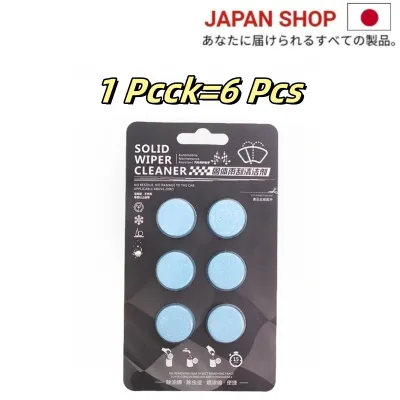
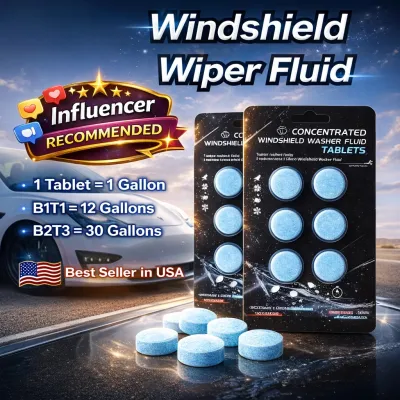
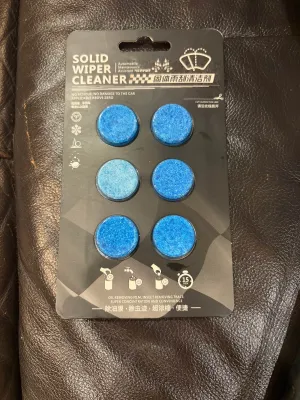
![[Buy 5 Take 5]Car Windshield Washer Fluid Concentrate Tablets Windshield Wiper Fluid 1Pcs Makes 4000ML Glass Water](https://img.lazcdn.com/g/p/9f8387a12a210a9733579f5b57303373.jpg_400x400q80.jpg_.webp)
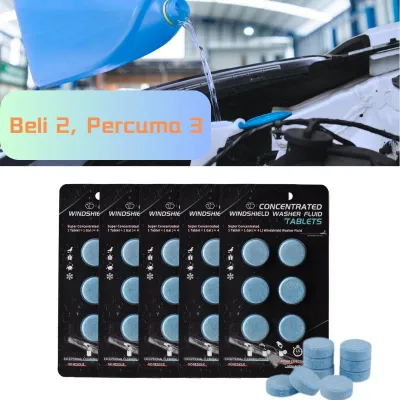
Prices are valid at publication and may change. Please refer to the product page for the latest price.
In the tropical climate of the Philippines, the water inside a parked vehicle’s reservoir can become quite warm, which generally aids the dissolution process. However, if a tablet is dropped directly into the tank without sufficient mixing or driving time, it may dissolve unevenly, leaving concentrated sediment at the bottom. This sediment can consist of binding agents used during the tablet manufacturing process, which do not always dissolve as cleanly as the active cleaning chemicals.
This undissolved residue poses a direct risk to your vehicle’s washer system components. Over time, tiny particles and binders can accumulate in the reservoir, eventually migrating into the fluid lines and clogging the fine mesh filters, the electric pump intake, or the spray nozzles. Vehicles equipped with modern, multi-port spray systems or fine mist nozzles are particularly vulnerable to these blockages, which can restrict fluid flow exactly when you need it most during a heavy downpour.
In contrast, pre-mixed liquid fluids and liquid concentrates exist in a pre-homogenized state, meaning the active ingredients are already uniformly suspended in the liquid. This eliminates the risk of dry binders settling in your tank or clogging your spray nozzles. When you pour a pre-mixed liquid into your reservoir, you receive a consistent concentration of cleaning agents from the very first spray to the last, with no waiting time or driving agitation required to activate the formula.
Regardless of which format you choose, verifying the manufacturer’s instructions on the product label is essential for achieving the correct concentration. Over-diluting a liquid concentrate or using too much water for a single tablet dilutes the active surfactants, rendering the solution ineffective against stubborn road film. Conversely, under-diluting can leave a sticky residue on your windshield that attracts dust and causes wiper blades to chatter or skip across the glass.
Assessing Cleaning Power for Heavy Rain and Mud
Evaluating the cleaning power of any washer fluid requires a close look at its active ingredients, which are typically listed on the product packaging. Surfactants are the primary cleaning agents responsible for lowering the surface tension of water, allowing it to wet the glass more evenly and lift away oily residues, bug splatter, and road grime. When comparing products, look for specific label claims regarding grease cutting, road film removal, or water-beading properties, which indicate the presence of specialized additives.

During the rainy season in the Philippines, sudden downpours can quickly turn dry road dust into a thick, muddy spray that coats your windshield. This environmental challenge increases your fluid consumption dramatically, as you must repeatedly spray the glass to maintain visibility. A high-concentration wash is necessary to cut through this heavy mud splatter quickly, preventing the wipers from simply smearing the dirt across your line of sight.
Relying on a poorly dissolved tablet or an overly diluted liquid fluid during severe weather can compromise your safety on the road. If the solution lacks a sufficient concentration of surfactants, it will fail to break down the oily film deposited by diesel exhaust and asphalt runoff. This results in a persistent haze or smear that catches the glare of oncoming headlights, severely reducing your visibility during night driving in heavy rain.
It is also important to recognize that even the most advanced washer fluid formulation cannot perform optimally if your wiper blades are in poor condition. Hardened, torn, or oxidized wiper rubber will leave streaks regardless of the fluid’s cleaning power. Additionally, if your windshield has an aftermarket hydrophobic coating, you must ensure that your washer fluid is compatible with that coating, as some harsh surfactants or alcohol-based fluids can prematurely strip away the water-repellent layer.
Storage Stability and Practicality in the Philippines
The tropical climate of the Philippines, characterized by high relative humidity and intense heat, plays a significant role in how automotive fluids should be stored. Windshield washer tablets are highly sensitive to moisture and require robust, airtight packaging to prevent premature degradation. If exposed to humid air inside a glove compartment or door pocket, tablets can absorb water vapor, causing them to swell, clump together, or lose their effervescent properties before they are ever used.
On the other hand, storing large plastic jugs of pre-mixed liquid fluid presents its own set of challenges in hot environments. When kept in a hot vehicle trunk or an unshaded garage, the air inside a plastic jug expands, which can lead to container deformation, leaks, or structural failure of the plastic over time. Furthermore, prolonged exposure to high temperatures can cause certain chemical stabilizers or colorants in liquid fluids to break down, potentially reducing their shelf life and effectiveness.
From a practical standpoint, tablets offer unmatched space efficiency and weight savings. A single card of ten tablets weighs only a few grams and can easily fit into your glove box, providing the equivalent of dozens of liters of washer fluid without taking up valuable cargo space. This eliminates the risk of carrying a heavy, sloshing plastic jug in your trunk, which can roll around, leak onto your upholstery, or add unnecessary weight to your vehicle.
To maximize the shelf life of either product, always refer to the storage guidelines provided by the manufacturer. Tablets should be kept in their original foil blisters or a sealed, airtight container in a cool, dry place. Liquid fluids should be stored upright with their caps tightly sealed, away from direct sunlight and extreme heat sources, to prevent evaporation and chemical degradation of the active ingredients.
Calculating True Cost and Dilution Value
When deciding between tablets and liquid fluids, comparing the upfront purchase price can be highly misleading. A pack of windshield washer tablets often appears significantly cheaper than a multi-liter bottle of pre-mixed fluid when viewed on an online marketplace or auto supply shelf. However, a true cost comparison requires calculating the cost per liter of the ready-to-use solution, factoring in the mixing medium and the required dilution ratios.
For example, if a single tablet priced at ₱50 is designed to be dissolved in four liters of water, the cost of the active ingredients is ₱12.50 per liter. If a concentrated liquid bottle priced at ₱300 can be diluted to make twenty liters of fluid, its cost is ₱15 per liter. While the tablet has a lower upfront cost, the concentrated liquid may offer comparable or even better value depending on the specific dilution ratio mandated by the manufacturer for heavy-duty cleaning.
Furthermore, you must account for the cost and availability of the water used to dissolve the tablets or dilute the concentrates. Using standard tap water is generally discouraged by automotive professionals because it contains dissolved minerals like calcium and magnesium. Over time, these minerals can precipitate out of the solution, leaving white scale deposits inside your reservoir, pump, and spray nozzles, which can lead to costly repairs.
To avoid mineral buildup, manufacturers recommend using distilled or highly filtered water when mixing tablets or concentrates. If you must purchase bottles of distilled water specifically for this purpose, the cost of that water must be added to the overall cost of the tablet solution. This additional expense can narrow the price gap between tablets and pre-mixed liquid fluids, which are already formulated with purified, demineralized water straight from the factory.
Decision Framework: Which Should You Keep in Your Car?
Selecting the right washer fluid format involves balancing your driving habits, vehicle specifications, and storage preferences. Windshield washer tablets are an excellent choice if your vehicle has limited storage space, you always keep a bottle of distilled water on hand for maintenance, and your car uses standard, single-stream spray nozzles. They are highly practical for emergency backups, allowing you to quickly mix a fresh batch of fluid while on a road trip without carrying bulky plastic containers.
Conversely, pre-mixed liquid fluids are highly recommended if you prioritize immediate, hassle-free performance and want to avoid the step of measuring and mixing water. They are also the safer choice for modern vehicles equipped with fine mist spray nozzles, as the factory-purified liquid guarantees there are no undissolved binders or mineral particulates that could clog the delicate spray orifices. This ensures a reliable, even spray pattern across your windshield during sudden, blinding rainstorms.
Before making your final purchase, always consult your vehicle owner’s manual to verify if there are specific fluid requirements or restrictions. Some manufacturers explicitly warn against using certain additives, such as silicone-based rain repellents or highly concentrated alcohols, which can damage the plastic reservoir, degrade rubber seals, or interfere with electronic fluid level sensors. Adhering to these guidelines is crucial for maintaining your vehicle’s warranty and ensuring the longevity of the washer system.
If you experience persistent issues with your windshield washer system, such as weak spray pressure, clogged nozzles, or a straining pump motor, stop using the current product immediately. Flush the reservoir thoroughly with clean water and inspect the system for visible blockages. If the problem persists or if you notice inadequate clearing of the glass that compromises your driving safety, consult a qualified automotive professional to diagnose and repair the system.
Frequently Asked Questions (FAQ)
Can I mix a windshield washer tablet with existing liquid fluid?
Mixing a windshield washer tablet directly into a reservoir that already contains a different liquid fluid is not recommended due to potential chemical incompatibilities. The surfactants, colorants, and additives in the existing liquid may react with the dry ingredients of the tablet, leading to chemical precipitation. This reaction can cause the active ingredients to clump together, forming a thick sludge or gel at the bottom of the reservoir that can easily clog your washer pump and spray nozzles.
To avoid these issues, it is best practice to completely drain or use up the existing fluid in your reservoir before switching to a different format or brand. Once the tank is empty, flush it with a small amount of clean, distilled water to remove any remaining residue. After flushing, you can safely add your newly mixed tablet solution or pre-mixed liquid fluid, ensuring optimal performance and preventing any unwanted chemical reactions inside your vehicle’s washer system.
Will using plain water with a tablet damage my wiper blades?
Using plain tap water to dissolve a washer tablet can indirectly damage your wiper blades over time due to mineral accumulation. Tap water contains dissolved minerals that, when sprayed onto a hot windshield, evaporate and leave behind hard water spots and microscopic mineral crystals. As your wiper blades sweep across these abrasive deposits, the delicate rubber edge of the blade can suffer micro-tears, leading to premature wear, streaking, and noisy operation.
To protect both your wiper blades and your washer system, always use distilled or demineralized water when dissolving washer tablets. Additionally, when purchasing tablets, check the product label to ensure the formulation includes lubricating agents. These lubricants are designed to reduce friction between the wiper rubber and the glass surface, preventing wiper chatter, minimizing wear on the blades, and ensuring a smooth, quiet sweep that maximizes visibility during heavy rain.
Community discussion
Share your experience or ask a question. Comments are reviewed before publication.