
Quick Answer: Choosing the Right Wiper Restorer for Heavy Rain
When facing the intense downpours of the tropical rainy season, no single wiper restorer brand stands out as a universal cure-all. The most effective product depends entirely on the current physical state of your wiper blades rather than a specific brand name.
If your wiper blades are physically torn, split, or warped, no chemical restorer can safely restore their function. However, if the rubber is structurally sound but suffering from surface oxidation, minor hardening, or light streaking, a restorer can extend their service life.
To make the right choice, use a simple conditional framework. Choose silicone-based coating restorers if you want to add a hydrophobic layer to sound rubber for better water shedding. Choose rubber-softening cleaners if your blades are stiff, squeaky, or skipping across the glass. Always check the manufacturer’s label to verify compatibility with your specific wiper material and windshield glass before purchasing.
Products mentioned in this guide
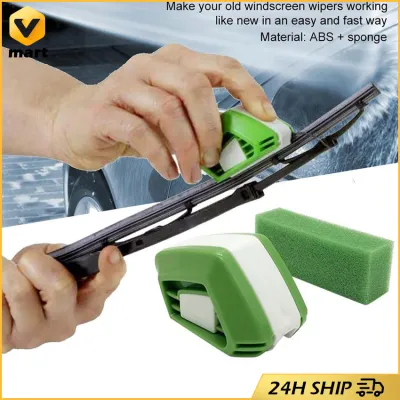
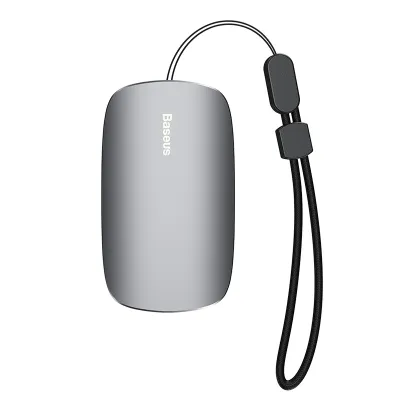
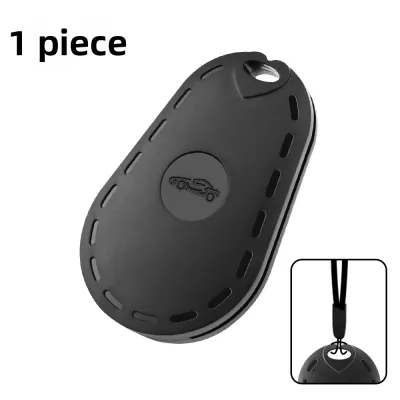
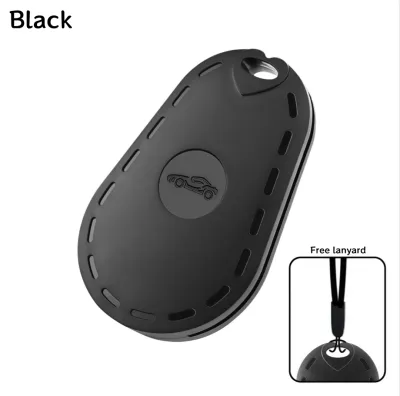
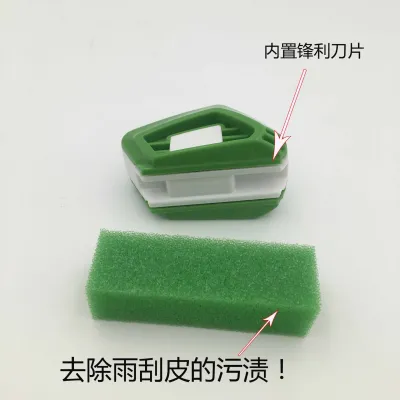
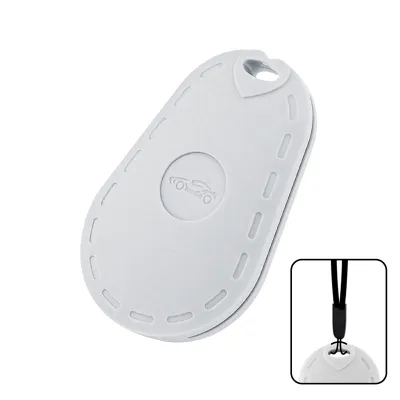
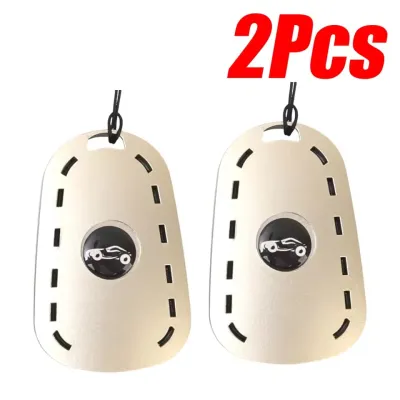
Prices are valid at publication and may change. Please refer to the product page for the latest price.
Key Decision Factors for Monsoon and Heavy Rain Performance
Evaluating a wiper restorer for severe weather requires looking past generic marketing promises. The intense monsoon rains in the Philippines demand specific performance characteristics from any glass or rubber treatment.

Streak Prevention Capability During heavy rain, even microscopic dirt buildup or minor surface rough spots on the rubber edge will leave wide bands of water on your windshield. A high-quality restorer must be able to dissolve stubborn road grime, oil films, and tree sap that regular car wash soap cannot remove. By stripping away this microscopic debris, the product allows the rubber edge to make continuous, uniform contact with the glass.
Rubber Flexibility Restoration Months of exposure to intense tropical sunlight and high engine bay heat bake natural rubber wiper blades, causing them to lose their elasticity. Hardened rubber cannot flex properly as the wiper arm changes direction, leading to noisy skipping and missed spots. The ideal restorer should contain conditioning agents that penetrate the outer layer of the rubber, temporarily restoring its pliable, springy characteristics.
Water Beading and Hydrophobic Effects In torrential downpours, the sheer volume of water can overwhelm standard wiper blades. Some restorers deposit a thin hydrophobic layer onto the rubber edge, which transfers to the windshield during use. This coating causes rainwater to bead up and blow away with the wind, significantly reducing the workload on your wiper motor and improving visibility during sudden cloudbursts.
Treatment Longevity Under Friction Continuous wiper operation during a long drive in a tropical depression creates immense friction between the rubber and the glass. A weak restorer will wash away or wear off within minutes of heavy use. You must look for formulations designed to bond chemically with the rubber substrate, ensuring the treatment survives hours of continuous wiping and high water volume.
Comparing Wiper Restorer Types and Formulations
Before shopping on online marketplaces or at local auto supply stores, you must understand that wiper restorers fall into two distinct chemical categories. Brand names are secondary to these underlying formulations, as each type solves a different kind of wiper degradation.
Silicone-Based Coating and Water Repellents
Silicone-based restorers work by depositing a micro-thin, slick barrier over the wiper blade’s edge. This chemical layer fills in microscopic pits and cracks along the rubber surface, creating a smooth contact point.
- Mechanism: The silicone or fluoropolymer ingredients bond to the rubber and transfer a water-repellent film to the windshield glass with every swipe.
- Best for: This formulation is highly suitable for wiper blades that are structurally intact but leave a thin, annoying water film or struggle to clear water quickly during heavy downpours.
- Limitations: If applied to heavily degraded or dirty rubber, silicone can cause severe smearing and night-time glare. It also requires meticulous glass cleaning beforehand to prevent uneven coating transfer.
Rubber Softening and Deep Cleaning Solutions
These products focus on rejuvenating the physical rubber element itself rather than adding an external coating. They often use mild solvents and plasticizers to strip away dead material and restore elasticity.
- Mechanism: The solution chemically dissolves the outer, oxidized layer of dried-out rubber, exposing a fresh, grippy, and flexible layer underneath.
- Best for: This type is ideal for older wipers that have become stiff, squeaky, or skip loudly across the windshield due to prolonged sun exposure.
- Limitations: These chemical softeners cannot repair physical splits, deep cracks, or chunks of rubber that have already torn away from the blade assembly.
How to Evaluate Brand Claims and Product Labels
With dozens of products available on ecommerce platforms, reading the fine print on product labels is essential to protect your vehicle and avoid buying ineffective formulas.
First, verify material compatibility. Most budget wiper blades are made of natural rubber, while premium blades often use silicone or synthetic compounds. Some chemical restorers designed for natural rubber can degrade or swell synthetic silicone blades. Look for explicit compatibility statements on the packaging.
Second, check for required preparation steps. Effective restoration is rarely a single-step process. If a product label claims to work instantly without requiring you to clean the glass or strip away old wax first, treat that claim with skepticism. The best results always require a clean, grease-free surface.
Third, read the safety warnings regarding surrounding materials. Wiper restorers are concentrated chemical formulas. Ensure the label states the product is safe if it accidentally contacts your car’s paint, plastic trim, rubber seals, or windshield-mounted ADAS camera sensors. Avoid products that do not clearly list these safety boundaries.
Finally, look for realistic instructions. Avoid brands that promise permanent restoration. A realistic product label will state that the treatment needs periodic reapplication, especially during seasons of heavy, continuous rain.
Step-by-Step Application and Safety Boundaries
To get the most out of your chosen wiper restorer and prevent accidental damage to your vehicle, follow this structured application process.
Pre-Application Inspection and Safety Prep Before touching the chemical product, inspect your wiper blades for physical damage. Lift the wiper arm away from the windshield.
Safety Warning: Spring-loaded wiper arms can snap back down with enough force to crack your windshield. Always place a thick, folded towel on the glass directly under the wiper arm while working to absorb any accidental impact.
Clean the wiper blades thoroughly using a microfiber cloth and mild soapy water or dedicated glass cleaner to remove loose dirt, sand, and road grit.
The Application Process Apply a small amount of the restorer to a clean applicator pad or microfiber cloth as directed by the manufacturer. Wipe the product along the rubber element in one smooth, continuous motion. Avoid using excessive pressure, which can warp the rubber. Allow the product to dwell for the exact time specified on the label, then use a clean, dry cloth to buff away any excess residue. Never let excess chemical run down into the wiper cowl or onto the vehicle’s paint.
Post-Application Testing Always test the wipers on a thoroughly wet windshield before driving. Spray your windshield washers or use a hose to wet the glass, then turn on the wipers. Never run treated wipers on dry glass, as this can cause immediate smearing, scratching, or damage to the newly restored surface.
Stop Conditions Immediately stop the process and wipe the product off if you notice the rubber beginning to swell, become sticky, or lose its structural shape. These are signs of chemical incompatibility, and continuing use will ruin the blade entirely.
When to Restore vs. Replace Your Wiper Blades
While wiper restorers are excellent maintenance tools, they have clear physical limits. Knowing when to stop restoring and start replacing is critical for your safety on the road.
Perform a visual and tactile check of your wiper blades. Run your finger gently along the rubber edge. If you feel deep cracks, missing chunks, or if the rubber has split away from its plastic backing, a restorer cannot help you. Additionally, if the wiper frame is bent or no longer applies even pressure across the glass, chemical treatments are useless.
Consider the age of your blades. In tropical climates with high UV exposure, natural rubber blades typically last six to twelve months. If your wipers are over a year old, the rubber has likely degraded throughout its entire thickness, making restoration attempts short-lived and ineffective.
Conduct a quick cost-benefit analysis. A bottle of quality wiper restorer generally costs between ₱300 and ₱800. While this bottle can last for multiple applications, a brand-new set of standard wiper blades often falls within a similar price range. If your current blades require constant reapplication of restorer every few days just to keep the glass clear, investing in new, high-quality blades is the safer and more cost-effective choice.
Never compromise on visibility. Driving through a heavy tropical storm with failing wipers puts you, your passengers, and other motorists at extreme risk. If a restorer does not immediately produce clean, clear sweeps during your wet-surface test, replace the blades immediately.
Frequently Asked Questions (FAQ)
Can I use a wiper restorer on silicone wiper blades?
You must exercise caution when applying chemical restorers to silicone wiper blades. Silicone blades operate differently than natural rubber; they naturally deposit a hydrophobic layer on your windshield through friction. Many chemical restorers, especially those containing strong solvents designed to strip oxidized natural rubber, can dissolve or damage this specialized silicone surface. Always read the product label carefully to ensure it is explicitly rated safe for silicone wiper elements before application.
How often should I apply wiper restorer during the rainy season?
There is no fixed calendar schedule for applying a wiper restorer. Instead, you should monitor your wipers’ actual performance on the glass. Coating-type restorers may need reapplication after several heavy downpours as continuous friction wears the hydrophobic layer away. Softening cleaners should only be used when you notice the first signs of minor squeaking or light streaking. Avoid over-applying chemical softeners, as excessive use can prematurely degrade and weaken the rubber structure.
Community discussion
Share your experience or ask a question. Comments are reviewed before publication.