
Choosing between a wired and wireless helmet intercom comes down to prioritizing consistent power reliability and budget versus modern convenience and cable-free mobility. Wired systems offer uninterrupted audio without battery worries, but they tether your helmet to the bike or a pocketed device. Wireless helmet intercoms utilize Bluetooth or mesh technology to eliminate physical cords entirely, allowing you to mount and dismount your motorcycle freely while enjoying seamless smartphone integration. In tropical riding environments where heavy downpours and high humidity are common, understanding how these connection types handle environmental stress and physical wear is essential for making a practical choice.
Evaluating Audio Quality and Clarity on the Road
A direct copper wire connection provides a highly stable audio signal that is completely immune to electromagnetic interference. In dense urban environments where wireless signals compete with cellular towers, Wi-Fi routers, and other riders’ devices, a wired connection remains clear and free from static. Similarly, when riding through remote mountainous terrain where wireless signals might struggle with pairing drops, a physical cable ensures your audio never stutters.
Wireless systems rely on radio frequencies, typically Bluetooth or proprietary mesh networks. While modern wireless protocols are highly advanced, they can still experience brief dropouts or static when passing through high-interference zones.
Products mentioned in this guide
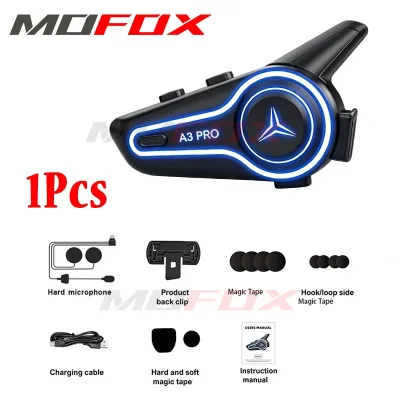
121 Lazada user ratings
🛠️Durability:goods 🔌Compatibility:goods 🎧Comfort:goods salamat seller working naman siya at maganda sana mag tagal siya sa bagyo at malakas n…Read full reviewShow less
🛠️Durability:goods 🔌Compatibility:goods 🎧Comfort:goods salamat seller working naman siya at maganda sana mag tagal siya sa bagyo at malakas na ulan ahaha...muka namang hindi papasukan ng tubig.🥰
🛠️Durability:good 🔌Compatibility:good 🎧Comfort:Average napaka easy lang nya I install, I'll order more of this , worth the wait din sita
Looks good and simple. it gets the job done
wala nman dumating n free headset mo
🎧Comfort:Clear sound
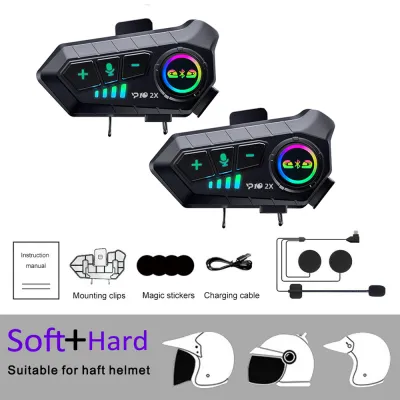
14 Lazada user ratings
Best Feature: 10/10 Product Quality: 10/10 Performance: Awesome Received intercom headset in good condition,magandang pagpipilian,salamat po…Read full reviewShow less
Best Feature: 10/10 Product Quality: 10/10 Performance: Awesome Received intercom headset in good condition,magandang pagpipilian,salamat po!
Nice quality, easy to connect. malinaw and di sumasagap ng wind noise, sana lang di mabilis mag drain ang battery. Thumbs up!!!!!
good 👌Ease of Use:good 🎧Sound Quality:good 🔋Battery Life:good
Quality:Good Appearance:Good Performance:Good
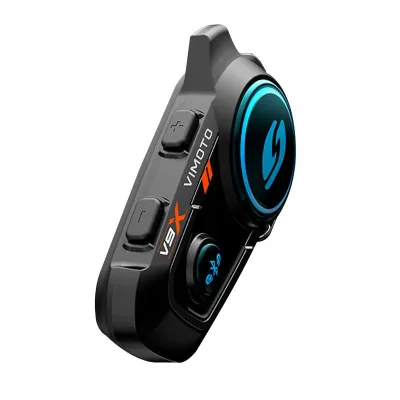
28 Lazada user ratings
ang quality sa item nga ni abot., di jud makaon sa iro., mga wala moy batasan., nagbayad kog tarong., tapos inyo lang binuangan ug padala., …Read full reviewShow less
ang quality sa item nga ni abot., di jud makaon sa iro., mga wala moy batasan., nagbayad kog tarong., tapos inyo lang binuangan ug padala., sana po madesgrasya kayo.
scam po kayo, Yung dumating na order steaker napakalayo sa items na sinasabi, sana poaging aware po mga mambibili wag po kayo papaloko sa mg…Read full reviewShow less
scam po kayo, Yung dumating na order steaker napakalayo sa items na sinasabi, sana poaging aware po mga mambibili wag po kayo papaloko sa mga modos nila
Their stickers are the best, super cool and stylish!
hindi naman Bluetooth sa helmet sticker lng pala
Prices are valid at publication and may change. Please refer to the product page for the latest price.
When shopping, look closely at the technical specifications provided by the manufacturer. Pay attention to the speaker driver size, which is typically measured in millimeters, such as 30mm or 40mm drivers. Larger drivers generally deliver fuller sound and better bass response, which is crucial for overcoming ambient road noise. Check the frequency response range to ensure the speakers can handle both clear high-pitched navigation prompts and deep low-end tones. Additionally, verify if the microphone features active noise cancellation or digital signal processing to filter out wind and engine noise.
No matter how advanced your intercom’s audio processing is, physical acoustics play a massive role. High speeds generate significant wind noise inside the helmet shell. To combat this, you must ensure proper physical earpad sealing and precise speaker placement. Position the speakers directly opposite your ear canals; even a few millimeters of misalignment can reduce perceived volume by half. Ensure your helmet’s internal padding seals comfortably around your ears to block out external wind rush, allowing the intercom audio to remain clear at lower, safer volume levels.
Comparing Convenience, Installation, and Helmet Compatibility
Installing a wired intercom requires careful routing of cables beneath the helmet’s comfort liner. You must secure physical connectors and ensure that the main cable has enough slack to allow comfortable head movement without pulling on the ports. This physical tether means every time you take off your helmet, you must manually disconnect the cable, which can be tedious during quick stops at gas stations or convenience stores.

Wireless units mount directly to the exterior of the helmet shell using either a clamp-on bracket or a heavy-duty adhesive mount. The speakers and microphone still route internally, but there are no external cables dangling down to your motorcycle or phone. This makes helmet removal completely seamless and reduces wear on physical ports.
Before purchasing any intercom system, you must verify your helmet’s physical compatibility. Check the manufacturer’s documentation for your specific helmet model to see if it features dedicated speaker pockets cut into the protective foam liner. If your helmet lacks these pockets, installing thick speakers can press painfully against your ears, causing severe discomfort during long rides. Additionally, inspect the thickness of the helmet’s lower shell rim to ensure a standard clamp mount can secure the wireless unit, or verify that the shell surface is flat enough to accept an adhesive mount.
One of the most significant advantages of wireless helmet intercoms is their ability to pair with multiple devices simultaneously. Modern Bluetooth chips allow you to connect your intercom to your smartphone for music and calls, while concurrently linking to a dedicated GPS navigator or your motorcycle’s digital dashboard. This level of integration is rarely possible with basic wired setups, which typically support only a single physical audio input.
Assessing Battery Life and Power Management Needs
Wireless intercoms rely entirely on internal rechargeable batteries, making power management a critical consideration. When evaluating wireless models, carefully read the manufacturer’s rated talk-time and standby-time specifications. Keep in mind that these ratings are often established under ideal laboratory conditions. In real-world tropical riding, extreme heat and high humidity can accelerate battery discharge rates, reducing the actual operating time.
Plan your charging routines around your typical riding habits. Look for wireless units that utilize standard USB-C charging ports rather than proprietary cables, as this allows you to use the same charger as your smartphone. If you plan multi-day tours or long-distance rides through rural provinces, you must manage your power carefully, ensuring you have access to a reliable power bank or a USB charging port installed on your motorcycle’s handlebars.
This is where wired systems offer a reliable fail-safe advantage. Because they draw power directly from the host device or require no external power at all for basic audio, wired setups completely eliminate battery anxiety. For long-distance touring riders who spend days away from reliable electrical outlets, a wired system ensures you will never be left in silence due to a dead battery.
Decision Framework: Choosing the Right Intercom for Your Rides
A wired setup is highly suitable if you prioritize zero charging requirements, operate on a strict budget, or frequently ride in areas with high wireless signal congestion. It is also an excellent choice for riders who prefer simple, plug-and-play audio without the need to manage device pairing, firmware updates, or battery health over years of ownership.
Conversely, a wireless helmet intercom is the ideal choice if you value cable-free convenience, require seamless integration with multiple devices like your phone and GPS, and can easily maintain a consistent charging routine. The freedom of removing your helmet without unplugging cables makes it highly practical for daily commuting and social group rides where communication with other riders is essential.
Before finalizing your purchase, always verify your helmet’s internal clearance and the retailer’s return policy. Because helmet shapes and ear structures vary wildly, physical fitment is highly subjective. Check the dimensions of the intercom speakers against your helmet’s speaker pockets, and ensure you can test the fitment comfortably before committing to a permanent installation.
Frequently Asked Questions (FAQ)
Are wireless helmet intercoms legal to use while riding in the Philippines?
Yes, but you must remain compliant with local regulations. Always verify the latest Land Transportation Office (LTO) guidelines regarding distracted driving and helmet modifications. Under the Republic Act No. 10913 (Anti-Distracted Driving Act), using hands-free communication devices is generally permitted, provided it does not obstruct your line of sight or interfere with safe vehicle operation. Additionally, ensure that the intercom’s mounting bracket or adhesive does not alter the structural integrity of your helmet or violate standard safety certifications, such as the UNECE or local ICC sticker requirements.
Can I use my existing wired headphones with a wireless intercom?
Some wireless intercom main units feature an auxiliary audio output jack that allows you to plug in standard wired headphones or high-fidelity in-ear monitors. However, this often requires specific adapters or proprietary cables provided by the manufacturer. You should never attempt to splice, cut, or modify helmet wiring or use non-standard audio jacks, as doing so can permanently damage the electronics, compromise the unit’s weather resistance against heavy tropical downpours, and void the manufacturer’s warranty. Always consult the product manual for approved audio accessories.
Community discussion
Share your experience or ask a question. Comments are reviewed before publication.