
Navigating the congested streets and tight parking spaces of urban centers in the Philippines can be an incredibly stressful experience for any driver. Whether you are squeezing into a narrow parallel spot in Metro Manila or reversing out of a busy driveway during a sudden tropical downpour, having a clear view of what is behind your vehicle is essential for safety. Installing a reverse camera is one of the most effective ways to eliminate blind spots, but choosing between a wired and a wireless system can be challenging. Wired systems offer unmatched signal reliability and consistent video quality but require a complex, labor-intensive installation process through the vehicle’s cabin. Conversely, wireless systems install quickly with minimal physical disruption to your interior trim but are more susceptible to signal latency, electronic interference, and long-term power management issues. Deciding which system to install requires balancing your technical DIY comfort level, your vehicle’s layout, and your tolerance for potential signal disruptions.
How Do Installation Requirements Differ Between Wired and Wireless Reverse Cameras?
Wired reverse cameras require routing a physical video cable from the rear bumper to the dashboard display, whereas wireless systems transmit video over radio frequencies or Wi-Fi, requiring only local power connections. This fundamental difference in architecture dictates the amount of physical labor, tools, and vehicle modifications you must prepare for before beginning the installation process.
For a wired system, the primary challenge lies in routing the video cable (typically an RCA or proprietary multi-pin cable) through the entire length of the vehicle cabin. This process involves removing interior trim panels, door sill plates, and sometimes sections of the headliner or carpeting to conceal the wire safely. You must also route the cable from the exterior license plate or bumper area into the trunk or tailgate, which requires passing through existing rubber weather-stripping grommets or drilling a new hole that must be carefully sealed against tropical moisture. If your vehicle features side-curtain airbags, routing wires along the pillars requires extreme caution to ensure the cable does not obstruct airbag deployment paths.
Products mentioned in this guide
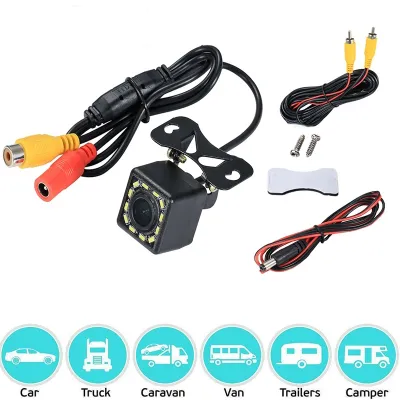
11 Lazada user ratings
🛠️Durability:good
📏Accuracy:good
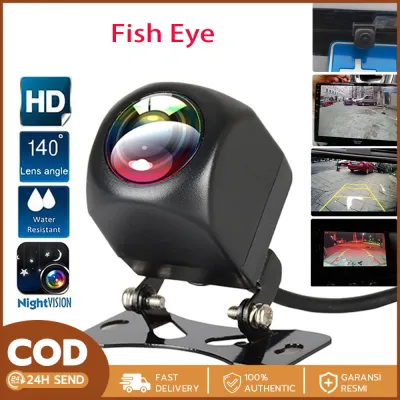


862 Lazada user ratings
The item is in good condition. Well packaged and was shipped early. Price vs quality is good. Tatagal naman siguro ung item. Anyway thank yo…Read full reviewShow less
The item is in good condition. Well packaged and was shipped early. Price vs quality is good. Tatagal naman siguro ung item. Anyway thank you seller and lazada! ayos lexph ambilis lagi 1 day lng to bulacan. Godbless.
Enhances visibility in low-light conditions., Durable and sturdy construction., Impressive starlight night vision., Clear and wide-angle vie…Read full reviewShow less
Enhances visibility in low-light conditions., Durable and sturdy construction., Impressive starlight night vision., Clear and wide-angle view.,
works as intended, need lang iadjust yung angle ng cam but it's ok for it's price. a steal tbh. item is legit, thank you
Bang for the buck! Looks more clear than my previous installed cam too. I haven't tried it on night yet. Thanks!
I had installed and tested the camera. Hope will last it. Thank you Seller, Lazada and delivery man.
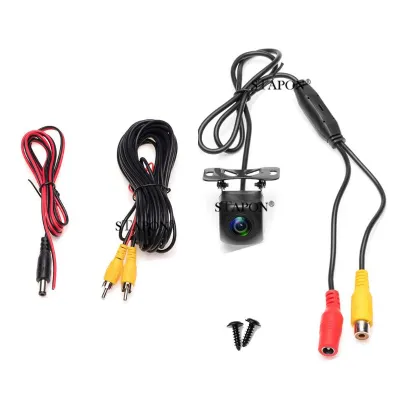
3,597 Lazada user ratings
Great value for the price, malinaw at maliwanag sa dilim. pininturahan ko Ng puti para mag camouflage sa kulay Ng car ko. para di rin pansin…Read full reviewShow less
Great value for the price, malinaw at maliwanag sa dilim. pininturahan ko Ng puti para mag camouflage sa kulay Ng car ko. para di rin pansinin
Great value for the price, Enhanced safety with wide-angle lens, 🔧Ease of Installation:Plug and Play basta bili ka lang Harness
Excellent product. Plug and play device. Worked well with Android auto, Honda Civic. Bang for your buck!
goods nmmn item . dko palng naikabit
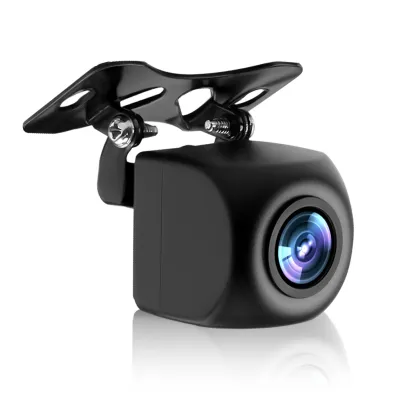
70 Lazada user ratings
Clear and sharp night vision, Easy to install and set up, Reliable performance and functionality, High-definition image quality,
Thank you so much Essgoo for promptly sending me another AHD rear camera as a replacement for the defective one.
Super clear image from the camera, safely packaged and complete hardware from the box! Really great quality.
Provides a clear view of the rear, High-definition image quality, Enhances safety while reversing,
wide angle, malinaw.
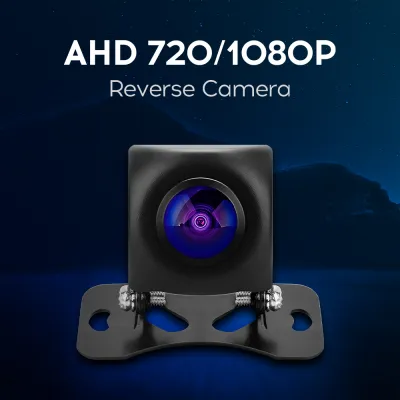
123 Lazada user ratings
Дом мой достроен, но я в нём один Хлопнула дверь за спиной Ветер осенний стучится в окно Плачет опять надо мной Ночью гроза, а наутро туман …Read full reviewShow less
Дом мой достроен, но я в нём один Хлопнула дверь за спиной Ветер осенний стучится в окно Плачет опять надо мной Ночью гроза, а наутро туман Солнце остыло совсем Давние боли идут чередой Пусть собираются все Дом мой достроен, но я в нём один Хлопнула дверь за спиной Ветер осенний стучится в окно Плачет опять надо мной Это судьба, а судьбу не могу Я ни о чём просить Только я знаю, как после меня Станут ветра голосить
second time to order from this shop. seller is responsive. interface resolution is good. back camera on reverse has decent resolution. Recom…Read full reviewShow less
second time to order from this shop. seller is responsive. interface resolution is good. back camera on reverse has decent resolution. Recommended!!
Perfect for parking in tight spaces., Crystal clear image quality., Great value for the price.,
Waterproof design works perfectly., Sturdy build quality., Wide view angle covers blind spots.,
Prices are valid at publication and may change. Please refer to the product page for the latest price.
In contrast, a wireless reverse camera eliminates the need to run a long video cable across the cabin. Instead, the camera connects to a small transmitter mounted near the rear of the vehicle, which communicates wirelessly with a receiver integrated into or positioned near your dashboard monitor. While this significantly reduces the physical labor of pulling apart your car’s interior trim, it does not make the system entirely wireless. Both the camera and the transmitter still require a reliable power source.
Powering either system typically involves tapping into the vehicle’s reverse light circuit. This electrical connection serves a dual purpose: it provides the necessary 12-volt power to the camera and signals the monitor to display the video feed automatically when you shift into reverse gear. Splicing into factory wiring harnesses carries inherent risks, particularly in modern vehicles equipped with complex CAN bus electrical systems that monitor voltage drops. Using improper splicing techniques can trigger dashboard error lights or damage sensitive electronic control modules. To maintain safety and preserve your vehicle’s warranty, always consult the manufacturer’s official wiring diagram, use high-quality fuse taps where applicable, and seek the assistance of a qualified auto electrician if you are uncomfortable with automotive electrical work.
Which System Provides More Reliable Signal Stability and Video Quality?
Wired reverse cameras provide consistently stable, lag-free video quality because the physical coaxial or RCA cable is immune to external wireless interference. Wireless systems, while improving, can experience signal dropouts, screen flickering, or transmission delays depending on environmental obstructions and nearby electronic activity. Understanding these performance differences is crucial for evaluating how each system behaves during real-time parking maneuvers.

The primary drawback of wireless transmission is its susceptibility to electromagnetic and radio frequency interference. The 2.4 GHz frequency band commonly used by budget-friendly analog wireless cameras is highly crowded, shared by Bluetooth devices, smartphones, dashcams, and portable Wi-Fi hotspots. When driving through dense urban areas, commercial districts, or near high-voltage power lines, a wireless camera feed can suffer from static, rolling lines, or complete signal dropouts. Digital wireless systems mitigate this issue by pairing the transmitter and receiver on a dedicated, encrypted channel, but they are still subject to physical signal degradation when transmitting through the dense metal chassis, engine blocks, and safety glass of larger vehicles.
Video latency—the delay between the actual movement of the vehicle and the image displayed on the screen—is another critical factor. Wired connections transmit video signals at the speed of electricity, resulting in virtually zero perceptible latency. Wireless systems must compress, transmit, and decompress the video data, which introduces a slight delay. Even a latency of half a second can have safety implications; if you are reversing at a moderate speed, your vehicle can travel several feet before an obstacle, pedestrian, or sudden hazard appears on your monitor.
It is important to clarify that core image attributes such as resolution, field of view, and low-light performance are determined by the camera’s sensor and lens specifications rather than the transmission method. A high-quality CMOS or CCD sensor with high-dynamic-range (HDR) capabilities and infrared night vision will deliver excellent image clarity regardless of whether it is wired or wireless. However, a wireless connection can bottleneck that quality, reducing a high-definition feed to a grainy, compressed image on your screen during periods of poor signal strength. If absolute real-time precision and uncompromised image clarity are your top priorities, a wired system remains the standard.
What Are the Long-Term Maintenance and Troubleshooting Differences?
Wired systems demand periodic checks of physical connectors and protective grommets to prevent moisture ingress, while wireless systems require monitoring battery health, transmitter pairings, and wireless module degradation. Over time, environmental exposure and vehicle vibrations will test the durability of both configurations, leading to distinct troubleshooting paths.
For wired installations, the most common failure points are physical in nature. The exposed wiring near the rear bumper and license plate is constantly subjected to road debris, water splashes, and high humidity. In the tropical climate of the Philippines, where heavy monsoon rains and flooding are common, any compromise in the camera’s weatherproofing or the protective grommets routing the cable into the cabin can lead to corrosion. Corrosion at the connector joints can cause intermittent signal loss, static, or a completely blank screen. Maintenance involves inspecting these connection points annually, ensuring they are wrapped in marine-grade heat-shrink tubing or electrical tape, and verifying that rubber grommets remain pliable and watertight.
Wireless systems introduce a different set of maintenance challenges, particularly regarding power management. While some wireless cameras tap into the reverse light wiring for power, others utilize built-in rechargeable batteries or integrated solar panels to achieve a truly wire-free installation. Battery-powered units are highly susceptible to degradation over time, especially when exposed to the intense heat of vehicles parked under direct tropical sunlight. Solar-powered models may struggle to maintain a sufficient charge during prolonged rainy seasons or when parked in covered garages, requiring you to manually remove the unit for USB charging.
When troubleshooting a malfunctioning system, a wired setup offers a more straightforward diagnostic path: you can use a multimeter to check for 12-volt power at the camera tail and trace the physical cable for pinches or breaks. Diagnosing a wireless system requires checking for wireless interference, re-pairing the transmitter and receiver modules, and verifying that the internal antennas have not shifted or sustained water damage. If a system continues to exhibit flickering, blank screens, or erratic behavior after basic fuse and power checks, stop troubleshooting to avoid damaging your vehicle’s electrical system and consult a professional auto electrician.
How Do You Decide Which Reverse Camera Type Fits Your Vehicle and Budget?
Choosing between wired and wireless systems depends on your vehicle’s physical length, your willingness to perform invasive cabin disassembly, and your total budget including installation labor. By evaluating these factors systematically, you can select a system that provides the best balance of convenience, reliability, and cost-effectiveness for your specific driving needs.
Vehicle dimensions play a decisive role in this choice. Standard sedans, hatchbacks, and compact crossovers have relatively short cabins, making the process of routing a physical cable manageable for a dedicated DIY enthusiast. For these vehicles, a wired system is highly recommended due to its lower hardware cost and permanent reliability. On the other hand, large pickup trucks, delivery vans, SUVs, and trailers present significant challenges for cable routing. Running a wire from the back of a long trailer to the tow vehicle’s dashboard is incredibly complex and often requires specialized quick-disconnect connectors. In these scenarios, a heavy-duty digital wireless system is highly practical, saving hours of labor and avoiding the need to run cables underneath the vehicle chassis where they are exposed to road hazards.
Your budget must account for both the initial purchase price of the hardware and the potential cost of professional installation. On online marketplaces and local automotive accessory shops in the Philippines, basic wired camera kits are generally more affordable than digital wireless kits of comparable sensor quality. However, if you do not plan to install the system yourself, you must factor in local labor rates. Professional installation fees for a wired camera in the Philippines typically range from ₱1,500 to ₱5,000 or more, depending on the complexity of your vehicle’s interior trim and whether the camera must integrate with a factory infotainment screen. A wireless system, being much faster to install, can significantly reduce these labor costs, sometimes making the total cost of ownership comparable to a professionally installed wired system.
Finally, verify compatibility with your existing dashboard setup. Many modern vehicles feature factory infotainment screens that require specific video input interfaces or software decoding modules to accept aftermarket camera feeds. Other options include aftermarket double-DIN Android head units, which usually feature standard RCA video inputs, or standalone dashboard monitors and smart rearview mirrors that clip over your existing mirror. Always check the input specifications, connector types, and voltage requirements of your display unit before purchasing any reverse camera system to ensure seamless integration and safe operation.

Community discussion
Share your experience or ask a question. Comments are reviewed before publication.