
Choosing between a wired and wireless reverse camera for your car comes down to balancing installation effort against signal reliability. If you prioritize a flawless, lag-free video feed and do not mind routing cables through your vehicle’s interior panels, a wired system is the gold standard. Conversely, if you want a straightforward DIY project that avoids tearing up your car’s cabin trim, a wireless system offers a highly convenient alternative, provided you select a model with robust signal transmission.
Both systems serve the same fundamental purpose of eliminating blind spots behind your vehicle, but they achieve this through vastly different engineering approaches. Understanding these differences, along with their installation demands and real-world performance limits, will help you make an informed decision that matches your technical skills and driving needs.
Core Differences Between Wired and Wireless Reverse Cameras
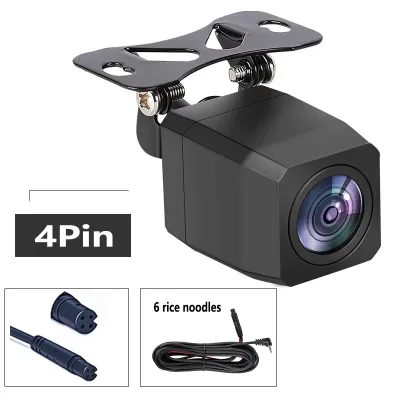
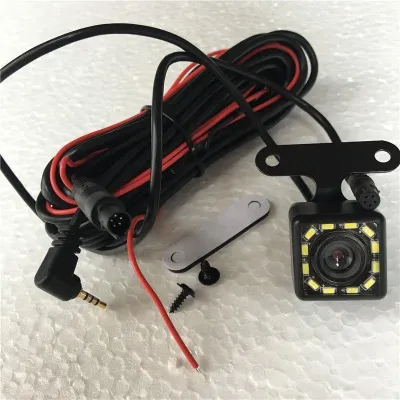
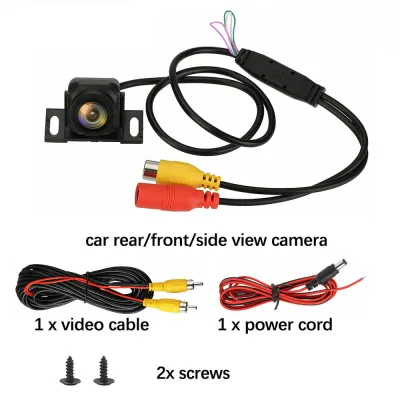
The primary distinction between wired and wireless reverse cameras lies in how they transmit the video signal from the rear bumper to the display screen on your dashboard. A wired system relies on a physical video cable—typically an RCA coaxial cable or a proprietary multi-pin wire—that physically connects the camera to your head unit or monitor. This physical link ensures that the video data has a direct, shielded path, completely immune to external electromagnetic interference.
Products mentioned in this guide
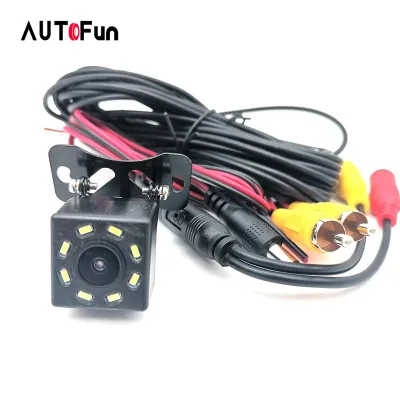

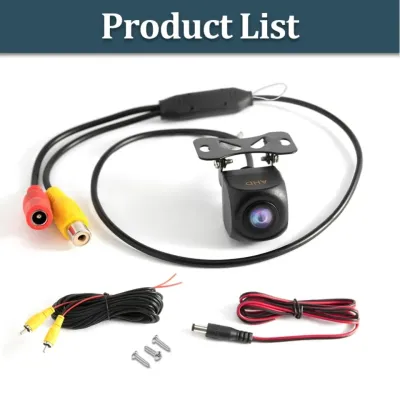
Prices are valid at publication and may change. Please refer to the product page for the latest price.
In contrast, a wireless reverse camera system replaces the long video cable with a transmitter and a receiver. The camera connects to a small transmitter mounted in the rear of the vehicle, which broadcasts the video signal over radio frequencies (typically 2.4GHz or 5.8GHz digital signals) to a receiver positioned near the dashboard display. While this eliminates the need to run a cable through the length of the car, it introduces wireless components that must successfully communicate through the vehicle’s metal body and interior structures.
Power sourcing also differs between the two configurations. Both systems generally require a connection to the vehicle’s 12V electrical system, most commonly by tapping into the reverse light circuit so the camera only powers on when you shift into reverse. However, some wireless models offer alternative power solutions, such as integrated solar panels or rechargeable battery packs, which can eliminate the need for any electrical splicing at the rear of the vehicle. A standard wired setup, on the other hand, always requires a physical power connection to operate both the camera and the automatic screen-trigger wire.
Installation Complexity and Vehicle Compatibility
Installing a wired reverse camera is a labor-intensive process that requires patience and a basic understanding of automotive trim removal. To route the video cable, you must lead it from the license plate or trunk lid, through the flexible rubber conduit that protects wires passing into the main chassis, and down along the floorboards or door sills. This process requires removing plastic trim panels, scuff plates, and sometimes parts of the dashboard to reach the back of your head unit.

Wireless systems greatly simplify this process by eliminating the long cabin run. You only need to mount the camera at the rear, connect its short power lead to the reverse light wiring, and mount the receiver or monitor on your dash or windshield. This makes wireless cameras highly attractive for older vehicles, larger vans, or SUVs where routing a physical cable through a long, complex cabin is exceptionally difficult.
Regardless of the system you choose, tapping into your vehicle’s electrical system requires strict adherence to safety boundaries. Before performing any electrical work, always disconnect the negative terminal of your car battery to prevent accidental short circuits or blown fuses. Use a digital multimeter to verify the correct positive and negative wires on your reverse light harness; never rely solely on wire color guides, as these can vary by vehicle model year and production run. Avoid twisting bare wires together with electrical tape; instead, use soldered connections protected by heat-shrink tubing or high-quality waterproof crimp connectors. If your vehicle uses a complex Controller Area Network (CAN bus) system, tapping directly into the tail lights can trigger dashboard error codes or damage sensitive electronics, meaning you should consult a qualified automotive electrician before proceeding.
Before purchasing any camera system, you must also verify your head unit’s compatibility. Check your display’s documentation to confirm which video input formats it supports, such as Analog High Definition (AHD) or standard Composite Video Baseband Signal (CVBS). Additionally, verify whether your head unit requires a dedicated reverse trigger wire to automatically switch the screen to the camera feed when the reverse gear is engaged, as some aftermarket screens handle this via the video signal itself while others require a physical 12V trigger connection.
Signal Reliability and Video Quality in Real-World Conditions
Real-world performance is where the differences between these two technologies become most apparent. A hardwired connection delivers an uninterrupted, high-definition video feed with virtually zero latency. Because the signal travels through a shielded copper wire, it remains completely unaffected by external environmental factors, ensuring you see obstacles in real time the moment you shift into reverse.
Wireless systems, while highly convenient to install, are inherently susceptible to signal dropouts and latency. In dense urban areas, residential neighborhoods with strong Wi-Fi networks, or near high-voltage power lines, the 2.4GHz frequency band can become congested, leading to static, screen flickering, or temporary signal loss. Furthermore, physical obstacles such as the vehicle’s steel frame, heavy cargo, or a long trailer can weaken the wireless signal, resulting in a noticeable delay between your car’s actual movement and the image shown on the screen.
Environmental conditions in tropical climates can also impact performance. Heavy monsoon downpours and high humidity can degrade wireless signal propagation through the air, while intense cabin heat—which can easily exceed 50°C when parked under direct sunlight—can stress the electronic components inside wireless transmitters. To mitigate these risks, look for wireless cameras that specify “digital wireless” transmission, which uses encrypted pairing to prevent interference from other devices, rather than older analog wireless systems.
When evaluating options, always check the manufacturer’s technical specifications rather than relying on generic marketing claims. Look for an Ingress Protection (IP) rating of IP67 or IP68 to ensure the camera housing is completely sealed against dust and heavy rain. Additionally, check the camera’s low-lux rating or the presence of infrared LEDs to ensure reliable night-vision performance, and verify the stated transmission range to ensure it comfortably exceeds the physical length of your vehicle.
Cost, Maintenance, and Long-Term Value
When budgeting for a reverse camera, you must weigh the upfront hardware cost against potential installation fees. Wired camera kits are generally more affordable to purchase because they do not require expensive transmitter and receiver hardware. However, if you are not comfortable removing your car’s interior trim and splicing into its wiring, professional installation labor in the Philippines can range from ₱1,500 to ₱4,000 or more, depending on the complexity of your vehicle’s cabin and dashboard layout.
Wireless kits typically carry a higher upfront retail price due to the integrated wireless technology. However, because they require minimal wiring, they are highly accessible as DIY projects, allowing you to save entirely on professional labor costs. This makes wireless systems a highly cost-effective choice for budget-conscious drivers who are willing to handle a simple mounting and power-tapping task themselves.
Long-term maintenance is another important factor to consider. In humid, tropical environments, moisture and salt air can accelerate the corrosion of electrical connections. For wired systems, you should periodically inspect the physical cable connections at the rear bumper and behind the head unit to ensure they remain dry and free of green copper corrosion. For wireless systems, maintenance involves checking that the transmitter housing remains sealed against moisture and that any battery-powered or solar-powered components are clean and holding a charge.
In terms of durability, a well-installed wired cable is highly protected inside the vehicle’s cabin panels and can easily last the lifetime of the car. Wireless transmitters, however, are exposed to constant heat cycles and electronic wear, meaning their internal components may have a shorter operational lifespan compared to a simple, passive copper wire.
Decision Framework: Which Reverse Camera Fits Your Needs?
To finalize your decision, evaluate your vehicle type, technical confidence, and performance expectations against the following criteria.
Choose a wired system if:
- You demand absolute signal reliability with zero video lag or screen static.
- Your vehicle already has a compatible aftermarket double-DIN head unit with a dedicated camera input.
- You plan to keep the vehicle long-term and want a permanent, highly durable safety upgrade.
- You are comfortable removing interior trim panels or are willing to pay for professional installation.
Choose a wireless system if:
- You want a quick, straightforward DIY installation that does not involve running cables through the cabin.
- You drive an older vehicle without a built-in screen and prefer a kit that includes a wireless rearview mirror monitor or dash-mounted display.
- You need a temporary or portable setup that can be easily transferred to another vehicle in the future.
- You drive a long vehicle, such as a pickup truck with a canopy or a utility van, where routing a physical cable is exceptionally difficult.
Verify first if:
- Local automotive regulations permit the mounting of a display screen on your dashboard or windshield without obstructing your forward view.
- Your chosen camera placement does not obscure your license plate numbers or light bulbs, which could lead to traffic violations.
- Your vehicle's electrical system requires a specialized CAN bus adapter to prevent electrical interference or dashboard warning lights when tapping into the reverse circuit.
Frequently Asked Questions (FAQ)
Can I install a wireless reverse camera on a vehicle with a factory-installed screen?
Installing an aftermarket wireless reverse camera on a factory-installed infotainment screen can be challenging because original equipment manufacturer (OEM) screens rarely feature standard RCA video inputs. These factory systems are typically designed to work exclusively with proprietary camera modules and wiring harnesses. To bridge a wireless receiver to a factory screen, you will generally need to purchase a vehicle-specific video interface module or adapter harness that can accept an aftermarket video signal. Before purchasing any hardware, consult your vehicle’s service manual or speak with a professional car audio installer to identify the exact interface requirements for your specific make, model, and year.
Do wireless reverse cameras drain the car battery when parked?
Whether a wireless reverse camera drains your car battery depends entirely on how its power source is wired. If the camera’s transmitter and the dashboard receiver are wired to a constant 12V power source (one that remains active even when the ignition is turned off), they will continuously draw power and can eventually drain your battery. To prevent this parasitic draw, the system should be wired to a switched power source, such as the reverse light circuit for the camera and an accessory (ACC) fuse for the monitor. This ensures the system only draws power when the vehicle is running or actively shifting into reverse. Independent battery-powered or solar-powered wireless cameras do not draw power from the vehicle’s main battery, as they rely entirely on their own internal power cells.
Community discussion
Share your experience or ask a question. Comments are reviewed before publication.