
Choosing the right reverse camera for your car involves balancing the absolute reliability of a physical connection against the convenience of a wireless setup. For most daily drivers in the Philippines, a wired reverse camera remains the definitive choice due to its zero-latency feed, resistance to tropical weather interference, and permanent integration into the vehicle’s electrical system. Wireless systems offer a compelling alternative for compact cars, older hatchbacks, or DIY enthusiasts who want to avoid the tedious process of pulling apart interior cabin panels and routing long cables.
To make the right choice, consider this quick decision framework:
- Choose a wired system if: You drive a large SUV, pickup truck, or van where distance and metal body panels degrade wireless signals; you require instant, lag-free video feedback the moment you shift into reverse; or your car has an existing aftermarket head unit with dedicated RCA video inputs.
- Choose a wireless system if: You drive a small hatchback or compact sedan; you want a non-destructive installation that can be easily removed or transferred; or you do not have the specialized trim-removal tools and time required to route cables from the license plate to the dashboard.
- Verify before purchasing: Whether your existing head unit supports standard analog video signals, if your vehicle uses a sensitive CAN bus electrical system that requires specialized wiring adapters, and if your rear license plate area provides a clear path for mounting without blocking the plate lights or trunk release button.
Wired Reverse Cameras: Reliability and Installation Realities
A wired reverse camera relies on a continuous physical cable to transmit video signals from the rear of the vehicle directly to the dashboard monitor. This connection typically uses a coaxial video cable, often integrated with a trigger wire, which runs the entire length of your vehicle’s cabin. The camera itself is mounted near the rear license plate, drawing power from the reverse light circuit, while the video signal travels forward through door sills, under carpets, and behind the dashboard to plug directly into your head unit’s camera input.
Products mentioned in this guide

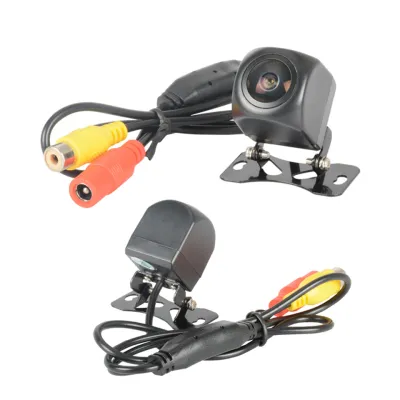
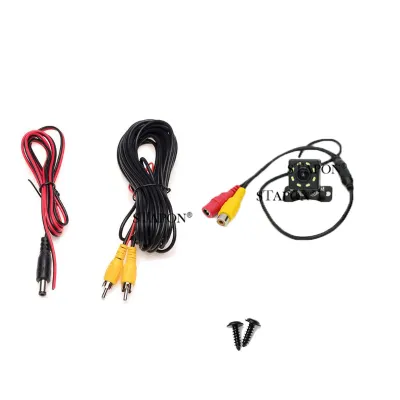
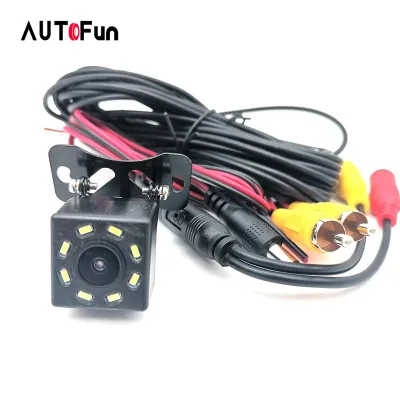

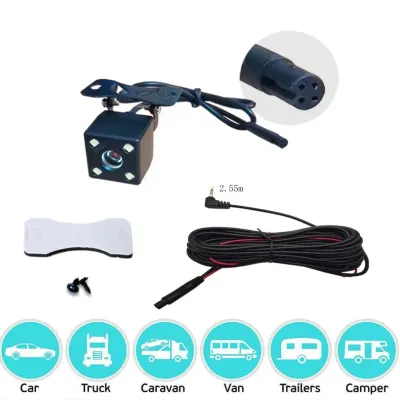
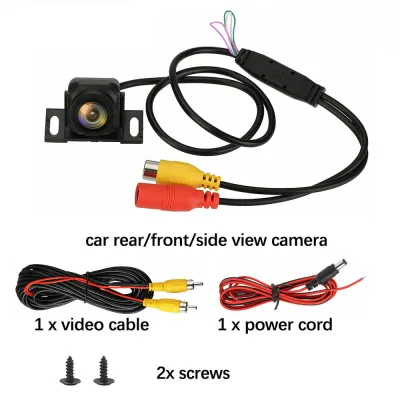
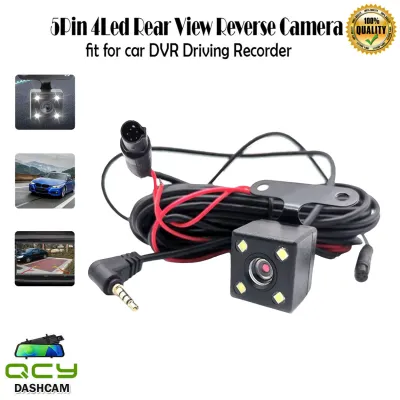
Prices are valid at publication and may change. Please refer to the product page for the latest price.
The primary advantage of a wired setup is its unmatched reliability. Because the video signal travels through a shielded copper or fiber-optic cable, it is completely immune to electromagnetic interference, radio frequency congestion, and severe weather conditions. When you shift into reverse, the physical trigger wire sends an instantaneous 12-volt signal to your head unit, switching the screen to the rear camera view with zero perceptible delay. This immediate response is crucial when backing out of tight parking spaces in busy commercial areas.
However, this rock-solid reliability comes at the cost of a highly labor-intensive installation process. Installing a wired camera requires a systematic disassembly of your vehicle’s interior trim. You must carefully pry open plastic sill plates, remove kick panels, and sometimes drop sections of the headliner to conceal the video cable safely. Passing the cable from the exterior license plate area into the cabin requires routing it through factory rubber grommets or the flexible tailgate boot in hatchbacks and SUVs, which can be incredibly tedious and risks tearing the weatherproofing seals if done improperly.
Wired systems are ideal for large family SUVs, mid-size pickups, and delivery vans where the physical distance between the rear bumper and the dashboard is substantial. These vehicles also feature thick metal bulkheads and cargo beds that can severely degrade wireless signals. For drivers seeking a clean, factory-style installation that functions flawlessly for years without signal drops, a hardwired camera is the industry standard.
Wireless Reverse Cameras: Convenience and Signal Constraints
Wireless reverse cameras eliminate the need to run a physical video cable through the length of your car’s interior. Instead, these systems utilize a radio frequency transmitter connected to the camera at the rear bumper and a corresponding receiver integrated into or connected to the dashboard monitor. The camera still requires a physical connection to a power source—typically the reverse light circuit—while the monitor at the front draws power from a 12V accessory socket or the vehicle’s fuse box.

The standout benefit of a wireless system is the significantly reduced installation effort. Because there is no long video cable to route, you avoid the risk of breaking fragile plastic trim clips, pinching wires under seat rails, or interfering with side-curtain airbags hidden behind the pillar trim. This makes wireless kits highly appealing to DIY hobbyists who want to upgrade their vehicle’s safety features over a weekend without paying professional installation fees.
Despite the convenience, wireless systems are subject to signal constraints that can affect daily usability. Most consumer-grade wireless cameras operate on the 2.4GHz frequency band, which is heavily congested with signals from mobile phones, portable Wi-Fi hotspots, and smart devices. In dense urban areas or congested parking structures, this congestion can manifest as screen static, horizontal lines, or temporary signal dropouts. Furthermore, wireless transmission introduces a slight processing delay, resulting in video latency where the image on your screen lags behind real-time movement by a fraction of a second.
These systems are best suited for compact hatchbacks, small sedans, or older vehicles where a complex interior teardown is not economically practical. They are also excellent for drivers who lease their vehicles or plan to sell them soon, as the entire system can be uninstalled in minutes without leaving permanent modifications or damaged trim panels behind.
Core Comparison: What Actually Matters for Your Daily Drive
Selecting between wired and wireless systems requires evaluating how each technology performs under real-world driving conditions, taking into account the unique environmental and structural challenges your vehicle faces daily.
Video Latency and Signal Stability
In parking safety, milliseconds matter. A vehicle moving backward at a slow crawl of 5 kilometers per hour covers approximately 1.4 meters every second. If a wireless camera experiences a latency delay of just half a second, your car will have moved 70 centimeters closer to an obstacle before you see the updated image on your screen. This delay can easily lead to minor collisions with low concrete barriers, parking posts, or low-profile motorcycles that are common on local roads.
Signal stability is also highly dependent on your surroundings and vehicle construction. In major metropolitan areas with high radio frequency density, wireless signals must compete with thousands of active devices. Additionally, heavy tropical rainfall and high humidity can absorb and scatter high-frequency radio waves, further degrading wireless video quality. Wired systems bypass these environmental obstacles entirely, delivering a crisp, high-definition, and instantaneous video feed regardless of weather conditions or local signal congestion.
Installation Effort and Interior Teardown
The physical labor required for a wired installation is extensive and demands a high level of patience and proper tools. To run the video cable cleanly, you must use plastic trim removal tools to pop off door sill covers, B-pillar plastics, and glovebox assemblies without scratching the interior. You must also ensure the cable is routed away from moving parts, such as seat tracks and steering columns, and that it does not cross over safety components like side-curtain airbag deployment zones.
In contrast, a wireless installation minimizes interior disruption. You only need to mount the camera near the license plate, run a short wire to the reverse light bulb socket inside the trunk or tailgate, and mount the transmitter nearby. Up front, the monitor or receiver simply plugs into your accessory outlet or head unit. This drastically reduces the time spent inside a hot vehicle cabin and eliminates the risk of introducing annoying interior rattles caused by improperly reinstalled trim panels.
Power Taps and Monitor Compatibility
Both wired and wireless cameras require a reliable power source to function. The standard method involves splicing into the positive wire of the reverse light bulb socket. This ensures that the camera only receives power and transmits video when the transmission is shifted into reverse gear. However, before making any connections, you must verify your vehicle’s electrical configuration.
Many modern vehicles use Pulse-Width Modulation (PWM) to control the voltage sent to the taillights, which helps extend bulb life and enables bulb-out warning systems. If you tap a camera directly into a PWM-controlled reverse light circuit, the camera will receive pulsed, unstable power. This results in severe screen flickering, rolling static lines, or the camera failing to turn on entirely. To resolve this, you must install a 12V automotive relay or a power signal rectifier filter, which takes the pulsed signal from the reverse light as a trigger but draws clean, constant DC power directly from a fused accessory source or the battery.
Additionally, check your dashboard display compatibility. If you plan to use an existing aftermarket head unit, it must have an RCA camera input and a reverse trigger wire input. Wired cameras plug directly into these ports. If you choose a wireless camera, you must ensure the wireless receiver output matches your head unit’s input ports, or opt for a complete kit that includes its own standalone monitor that mounts to your dashboard or clips over your existing rearview mirror.
Cost Factors and Professional Installation Considerations
The total cost of adding a reverse camera to your vehicle depends on the hardware kit you select and whether you choose to perform the installation yourself or hire a professional auto electrician.
Hardware costs for basic wired cameras are generally lower than their wireless counterparts. A high-quality, weather-resistant wired camera can be purchased for around ₱500 to ₱1,500, though this assumes you already have a compatible screen installed in your car. Complete wired kits that include a standalone dashboard monitor typically range from ₱1,500 to ₱3,000. Wireless kits are more expensive due to the integrated transmitter and receiver electronics, with decent digital wireless packages starting at ₱2,500 and heavy-duty or multi-camera systems reaching ₱6,000 or more.
However, the financial comparison shifts dramatically when professional labor is factored in. Because a wired installation requires hours of meticulous trim removal, cable routing, and dashboard disassembly, professional automotive shops in the Philippines typically charge between ₱1,500 and ₱3,500 for labor, depending on the vehicle’s make and model. Wireless installations are much simpler, resulting in lower professional labor fees—usually ranging from ₱500 to ₱1,200—or saving you that cost entirely if you complete the installation as a DIY project.
You should strongly consider hiring a professional auto electrician if your vehicle features a complex CAN bus electrical system, integrated factory infotainment screens that require specialized video interface modules, or if you are uncomfortable splicing into your vehicle’s factory wiring harness. Modern vehicles are highly sensitive to voltage changes, and improper splicing can trigger dashboard warning lights, void your vehicle’s electrical warranty, or damage expensive electronic control modules.
Safety Boundaries and Electrical Precautions
Working on your vehicle’s electrical system carries inherent risks of short circuits, component damage, and personal injury. Adhering to strict safety boundaries is essential before beginning any installation or modification work.
Power Isolation Before touching any wiring, splicing into circuits, or removing your head unit, always disconnect the negative (-) terminal of your car’s battery. This simple step isolates the vehicle’s electrical system, preventing accidental short circuits that can blow fuses, damage sensitive sensors, or trigger airbag deployment.
Manual Verification Never rely solely on generic online wiring diagrams or forum posts for wire colors, as manufacturers frequently change wire specifications between model years and trim levels. Always consult your vehicle’s specific factory service manual to verify the exact wire colors and pin locations for your reverse lights and head unit connections. Use a digital multimeter to test and confirm the positive and negative wires of your reverse light circuit while the parking brake is fully engaged and the vehicle is safely shifted into reverse with the engine off.
Proper Connections Avoid using cheap PVC electrical tape for permanent wire connections. High cabin temperatures in tropical climates can exceed 50°C when parked in direct sunlight, causing electrical tape adhesive to melt, slide, and expose bare wires to short circuits. Instead, use high-quality wire taps, or solder the wire joints and seal them with adhesive-lined, marine-grade heat shrink tubing to protect against moisture and vibration. Always install an inline fuse (typically 1A to 2A) on the camera’s positive power wire to protect the vehicle’s electrical system from damage if the camera itself suffers an internal short.
Stop Conditions You must stop the installation immediately and consult a qualified automotive electrician if you encounter any of the following conditions:
- Your vehicle uses a highly integrated multiplex or CAN bus wiring system where simple wire splicing causes dashboard warning lights or erratic electrical behavior.
- Your factory head unit lacks standard RCA/AV video inputs and requires a specialized digital interface box or programming to accept an external camera feed.
- The reverse light circuit exhibits erratic voltage readings or uses specialized LED modules that cannot be easily tapped for a stable 12V power source.
Frequently Asked Questions (FAQ)
Can I convert my existing wired reverse camera to wireless?
Yes, you can convert an existing wired reverse camera into a wireless system by installing an aftermarket wireless transmitter and receiver kit. The transmitter connects to the camera’s RCA video output and power wires at the rear of the vehicle, while the receiver plugs into the RCA video input and power source behind your dashboard head unit. This conversion is only compatible with cameras that output a standard analog video signal (such as CVBS) and requires that both the transmitter and receiver are supplied with stable, fused power sources.
Do wireless reverse cameras drain the car battery?
A wireless reverse camera will not drain your car’s battery if it is wired correctly to a switched power source. At the rear, the camera and transmitter should be wired directly to the reverse light circuit, meaning they only draw power when the vehicle is actively shifted into reverse gear. At the front, the monitor or wireless receiver must be connected to an ignition-switched accessory circuit (such as the cigarette lighter outlet or an ACC fuse), which completely cuts power to the device when the engine is turned off. Avoid connecting any component of the system to a constant 12V battery source.
Will a wireless camera work on a long truck or trailer?
Standard consumer-grade analog wireless cameras often struggle to perform reliably on long trucks, trailers, or recreational vehicles due to the physical distance and the large amount of metal blocking the signal. For these longer configurations, you should avoid basic analog wireless kits and instead opt for heavy-duty digital wireless systems that use encrypted signals and external high-gain antennas to overcome physical barriers. Alternatively, a hardwired camera system remains the most reliable solution for long-wheelbase vehicles, ensuring a continuous, interference-free video feed under all hauling conditions.
Community discussion
Share your experience or ask a question. Comments are reviewed before publication.