
Driving during the rainy season in the Philippines presents a unique set of challenges for motorists. A sudden afternoon downpour can instantly reduce visibility to near zero, making clear vision through the windshield a critical safety requirement. While high-quality wiper blades are essential, the fluid in your washer reservoir plays an equally vital role in maintaining a clear view of the road.
When comparing wurth washer fluid to other brands on the market, the best option for your vehicle depends largely on your driving environment and visibility priorities. Drivers who frequently encounter heavy road grime, oily exhaust film, and organic debris will benefit from the deep-cleaning capabilities of surfactant-heavy formulas like those from Würth. On the other hand, motorists who spend most of their time on high-speed highways during monsoons may prefer the water-sheeting action of dedicated polymer-based rain-repellents.
To make an informed decision, it is important to understand how different formulations interact with tropical road conditions, wiper rubber, and glass treatments. Matching the specific chemical properties of your washer fluid to your daily driving routes will ensure optimal safety and performance when the heavens open.
Products mentioned in this guide
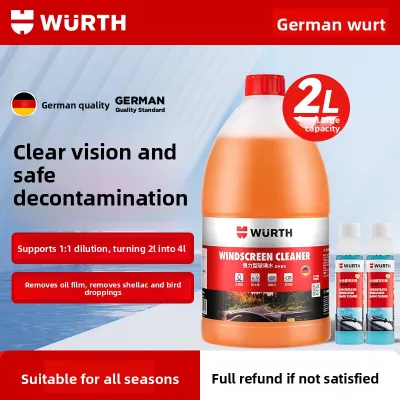
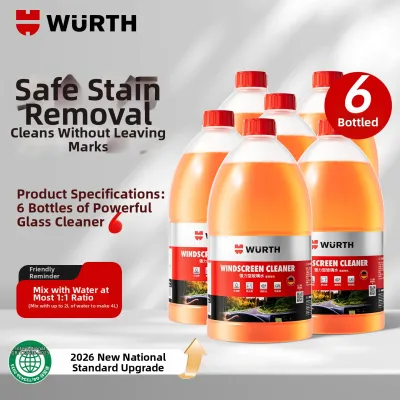
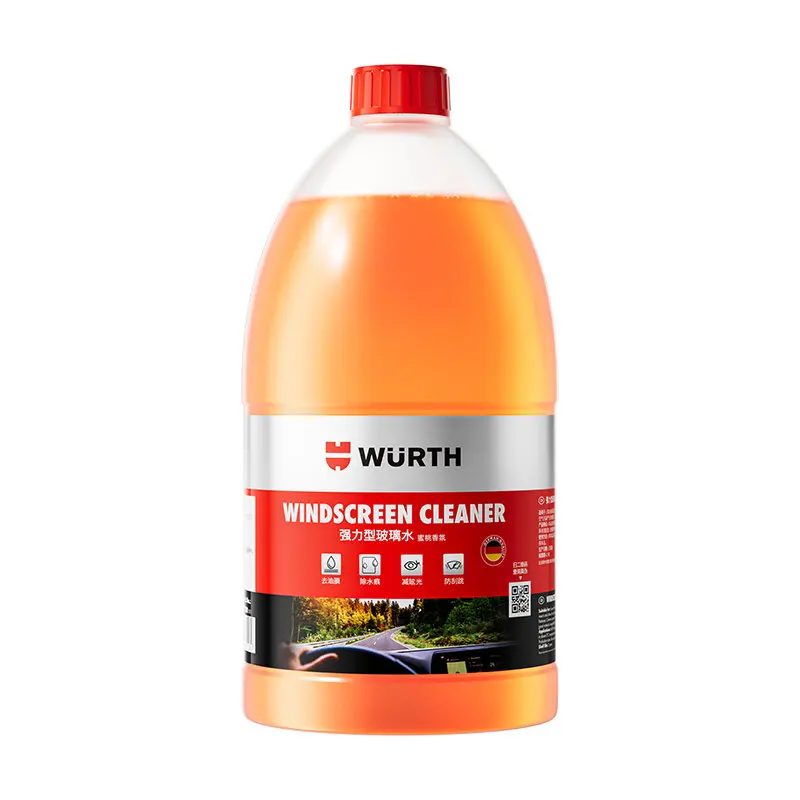
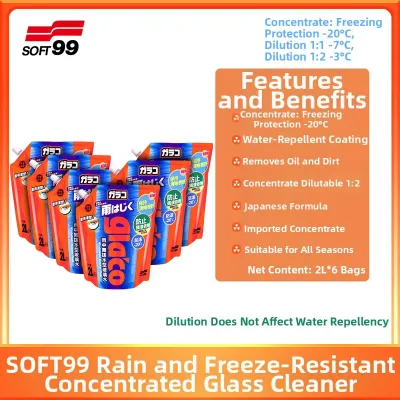
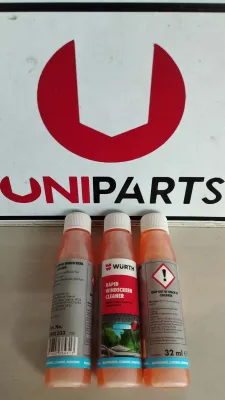
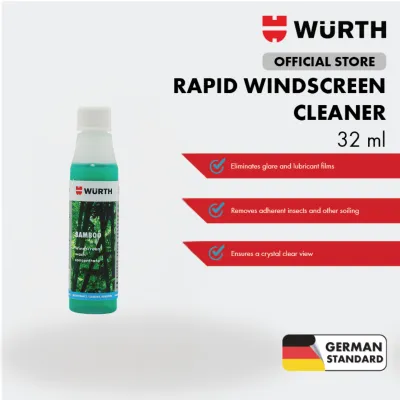
Prices are valid at publication and may change. Please refer to the product page for the latest price.
Key Visibility Factors for Tropical Downpours
To evaluate any windshield washer fluid, you must first understand the specific environmental stressors it must combat in a tropical climate like the Philippines. Tropical rainfall is rarely clean water; it is accompanied by high humidity, elevated road temperatures, and a unique mixture of airborne contaminants.
Hydrophobic and Water-Beading Effects
Hydrophobic additives alter the surface tension of the windshield glass, causing water to form round, tightly bound beads rather than flat sheets. At highway speeds, typically above 60 km/h, the force of the oncoming wind easily pushes these beads off the glass. This water-sheeting effect significantly reduces your dependency on high-speed wiper sweeps, providing a clearer view of the road ahead during intense downpours. However, the effectiveness of this hydrophobic barrier depends on how clean the underlying glass is, as dirt and oil can disrupt the chemical bond of the water-repellent polymers.
Surfactant Strength and Grime Removal
Roads in highly populated urban areas, such as Metro Manila or Metro Cebu, accumulate a thick layer of oily residue. This residue consists of unburnt diesel soot from public utility vehicles, rubber dust from tires, asphalt oils, and organic grime. When the first rains of a thunderstorm hit the pavement, they kick up this oily mixture, splattering it directly onto your windshield. A washer fluid needs highly effective surfactants to emulsify these oils. Surfactants work at a molecular level, surrounding oil droplets and allowing them to be easily swept away by the wipers without smearing the grease across your line of sight.
Streak and Smear Resistance
One of the most dangerous situations during a night-time tropical storm is the glare from oncoming headlights. If a washer fluid leaves a thin, hazy film or fails to completely remove road oils, the sweep of the wiper blades will create temporary streaks. These streaks scatter light from streetlights and oncoming traffic, causing a blinding glare that can obscure pedestrians, lane markings, or stalled vehicles. A premium washer fluid must evaporate cleanly and leave absolutely no residue that could contribute to this dangerous visual distortion.
Wiper Blade and Rubber Compatibility
The intense tropical sun heats windshield glass to extreme temperatures, often exceeding 50°C when parked outdoors. This heat dries out and degrades the rubber compound of your wiper blades over time. Some aggressive chemical cleaners, high concentrations of alcohol, or heavy silicone-based additives can accelerate this degradation, causing the rubber to harden, split, or lose its flexibility. A well-formulated washer fluid must lubricate the wiper sweep, reducing friction and protecting the rubber from premature wear while preventing the annoying squeaking or chattering sounds that occur when dry blades drag across the glass.
Würth Washer Fluid: Labeled Capabilities and Formulation
Würth is a globally recognized German brand known for its professional-grade automotive chemicals. In the Philippine market, their windshield washer fluids are highly regarded for their specialized chemical compositions and efficiency.

Product Variants and Concentrates
The most common Würth product found in local automotive shops is their highly concentrated windshield cleaner, often sold in small 32ml single-use bottles or larger 250ml dosing bottles. Unlike pre-mixed fluids that contain a high volume of water, Würth concentrates are designed to be mixed with clean water in your vehicle’s reservoir. This concentrated format is highly practical for storage in a garage or glove compartment, avoiding the need to carry bulky plastic jugs.
Cleaning Chemistry and Materials Safety
Würth concentrates rely on a blend of highly active surfactants designed to dissolve typical road grime, insect splatters, and oily films rapidly. According to the manufacturer’s specifications, these formulas are engineered to be gentle on sensitive vehicle components. They are labeled as safe for polycarbonate headlight lenses, which can crack or cloud when exposed to harsh solvents. Additionally, the formula is designed not to strip wax coatings from your car’s paintwork or dry out the rubber seals surrounding the windshield.
Dilution Ratios and Preparation
Achieving the promised performance of Würth washer fluid depends entirely on following the correct dilution ratio. A standard 32ml bottle of Würth Rapid Windscreen Cleaner is formulated to mix with 2.5 to 3 liters of water. In the Philippines, it is highly recommended to use distilled or demineralized water for this mixture rather than tap water. Tap water in many regions contains high levels of calcium and magnesium (hard water). When mixed with washer fluid and heated by the engine bay, these minerals can precipitate out of solution, forming scale deposits that clog the fine spray nozzles of your windshield washer system.
Würth vs. Standard and Premium Alternatives
To determine which fluid performs best in Philippine rain, we must compare the characteristics of Würth concentrates against standard budget fluids and premium rain-repellent brands.
Standard and Generic Fluids
Standard washer fluids, often sold in large, pre-mixed blue jugs at gas stations and supermarkets, are generally budget-friendly and convenient. These products typically consist of water, basic isopropyl alcohol, and simple detergents. While they are adequate for clearing light dust or pollen during the dry season, they often fail when faced with the heavy, greasy soot of a tropical downpour. The low concentration of active cleaning agents means they tend to smear oily residues across the glass, requiring multiple spray cycles and rapidly depleting your reservoir during a long drive.
Premium Rain-Repellent Brands
Premium brands that focus heavily on water-beading performance, such as Rain-X or Glaco, take a different chemical approach. These fluids contain specialized polymers or silicone derivatives that leave a hydrophobic coating on the glass with every spray. In heavy highway rain, these fluids are exceptional, allowing water to fly off the windshield without using wipers. However, because their primary formulation goal is water sheeting, they sometimes lack the deep-cleaning surfactant strength needed to dissolve heavy, dried-on road grime or thick exhaust soot. Furthermore, the persistent polymer layer they deposit can sometimes interact poorly with certain wiper blade materials, leading to friction issues.
Concentrate vs. Pre-Mixed Economy
From a cost perspective, concentrates offer a distinct advantage. A single small bottle of Würth concentrate costing between ₱150 and ₱250 can produce up to 3 liters of highly effective cleaning solution. Pre-mixed premium fluids often cost significantly more per liter and require you to transport and store large, heavy plastic containers. However, pre-mixed fluids eliminate the risk of incorrect mixing ratios and the hassle of sourcing distilled water.
Comparison of Washer Fluid Categories
| Feature | Würth Concentrates | Premium Rain-Repellents | Standard/Generic Fluids |
|---|---|---|---|
| Primary Function | Deep cleaning & degreasing | Hydrophobic water-beading | Basic dust & dirt removal |
| Water-Beading Effect | Moderate (via clean glass) | High (via polymer coating) | Minimal to none |
| Oil & Grime Removal | Excellent | Moderate | Low to moderate |
| Dilution Type | Highly concentrated | Ready-to-use (Pre-mixed) | Ready-to-use (Pre-mixed) |
| Wiper Compatibility | High (lubricates rubber) | Variable (can cause chatter) | High (basic formula) |
| Material Safety | Safe for paint & polycarbonate | Check label for plastics | Generally safe |
Decision Framework: Choose Würth or a Competitor?
Selecting the right washer fluid is not about finding a single “best” product, but rather matching the fluid’s chemical strengths to your specific daily driving habits and vehicle setup.
Choose Würth if:
- Your daily drive is mostly urban: If you spend your commute navigating heavy traffic in cities like Manila, Pasay, or Quezon City, your main visibility enemy is the thick, oily exhaust film from surrounding vehicles. Würth’s superior surfactant package is specifically designed to cut through this grease instantly without smearing.
- You prefer space-saving value: If you want to keep a stock of windshield cleaner in your glove box or have limited garage storage, the small concentrate bottles are incredibly convenient.
- You want to protect your vehicle's trim: If your car has sensitive aftermarket paint, delicate rubber seals, or polycarbonate headlight covers with integrated washer jets, Würth’s material-safe formulation provides peace of mind.
Choose a Dedicated Rain-Repellent Brand if:
- You drive frequently on provincial highways: If your daily route involves long stretches on the NLEX, SLEX, or STAR Tollway at speeds above 60 km/h, the hydrophobic water-sheeting effect of a rain-repellent fluid will dramatically improve visibility by clearing rain before the wipers even sweep.
- You want to minimize wiper wear: By allowing wind to clear the water at high speeds, you can run your wipers on lower speed settings, extending the lifespan of the rubber blades.
Choose a Standard Budget Fluid if:
- You drive infrequently or mostly in dry weather: If your car is primarily parked in a garage and used for short weekend trips in clear weather, a basic, low-cost pre-mixed fluid is sufficient for clearing occasional dust.
- You want maximum convenience: If you do not want to measure dilution ratios or purchase distilled water, a pre-mixed supermarket fluid offers a simple pour-and-go solution.
Verification Checks Before Purchase
Before choosing any specialty or rain-repellent washer fluid, check your vehicle owner’s manual. Some modern vehicles equipped with rain sensors mounted behind the rearview mirror or specialized factory windshield coatings have specific restrictions regarding the use of silicone or polymer-based fluids. Using incompatible chemicals can interfere with sensor readings or damage the factory glass treatment. Additionally, if you have recently installed high-performance silicone wiper blades, consult the wiper manufacturer’s instructions, as some silicone blades perform best with standard clean glass and may chatter when combined with certain chemical additives.
Safe Usage and Wiper Maintenance in Humid Climates
Maintaining clear visibility in the humid Philippine climate requires more than just pouring a premium fluid into your reservoir. Proper system maintenance and wiper care are essential to ensure your chosen fluid performs as intended.
The Danger of Mixing Chemistries
Never mix different brands or chemical types of washer fluid in your reservoir. If you currently have a silicone-based rain-repellent fluid in your car and want to switch to a surfactant-based cleaner like Würth, do not simply pour the new fluid on top of the old. Mixing different chemical compounds can cause a reaction that creates a cloudy, gelatinous precipitate. This thick residue can clog your washer pump, block the spray nozzles, and leave a stubborn, smeary mess on your windshield when sprayed.
Step-by-Step Reservoir Flushing Guide
To safely switch to a new washer fluid, follow this simple, reversible flushing process:
- Empty the Reservoir: Use your vehicle's windshield washer spray button in short bursts to pump out the remaining old fluid. Avoid running the pump continuously for more than 10 seconds at a time to prevent the pump motor from overheating.
- Flush with Clean Water: Open the hood, locate the washer reservoir, and fill it halfway with clean, distilled water.
- Clear the Lines: Spray the clean water through the system to flush out any remaining chemical residue from the internal hoses and spray nozzles.
- Add the New Mixture: Once the reservoir is empty again, pour in your freshly mixed Würth solution (or your chosen alternative) prepared with distilled water according to the manufacturer's recommended dilution ratio.
Wiper Blade Inspection and Care
Even the most expensive, high-performance washer fluid cannot compensate for damaged or worn-out wiper blades. The intense heat and humidity of the Philippines can degrade standard rubber blades in as little as six months. Inspect your wipers regularly by lifting the arms and running your fingers along the rubber edge. If you feel cracks, tears, or hard spots, it is time to replace them.
To clean your wiper blades, wipe the rubber edge gently with a damp microfiber cloth soaked in a mild soapy water solution or a small amount of diluted washer fluid. This removes accumulated road grime and soot, preventing the blades from dragging dirt across your clean windshield and causing micro-scratches on the glass.
Frequently Asked Questions (FAQ)
Can I mix Würth washer fluid with a standard brand?
No, you should avoid mixing Würth washer fluid with other brands. Würth concentrates rely on specific surfactant formulas that may react negatively with the alcohols, dyes, or polymers used in standard supermarket fluids. Mixing them can result in chemical incompatibility, leading to a cloudy mixture, reduced cleaning efficiency, clogged spray nozzles, and severe smearing across your windshield. Always flush your washer reservoir with clean water before switching to a new fluid brand.
Why do my wipers chatter after using a rain-repellent fluid?
Wiper chattering occurs because rain-repellent fluids deposit a microscopic polymer or silicone layer on the glass to make it hydrophobic. This layer significantly alters the friction coefficient of the windshield. If your wiper blades are old, hardened by the tropical sun, or made of a rubber compound that is incompatible with that specific polymer coating, the blades will grip and slip repeatedly rather than gliding smoothly. To resolve this, clean your wiper blades with a damp cloth, or replace them with high-quality, flexible rubber or silicone wiper blades that are compatible with hydrophobic glass treatments.
Community discussion
Share your experience or ask a question. Comments are reviewed before publication.