
When upgrading your Yamaha Aerox V3, protecting its vital electronic components is just as important as enhancing its sporty aesthetic. The Anti-lock Braking System (ABS) sensor is a highly sensitive component positioned near the front wheel hub, where it is constantly exposed to road hazards. To choose the right ABS sensor cover for your Aerox V3, you must look for precise dimensional compatibility with the V3 front wheel assembly, high-grade materials that can withstand intense tropical heat and moisture, and a protective design that shields the sensor without altering the critical air gap between the sensor and the rotor ring.
Quick Guide: Evaluating Aerox V3 ABS Sensor Covers
Selecting an aftermarket accessory for your motorcycle’s braking system requires balancing style with strict safety standards. Because the ABS sensor plays a direct role in preventing wheel lockup during sudden stops, any cover you install must not interfere with the sensor’s operation or the movement of the brake rotor.
When evaluating potential covers, prioritize the following key decision criteria:
Products mentioned in this guide
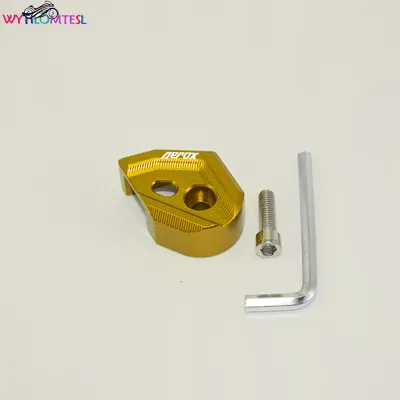
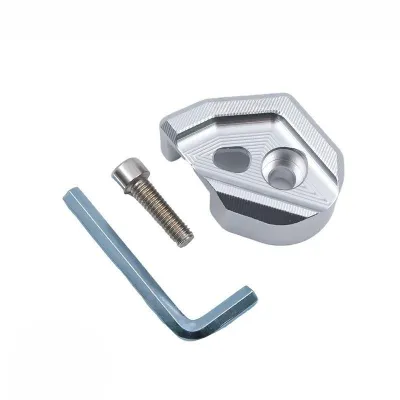
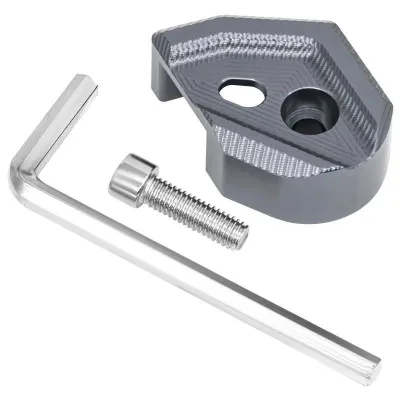
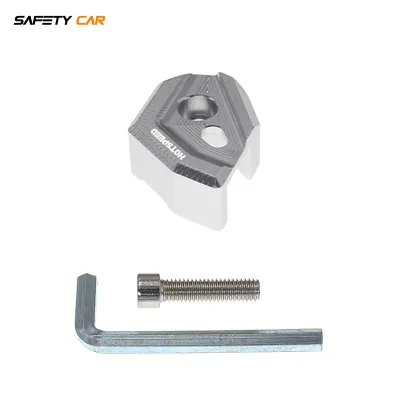
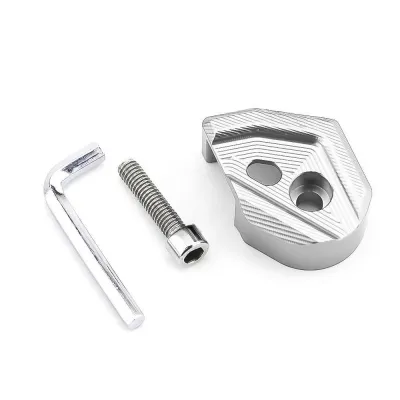
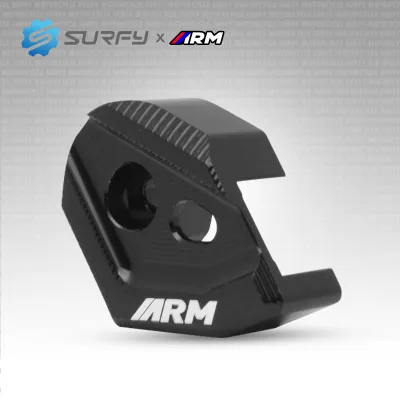
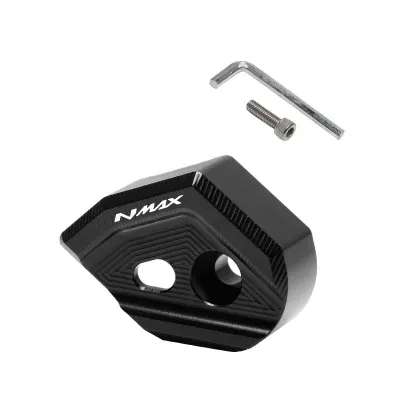
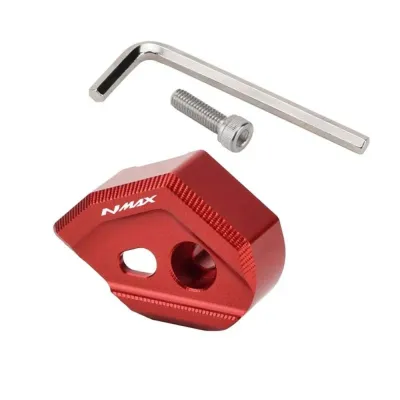
Prices are valid at publication and may change. Please refer to the product page for the latest price.
- Exact Model Compatibility: Ensure the product is explicitly designed for the Aerox V3, as older generations may have different mounting points or caliper clearances.
- Material Durability: Opt for materials that resist corrosion, UV damage, and high temperatures.
- Clearance and Fitment: Verify that the cover maintains the original equipment manufacturer (OEM) sensor gap and does not rub against the brake rotor or wheel speed ring.
- Safety Over Aesthetics: Never sacrifice the functionality of your braking system for a more aggressive look; a high-quality cover should protect the sensor, not compromise it.
Why Upgrade or Replace Your ABS Sensor Cover?
The ABS sensor on your Yamaha Aerox V3 is a critical link in your motorcycle’s active safety network. It constantly monitors the rotational speed of the front wheel, sending real-time data to the ABS electronic control unit to prevent skidding on slippery surfaces. However, its position near the road surface makes it highly vulnerable to various environmental threats.

In tropical climates like the Philippines, riders frequently encounter heavy monsoon rains, flooded streets, and loose road debris. A flying stone or a piece of gravel kicked up by a vehicle ahead can easily strike the exposed sensor housing or its delicate wiring harness, leading to physical damage and potential system failure. Over time, constant exposure to muddy water, road grime, and salt air in coastal regions can also accelerate the wear and corrosion of the sensor’s mounting hardware and electrical connectors.
Installing a dedicated ABS sensor cover provides a robust physical barrier against these hazards. Beyond protection, many riders choose to replace the stock cover to customize their motorcycle’s appearance. Anodized aluminum or styled polymer covers can complement other aftermarket accessories on your Aerox V3, allowing you to personalize your ride while reinforcing the defense of a vital electronic component.
Critical Fitment and Safety Checks Before Buying
Before purchasing any aftermarket accessory that mounts near your motorcycle’s braking system, you must establish a strict set of safety and compatibility checks. The front wheel assembly of the Yamaha Aerox V3 is a tightly packaged space where clearances are measured in millimeters. Even a minor misalignment can lead to catastrophic brake failure or severe damage to the wheel speed sensor.
First, verify the exact model year and sub-model of your Aerox. Do not rely on generic product titles that claim to fit all Aerox models. The V3 has specific front fork castings, caliper mounting points, and sensor positions that differ from older versions. Always check the manufacturer’s product documentation to confirm explicit compatibility with the V3.
Second, consult your motorcycle’s service manual to understand the original clearance tolerances and torque specifications for the front brake assembly. The distance between the ABS sensor tip and the rotating sensor ring—known as the sensor air gap—is incredibly precise. If an aftermarket cover is too thick or poorly molded, it can shift the sensor out of its optimal position. This alteration can cause the ABS warning light to illuminate, disable the anti-lock function, or cause the sensor to physically contact the spinning rotor ring.
Safety Stop Condition: If an aftermarket ABS sensor cover alters the original sensor gap, rubs against any moving parts, or lacks clear, model-specific fitment documentation, do not attempt to install it. Stop the installation immediately and consult a qualified professional mechanic to inspect your braking system.
Key Material and Design Features to Evaluate
To ensure your new ABS sensor cover provides long-lasting protection without compromising safety, you must carefully evaluate its physical attributes. The ideal cover must balance structural strength with a design that allows for proper heat dissipation and prevents the accumulation of harmful road debris.
By understanding what to look for in terms of material composition and geometric design, you can make an informed decision that keeps your Aerox V3 running safely through diverse riding conditions.
Assessing Material Durability and Heat Tolerance
The area surrounding your front brake caliper experiences extreme temperature fluctuations. During heavy braking in stop-and-go city traffic, heat radiates directly from the brake rotor and caliper to nearby components. Therefore, any cover you install must be capable of withstanding high temperatures without warping, melting, or degrading.
When browsing product listings or inspecting packaging, look for manufacturer-stated temperature ratings and UV resistance indicators. In the Philippines, intense tropical sunlight can rapidly degrade low-quality plastics, causing them to become brittle and crack over time. CNC-machined aluminum (such as 6061-T6 alloy) is highly regarded for its excellent strength-to-weight ratio and natural heat dissipation properties, but you must verify that the anodized finish is of high quality to prevent corrosion from humid air and road salt.
Warning: Never assume a material is safe for brake-proximity use solely based on its generic name, such as “carbon fiber” or “alloy.” Always rely on the product’s intended use label and explicit safety certifications to confirm it is rated for high-heat automotive or motorcycle applications.
Design Elements for Debris and Moisture Protection
A well-designed ABS sensor cover must do more than just look good; it must actively shield the sensor and its wiring from environmental hazards. Look for enclosed or semi-enclosed designs that wrap around the sensor body, providing a physical shield against direct water spray during heavy downpours or when navigating shallow flooded streets.
At the same time, the cover must not trap moisture or debris inside. Check the product’s geometry for smooth internal surfaces and adequate ventilation slots. Rough internal pockets can trap abrasive brake dust, mud, and road grime against the sensor face. Over time, this accumulation can interfere with the magnetic readings of the ABS ring, leading to system errors. A proper design allows water to drain freely and air to circulate, keeping the sensor clean and dry.
Installation Precautions and Post-Fitment Checks
Installing an ABS sensor cover is a task that requires precision and attention to detail. Because you are working directly adjacent to your motorcycle’s primary stopping system, safety must be your top priority throughout the process.
Always follow the specific installation instructions provided by the product manufacturer. Use the correct fasteners supplied with the kit, and ensure they are made of corrosion-resistant materials like stainless steel. When mounting the cover, do not alter the original mounting points or modify the brake caliper bracket. Use a torque wrench to tighten all bolts to the manufacturer’s specified torque values to prevent them from backing out due to engine and road vibrations.
Once the installation is complete, perform a mandatory post-fitment visual and physical check before taking your Aerox V3 out on the road:
- Wheel Spin Test: Place the motorcycle securely on its center stand. Slowly spin the front wheel by hand. Listen carefully for any scraping, clicking, or rubbing sounds. Visually inspect the gap between the cover, the brake rotor, the ABS ring, and the caliper to ensure there is zero physical contact.
- Steering Clearance Check: Turn the handlebars fully to the left and then fully to the right. Verify that the ABS sensor wire is not being stretched, pinched, or rubbed against the front forks or bodywork during steering movements.
- ABS Indicator Light Check: Turn on the ignition and start the engine. Ensure the ABS warning light on your dashboard behaves normally (typically illuminating upon startup and turning off once the motorcycle reaches a low speed). If the light remains on or flashes, turn off the engine immediately and inspect the sensor alignment.
Professional Installation Warning: Any modification that requires structural alteration to the original braking components, or if you feel unsure about the clearance tolerances, must be avoided. In such cases, have the cover installed exclusively by a certified professional motorcycle mechanic.
Sourcing Reliable Parts and Verifying Quality
The market for motorcycle accessories is flooded with cheap, unverified components that may look appealing but lack the quality control necessary for safety-critical areas. To protect your investment and your safety, you must be selective about where you purchase your parts.
Avoid buying critical components from unverified online marketplaces or generic ecommerce platforms where product quality and fitment accuracy cannot be guaranteed. Instead, purchase your ABS sensor cover from authorized dealers, official brand stores, or reputable physical motorcycle accessory shops. These sellers are more likely to offer genuine products that have undergone proper design testing and quality control. High-quality covers typically range from ₱300 to ₱1,200 depending on the material and brand.
When your package arrives, perform a thorough physical inspection before attempting installation:
- Inspect for Molding Defects: Check the cover for sharp edges, burrs, or uneven surfaces that could scratch your motorcycle's fork or damage the sensor wiring.
- Verify Hardware: Ensure all necessary bolts, spacers, and washers are included in the package and match the parts list.
- Check Instructions: Confirm that clear, legible fitment instructions are provided. If the instructions are missing, vague, or written in a language you do not understand, contact the seller or manufacturer for clarification before proceeding.
Frequently Asked Questions (FAQ)
Can I use an ABS sensor cover from an older Aerox model on the V3?
No, you should not use an ABS sensor cover designed for older Aerox models on the V3. Motorcycle manufacturers frequently update wheel hub designs, front fork castings, brake caliper mounting points, and sensor ring dimensions between generations. A cover designed for an older model may not align correctly with the V3’s mounting holes, which can cause the cover to rub against the brake rotor or alter the critical sensor air gap. Always purchase a cover that is explicitly labeled and certified for the Yamaha Aerox V3.
Will an aftermarket cover affect my motorcycle's warranty?
Installing aftermarket accessories near critical safety systems like the ABS can potentially affect your motorcycle’s warranty. If a failure occurs in the braking system or the ABS sensor, and the dealership determines that the aftermarket cover caused or contributed to the issue (such as by altering the sensor gap or trapping heat), they may deny your warranty claim for those specific components. Before installing any aftermarket part, it is highly recommended to consult your local authorized dealership or carefully review your motorcycle’s warranty booklet to understand the terms and conditions.
Community discussion
Share your experience or ask a question. Comments are reviewed before publication.